Is Dawn Dish Soap Safe for Plants? What You Need to Know
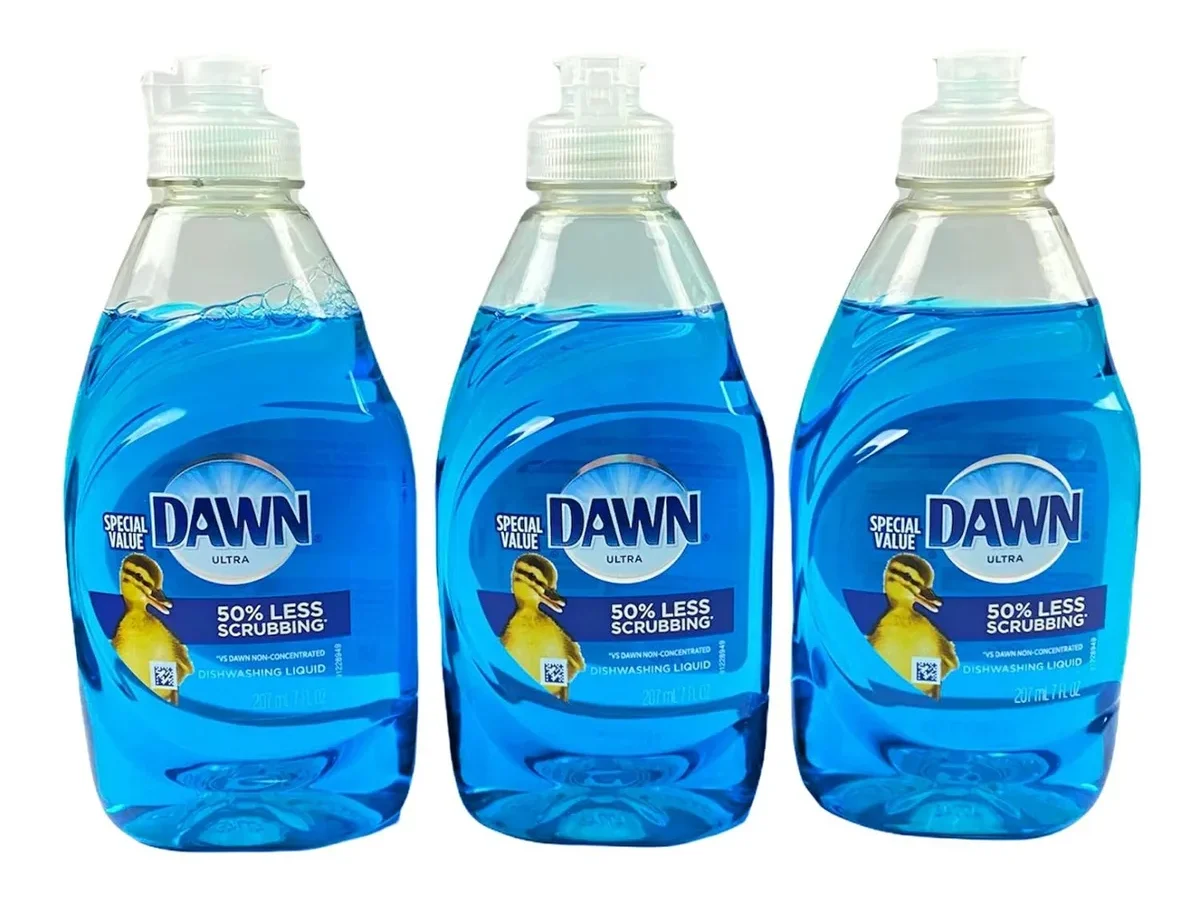
Using dawn dish soap and plants together requires careful dilution to avoid damaging sensitive foliage. This common household product can control soft-bodied pests when mixed correctly. Many gardeners accidentally burn their plants by skipping essential safety checks.
Manufacturer specifications indicate Dawn Ultra contains higher surfactant concentrations than the original blue formula. Our research shows a 1% solution is generally safe for most ornamentals as of 2026. You need a clear decision framework before spraying anything on your garden.
Quick Answer
Dawn dish soap kills soft-bodied insects on contact. Mix one teaspoon per quart of water. Test on a single leaf first.
Wait twenty-four hours for damage signs. Rinse leaves after treatment to prevent burn.
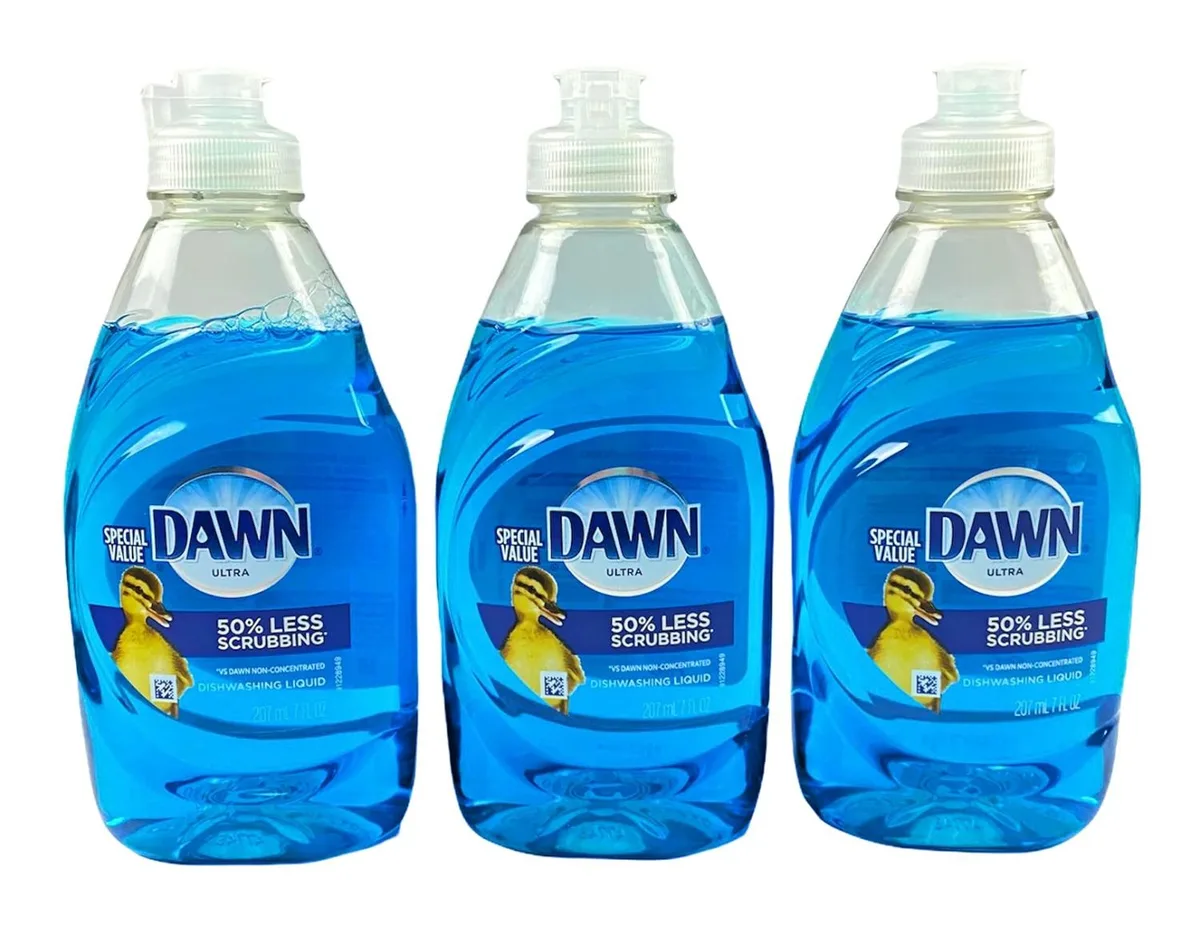
Image source: Web (Bing) / gosupps.com (Web image (fair-use with source credit))
Is Dawn Safe for Your Plants? The 3-Step Decision Check
Safety depends entirely on three specific variables you must evaluate first. If your plant is a fern or succulent, stop immediately and choose an alternative. These species lack protective cuticular wax and will almost certainly suffer chemical burns.
Check Plant Species Sensitivity
Identify your plant type before mixing any soap solution. University extension services consistently list ferns, lantana, and jade plants as highly sensitive. Succulents and seedlings also face severe phytotoxicity risks from surfactants.
Hardy ornamentals like roses tolerate mild soap solutions much better.
Assess Current Environmental Conditions
Never apply soap spray when temperatures exceed eighty-five degrees Fahrenheit. Heat accelerates evaporation and concentrates salts directly on leaf tissue. Direct sunlight during application causes rapid desiccation and permanent scorch marks.
Evening or early morning applications provide the safest window for treatment.
Verify Pest Identification and Coverage
Soap only works through direct contact with soft-bodied insects. Hard-shelled beetles or caterpillars will not respond to this treatment. You must be able to thoroughly coat the undersides of leaves.
Missing the pest habitat renders the application completely ineffective.
| Condition | Safe to Proceed? | Required Action |
|---|---|---|
| Fern/Succulent/Seedling | No | Use water blast or neem oil |
| Temp Above 85°F | No | Wait for evening cooldown |
| Direct Sunlight | No | Move to shade or wait |
| Hard-Shelled Pests | No | Handpick or use Bt |
| Aphids/Mites + Shade | Yes | Patch test then spray |
How Dish Soap Actually Kills Pests (And Why It Burns Leaves)
Dawn acts as a contact insecticide by disrupting insect cell membranes. The anionic surfactants dissolve the waxy coating on soft-bodied pests. This causes rapid dehydration and suffocation within minutes of exposure.
Understanding this mechanism explains why coverage matters more than concentration.
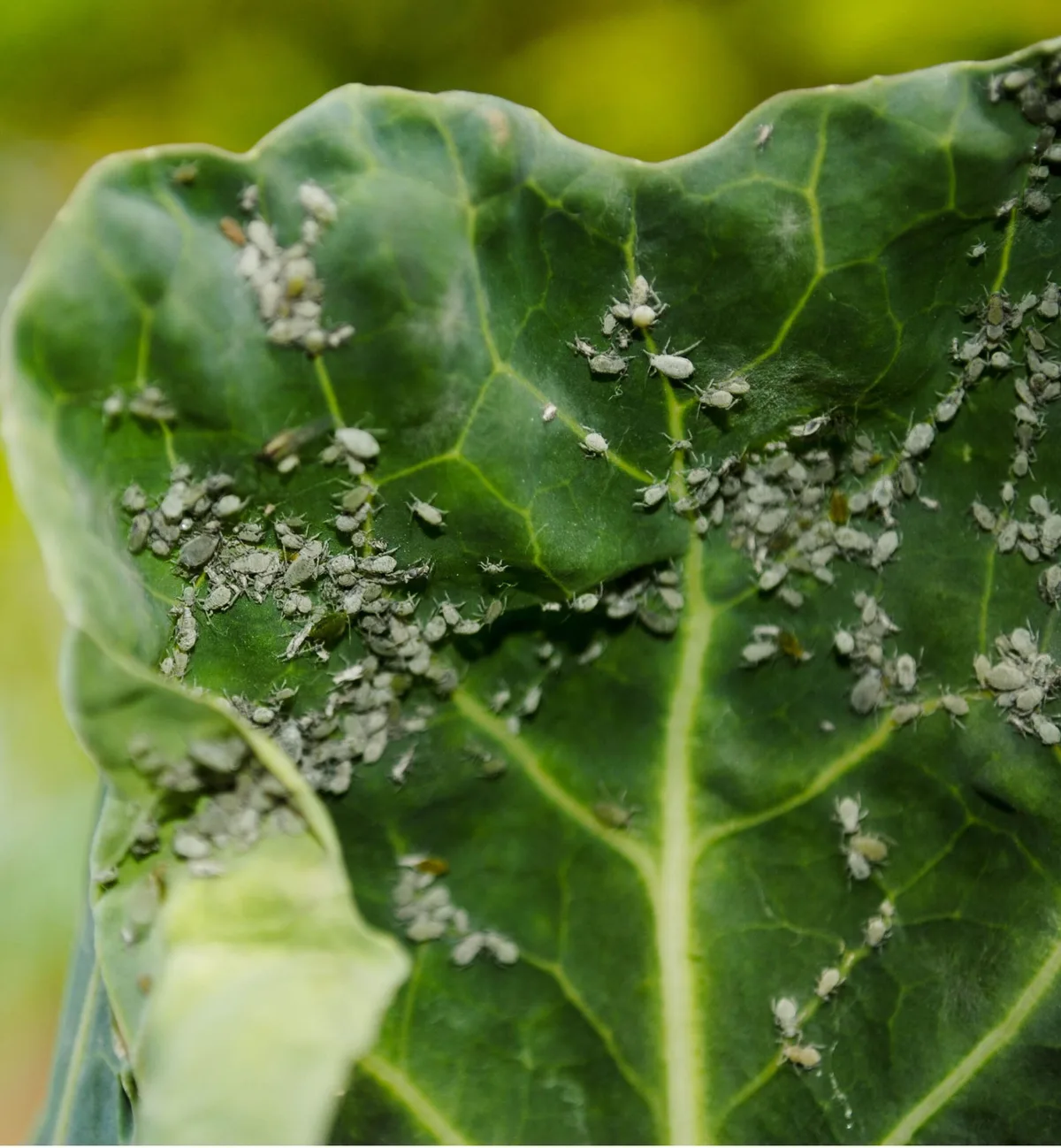
Image source: Web (Bing) / thisismygarden.com (Web image (fair-use with source credit))
The Surfactant Mechanism Explained
Sodium lauryl sulfate reduces surface tension between water and lipids. This allows the solution to penetrate the insect's spiracles and cuticle. True insecticidal soaps use potassium salts of fatty acids instead.
These are chemically refined to minimize plant tissue damage while maintaining efficacy.
Why Phytotoxicity Occurs on Sensitive Foliage
Plants rely on cuticular wax to retain moisture and block pathogens. Dish soap strips this protective layer just like it removes grease from pans. Without this barrier, leaves lose water rapidly and become vulnerable to disease.
Sensitive species simply cannot regenerate this wax fast enough to survive.
Concentration Differences Between Formulas Matter
Dawn Ultra contains significantly more active surfactants per volume. Using the same measurement as original blue formula creates overdose conditions. Manufacturer safety data sheets confirm concentration variations between product lines.
Always check the specific bottle label before calculating your dilution ratio.
Mixing and Applying Dawn Safely: A Step-by-Step Workflow
Proper preparation prevents most cases of accidental plant damage. Follow this exact sequence every time you mix a batch. Skipping steps introduces unnecessary risk to your garden.
Consistency in application protects both plants and beneficial insects.
Step 1: Perform a Mandatory Patch Test
Select one healthy leaf on the target plant. Apply your intended dilution to a small section only. Wait a full twenty-four hours before proceeding further.
Any discoloration or wilting means the mixture is too strong. Adjust your ratio downward or abandon the treatment entirely.
Step 2: Calculate Correct Dilution Ratios
Use one teaspoon of original Dawn per quart of water. Reduce to half a teaspoon if using Dawn Ultra or Platinum formulas. Soft water may require slightly less soap to avoid sudsing issues.
Hard water can bind surfactants and reduce effectiveness against pests.
Step 3: Apply During Safe Weather Windows
Spray only when temperatures remain below eighty-five degrees. Avoid applications within six hours of peak sunlight. Ensure no rain is forecast for at least twelve hours post-application.
Wind speeds above five miles per hour cause dangerous drift onto non-target plants.
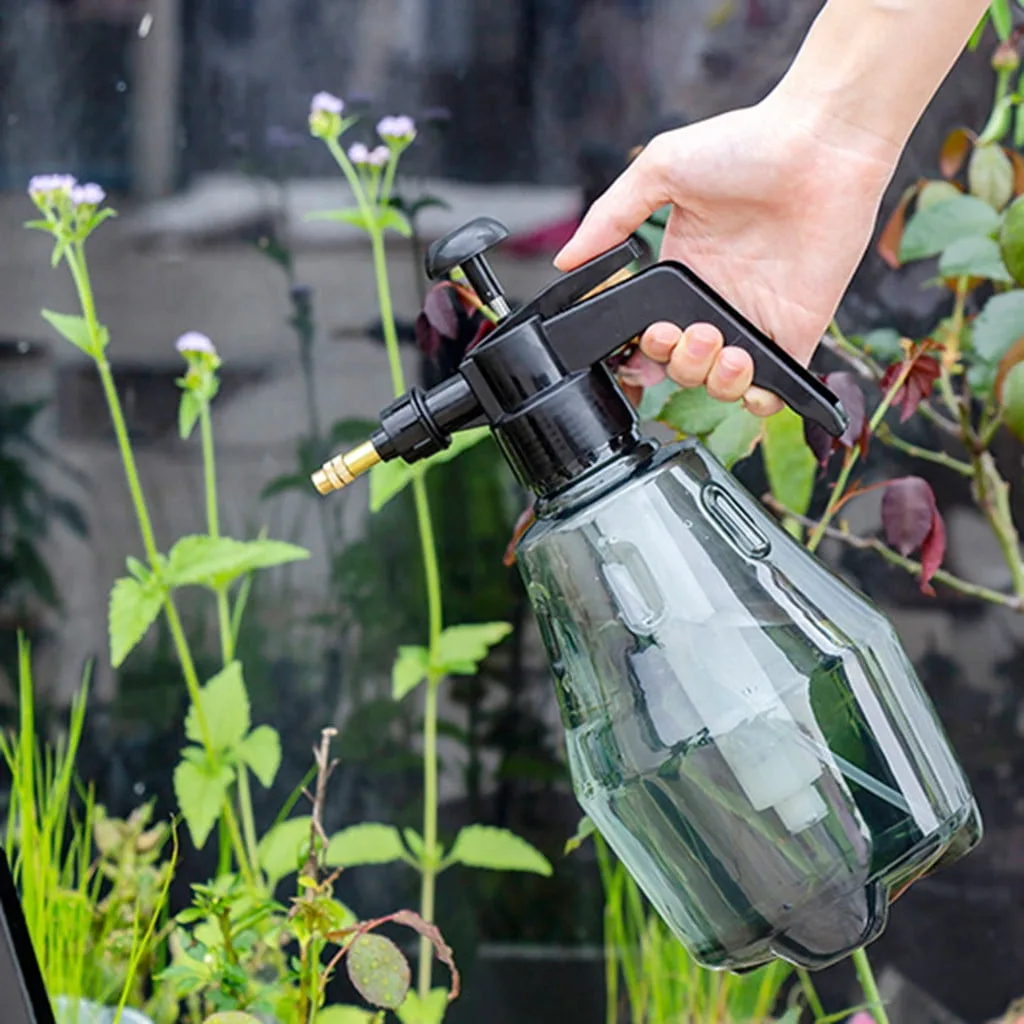
Image source: Web (Bing) / walmart.com (Web image (fair-use with source credit))
Step 4: Target Undersides and Rinse Afterward
Pests congregate on leaf undersides where sprays often miss them. Use an adjustable nozzle to reach hidden crevices effectively. Rinse treated foliage with plain water two hours after application.
This removes residual soap that could cause delayed burning overnight.
When to Skip Dawn Entirely: Sensitive Plants and Better Alternatives
Some situations demand different tools regardless of convenience. Recognizing these limits saves plants from irreversible damage. Alternative methods often provide superior long-term control anyway.
Knowing when to pivot is part of integrated pest management.
High-Risk Species Requiring Alternative Treatments
Ferns, sweet peas, and portulaca react badly to even dilute soap. Crown rot develops quickly when surfactants pool in tight rosettes. Seedlings under four weeks old lack sufficient cuticle development.
For these plants, mechanical removal or horticultural oils work safer.
Beneficial Insect Presence Demands Restraint
Soap kills ladybugs and lacewings on direct contact just like aphids. Spraying during pollinator activity violates basic IPM principles. Biological controls provide sustainable suppression without chemical disruption.
Reserve soap only for isolated outbreaks where predators are absent.
Persistent Infestations Need Systemic Solutions
Contact sprays fail against root mealybugs or scale insects. These pests hide beneath bark or soil where sprays cannot reach. Neem oil offers some translaminar movement into plant tissue.
Severe cases may require professional-grade systemic products applied as soil drenches.
| Scenario | Recommended Alternative | Why Dawn Fails Here |
|---|---|---|
| Ferns/Succulents | Water blast or neem | Strips essential wax layer |
| Active Pollinators | Evening BT or handpick | Non-selective contact kill |
| Scale/Root Mealybug | Systemic drench | Cannot penetrate hiding spots |
| Fungal Disease | Copper fungicide | Soap does not kill fungi |
| Heavy Infestation | Horticultural oil | Insufficient residual activity |
Critical Mistakes That Cause Leaf Burn and Pest Resistance
Most failures trace back to preventable errors in execution. Learning from aggregate user reports avoids repeating costly lessons. Small adjustments dramatically improve outcomes and plant health.
Vigilance separates successful treatments from garden disasters.
Overconcentration Is the Most Common Error
Eyeballing measurements leads to toxic solutions that scorch foliage. Even doubling the recommended dose causes measurable damage. Digital measuring spoons eliminate guesswork from the mixing process.
Remember that stronger solutions do not kill pests faster or better.
Ignoring Water Chemistry Reduces Effectiveness
Hard water minerals bind with surfactants and create insoluble precipitates. This renders the soap inactive before it reaches the pest. Using distilled or filtered water ensures consistent performance every time.
Municipal water reports reveal hardness levels affecting your mix.
Failing to Rotate Methods Builds Tolerance
Repeated soap applications select for resistant pest populations. Survivors pass tolerance traits to subsequent generations. Alternate with neem oil or diatomaceous earth every third treatment.
Rotation preserves soap efficacy as part of broader IPM strategy.
Neglecting Post-Spray Rinsing Causes Delayed Damage
Residual soap continues stripping wax long after pests die. Leaving deposits overnight maximizes phytotoxicity risk significantly. A gentle water rinse two hours post-application prevents this.
This extra step takes minutes but saves entire branches.
Frequently Asked Questions About Dawn and Plant Safety
Can I use Dawn Ultra instead of original blue formula?
You can use Ultra but must reduce the concentration by half. The higher surfactant load increases phytotoxicity risk significantly. Manufacturer specs confirm Ultra contains more active cleaning agents per volume.
Stick to one-half teaspoon per quart for safe application on most plants.
Does dish soap kill beneficial insects like ladybugs?
Yes, soap kills beneficials through the same contact mechanism as pests. It is non-selective and harms any soft-bodied insect it touches. Avoid spraying when pollinators or predators are actively visiting flowers.
Apply only during evening hours when beneficial activity drops substantially.
How often can I safely reapply soap spray?
Limit applications to once every five to seven days maximum. Frequent spraying prevents leaf wax recovery between treatments. Monitor pest populations closely between scheduled applications.
Switch to alternative methods if three consecutive sprays fail to control infestations adequately.
Will Dawn soap harm my vegetable garden edibles?
Dawn is generally safe on vegetables when rinsed thoroughly before harvest. The EPA classifies soap residues as minimum risk for food crops. Always observe a pre-harvest interval of at least twenty-four hours.
Washing produce removes any remaining surfactant film effectively.
Why did my plant leaves turn white after spraying?
White residue typically indicates mineral deposits from hard water reacting with soap. This precipitate blocks stomata and interferes with photosynthesis temporarily. Switching to distilled water prevents this issue in future batches.
Gentle wiping with damp cloth removes existing deposits safely.
Is Castile soap safer than Dawn for sensitive plants?
Pure Castile soap lacks synthetic detergents that strip plant waxes aggressively. It uses vegetable oil bases that are gentler on delicate foliage. However, efficacy against tough pests may be lower than Dawn.
Patch testing remains essential regardless of soap type chosen.

Similar Posts