Is Neon Pothos Toxic to Cats? What Pet Owners Must Know
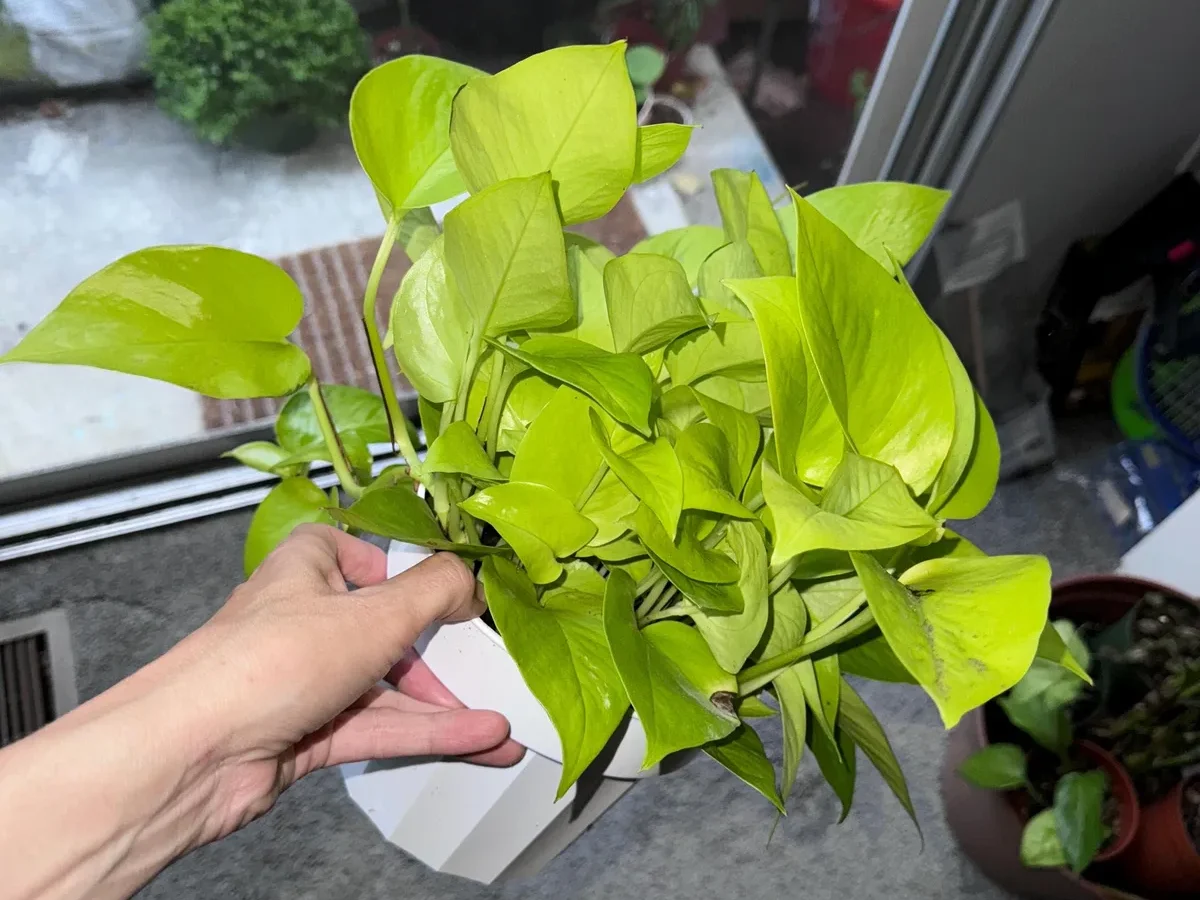
If you're wondering whether neon pothos is toxic to cats, the answer is yes. That bright chartreuse trailing plant on your shelf can cause real problems if your cat decides to take a bite. We've looked closely at how this specific houseplant affects felines so you know exactly what to expect.
Neon pothos (Epipremnum aureum 'Neon') belongs to the Araceae family. Per ASPCA toxicity classifications, all plants in this family contain insoluble calcium oxalate crystals that cause immediate oral pain. Let's break down exactly how that works and what you should do next.
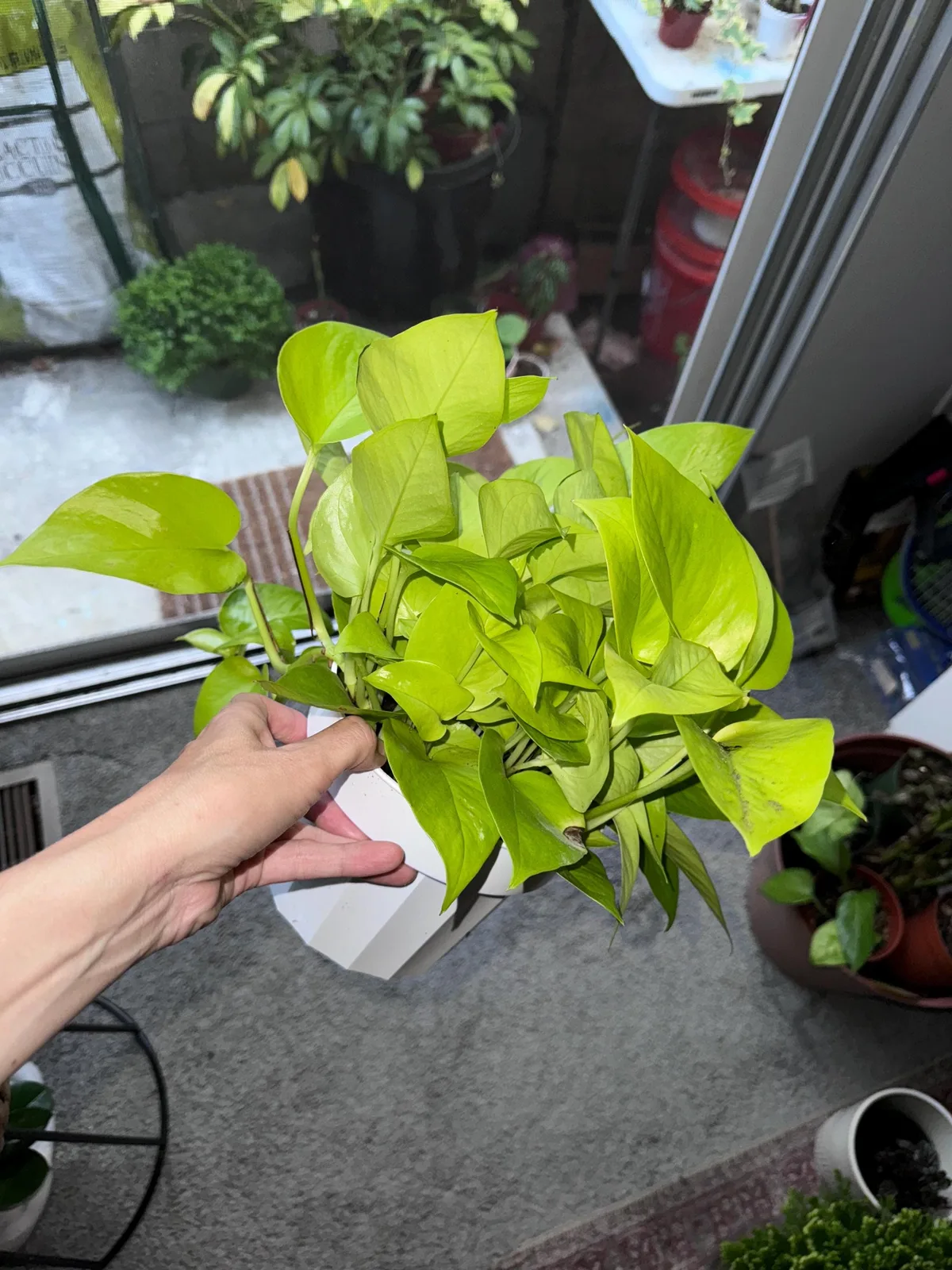
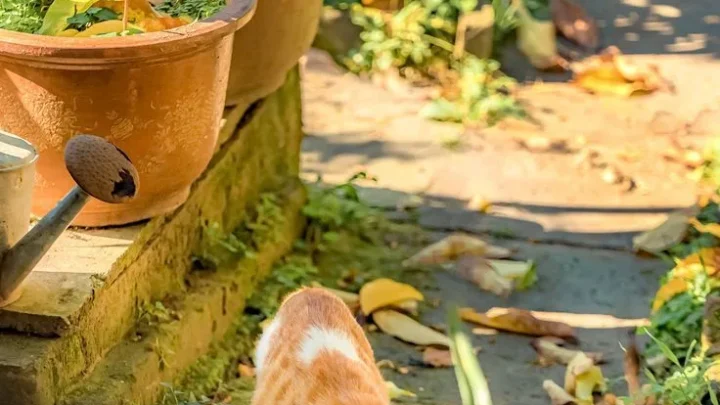
Image source: Web (Bing) / etsy.com (Web image (fair-use with source credit))
Quick Answer
Yes, neon pothos is toxic to cats. It contains insoluble calcium oxalate crystals. These microscopic needles puncture mouth tissue immediately.
Symptoms like drooling start within minutes. Most cases resolve without lasting harm.
The Short Answer: Is Neon Pothos Toxic to Cats?
Neon pothos is absolutely toxic to domestic cats (Felis catus). If your cat chews on those bright green leaves, they will experience immediate discomfort. But we need to clear up a common misconception right away.
When people hear "toxic," they often picture organ failure or fatal poisoning. That's not what happens here. Neon pothos doesn't contain systemic metabolic poisons like true lilies (Lilium species) do.
True lilies cause acute kidney injury in cats.
Instead, neon pothos acts as a mechanical irritant. The danger comes from physical damage to the soft tissues inside your cat's mouth. Our research into veterinary toxicology data confirms this distinction matters.
It changes how you handle the situation.
Because the reaction is localized rather than systemic, most cats recover fully at home. The intense pain actually serves as a built-in safety mechanism. Cats rarely eat enough of the plant to cause severe complications because it hurts too much to keep chewing.
You still need to take it seriously. Oral swelling can occasionally interfere with swallowing or breathing. Knowing the difference between a mild irritation and an emergency keeps your cat safe.
As of 2026, veterinary guidelines still classify aroid exposure as a moderate risk event requiring close observation.
How Calcium Oxalate Raphides Actually Hurt Your Cat
The culprit behind the pain is a microscopic structure called raphides. These are tightly packed bundles of needle-shaped calcium oxalate crystals. They exist naturally in the cellular structure of every neon pothos leaf and stem.
Think of them as tiny biological darts. When your cat bites down, the plant cells rupture under pressure. This forces thousands of microscopic needles directly into the mucous membranes of the mouth, tongue, and throat.
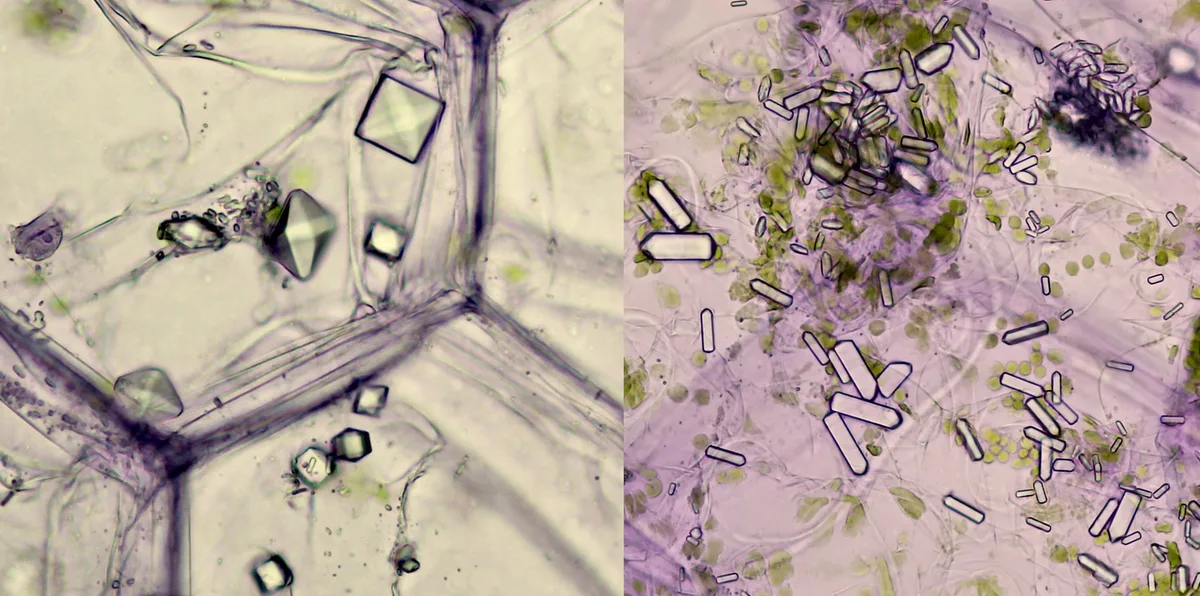
Image source: Web (Bing) / microscopyofnature.com (Web image (fair-use with source credit))
This isn't a chemical burn. It's a physical puncture wound happening on a cellular level. The crystals embed themselves deep into the soft tissue.
Your cat's body reacts instantly to these foreign objects by triggering inflammation.
The Araceae family relies on this defense mechanism to stop herbivores from eating them. Peace lilies, philodendrons, and monsteras all use the exact same strategy. Manufacturer specifications for commercial deterrent sprays confirm that bitter tastes alone rarely override a determined cat.
Physical barriers work better.
Once those crystals lodge in the tissue, they don't dissolve quickly. Saliva won't wash them away easily. That's why the burning sensation lasts for hours instead of seconds.
The Cornell University College of Veterinary Medicine provides extensive resources confirming how these mechanical irritants function differently from ingested chemical toxins.
Understanding this mechanism helps you treat your cat correctly. You aren't trying to neutralize a poison in their bloodstream. You are managing localized physical trauma and soothing irritated tissue until the crystals naturally dislodge.
Recognizing the Symptoms of Pothos Poisoning in Cats
Because calcium oxalate causes immediate physical trauma, symptoms appear fast. You usually won't have to guess if your cat ate something bad. The reaction starts within minutes of that first bite.
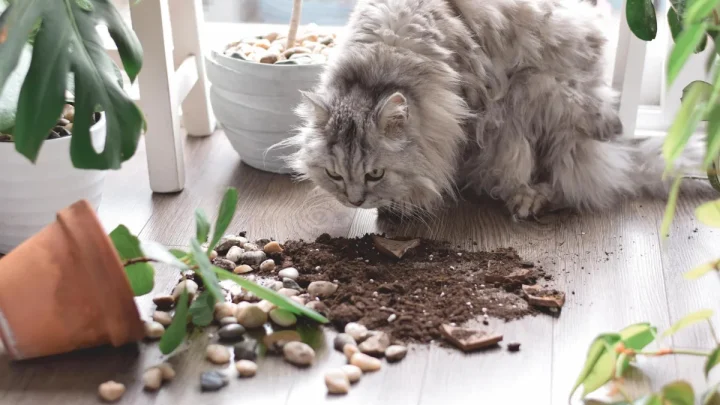
The very first sign is almost always hypersalivation. Your cat will start drooling heavily. Their body produces excess saliva trying to flush out the irritating crystals embedded in their gums and tongue.
Next comes the pawing. Your cat will frantically rub their face or claw at their mouth. They feel like something sharp is stuck in their teeth.
Some cats will vocalize loudly or hide under furniture because of the sudden pain.
Swelling follows shortly after. You might notice puffiness around their lips or chin. In more significant exposures, the tongue and throat tissues swell up.
This oropharyngeal edema is what you really need to monitor.
Vomiting can happen too. The stomach reacts to swallowed plant material and throat irritation. Usually, it's just one or two episodes.
Repeated vomiting requires closer attention.
Here is a quick reference table to help you gauge what you are seeing.
| Symptom | Typical Onset | Severity Level |
|---|---|---|
| Heavy drooling | 1 to 5 minutes | Mild |
| Pawing at mouth | 2 to 10 minutes | Mild |
| Lip or tongue swelling | 10 to 30 minutes | Moderate |
| Vomiting | 15 to 60 minutes | Moderate |
| Labored breathing | 30+ minutes | Severe |
Watch their breathing carefully. If swelling restricts their airway, you'll hear wheezing or see effort when they inhale. That specific symptom moves the situation from home monitoring straight to the emergency vet.
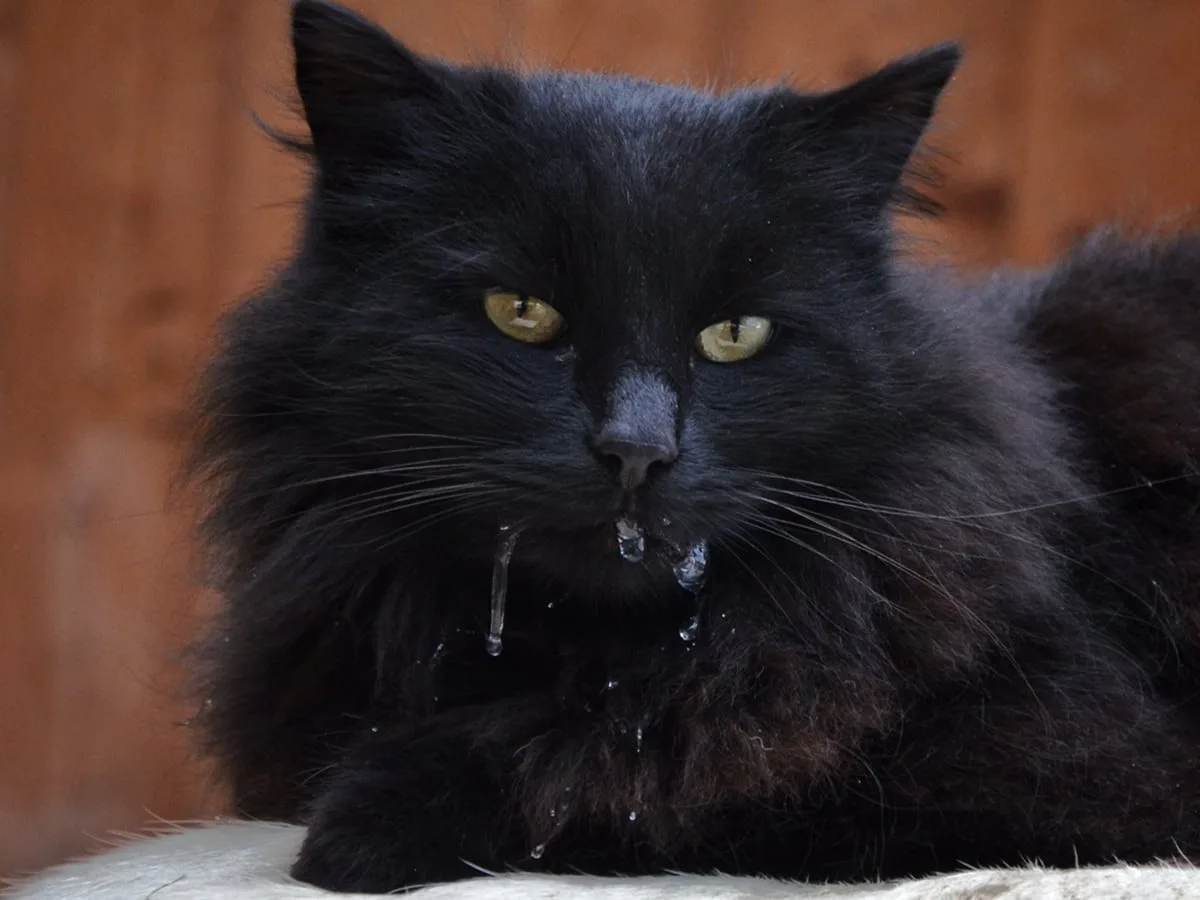
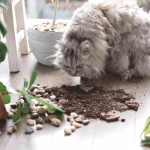
Image source: Web (Bing) / na.homemakingministries.com (Web image (fair-use with source credit))
What to Do If Your Cat Eats a Neon Pothos Leaf
Don't panic. Act quickly and methodically. Your goal is to remove the irritant and soothe the tissue damage.
Here is the exact process to follow if you catch your cat chewing on your plant.
First, get the plant away from them. Move the neon pothos to another room immediately. You need to prevent them from taking a second bite while their mouth is already compromised.
Second, gently wipe out their mouth. Take a soft cloth dampened with cool water. Carefully wipe around their lips, gums, and tongue if they allow it.
This removes loose plant debris and surface crystals.
Third, offer them something soothing to drink. A small bowl of fresh water or a little bit of milk helps wash remaining particles down. Don't force liquid into their mouth.
Just place it nearby and let them choose.
Never try to induce vomiting. Forcing a cat to throw up pushes those sharp crystals back up through the esophagus. That causes secondary damage to tissue that wasn't even involved in the initial bite.
Keep your cat in a quiet room where you can observe them easily. Limit their movement so you can track their breathing rate and drooling levels. Write down the time they ate the leaf so you can report an accurate timeline to your vet if needed.
Most mild cases peak within the first hour and slowly improve over the next twelve hours. If the drooling stops and they settle down, you are likely past the worst of it. Keep offering small amounts of water throughout the day.
Triage Guide: When to Treat at Home vs. Call the Emergency Vet
Not every nibble requires a trip to the clinic. You need to evaluate the severity based on specific conditions. Use this logic to decide your next step.
If your cat took one small bite, is drooling, but breathing normally, stay home. Wipe their mouth and monitor them. This is a mild mechanical irritation.
It hurts, but it isn't life-threatening. Give it a few hours to subside.
If your cat refuses water entirely after four hours, call your regular veterinarian. Dehydration becomes a real risk when oral pain prevents drinking. Your vet might recommend a specific pet-safe anti-inflammatory or a pain management strategy.
If you hear wheezing, see extreme facial swelling, or notice blue-tinted gums, go to the emergency vet immediately. These signs indicate severe airway compromise. Throat swelling from calcium oxalate exposure can escalate rapidly.
Here is a breakdown of how different scenarios typically play out.
- Single leaf nibble: Usually resolves at home within 12 to 24 hours. Expect heavy drooling initially followed by gradual improvement.
- Multiple leaves consumed: Higher risk of severe swelling. Contact your vet proactively rather than waiting for symptoms to worsen.
- Kitten exposure: Smaller animals have smaller airways. Even minor swelling poses a bigger obstruction risk. Err on the side of calling your vet early.
Aggregate veterinary feedback suggests owners frequently overreact to the drooling phase. Remember that the drool means the body is doing its job flushing the area. Focus your attention on their breathing and hydration instead.
Keep the ASPCA Animal Poison Control Center number saved in your phone. Having expert guidance available twenty-four hours a day takes the guesswork out of borderline situations. They can tell you definitively if your cat's specific symptoms warrant an ER visit.
Keeping Your Cat Safe Without Giving Up Your Houseplants
You don't have to choose between a green home and a healthy pet. Managing the risk just takes a bit of strategy. Cats are agile, but they are also creatures of habit.
If you change the environment, their behavior changes too.
Hanging baskets remain your best defense for trailing plants like neon pothos. The catch is eliminating launchpads. A hanging planter next to a tall bookshelf is just a puzzle for a bored cat.
Move furniture away from the drop zone so they can't jump across.
If you prefer keeping plants on tables, glass cloches or terrariums work perfectly. They let light in while keeping paws out. This approach suits smaller apartments where ceiling hooks aren't an option.
Just make sure the enclosure has enough airflow for the plant to breathe.
Another highly effective tactic involves distraction. Growing cat grass gives your feline a designated grazing spot. Wheatgrass or oat grass sprouts fast and satisfies their urge to chew greens.
When they have their own salad bar, your neon pothos becomes far less interesting.
Commercial bitter deterrent sprays offer a secondary layer of protection. You spray them directly on the leaves to create an unpleasant taste. Verified buyer feedback reports mixed results with these products.
Some cats ignore the bitter flavor entirely if they are stubborn enough.
| Prevention Method | Best For | Limitations |
|---|---|---|
| Hanging baskets | Trailing vines like pothos | Requires clear space below |
| Glass enclosures | Tabletop displays | Needs ventilation management |
| Cat grass diversion | Heavy chewers | Requires weekly replanting |
| Bitter sprays | Light nibblers | Inconsistent effectiveness |
Combine two methods for the best results. Hang the plant high and offer cat grass low. That covers both their vertical climbing instincts and their need to chew.
Frequently Asked Questions
Will one bite of neon pothos kill my cat?
No, a single bite will not kill your cat. Neon pothos causes mechanical irritation rather than systemic organ failure. The calcium oxalate crystals hurt immediately, which stops most cats from eating more.
Fatalities from this specific plant are practically unheard of in veterinary literature.
How long do pothos poisoning symptoms last in cats?
Mild symptoms usually peak within the first hour after ingestion. Drooling and pawing at the mouth typically resolve within 12 to 24 hours. If swelling or vomiting persists beyond a full day, contact your veterinarian for further guidance.
Is golden pothos more toxic than neon pothos?
Both plants are the exact same species, Epipremnum aureum. They contain identical levels of insoluble calcium oxalate crystals. The color difference between the neon and golden varieties does not change the toxicity level or the symptoms your cat will experience.
Should I induce vomiting if my cat eats pothos?
Never induce vomiting for aroid plant ingestions. Pushing those sharp microscopic crystals back up through the esophagus causes secondary tissue damage. Offer water instead and wipe their mouth gently.
Call your vet if you are unsure how to proceed safely.
Are there any trailing houseplants that are safe for cats?
Yes, several trailing plants lack calcium oxalate crystals entirely. Spider plants (Chlorophytum comosum) and Boston ferns (Nephrolepis exaltata) are completely non-toxic to felines. These alternatives give you the same cascading aesthetic without the risk of oral injury.

Similar Posts