Why Are My Pepper Plants Drooping? 5 Common Causes & Fixes
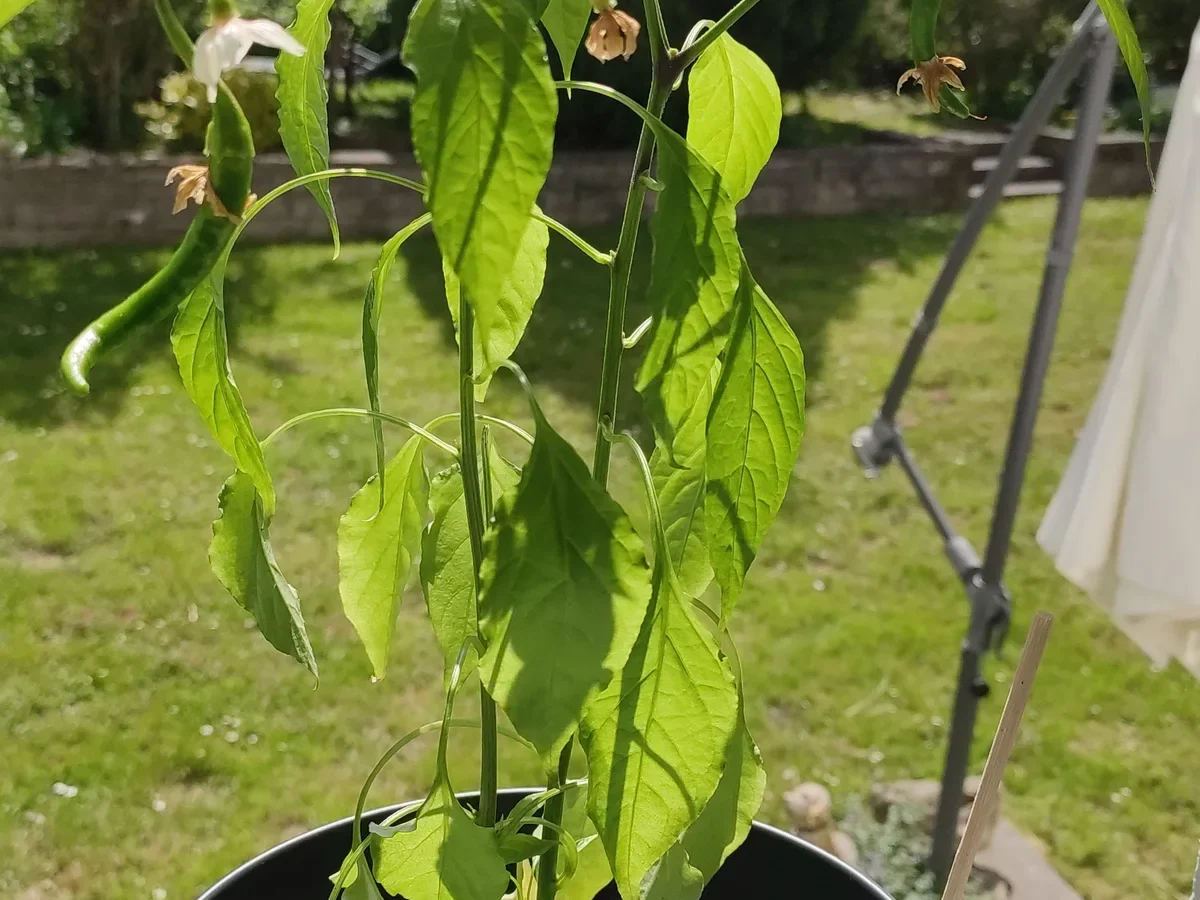
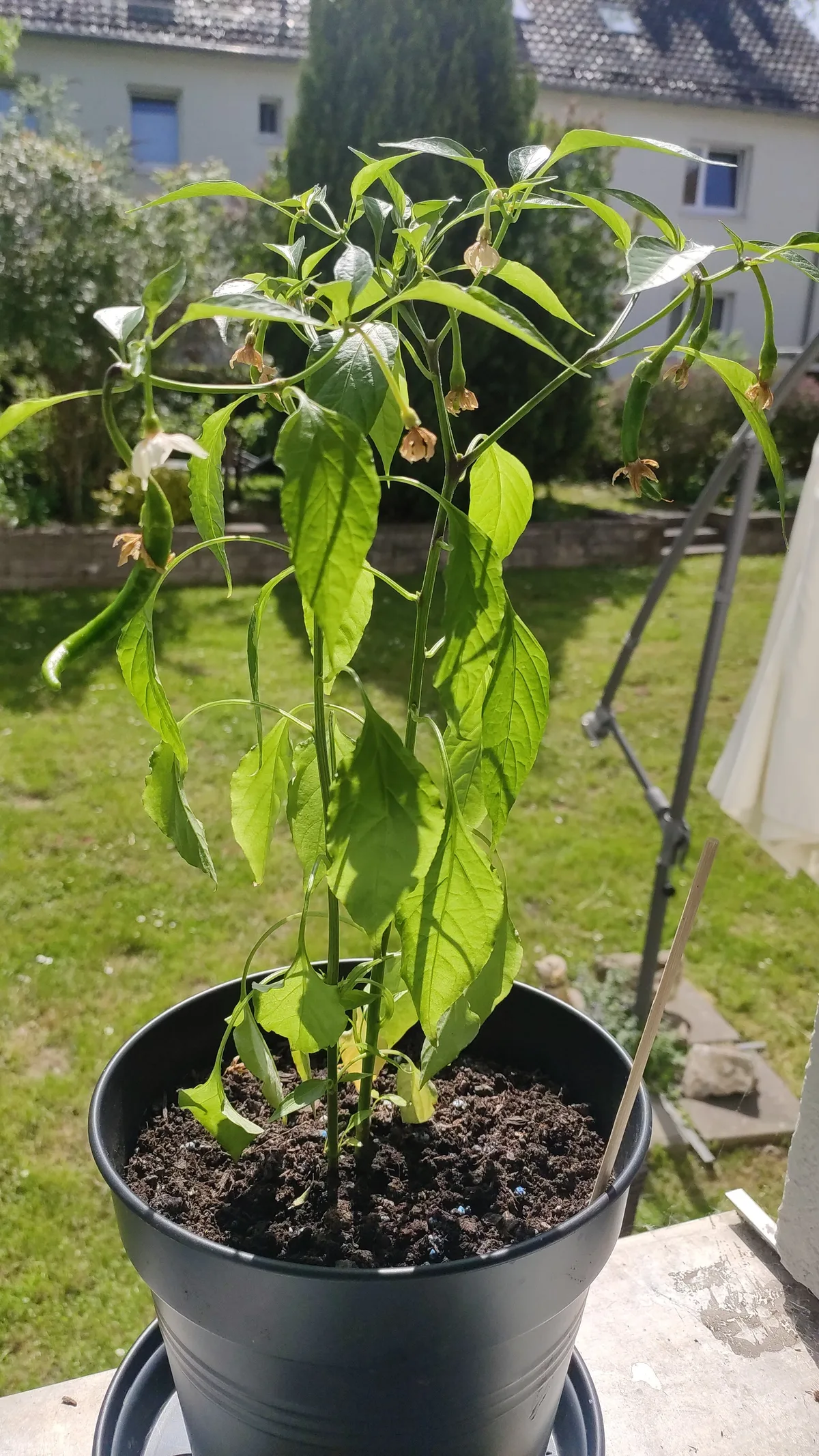
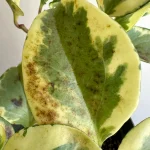
Image source: Web (Bing) / fity.club (Web image (fair-use with source credit))
If you are wondering why are my pepper plants drooping, the answer usually lies in the soil. Drooping is a symptom of lost turgor pressure, not always a sign of thirst. You must check root zone conditions before adding water.
Guessing incorrectly can kill the plant faster than doing nothing.
Most pepper varieties require consistent moisture but fail rapidly in saturated soil. Research from university extension services confirms that overwatering causes more crop loss than drought. We will walk through a diagnostic workflow to identify the exact stressor.
This method relies on physical checks rather than assumptions.
Quick Answer
Pepper plants droop when cells lose internal water pressure. This happens from dry soil or suffocated roots. Overwatering blocks oxygen and prevents water uptake.
Heat stress causes temporary midday wilting without damage. Always test soil moisture before watering again.
The 30-Second Soil Test: Stop Guessing and Start Diagnosing
You cannot fix drooping peppers without knowing the soil moisture level first. Visual symptoms look identical for both underwatering and overwatering. The only reliable differentiator is physical soil inspection at root depth.
Surface dryness often masks saturation just inches below.
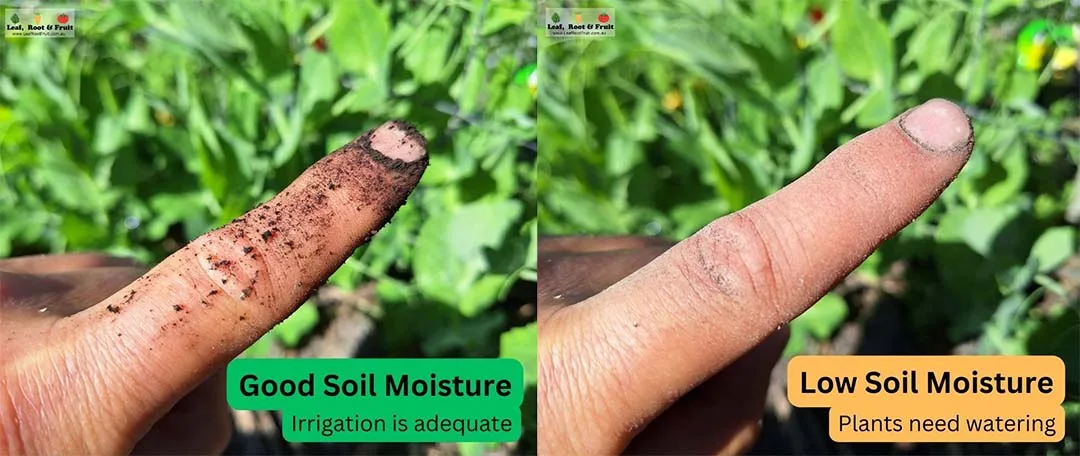
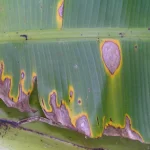
Image source: Web (Bing) / hhooww.com (Web image (fair-use with source credit))
How to Perform the Finger Test Correctly
Insert your index finger into the soil up to the second knuckle. This reaches the active root zone where moisture matters most. Do not rely on surface appearance or pot weight alone.
Soil crusts can deceive even experienced growers.
If the soil feels cool and damp, do not water. Moisture at this depth indicates adequate hydration. The droop likely stems from heat stress or root dysfunction.
Adding water now would worsen potential hypoxia.
If the soil feels completely dry and powdery, the plant needs water immediately. Dryness at knuckle depth confirms true drought stress. Water deeply until it flows from drainage holes.
Monitor recovery over the next two to four hours.
Using Tools for Better Accuracy
Soil moisture meters provide objective data when finger tests feel ambiguous. Insert the probe midway between the stem and container edge. Readings between four and seven typically indicate optimal moisture for Capsicum annuum.
Values above eight suggest dangerous saturation levels.
Calibrate your meter against manual checks periodically. Sensor accuracy degrades in salty or heavily amended soils. Aggregate reviews report inconsistent readings in pure coconut coir mixes.
Trust tactile feedback when tool readings contradict physical feel.
Consistency matters more than perfect precision. Test at the same time each morning for best trend data. Midday readings fluctuate wildly due to transpiration demand.
Morning baseline measurements reveal true soil status.
Is It Water, Heat, or Disease? Your Diagnostic Decision Tree
Diagnosing pepper droop requires following conditional logic based on your soil test results. Each branch leads to a specific cause and treatment path. Skip steps and you risk misdiagnosis.
Use this framework every time symptoms appear.
| Symptom Combination | Likely Cause | Immediate Action |
|---|---|---|
| Dry soil + limp leaves | Underwatering | Deep soak immediately |
| Wet soil + limp leaves | Root rot / Hypoxia | Stop watering, improve airflow |
| Moist soil + midday wilt only | Heat stress / High VPD | Provide shade, wait for evening |
| Wet soil + yellowing lower leaves | Chronic overwatering | Reduce frequency, check drainage |
| Sudden collapse + green leaves | Bacterial wilt / Borers | Remove plant, inspect stem base |
Branch One: Soil Is Dry
Dry soil confirms water deficit as the primary stressor. Check irrigation system functionality if plants were recently watered. Clogged emitters or hydrophobic peat moss often create false wetness.
Rewet slowly with surfactant-treated water if soil repels moisture.
Recovery should occur within two to six hours after proper watering. Persistent droop despite moist soil indicates root damage. Previous drought may have killed fine feeder roots.
New growth will emerge once roots regenerate.
Branch Two: Soil Is Wet
Wet soil with drooping signals root zone hypoxia or disease. Oxygen deprivation prevents roots from absorbing available water. The plant drowns while surrounded by moisture.
Cease all irrigation immediately to prevent further damage.
Check drainage holes for blockages or compaction. Elevate containers to encourage gravitational drainage. Gently loosen topsoil to increase gas exchange.
Recovery takes days or weeks depending on severity.
Branch Three: Soil Is Moist But Plant Wilts Midday
Temporary afternoon droop during hot weather is normal physiological response. High vapor pressure deficit drives transpiration beyond root supply capacity. Stomata close to conserve water, causing reversible wilt.
Leaves recover fully by evening without intervention.
Provide temporary shade if temperatures exceed 90°F consistently. Mulch heavily to buffer soil temperature swings. Avoid watering during peak heat to prevent steam damage.
Accept midday wilt as adaptation, not failure.
Fixing Overwatering and Root Rot Before It’s Too Late
Overwatering kills peppers by starving roots of oxygen, not by drowning them directly. Root zone hypoxia creates anaerobic conditions where pathogens thrive. Fine feeder roots die within hours of saturation.
Recovery depends entirely on restoring aerobic soil structure.
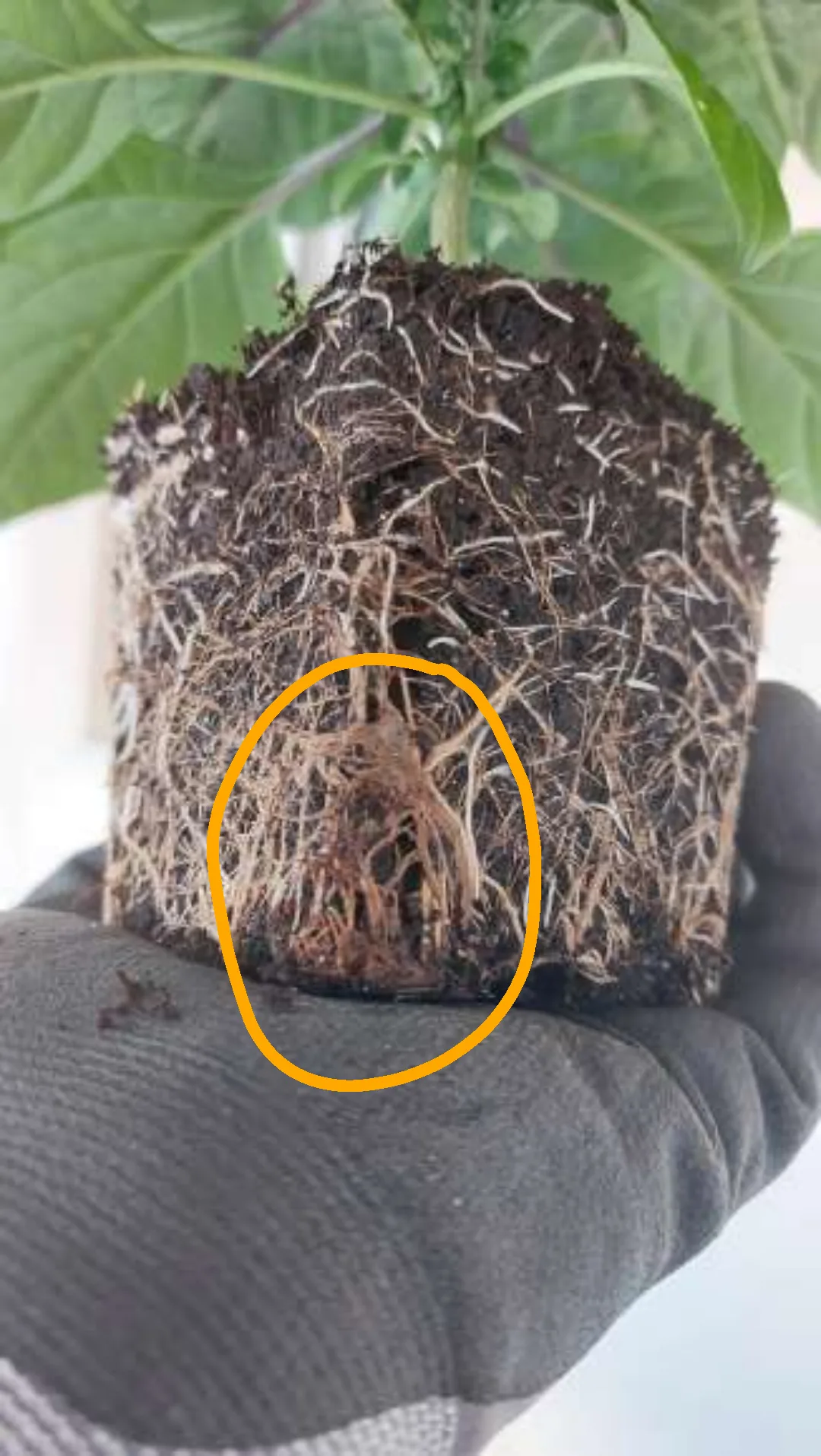
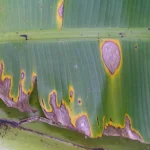
Image source: Web (Bing) / reddit.com (Web image (fair-use with source credit))
Restoring Oxygen to Saturated Roots
Stop watering immediately regardless of leaf condition. Allow soil to dry to field capacity before resuming irrigation. Field capacity means soil holds moisture but drains freely.
Squeeze a handful; it should form a ball that crumbles easily.
Increase air circulation around the root zone. Remove mulch temporarily to accelerate surface evaporation. Elevate pots on bricks or feet to unblock drainage.
For in-ground plants, gently fork soil surface without damaging shallow roots.
Treating Early Stage Root Rot
Mild root rot responds to cultural correction alone. Prune damaged foliage to reduce transpirational demand. Apply hydrogen peroxide solution (one part 3% H₂O₂ to ten parts water) as emergency drench.
This introduces oxygen while suppressing anaerobic pathogens.
Monitor new growth for signs of recovery. Healthy white roots regenerate within seven to fourteen days. Resume watering only when top two inches dry completely.
Use well-draining mix with perlite or pumice going forward.
When to Abandon Treatment
Severe root rot with blackened stems and foul odor is untreatable. Pathogens like Phytophthora spread rapidly through infected tissue. Remove and destroy affected plants immediately.
Do not compost diseased material.
Sterilize containers and tools before reuse. Solarize soil beds to reduce pathogen load. Rotate crops away from solanaceous family for two seasons.
Prevention costs far less than repeated losses.
Managing Underwatering, Heat Stress, and Transplant Shock
Water deficit and environmental stress require distinct interventions despite similar symptoms. True drought demands immediate rehydration. Heat stress requires microclimate modification.
Transplant shock needs patience and reduced demand.
Recovering from Severe Dehydration
Hydrophobic soil resists rewetting even with generous irrigation. Water runs through channels without reaching root mass. Pre-wet with diluted yucca extract or liquid soap solution.
These surfactants break surface tension and restore capillary action.
Apply water slowly in multiple small doses. Flood irrigation pushes air pockets deeper. Drip or trickle methods allow gradual absorption.
Cover soil with plastic wrap overnight to retain humidity during recovery.
Expect some leaf drop after severe drought events. Damaged tissue cannot recover turgor permanently. Focus energy on new growth points instead.
Fertilizer application should wait until active growth resumes.
Mitigating Heat and Vapor Pressure Deficit
High VPD forces water loss faster than roots can replace it. Shade cloth rated 30% to 50% reduces leaf temperature significantly. Install during forecasted heat domes exceeding regional norms.
Remove during cooler periods to maintain photosynthesis.
Mulch depth of two to three inches buffers soil temperature. Organic materials insulate better than gravel or stone. Keep mulch away from stem base to prevent rot.
Replenish as material decomposes throughout growing season.
Supporting Plants Through Transplant Shock
Newly set peppers droop as roots establish in native soil. This is expected and rarely fatal if managed properly. Maintain consistent moisture without saturation for first two weeks.
Temporary shade helps reduce establishment stress.
Avoid fertilizing until new growth appears. Salts burn tender emerging roots. Harden off seedlings gradually before permanent planting.
Seven to fourteen days of incremental exposure prevents shock.
When Drooping Means Trouble: Identifying Wilt Diseases and Pests
Some drooping indicates systemic infection or pest damage rather than cultural issues. These problems progress rapidly and require different responses. Early identification prevents garden-wide spread.
Misdiagnosis wastes critical treatment windows.
Recognizing Bacterial Wilt Symptoms
Ralstonia solanacearum causes sudden collapse while leaves remain green. Cut stems ooze milky bacterial slime when submerged. No recovery is possible once symptoms manifest.
Remove infected plants including root ball immediately.
This pathogen persists in soil for years without hosts. Avoid planting peppers or tomatoes in affected beds. Resistant cultivars offer partial protection only.
Sanitation prevents mechanical transmission via tools.
Spotting Fusarium and Verticillium Wilt
Fungal wilts cause progressive yellowing starting from lower leaves. Vascular discoloration appears when stems are split lengthwise. Symptoms worsen during warm daytime temperatures.
Cool nights may bring temporary relief.
No chemical cure exists for established infections. Soil solarization reduces inoculum density. Grafted plants onto resistant rootstock survive better.
Crop rotation breaks disease cycles effectively.
Checking for Stem Borers and Girdling
Insect larvae tunnel inside stems disrupting vascular flow. Entry holes show frass or sawdust-like debris. Wilting occurs above damage point only.
Split suspected stems to confirm presence.
Manual removal saves partially damaged plants. Inject BT-kurstaki into entry holes as biological control. Preventive sprays target adult moths during flight periods.
Row covers exclude egg-laying females effectively.
Prevention Workflows for Healthy Pepper Roots and Stable Turgor
Consistent soil moisture prevents most drooping episodes before they start. Reactive watering creates stress cycles that weaken plants over time. Establishing routines based on plant needs beats calendar schedules every time.
Prevention requires understanding your specific growing environment.
Building Soil That Drains Properly
Heavy clay soils hold water too long for pepper roots. Amend with coarse sand and compost at planting time. Raised beds provide superior drainage in wet climates.
Container mixes need thirty percent aeration material like perlite or pumice.
Test drainage rate before planting season begins. Dig a twelve-inch hole and fill with water. It should drain within two to four hours completely.
Slower drainage indicates need for additional amendment or elevation.
Mulch regulates moisture evaporation from soil surface. Apply two to three inches after soil warms in spring. Keep organic mulch away from stem base to prevent rot.
Replenish layers as material breaks down through summer.
Irrigation Timing and Method Best Practices
Morning watering allows foliage to dry before nightfall. Evening irrigation promotes fungal disease development. Drip systems deliver water directly to root zone efficiently.
Overhead spraying wastes moisture and increases leaf wetness duration.
Water deeply but less frequently to encourage deep rooting. Shallow daily sprinkling creates dependent surface roots. Aim for one inch per week including rainfall.
Adjust based on temperature and growth stage demands.
Use moisture sensors to automate irrigation decisions accurately. Timer-based systems ignore actual soil conditions. Smart controllers adjust schedules based on weather data.
Manual checks validate automated system performance regularly.
Nutrient Balance Supporting Root Health
Excess nitrogen promotes top growth over root development. Balanced fertilizers support overall plant resilience better. Calcium deficiency causes blossom end rot alongside drooping symptoms.
Test soil annually to guide amendment choices precisely.
Salt buildup from synthetic fertilizers damages root tissue. Flush containers monthly with plain water to leach salts. Organic fertilizers release nutrients slowly without salt risk.
Monitor electrical conductivity in hydroponic systems weekly.
Common Pepper Drooping FAQs
Why do my peppers droop only in afternoon sun?
Midday wilting is normal physiological response to high vapor pressure deficit. Transpiration exceeds root water uptake during peak heat. Plants recover fully by evening without intervention.
Provide temporary shade if temperatures exceed ninety degrees consistently.
Can overwatered pepper plants recover completely?
Recovery depends on how quickly you catch the problem. Mild hypoxia resolves when soil dries and oxygen returns. Severe root rot with blackened stems is usually fatal.
Early detection and improved drainage offer best recovery chances.
How often should I check soil moisture for peppers?
Daily morning checks establish baseline moisture patterns. Finger test or meter readings guide irrigation decisions accurately. Frequency increases during hot dry spells or fruiting stages.
Consistent monitoring prevents both drought stress and saturation damage.
Does transplant shock always cause drooping?
Some wilting is expected as roots establish in new soil. This typically lasts seven to fourteen days post-planting. Persistent severe droop indicates improper hardening off or root damage.
Maintain consistent moisture without saturation during establishment period.
Should I remove drooping leaves from pepper plants?
Leave mildly wilted leaves intact if they might recover. Remove only yellowed, diseased, or permanently damaged tissue. Pruning reduces photosynthetic capacity needed for recovery.
Focus energy on correcting underlying cause instead of cosmetic fixes.
What causes sudden pepper collapse with green leaves?
Bacterial wilt or stem borers cause rapid green-wilt syndrome. Cut stems reveal bacterial ooze or insect tunnels inside. No treatment exists for these systemic problems.
Remove infected plants immediately to protect remaining crop.

Similar Posts