Curry Leaf Tree Diseases: How to Spot and Treat Them
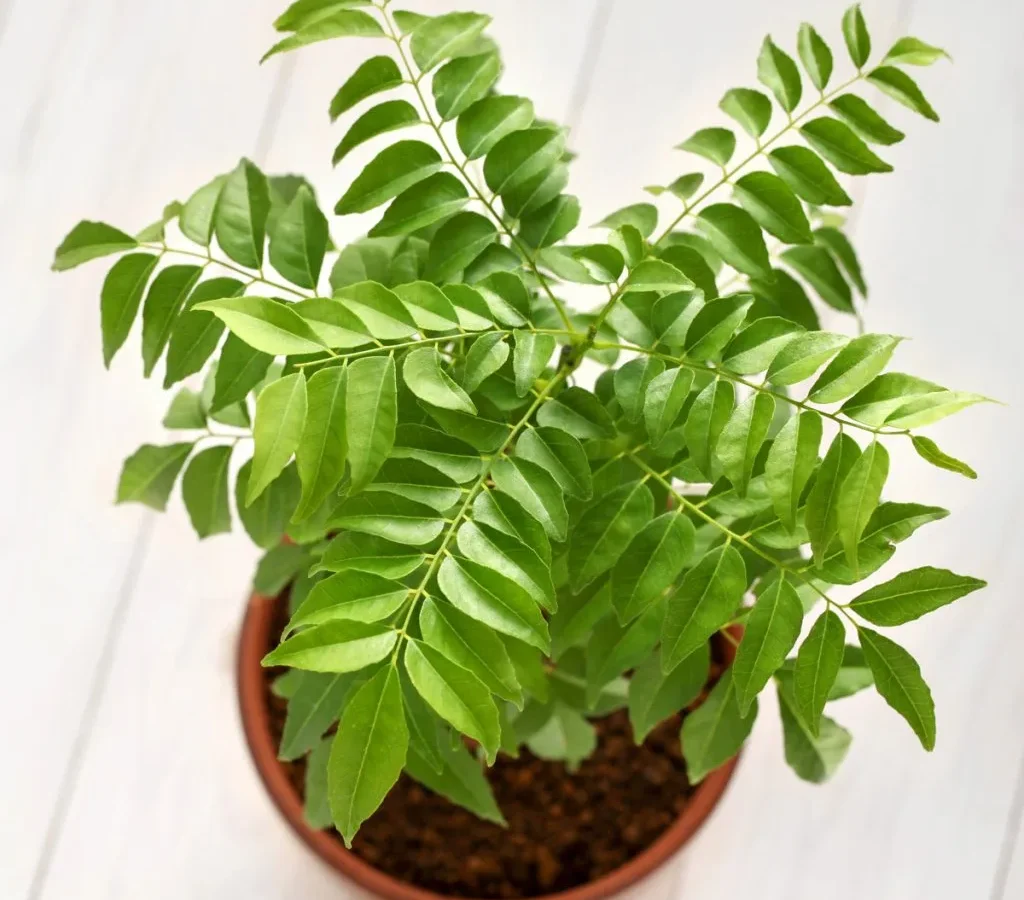
Curry leaf tree diseases can turn a thriving kitchen herb into a dying mess fast. If your Murraya koenigii is dropping leaves or turning yellow, you need a clear diagnostic path. Guessing usually makes things worse.
In our research, most indoor curry leaf trees fail from overwatering rather than actual pathogens. Per USDA APHIS guidelines, citrus greening disease remains the biggest outdoor threat as of 2026. Let's walk through exactly how to figure out what is killing your plant.
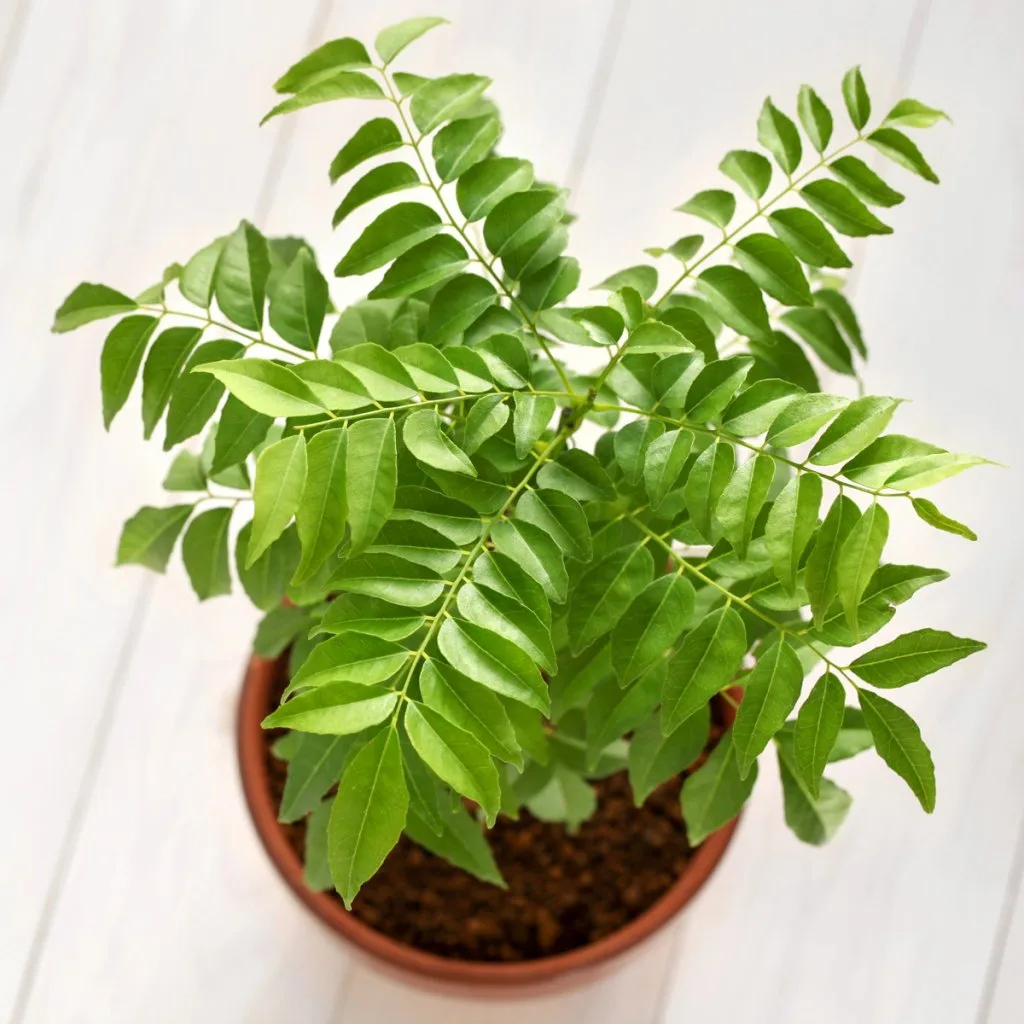
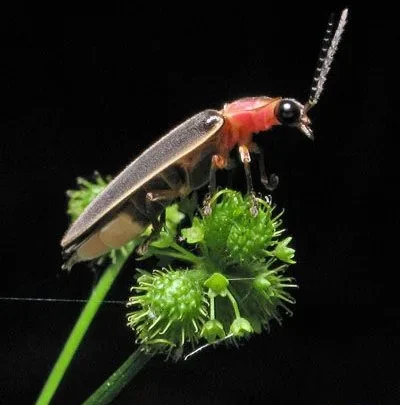
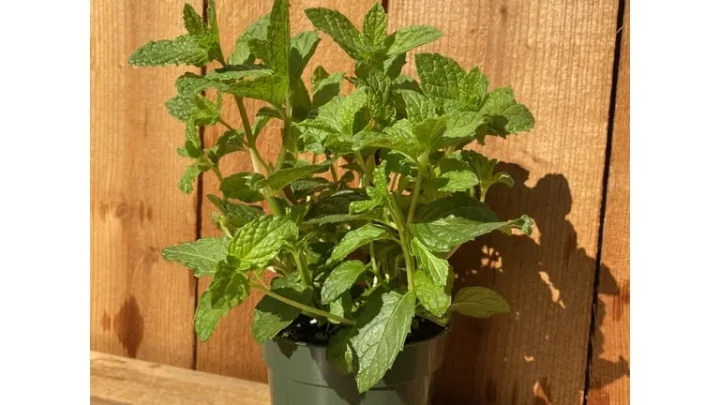
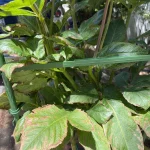
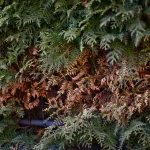
Image source: Web (Bing) / thekitchenherbs.com (Web image (fair-use with source credit))
Quick Answer
Curry leaf tree diseases include fungal spots and bacterial infections. Root rot happens when soil stays too wet. Citrus greening causes uneven yellow patterns on leaves.
Pests like psyllids spread these harmful bacteria quickly.
The 60-Second Triage: Figuring Out What’s Actually Wrong With Your Curry Leaf Tree
Start by looking at the newest growth first. Fungal issues and pests almost always attack tender new flushes before touching older wood. If the top leaves look fine but the bottom ones are dropping, you are likely dealing with environmental stress.
Next, touch the soil. Stick your finger about two inches down. If it feels soggy, root rot is your primary suspect.
If it is bone dry and the leaves are crispy, your watering schedule needs fixing.
Finally, check for sticky residue. Sap-sucking insects leave behind honeydew. That sticky mess eventually grows black sooty mold.
This simple three-step triage separates cultural problems from actual diseases in under a minute.
Here is a quick reference table to guide your initial inspection.
| Symptom | Where to Look | Most Likely Cause |
|---|---|---|
| Yellowing leaves | Entire plant or random branches | Nutrient deficiency or HLB |
| Black powdery coating | Top of older leaves | Sooty mold from pests |
| Mushy base | Soil line and roots | Root rot (Phytophthora) |
| White dusty spots | New flush growth | Powdery mildew |
| Tiny brown bumps | Underside of leaves | Scale insects |
Use this table as your starting point. Once you identify the general category, move to the specific decision branches below. Don't spray anything until you know what you are treating.
Branch 1: Yellowing Leaves (Nutrient Deficiency vs. Citrus Greening Disease)
Yellow leaves are the most confusing symptom you will face. They could mean your plant just needs iron. Or they could signal Huanglongbing (HLB), also called citrus greening disease.
Getting this wrong has serious legal consequences in places like Florida or Texas.
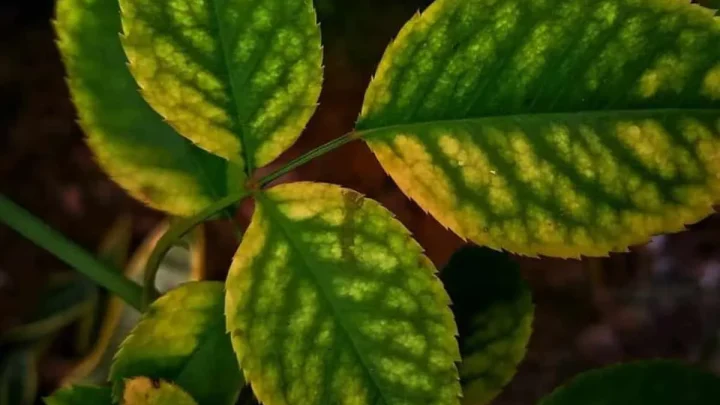
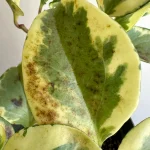
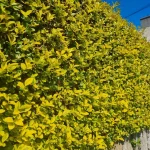
If the yellowing is uniform across the whole leaf, suspect a nutrient issue. Iron chlorosis shows up as pale leaves with dark green veins. This happens often in alkaline soils where the pH sits above 7.0.
The roots simply cannot absorb the minerals they need.
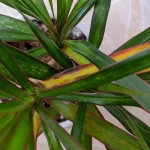
If the yellowing looks blotchy and asymmetrical, pay close attention. HLB creates a mottled pattern that does not mirror itself on either side of the leaf vein. The fruit stays small and tastes bitter, though curry leaf trees rarely fruit indoors.
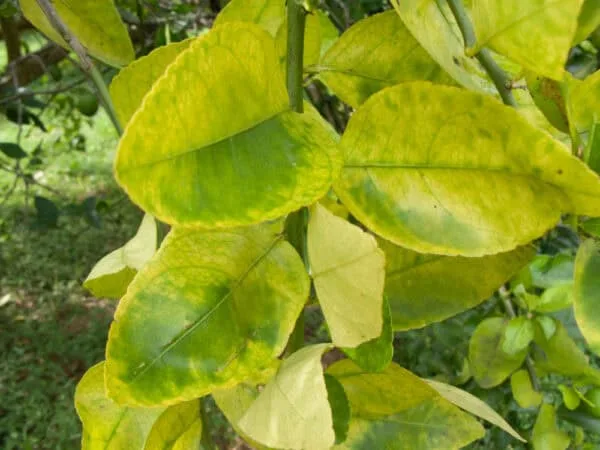
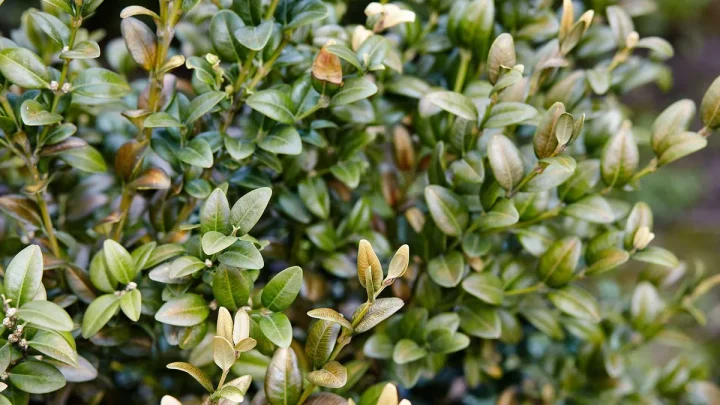
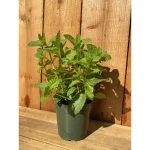
Image source: Bing (Web (fair-use with source credit))
The vector for this disease is the Asian citrus psyllid (Diaphorina citri). These tiny bugs feed on the sap and inject the Candidatus Liberibacter asiaticus bacteria directly into the plant. There is no cure once a tree is infected.
Here is the decision logic you should follow.
- If yellowing is symmetrical and veins stay green, then apply an acidic fertilizer or chelated iron. Wait two weeks to see if new growth improves.
- If yellowing is asymmetrical and blotchy, then isolate the plant immediately. Contact your local agricultural extension office for testing. Do not compost the material.
State agriculture departments take HLB incredibly seriously. Quarantine zones restrict moving plants across county lines. Always verify your local rules before transporting a sick curry tree.
Branch 2: Spots, Mold, and Dieback (Fungal Infections and Pest Damage)
Fungal diseases thrive when air stops moving and leaves stay wet. Powdery mildew (Oidium spp.) looks exactly like someone dusted flour on your plant. It favors high humidity but doesn't actually need standing water to spread.
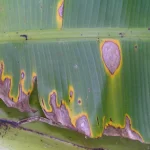
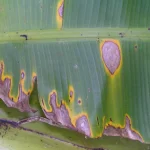
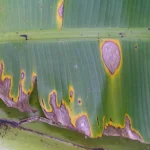
Leaf spot diseases work differently. Pathogens like Cercospora or Alternaria create distinct brown or black circles. Sometimes you will see concentric rings inside the spots.
Those lesions eventually dry out and fall through, leaving holes in the foliage.
Pests often cause damage that mimics fungal dieback. Spider mites suck the life out of leaves during winter months when indoor heating dries out the air. You won't see the mites easily.
You will see fine webbing between the leaflets and tiny yellow pinpricks.
Scale insects and mealybugs hide along the stems and midribs. They look like little bumps or cottony patches. As they feed, they excrete honeydew.
That sugar-rich waste attracts sooty mold, which coats the leaves in black grime and blocks photosynthesis.
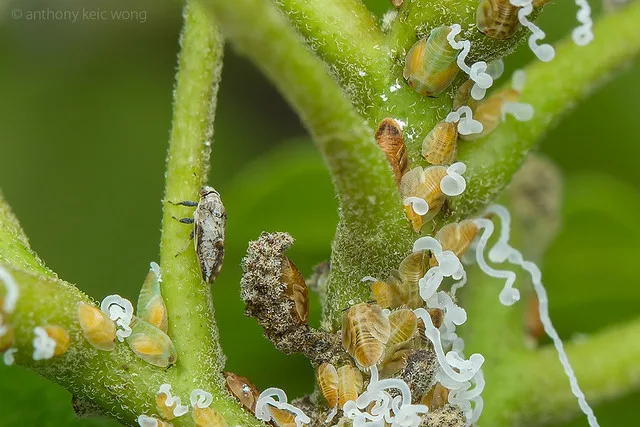
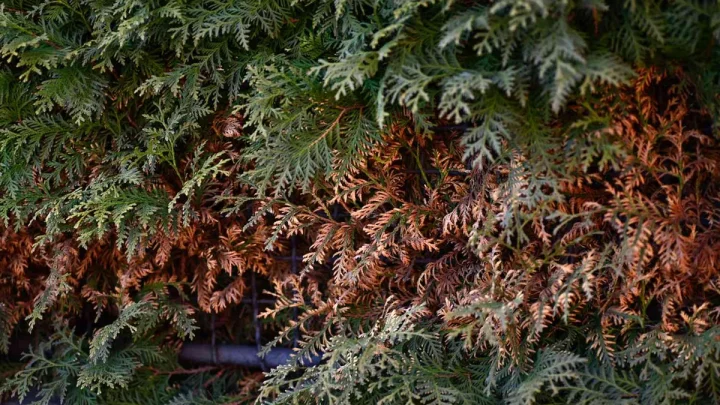
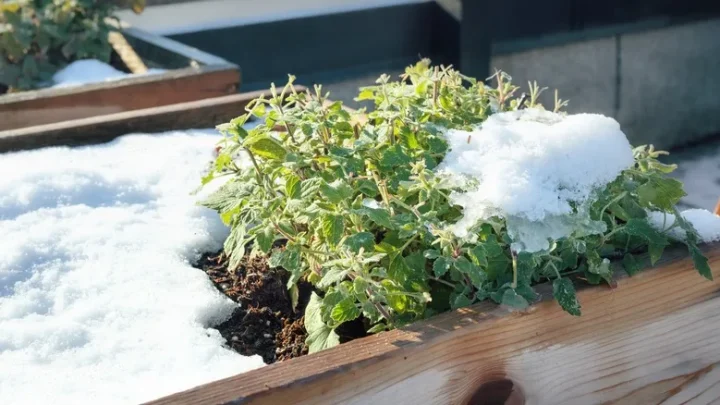
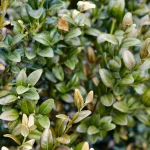
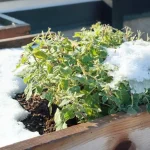
Image source: Web (Bing) / flickriver.com (Web image (fair-use with source credit))
Follow this workflow to treat visible spots and pests.
- If you see white powder on new growth, then improve airflow and apply a sulfur-based fungicide. Avoid spraying sulfur within two weeks of using horticultural oils.
- If you find dark circular spots with yellow halos, then prune the affected branches. Sterilize your shears with 70% isopropyl alcohol between every single cut. Apply a copper-based fungicide according to manufacturer specifications.
- If you notice sticky leaves or black soot, then hunt for the insects causing it. Wipe the leaves down with insecticidal soap. Treat the undersides where bugs hide.
Dieback at the branch tips usually means the infection moved past the leaves. Cut back to healthy green wood. Bag the diseased clippings and throw them in the trash.
Never leave infected debris sitting in the pot.
Branch 3: Root Rot and Soil Stress (Overwatering and Drainage Failures)
Root rot kills more container-grown curry leaf trees than any fungus on the leaves. Waterlogged soil suffocates the shallow root system. Anaerobic pathogens like Phytophthora and Pythium move in quickly once oxygen disappears.
You will notice the symptoms above ground first. The leaves turn pale and start dropping rapidly. The plant looks thirsty even though the soil is soaking wet.
That is because the rotted roots can no longer pull up water.
Smell the soil. Healthy dirt smells earthy and fresh. Rotting roots produce a sour, swampy odor.
If you gently tip the pot out, the roots will look brown and mushy instead of firm and white.
Poor drainage causes this almost every time. Heavy potting mixes hold too much moisture. Pots without drainage holes guarantee failure.
Even leaving a saucer full of water under the pot creates a perched water table that drowns the lower roots.
Cold temperatures make the problem worse. Curry leaf trees stop growing below 60°F. When they aren't actively growing, they drink very little water.
If you keep watering them on a summer schedule during winter dormancy, rot is inevitable.
Use this branching logic to save a drowning tree.
- If the soil smells sour and leaves drop while wet, then unpot the plant immediately. Wash away all the old soil. Trim off every brown, mushy root with sterilized scissors.
- If the remaining roots are mostly firm and white, then repot into a fast-draining mix. Use a blend heavy on perlite or pumice. Choose a pot only slightly larger than the root ball.
- If the entire root system is black slime, then the tree is gone. Take healthy stem cuttings from the top growth to propagate a replacement. Discard the soil and scrub the pot with bleach.
Prevention relies entirely on your watering habits. Let the top two inches of soil dry out completely before watering again. During winter, that might mean watering only once every three or four weeks.
Trust the soil moisture, not the calendar.
Treatment Workflow: Matching the Right Fix to the Diagnosis
Once you run through the triage steps and identify the exact problem, you need a solid action plan. Spraying random chemicals stresses the plant further. Every treatment should match the specific pathogen or pest you found.
Cultural controls come first. No chemical fixes bad airflow or soggy soil. Move your plant to a brighter spot with better circulation.
Adjust your watering schedule based on the season and temperature.
When you do need sprays, timing matters. Apply horticultural oils and neem oil early in the morning or late in the evening. Spraying oils in direct sunlight or above 85°F will burn the aromatic leaves.
The volatile oils in curry leaves already make them sensitive to chemical burns.
Here is how we break down the standard treatments based on aggregate extension recommendations.
- Neem oil: Works best as a preventative measure against soft-bodied pests and early fungal spores. It disrupts insect feeding and reproduction. Mix it with warm water and a drop of dish soap to emulsify it properly.
- Copper fungicides: Use these for active bacterial or stubborn fungal leaf spots. Copper is a contact killer. It must coat the surface before the spores land. Reapply after heavy rain outdoors or every 7 to 14 days indoors.
- Insecticidal soap: Perfect for spider mites, aphids, and young scale crawlers. It works by breaking down the cell membranes of soft insects. It has zero residual effect, meaning you must hit the bugs directly to kill them.
- Systemic insecticides: Reserved for severe, persistent infestations like armored scale. The plant absorbs the chemical through its roots. Any bug that feeds on the sap dies. Keep these far away from edible harvests due to safety intervals.
Always read the label for pre-harvest intervals if you cook with your leaves. Some products require you to wait several days or weeks before harvesting safely. Wash all treated leaves thoroughly under running water before tossing them into a pan.
Mistakes That Kill Curry Leaf Trees Faster Than the Disease
Overwatering is the fastest way to kill a stressed curry leaf tree. When you see leaves dropping, your first instinct might be to water more. That reaction drowns roots already struggling for oxygen.
Let the top two inches of soil dry out completely between waterings.
Spraying horticultural oils in direct sunlight causes severe chemical burns. Neem oil and insecticidal soaps magnify UV rays on the foliage. The volatile oils in Murraya koenigii make the leaves extra sensitive to heat damage.
Always apply treatments early in the morning or late in the evening.
Failing to sterilize pruning shears spreads pathogens across healthy branches. If you cut through a fungal lesion and move straight to green wood, you just inoculated it. Wipe your blades with 70% isopropyl alcohol between every single cut.
This takes seconds and saves the whole plant.
Ignoring quarantine rules for citrus greening disease puts entire regions at risk. Moving an infected plant across county lines violates USDA APHIS regulations. HLB has no cure once established.
If you suspect Huanglongbing, contact your local university extension office immediately instead of trying to hide the symptoms.
Using heavy garden soil in containers guarantees root rot. Standard topsoil compacts tightly and holds water like a sponge. Curry leaf trees need fast drainage to survive in pots.
Mix standard potting media with equal parts perlite or pumice to keep the root zone aerated.
Skipping the pre-harvest interval after applying chemical sprays is a major safety hazard. Copper fungicides and systemic insecticides leave residues on edible leaves. Check the manufacturer label for the exact number of days you must wait before harvesting.
Wash all treated foliage thoroughly under running water before cooking.
Frequently Asked Questions
Why are my curry leaf tree leaves turning yellow?
Yellow leaves usually point to overwatering, nutrient deficiency, or citrus greening disease. Uniform yellowing with green veins indicates iron chlorosis caused by alkaline soil. Blotchy, asymmetrical yellow patterns suggest HLB bacterial infection.
Check your soil moisture and pH before assuming the worst.
How do you treat fungus on a curry leaf tree?
Start by pruning away heavily infected branches using sterilized shears. Improve airflow around the plant by spacing it away from other foliage. Apply a copper-based fungicide according to the manufacturer dilution rates.
Repeat applications every 7 to 14 days until new growth emerges clean.
What pests attack curry leaf plants?
Asian citrus psyllids, spider mites, scale insects, and mealybugs are the most common culprits. Psyllids are particularly dangerous because they vector the bacteria causing citrus greening. Spider mites thrive in dry indoor environments during winter heating months.
Treat soft-bodied pests with insecticidal soap applied directly to the insects.
Can a curry leaf tree recover from root rot?
Recovery depends entirely on how much of the root system remains firm and white. Unpot the plant immediately and wash away all soggy soil. Trim off every brown, mushy root with clean scissors.
Repot the surviving roots into a highly porous mix heavy on perlite.
Is neem oil safe for curry leaf trees?
Neem oil is safe when applied correctly and kept away from intense sunlight. It works well as a preventative treatment against powdery mildew and soft-bodied pests. Never spray neem oil when temperatures exceed 85°F.
The natural volatile compounds in the leaves can react poorly to excessive heat.
Should I throw away a curry tree with citrus greening?
Yes, if HLB is confirmed by agricultural authorities, the tree cannot be saved. There is currently no cure for Candidatus Liberibacter asiaticus infections. Keeping the plant alive risks spreading the bacteria to nearby citrus crops via psyllid vectors.
Bag the entire plant securely and follow local disposal mandates.

Similar Posts