Does Mosquito Spray Kill Fireflies? What You Need to Know
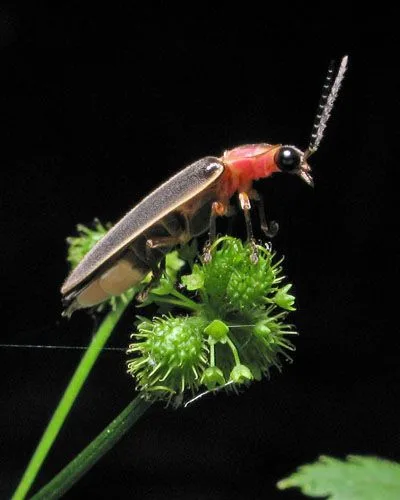
Yes, mosquito spray kills fireflies when they contact treated surfaces. Most residential sprays contain pyrethroids that are highly toxic to beetles. Fireflies absorb these neurotoxins through their feet and body while resting on vegetation.
Even products labeled as natural can eliminate local populations quickly.
Image source: Bing (Web (fair-use with source credit))
Research from university extension programs confirms broad-spectrum insecticides cause significant non-target mortality. Per EPA toxicity classifications, permethrin is categorized as highly toxic to beneficial insects like Lampyridae. We will break down exactly which chemicals pose risks and how to manage mosquitoes without destroying your backyard ecosystem.
Quick Answer
Most mosquito sprays kill fireflies on contact. Pyrethroid ingredients are lethal to beneficial beetles. Toxicity persists on treated surfaces for weeks.
Larvicides like Bti spare adult fireflies safely. Always check active ingredients before spraying outdoors.
How Common Mosquito Chemicals Affect Firefly Biology
Pyrethroids disrupt nerve function in all insects indiscriminately. These synthetic chemicals mimic natural pyrethrins but last much longer outdoors. Fireflies are beetles, making them exceptionally vulnerable to sodium channel modulators.
Exposure causes rapid paralysis and death within minutes of contact.
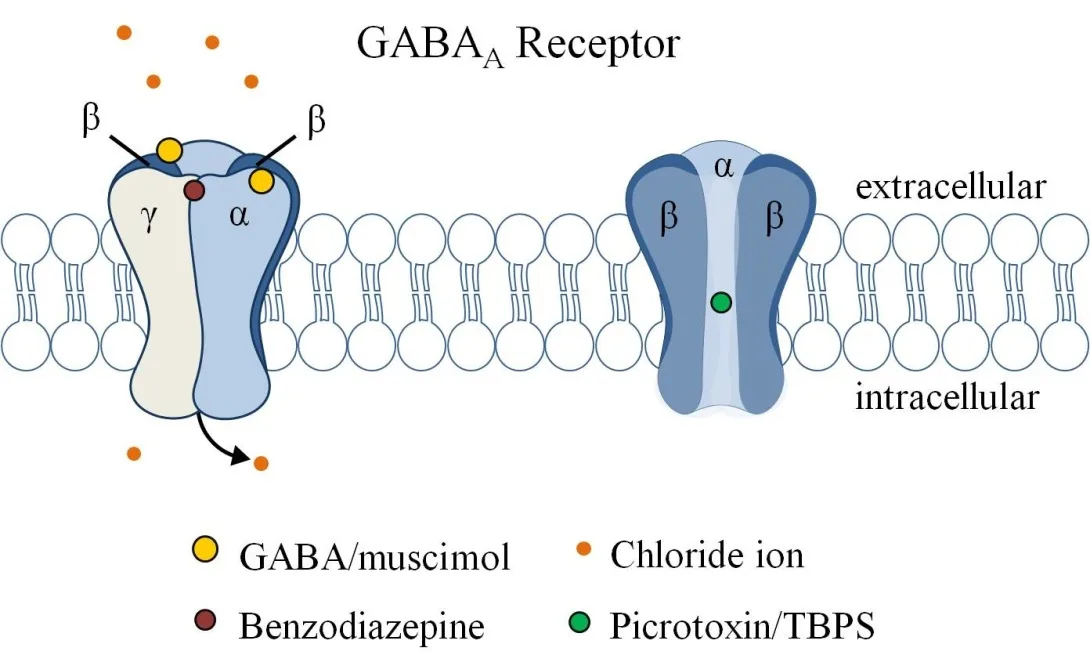
Image source: Web (Bing) / intechopen.com (Web image (fair-use with source credit))
Residual toxicity creates a hidden danger zone in your yard. Sprayed foliage remains lethal to landing fireflies for days or weeks. Males searching for mates cannot distinguish treated plants from safe ones.
Females laying eggs in soil may encounter contaminated ground barriers.
Why Botanical Options Still Pose Risks
Many homeowners assume plant-based sprays are harmless to beneficials. This assumption frequently leads to accidental population crashes. Natural pyrethrins degrade faster than synthetics but remain acutely toxic initially.
They kill fireflies just as effectively as synthetic versions upon direct exposure.
Oil of lemon eucalyptus and DEET function differently than area sprays. These personal repellents deter rather than kill on contact. However, concentrated applications can still harm non-target species.
Misapplying personal repellents as area treatments amplifies ecological damage significantly.
Understanding mode of action helps predict collateral damage. Neurotoxins affect all insects with similar nervous systems. Selectivity is largely a myth in broad-spectrum adulticides.
Only targeted larvicides offer true species-specific safety profiles.
Which Products Are Safest for Non-Target Beetles?
Safety depends entirely on the active ingredient listed on the label. No area spray is completely risk-free for flying beneficials. Some formulations dramatically reduce non-target mortality compared to others.
Choosing correctly requires reading beyond marketing claims on the front of the bottle.
| Active Ingredient | Firefly Risk Level | Primary Use Case | Residual Duration |
|---|---|---|---|
| Permethrin | High | Barrier sprays | 2 to 4 weeks |
| Bifenthrin | High | Lawn treatments | 4 to 8 weeks |
| Pyrethrins | Moderate to High | Quick knockdown | Hours to 1 day |
| Picaridin | Low | Personal repellent | 4 to 8 hours |
| Bti | None | Standing water | 7 to 14 days |
| Methoprene | Very Low | Larval control | 21 to 30 days |
Bacillus thuringiensis israelensis stands out as the gold standard for safety. This biological larvicide targets only mosquito and black fly larvae. Adult fireflies never encounter it since it stays in water sources.
University research consistently shows zero impact on terrestrial beetles.
Methoprene offers another low-risk option for standing water. It mimics juvenile hormones to prevent mosquito maturation. Adult insects including fireflies lack receptors for this growth regulator.
Using IGRs breaks the breeding cycle without harming pollinators.
Personal repellents keep bugs off you without broadcasting toxins. Picaridin and IR3535 have minimal environmental persistence. Apply these directly to skin or clothing instead of landscapes.
This strategy protects both humans and beneficial insect populations simultaneously.
Application Timing and Methods That Reduce Harm
Timing matters as much as product selection for protecting fireflies. These beetles are most active at dusk during mating season. Spraying during peak activity guarantees maximum non-target casualties.
Schedule any necessary applications for mid-morning when fireflies shelter in leaf litter.
Spot treatment beats broadcast spraying every time ecologically. Identify specific mosquito breeding or resting zones first. Treat only those limited areas rather than entire properties.
Leaving untreated refuges allows firefly populations to persist and recolonize.
Creating Safe Zones Through Strategic Buffering
Establish chemical-free buffers around known firefly habitats. Avoid spraying within twenty feet of dense shrubbery or woodlines. Maintain unsprayed corridors connecting different garden sections.
These pathways enable safe movement between mating and feeding grounds.
Wind drift carries fine droplets far beyond intended targets. Never apply liquid sprays when winds exceed five miles per hour. Morning calm typically offers the most stable atmospheric conditions.
Granular formulations reduce drift potential significantly compared to aerosols or foggers.
Re-entry intervals protect more than just human health. Respect label-mandated drying times before allowing pets outside. Wet residues transfer easily to fur and paws.
Dry surfaces generally pose lower acute toxicity risks to wandering beetles.
Effective Mosquito Control Alternatives That Spare Fireflies
Source reduction delivers the highest return on investment for safety. Eliminating standing water removes breeding sites permanently. Clean gutters, empty plant saucers, and fix drainage issues weekly. Without larvae, you avoid needing adulticides that harm fireflies entirely.
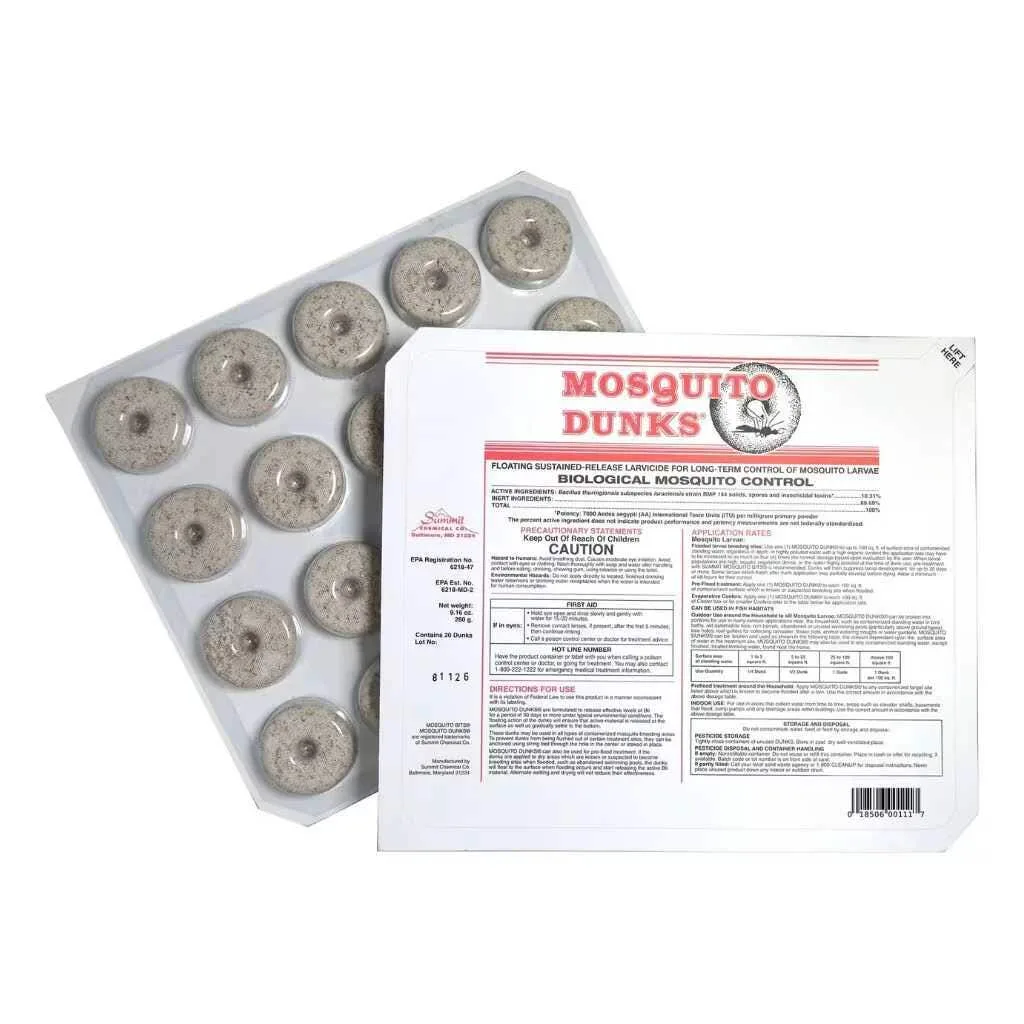
Image source: Bing (Web (fair-use with source credit))
Biological controls work with nature rather than against it. Mosquitofish consume larvae in ornamental ponds without affecting terrestrial insects. Beneficial nematodes target soil-dwelling pest stages selectively.
Installing bat houses encourages natural predation of adult mosquitoes overhead.
Mechanical barriers provide relief without chemical consequences. High-velocity fans disrupt mosquito flight near patios and decks. Fine mesh screening encloses porches while allowing airflow.
CO2 traps lure host-seeking females away from gathering areas effectively.
Landscaping choices influence local mosquito pressure naturally. Dense ground covers retain moisture that favors breeding. Thinning vegetation improves air circulation and reduces humidity.
Planting windbreaks creates microclimates less hospitable to biting flies. Integrating these cultural practices reduces reliance on sprays over time.
Critical Safety Rules and Label Compliance
The label is legally binding and scientifically specific. Ignoring application rates violates federal law under FIFRA regulations. Overdosing does not improve mosquito control efficacy.
It only increases toxic load for non-target species like fireflies.
Reading Beyond the Front Marketing Claims
Active ingredients determine actual ecological impact, not brand names. Products marketed as "backyard safe" may still contain bifenthrin. Always flip the bottle to read the fine print first.
Verify the chemical class matches your safety goals before purchasing.
Signal words indicate acute toxicity levels to humans and wildlife. "Caution" suggests lower immediate risk than "Warning" or "Danger." Even caution-labeled products can devastate beetle populations cumulatively. Never assume low human toxicity equals environmental safety for beneficials.
Pollinator protection language appears on many modern insecticide labels. These statements specifically address risks to bees and other beneficials. Follow all buffer zone and timing restrictions listed explicitly.
Violating these provisions endangers local firefly breeding success directly.
Proper disposal prevents secondary contamination of habitats. Empty containers retain residue that leaches into soil over time. Triple-rinse spray equipment away from storm drains or ditches.
Store remaining product in original packaging to maintain label access.
Record keeping helps track cumulative chemical exposure. Note dates, products, and weather conditions for each application. This data reveals patterns in non-target impacts over seasons.
Adjust future strategies based on observed firefly population responses.
Frequently Asked Questions About Fireflies and Pesticides
Do citronella candles harm fireflies?
Citronella candles pose minimal direct toxicity to fireflies. The smoke acts as a mild spatial repellent rather than contact poison. Concentrations near open flames are too low for lethal effects.
However, excessive candle use creates localized air quality issues. Stick to EPA-registered repellents for reliable personal protection without ecological guilt.
Can I spray my yard if I see fireflies at night?
Never spray during active firefly flight periods at dusk. Adults are most vulnerable when seeking mates on vegetation. Wait until mid-morning when they hide deep in leaf litter.
Better yet, switch to larvicides that target mosquitoes in water. Preserving mating adults ensures next year's population survives your pest management efforts.
Are foggers worse than pump sprays for beneficial insects?
Foggers create fine droplets that drift unpredictably through landscapes. This increases non-target exposure significantly compared to directed sprays. Pump sprayers allow precise targeting of specific resting zones.
Fogging entire yards broadcasts toxins indiscriminately across habitats. Choose targeted applications whenever possible to minimize collateral damage to beetles.
Will Bti dunks hurt firefly larvae in moist soil?
Bti targets only aquatic dipteran larvae like mosquitoes. Firefly larvae are terrestrial beetles with different biology entirely. They lack the specific gut receptors required for Bti activation.
You can safely treat standing water near firefly habitats. This makes Bti the ideal choice for integrated mosquito management programs.
How long should I wait after spraying before fireflies return?
Pyrethroid residues remain toxic for weeks on shaded surfaces. Recovery depends on rainfall, sunlight, and application rate. Populations may take an entire season to rebound fully.
Some local extinctions never recover without reintroduction efforts. Prevention through selective products always beats waiting for natural recolonization.
Do essential oil sprays kill fireflies?
Concentrated essential oils can harm soft-bodied insects on contact. Peppermint and clove oils show insecticidal properties in studies. Diluted formulations used as repellents pose lower risks.
Avoid broadcasting undiluted oils across garden beds. Test small areas first to assess non-target impacts before widespread use.

Similar Posts