Why Are My Boxwoods Turning Yellow? Causes & Fixes
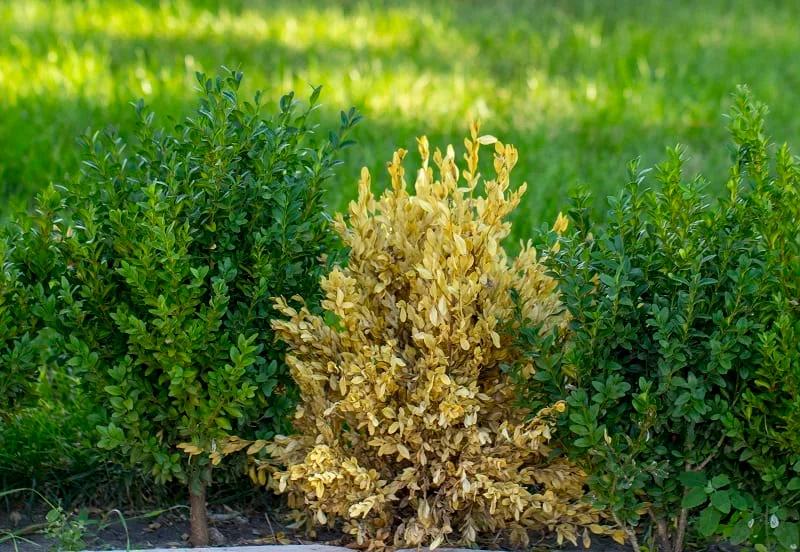
Seeing your boxwoods turn yellow is stressful, but the cause usually follows a predictable pattern. Most cases stem from water stress, nutrient lockout, or specific fungal pathogens rather than random decline.
Boxwoods thrive in soil with a pH between 6.5 and 7.0, per university extension standards. We will walk through a diagnostic workflow to identify your specific issue before you spend money on treatments.
Quick Answer
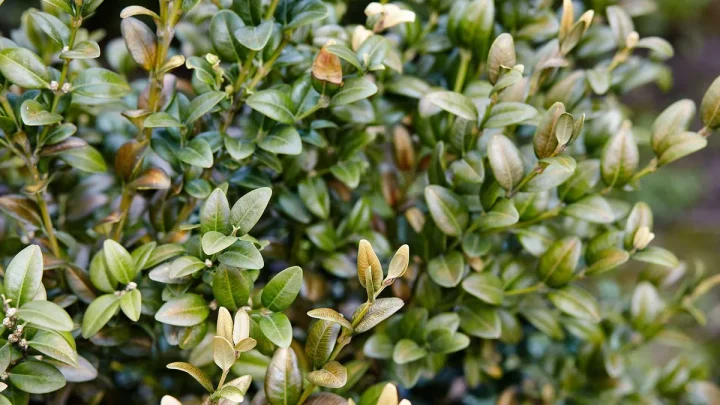
My boxwoods are turning yellow due to drainage issues, nutrient deficiency, or disease. Check soil moisture and pH levels first. Winter burn causes bronzing on sun-exposed sides.
Root rot creates wet soil and blackened roots. Nematodes cause stunted growth in sandy soils. Test before treating to avoid wasting products.
Image source: Bing (Web (fair-use with source credit))
The 3-Step Diagnostic: Timing, Pattern, and Root Zone Check
Yellowing leaves mean different things depending on when they appear and where they show up. You cannot fix the problem until you narrow down these three variables. Skipping this step leads to misdiagnosis and wasted effort.
When did the yellowing start?
Timing is your first major clue. Symptoms appearing in late winter or early spring usually point to environmental stress like winter burn or desiccation. Yellowing that emerges during summer heat often signals root rot or nematode activity.
Fall discoloration might simply be natural senescence of older inner leaves. Sudden yellowing after heavy rain suggests acute drainage failure. Gradual decline over months typically indicates chronic nutrient deficiency or slow-spreading disease.
Where is the damage located?
The pattern tells you if the issue is systemic or localized. Uniform yellowing across the entire shrub often means soil pH imbalance or nitrogen deficiency. Yellowing only on the south or west face points directly to winter burn or sun scorch.
Tips turning yellow while bases stay green suggests tip blight or salt damage. Inner leaves yellowing first is frequently just normal aging or poor light penetration. Random patches of yellow indicate fungal infection or pest pressure.
What does the root zone reveal?
You must inspect the soil and roots to confirm above-ground symptoms. Dig gently near the base to check moisture levels and root color. Healthy boxwood roots should be firm and light tan or white.
Dark, mushy, or foul-smelling roots confirm Phytophthora root rot. Dry, brittle roots despite recent rain suggest hydrophobic soil or girdling roots. Galled or knotted roots indicate nematode infestation.
Soil testing confirms pH and nutrient availability.
Branch 1: Winter Burn and Environmental Stress (Abiotic Causes)
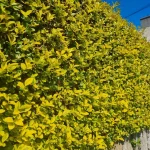
If your boxwoods turned yellow or bronze in late winter, environmental stress is the likely culprit. This damage occurs when frozen ground prevents roots from replacing water lost to wind and sun. It is not a disease, so fungicides will not help.
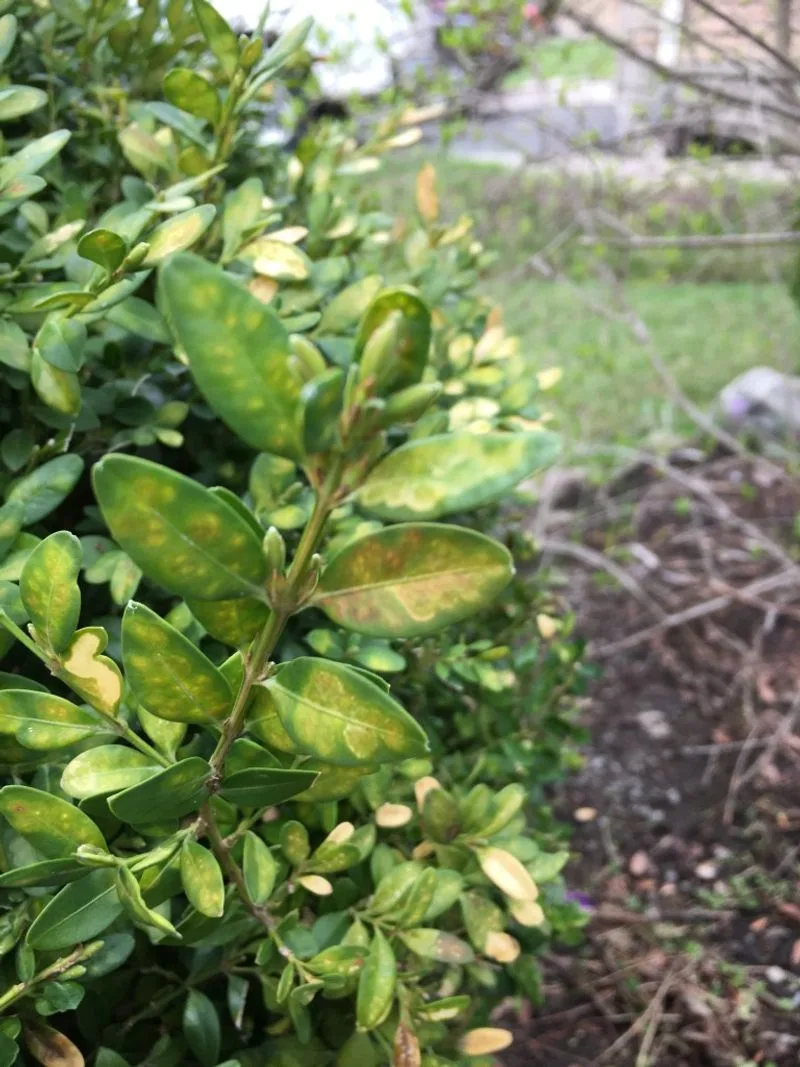
Image source: Web (Bing) / outdoorplantcare.com (Web image (fair-use with source credit))
Identifying winter burn patterns
Winter burn affects foliage exposed to direct sunlight and drying winds. The south and west sides of hedges typically show the worst damage. Shaded sides often remain perfectly green.
Damaged leaves may appear bleached, scorched, or reddish-bronze rather than true yellow. The tissue feels dry and crisp to the touch. New growth underneath may still be viable even if outer leaves look dead.
Distinguishing from salt damage
Salt injury mimics winter burn but has distinct markers. Damage concentrates on roadside-facing branches or areas near de-iced walkways. Leaf margins brown first before progressing inward.
Soil salinity tests confirm excess sodium or chloride levels. Flushing the root zone with fresh water helps leach accumulated salts. Installing physical barriers prevents future spray drift.
Salt-tolerant alternatives exist for high-risk zones.
Recovery and prevention steps
Do not prune damaged tissue immediately in spring. Wait until new growth emerges to see what actually recovers. Premature cutting exposes tender tissue to late frosts.
Apply anti-desiccant sprays in late fall before ground freezes. Ensure deep watering continues until soil temperatures drop below 40°F. Mulch conserves moisture and moderates soil temperature fluctuations.
Windbreaks reduce transpiration rates significantly.
Branch 2: Nutrient Deficiencies and Soil pH Imbalance
Nutrient issues cause gradual, uniform yellowing that worsens over seasons. Boxwoods are particularly sensitive to pH levels outside their preferred range. When soil becomes too acidic or alkaline, nutrients become chemically unavailable regardless of fertilizer applications.
Iron chlorosis vs nitrogen deficiency
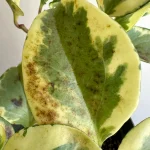
Iron chlorosis produces interveinal yellowing where veins stay green. New growth shows symptoms first because iron is immobile in plant tissue. High pH above 7.2 locks out iron even when present in soil.
Nitrogen deficiency causes overall pale green to yellow coloring. Older leaves yellow first as the plant mobilizes nitrogen to new growth. Tissue testing showing less than 1.8% nitrogen confirms deficiency.
Both conditions require different corrections.
Testing before amending
Never add amendments without a current soil test. Guesswork wastes money and can worsen imbalances. University extension labs provide accurate pH and micronutrient analysis for minimal cost.
Collect samples from multiple locations around affected plants. Mix them for a representative composite sample. Results typically return within two weeks with specific recommendations.
Follow lab guidance rather than generic advice.
Correcting pH safely
Raising pH requires agricultural lime applied at calculated rates. Lowering pH uses elemental sulfur or aluminum sulfate cautiously. Changes happen slowly over months, not days.
Overcorrection damages roots and microbial life. Split applications prevent shocking the system. Retest six months after amendment to track progress.
Foliar iron sprays offer temporary relief while soil adjustments take effect.
Branch 3: Root Rot, Nematodes, and Blight (Biotic Threats)
When cultural factors are ruled out, biotic pathogens demand immediate attention. These issues spread and kill if left untreated. Early identification separates salvageable plants from those requiring removal.
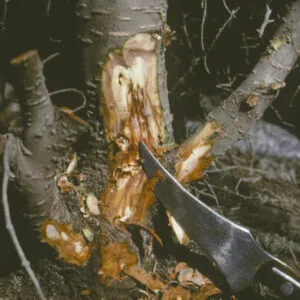
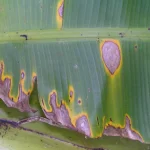
Image source: Web (Bing) / hortsense.cahnrs.wsu.edu (Web image (fair-use with source credit))
Phytophthora root rot identification
This water mold thrives in saturated, poorly drained soils. Above-ground symptoms include dull yellowing, wilting despite moist soil, and branch dieback. Roots turn dark brown to black and slough off easily.
Lab confirmation is essential before applying expensive fungicides. Many abiotic issues mimic these symptoms visually. Submit root and soil samples to diagnostic clinics listed by USDA APHIS.
Positive results guide targeted chemical intervention.
Nematode damage indicators
Root-knot nematodes cause stunting, yellowing, and reduced vigor in sandy soils. Plants fail to respond to irrigation or fertilization. Galls or knots form on fine feeder roots upon inspection.
Soil assays quantify juvenile populations per 100cc volume. Thresholds above 500 warrant action. Resistant cultivars or complete removal may be necessary.
Chemical nematicides have strict application restrictions and limited homeowner availability.
Boxwood blight recognition
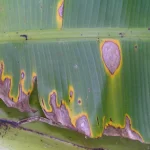
Calonectria pseudonaviculata causes rapid leaf spotting, defoliation, and stem cankers. Dark brown lesions with concentric rings distinguish it from other fungi. White sporulation appears under humid conditions.
Infected material requires immediate bagging and disposal. Never compost blighted debris. Sanitize tools between cuts with 70% alcohol or 10% bleach solution.
Quarantine protocols vary by state, so check local regulations before moving any plant material.
Treatment Protocols: Matching the Fix to the Diagnosis
Applying treatments without confirming the cause wastes money and risks plant health. Each diagnosis requires a specific protocol with distinct timing and materials. Using the wrong product can accelerate decline rather than reverse it.
Cultural corrections for abiotic stress
Environmental issues require physical changes, not chemicals. Improve drainage by grading soil away from foundations or installing French drains. Reduce mulch depth to two inches maximum and keep it away from stems.
Adjust irrigation schedules based on actual soil moisture readings. Water deeply but infrequently to encourage deep rooting. Anti-desiccant sprays applied in late fall reduce winter moisture loss significantly.
Recovery takes one full growing season even after corrections are made.
Nutrient amendment strategies
Soil test results dictate exact amendment types and rates. Apply lime or sulfur in split applications over multiple seasons to avoid shock. Use chelated iron for immediate foliar correction while soil pH adjusts slowly.
Slow-release nitrogen sources prevent salt burn and leaching losses. Avoid high-phosphorus fertilizers that further lock out micronutrients. Retest soil annually until levels stabilize within optimal range.
Over-fertilizing stressed plants causes more harm than good.
Disease management options
Phytophthora requires improved drainage plus targeted fungicide drenches. Products containing phosphorous acid or mefenoxam show efficacy when applied preventively. Curative applications have limited success once crown rot develops.
Nematode-infested sites often require complete removal and solarization. Resistant cultivars like ‘Green Velvet’ offer long-term solutions for problem areas. Blight management demands strict sanitation and protective fungicide rotations.
Always follow label directions precisely for safety and legal compliance.
| Diagnosis | Primary Treatment | Recovery Timeline | Success Rate |
|---|---|---|---|
| Winter Burn | Pruning + Hydration | 6-12 Months | High |
| Iron Chlorosis | Chelated Iron + Sulfur | 3-6 Months | Moderate-High |
| Root Rot | Drainage + Fungicide | 12-18 Months | Low-Moderate |
| Nematodes | Removal + Resistant Cultivar | N/A | Replacement Only |
| Boxwood Blight | Sanitation + Fungicide | Variable | Low |
Common Misdiagnoses That Kill Boxwoods Faster Than Disease
Misreading symptoms leads to interventions that worsen the underlying problem. We see this repeatedly in cases where well-intentioned care accelerates decline. Recognizing these traps saves valuable specimens and prevents unnecessary expense.
Fertilizing diseased roots
Adding fertilizer to Phytophthora-infected plants burns compromised root systems. The salts draw moisture from already failing tissues and increase osmotic stress. Pathogens also exploit excess nutrients to multiply faster.
Always confirm root health before feeding. If roots are dark or mushy, focus solely on drainage and fungicides. Resume fertility programs only after new white root growth appears.
Patience here prevents total loss.
Pruning winter burn too early
Cutting back bronzed foliage in March exposes viable buds to late frosts. Many seemingly dead branches recover fully once sap flows in warmer weather. Premature pruning removes this protective layer unnecessarily.
Wait until mid-May or when new growth clearly emerges. Scratch bark with a thumbnail to check for green cambium underneath. Remove only tissue that is definitively brown and brittle throughout.
This restraint preserves recovery potential.
Treating blight as leaf spot
Volutella canker and boxwood blight look similar but require different responses. Generic fungicides effective against Volutella fail completely against Calonectria pseudonaviculata. Delaying proper treatment allows blight to spread through entire hedges.
Submit samples to diagnostic labs when uncertain. Sterilize tools between every cut regardless of suspected pathogen. Bag and dispose of all debris immediately rather than composting.
Accurate identification protects neighboring plantings from catastrophic infection.
Ignoring soil compaction
Yellowing in high-traffic areas often stems from crushed pore space rather than disease. Compacted soil suffocates roots and prevents water infiltration despite adequate rainfall. Aerating mechanically restores gas exchange and drainage capacity.
Vertical mulching creates channels for air and water penetration. Top-dressing with coarse sand maintains porosity long-term. Redirect foot traffic with physical barriers or stepping stones.
Without addressing compaction, other treatments provide only temporary relief.

Similar Posts