Dracaena Marginata Yellow Leaves: Causes & How to Fix Them
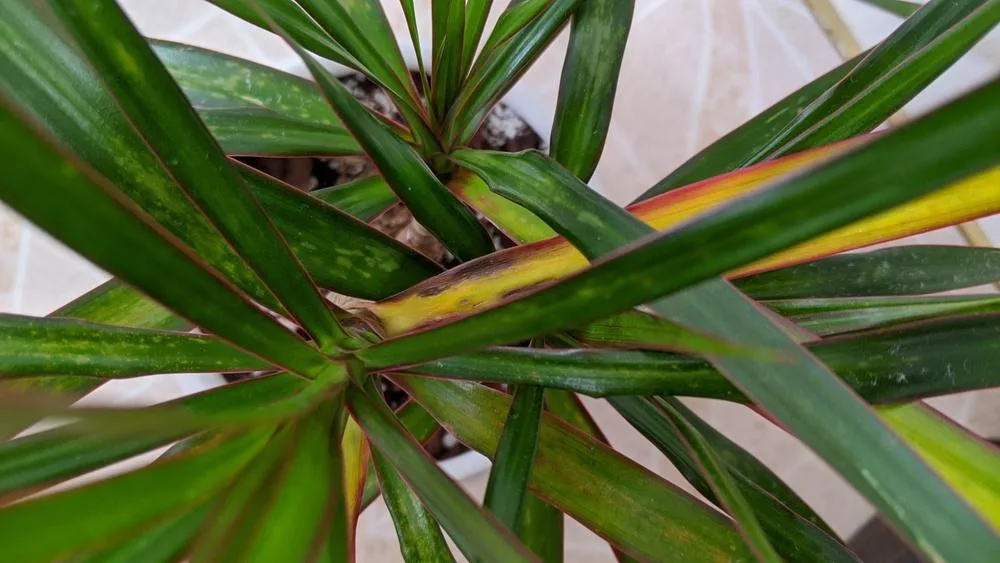
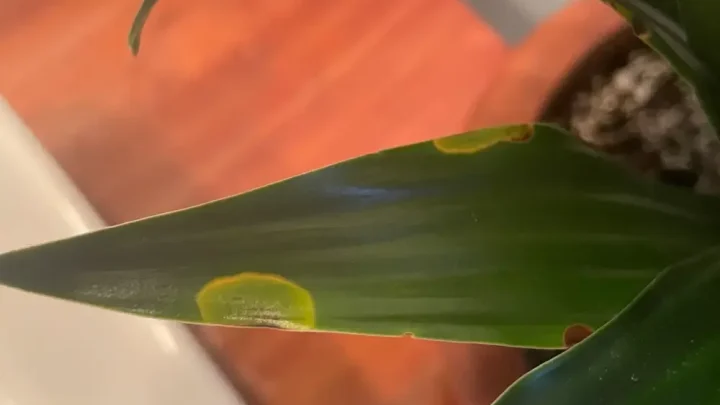
Seeing dracena marginata yellow leaves usually means your dragon tree is stressed by its water, light, or soil. This plant stores moisture in its woody cane, so it reacts slowly but clearly when something goes wrong. You just need to read the signs correctly.
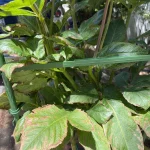
Image source: Bing (Web (fair-use with source credit))
In our research, fluoride toxicity from tap water is the most overlooked cause of chlorosis in these plants. University extension programs confirm that Dracaenas cannot process municipal water chemicals safely. The minimum temperature tolerance for this species is 50°F (10°C), and cold drafts trigger rapid leaf drop as of 2026.
Let's figure out exactly what your plant needs right now.
Quick Answer
Dracena marginata yellow leaves signal environmental stress. Overwatering causes soft, mushy foliage. Fluoride in tap water burns leaf tips.
Natural aging only affects the lowest leaves. Fix the specific trigger to stop the yellowing.
Why Your Dracaena Marginata Leaves Are Turning Yellow
Yellowing leaves on a Madagascar dragon tree happen for very specific reasons. The plant uses foliar chlorosis as a distress signal. It shuts down older leaves first to protect the growing crown.
Your job is identifying which variable triggered that shutdown.
If you guess the wrong cause, you will likely kill the plant faster. Adding more water to an overwatered root system accelerates rot. Flushing dry soil with heavily fluoridated tap water just adds chemical burns to drought stress.
We have to isolate the exact problem first.
The main culprits fall into four categories. These are water quality, watering volume, light exposure, and natural senescence. Senescence simply means the normal aging and dropping of old basal leaves.
Everything else requires you to change your care routine immediately.
Think of this as a diagnostic workflow. You check one condition at a time. If the symptom matches, you apply the fix.
If it does not match, you move to the next branch. This method prevents the panic watering that ruins most houseplants.
The 60-Second Triage: Soil, Texture, and Leaf Pattern
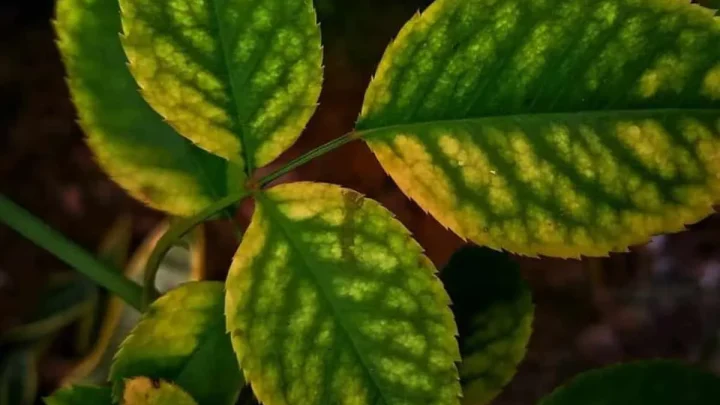
You need three pieces of data before making any decisions. Check the soil moisture, feel the leaf texture, and look at the yellowing pattern. This quick triage separates abiotic stress from normal growth.

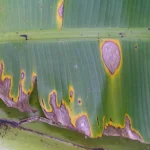
Image source: Bing (Web (fair-use with source credit))
Push your finger two inches into the potting mix. Bone dry soil points toward underwatering or hydrophobic dirt. Soggy soil confirms root asphyxiation.
Damp soil means water volume is fine, so you should suspect water quality or light issues.
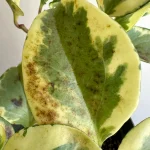
Next, pinch the yellow leaf gently. Mushy or limp tissue means the cells are flooded and breaking down. Crispy, papery edges mean the plant desiccated.
This tactile difference instantly splits your troubleshooting path in half.
Finally, observe where the damage sits on the cane. Bottom leaves turning yellow alone is normal aging. Top leaves turning pale indicates severe light deprivation or systemic poisoning.
Marginal spotting along the red edges almost always points to mineral buildup.
| Symptom | What to Feel | What to Check | Likely Branch |
|---|---|---|---|
| Bottom leaves falling | Dry, normal texture | Crown health | Natural senescence |
| Brown crispy tips | Papery, brittle | Water source | Fluoride toxicity |
| Whole leaf pale yellow | Soft, limp, heavy | Soil moisture depth | Overwatering |
| Curling inward | Thin, crackling | Pot weight | Underwatering |
Use this table as your starting map. Match your physical observations to the left column. Then follow the corresponding branch below to find your exact solution.
Do not skip steps here.
Decision Branch 1: Fluoride Toxicity vs. Natural Basal Senescence
Is the yellowing limited to the lowest leaves while the top stays green? If yes, your dragon tree is just shedding old growth. Apical dominance forces the plant to push energy upward.
You can safely ignore this.
Pull the dead leaves off near the cane. Use sterilized pruning shears wiped with rubbing alcohol. Leaving rotting debris on the soil surface invites fungal gnats.
Otherwise, do absolutely nothing to change your routine.
If the yellowing includes dark brown, crispy tips on multiple leaves, you have fluoride toxicity. Municipal water treatment facilities add fluoride and chlorine to drinking supplies. Dracaenas lack the enzymes to process these chemicals safely.
They accumulate in the leaf margins until the tissue dies.
Switch your water source immediately. Distilled water or reverse osmosis filtered water works best. Rainwater is another excellent option if you can collect it safely.
Leaving tap water out for 24 hours evaporates chlorine, but it does nothing for fluoride.
Once you switch water sources, flush the existing soil. Run a heavy volume of distilled water through the pot to leach out trapped mineral salts. Let it drain completely.
New growth will emerge clean, though the damaged brown tips will never turn green again.
Decision Branch 2: Overwatering Root Rot vs. Hydrophobic Underwatering
Are the yellow leaves soft, limp, and dropping rapidly from the middle of the cane? If yes, the roots are suffocating. Dracaena marginata has a shallow root system that demands high oxygen levels.
Heavy, wet soil blocks that airflow entirely.
Stop watering immediately. Check the bottom of the pot for drainage holes. If there are none, repot the plant today into a container that drains freely.
Standard potting soil holds too much moisture for this species without added perlite.
If the soil smells sour or swampy, root rot caused by Pythium or Fusarium fungi has already started. Unpot the plant carefully. Cut away any black, slimy roots using sterile scissors.
Repot the remaining healthy roots into a chunky mix containing 30 percent orchid bark.
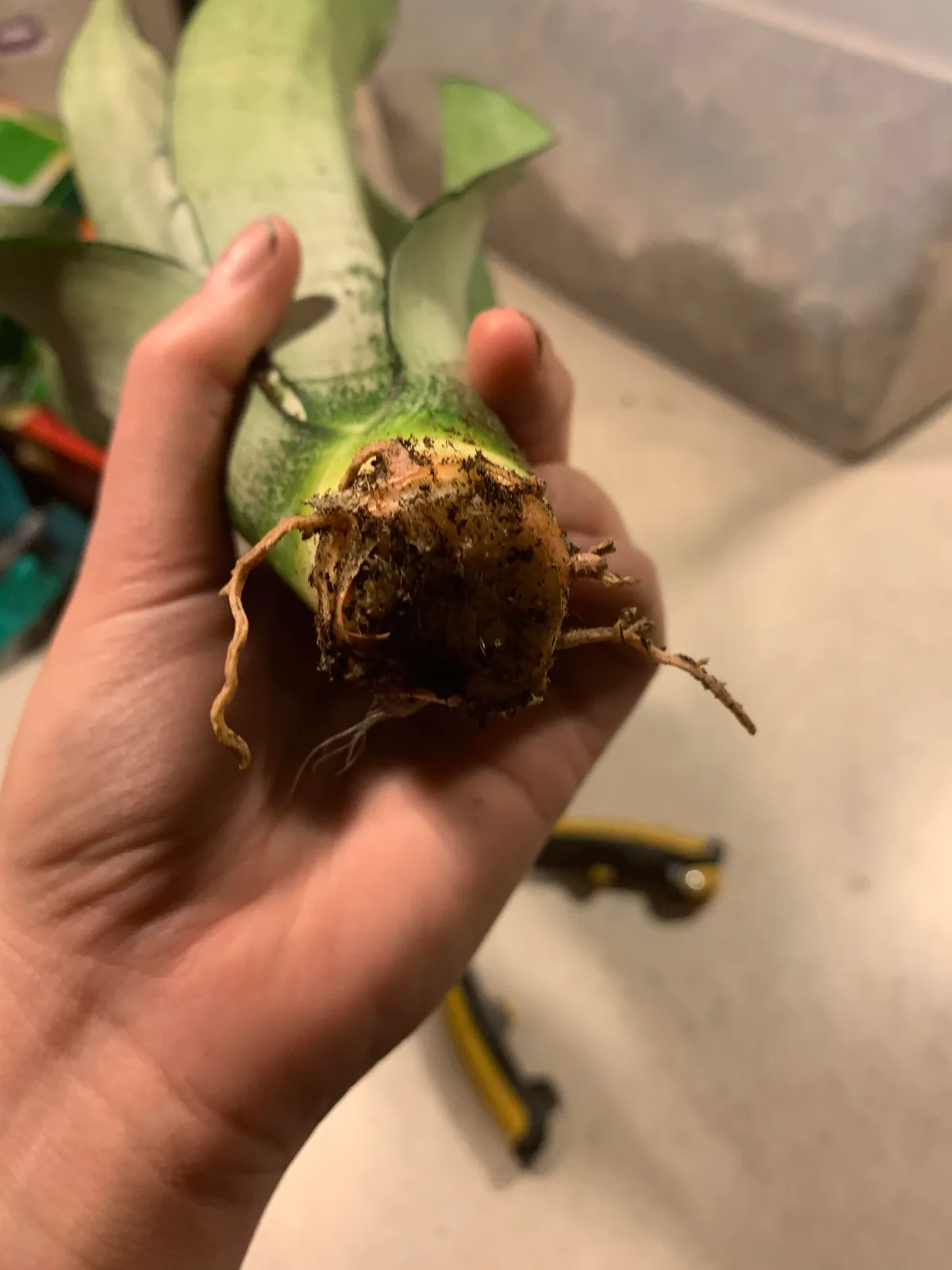
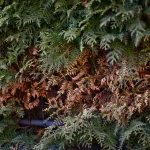
Image source: Web (Bing) / jk.alisonself.com (Web image (fair-use with source credit))
On the other hand, are the leaves curling inward, feeling brittle, and turning pale yellow all over? If yes, you have underwatered the plant severely. The soil has likely become hydrophobic, meaning it repels liquid instead of absorbing it.
When soil dries out completely, it pulls away from the pot edges. Water poured on top just runs down the sides and exits the drainage hole. The root ball stays totally dry even after a heavy watering session.
This triggers rapid desiccation.
Fix this using the bottom watering submersion technique. Fill a basin with room temperature distilled water. Set the entire pot inside the basin for 30 minutes.
The soil will absorb moisture upward through the drainage holes. Remove it and let it drain thoroughly before putting it back in its spot. Going forward, water only when the top three inches of soil feel completely dry.
Decision Branch 3: Light Stress, Cold Drafts, and Spider Mites
Is the plant sitting in a dim corner far from any windows? If yes, the pale yellowing comes from light starvation. The plant cannot photosynthesize enough to maintain its older foliage.
Growth slows down dramatically, and leaves drop to conserve energy.
Move the dragon tree closer to an east facing window. Bright indirect light mimics the dappled shade of its native Madagascar habitat. Avoid direct afternoon sun hitting the glass.
Intense rays will bleach the leaves white and scorch the tissue permanently.
If the yellowing happened suddenly during winter, check for cold drafts. Temperatures dropping below 50°F (10°C) shock the woody cane. Proximity to drafty doors or forced air heating vents causes rapid leaf loss.
Relocate the plant to a stable, warm interior space away from HVAC registers.
Finally, inspect the undersides of the leaves closely. Look for tiny stippled yellow dots or fine webbing near the base of the foliage. This indicates spider mites feeding on the plant sap.
They thrive in dry indoor air and cause widespread discoloration quickly.
Wipe the leaves down with a damp cloth to physically remove the pests. Follow up with an application of insecticidal soap according to the product label. Repeat the treatment every five days until the mites disappear.
Increasing ambient humidity slightly helps deter future infestations.
How to Prune Yellow Leaves Safely and Flush the Soil
A fully yellow leaf on a dragon tree will never turn green again. The plant wastes energy trying to keep dying tissue alive. Removing it redirects resources straight back to the healthy crown.
You just need to do it cleanly.
Grab a sharp pair of pruning shears or scissors. Wipe the blades thoroughly with isopropyl rubbing alcohol before making any cuts. This prevents spreading bacterial pathogens from one leaf to another.
Never snap leaves off by hand, as tearing damages the woody cane.
If the entire leaf is yellow, cut it close to the main trunk. Leave a tiny sliver of the base so you do not gouge the bark. If only the margins are brown from fluoride burns, trim just the dead edges.
Follow the natural pointed shape of the blade so it looks neat.
Once the damaged foliage is gone, flush the soil if you suspect mineral buildup. Take the pot to a sink or bathtub. Pour a large volume of distilled water slowly through the top of the soil.
Let it run freely out the bottom drainage holes for several minutes.
This leaching process washes away trapped fertilizer salts and toxic minerals. It works best when the soil is already slightly moist. Do this every three months if you live in an area with heavily treated municipal water.
Always let the pot drain completely before putting it back in its spot.
Common Mistakes That Keep Dragon Trees Sick
The most frequent error we see in aggregate user reviews is watering on a strict calendar schedule. Dracaena marginata does not care what day of the week it is. It only drinks when the top three inches of soil are completely dry.
Watering every Sunday guarantees root rot during winter months when transpiration slows down.
Another major mistake is using standard potting soil straight out of the bag. These tropical plants evolved in well draining forest floors. Dense peat based mixes hold moisture against the roots far too long.
Always amend the dirt with 30 percent perlite or fine orchid bark to create air pockets.
People also tend to panic fertilize when they see yellow leaves. Fertilizer feeds a growing plant, but it cannot fix environmental stress. Applying liquid nutrients to a sick root system just adds more chemical salts to the soil.
Stop all feeding until the plant pushes out fresh green growth on its own.
Finally, placing the pot directly under an air conditioning vent causes rapid temperature drops. These canes tolerate normal indoor humidity fine, but they despise cold drafts. Sudden blasts of chilled air trigger immediate leaf drop.
Move the plant to a stable room where temperatures stay above 65°F (18°C) consistently.
| Common Mistake | What Actually Happens | The Correct Fix |
|---|---|---|
| Calendar watering | Roots suffocate in wet soil | Check soil depth first |
| Heavy potting mix | Zero oxygen reaches the roots | Add perlite or bark |
| Fertilizing sick plants | Salt burn destroys weak roots | Wait for new growth |
| AC vent placement | Cold shock forces leaf drop | Relocate to stable air |
Frequently Asked Questions
Should I pull yellow leaves off my Dracaena marginata?
Yes, you should remove them once they turn fully yellow. Leaving dead foliage invites pests and fungal issues. Use sterilized scissors to snip the leaf near the cane.
Never rip it off, because tearing damages the woody trunk tissue.
Can yellow Dracaena leaves turn green again?
No, a leaf that has lost its chlorophyll completely will not recover. The plant shuts down those cells permanently to conserve energy. Your goal is stopping the remaining green leaves from turning yellow.
Identify the specific stress trigger and correct your care routine immediately.
How often should I water a Madagascar dragon tree?
Water only when the top two to three inches of soil feel completely dry. In bright summer conditions, this might happen every ten days. During winter dormancy, the soil might stay damp for three weeks.
Always rely on the finger test rather than a set schedule.
Is tap water safe for Dracaena marginata?
Standard tap water usually harms this specific plant over time. Municipal supplies contain fluoride and chlorine that cause tip burn and marginal yellowing. Switch to distilled water, rainwater, or reverse osmosis filtered water.
If you must use tap water, filter it through a carbon block first.
Why is my dragon tree dropping leaves from the bottom?
Losing the lowest leaves one at a time is natural senescence. The plant sheds old growth to push energy toward the top crown. However, if multiple bottom leaves turn yellow and drop rapidly, check your soil moisture.
Consistently wet dirt points directly to early stage root rot.

Similar Posts