Snake Plant Spots: Causes, Fixes & Prevention Guide
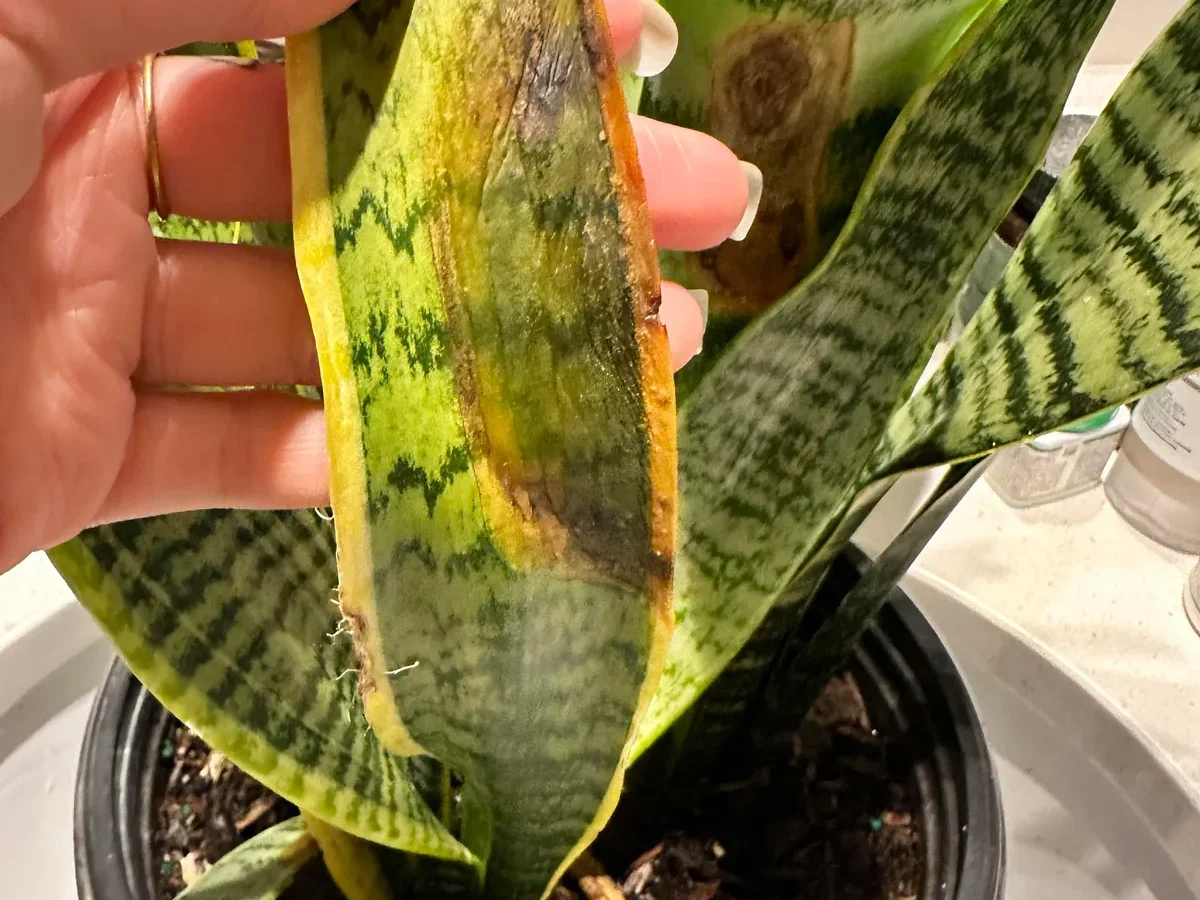
Finding spots on snake plant leaves usually means something in your care routine needs adjusting. The spots themselves are just a symptom of a deeper issue like overwatering, pests, or fungal infection. You need to look closely at the color and texture to figure out what is actually happening.
Snake plants (Dracaena trifasciata) store water in their thick leaves, making them highly sensitive to excess moisture. Per Clemson Cooperative Extension guidelines, these plants need soil that dries completely between waterings to prevent rot. Let's walk through exactly how to diagnose those marks and save your plant.
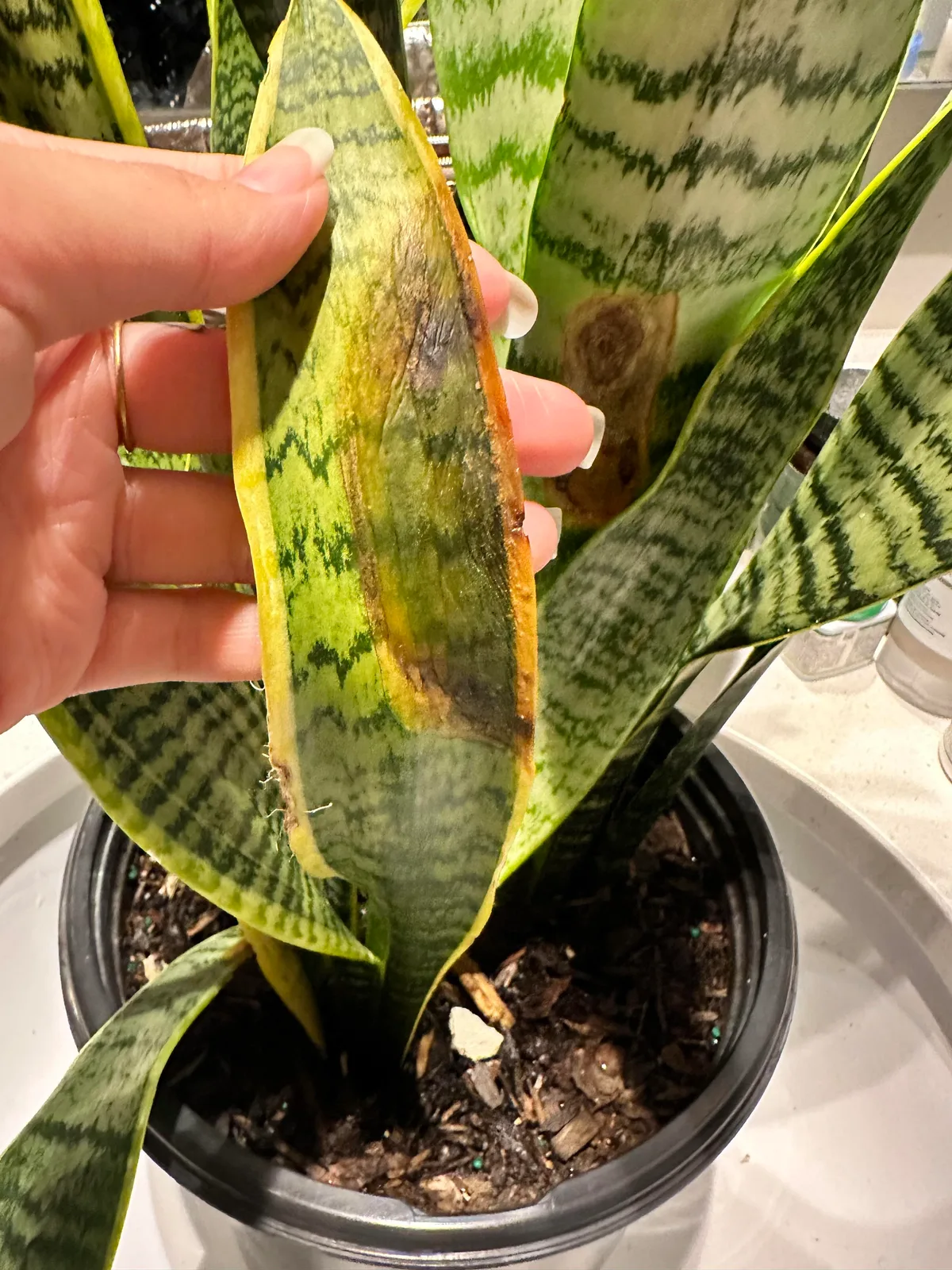
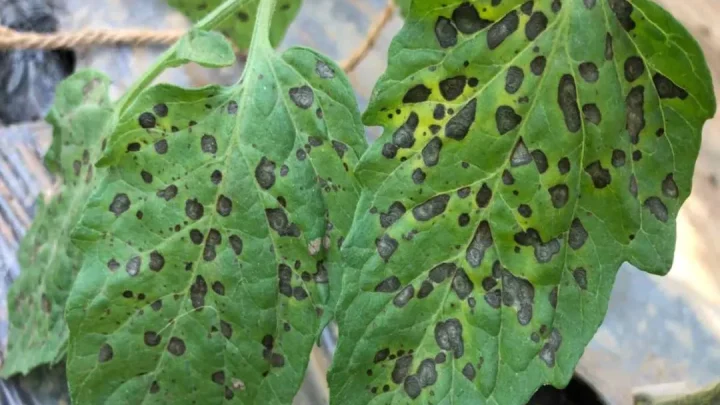
Image source: Bing (Web (fair-use with source credit))
Quick Answer
Spots on snake plant leaves signal stress or disease. Brown mushy spots mean root rot from overwatering. Red raised bumps indicate a fungal rust infection.
White dry patches usually point to sunburn or pest damage.
Why Your Snake Plant Has Spots (And How to Figure Out Which Kind)
Your snake plant has spots because its environment or care routine triggered a specific reaction. That reaction might be biological, like a fungus taking hold. It could also be physical, like cold air damaging the cell walls.
Figuring out the exact cause requires looking at three things. You need to check the color, the texture, and where the spot sits on the leaf.
Generic advice often tells you to just water less. That works if the spots are brown and mushy at the base. It does absolutely nothing if your plant has red rust pustules spreading across the upper leaves.
Misdiagnosing the problem wastes time while the infection spreads to your other houseplants.
We have found that most indoor growers panic when they see the first mark. Take a breath. A single dry spot near the tip might just be mechanical damage from bumping into a wall.
Widespread spotting with yellow halos is a different story entirely. That pattern points directly to an active pathogen.
Start by touching the spot gently. Press it with your thumb. If it feels soft or leaks fluid, you are dealing with rot or bacterial soft rot.
If it feels hard, corky, or slightly raised, you might be looking at edema or a fungal issue. Edema happens when the roots absorb water faster than the leaves can release it. The cells burst and form permanent corky blisters.
Next, look at the soil. Stick your finger about two inches down. If it feels wet and you last watered a week ago, overwatering is almost certainly your culprit.
Snake plants thrive on neglect. They prefer sitting in bone dry soil for weeks rather than days. Constant moisture suffocates the roots and invites pathogens like Fusarium and Pythium.
Finally, consider the plant's location. Did you recently move it from a dim corner to a bright windowsill? Sudden light changes cause sun scorch.
Those spots show up as large, bleached, crispy patches. They will not spread, but they will not heal either. The damaged tissue is dead.
The Spot Diagnostic: Color, Texture, and Location Tell You Everything
Diagnosing the problem comes down to matching what you see against known symptoms. Every type of spot has a distinct signature. Use this decision tree to narrow down the cause quickly.
Look at the table below to match your plant's symptoms to the right issue.
| Spot Color | Texture | Location | Most Likely Cause |
|---|---|---|---|
| Brown or black | Mushy, soft | Base of leaves, soil line | Root rot, overwatering |
| Red or orange | Raised, powdery pustules | Upper and lower leaf surfaces | Red rust (Puccinia sansevieriae) |
| White or pale | Dry, crispy, flat | Leaf tips, edges facing window | Sun scorch, cold drafts |
| Tiny yellow/white dots | Flat, stippled | Scattered randomly across leaf | Spider mites, thrips |
| Corky, brown bumps | Hard, raised | Undersides, random placement | Edema (physiological) |
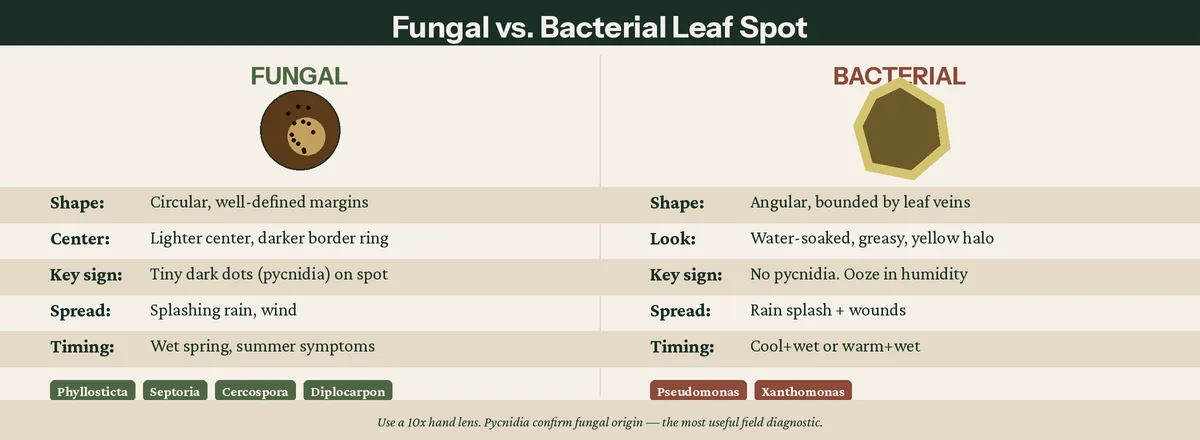
Image source: Web (Bing) / hortguide.com (Web image (fair-use with source credit))
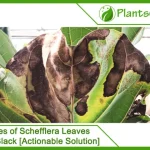
If your spots are brown and mushy, stop watering immediately. This is the classic sign of root rot. The roots sit in stagnant water and begin to decay.
That decay travels up into the fleshy leaves. You will often smell a faint sour odor near the soil surface. If the base of the plant feels wobbly, the rot has advanced significantly.
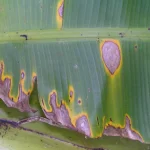
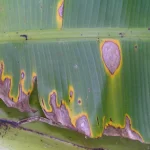
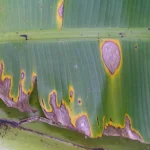
Red or orange spots that look like tiny blisters are a fungal disease called red rust. This is caused by Puccinia sansevieriae. Unlike rot, rust thrives in high humidity and poor air circulation.
If you rub your finger over the spot and orange powder comes off on your skin, that is rust spores. Quarantine the plant right away. Those spores travel easily on air currents to nearby plants.
White, bleached patches that feel like thin paper mean sunburn. This happens when a plant used to low light gets blasted by direct afternoon sun. The chlorophyll breaks down and the tissue dies.
Cold damage looks similar but usually appears after winter nights near drafty windows. Keep the ambient temperature above 50 degrees Fahrenheit to prevent cold injury.
Tiny white or yellow dots scattered evenly across the leaf are not a disease. That is pest damage. Spider mites pierce the leaf surface and suck out the sap.
Look very closely at the undersides of the leaves. If you see fine webbing or specks that move, you have mites. Mealybugs leave behind small cottony white masses tucked deep into the crevices where leaves meet.
Hard, corky bumps that do not spread are usually edema. This is not a disease or a pest. It is a physiological response to irregular watering.
The plant takes up too much water during a humid spell and the leaf cells rupture. Once the blister forms, it stays there permanently. It is purely cosmetic and will not harm the plant long term.
The Fix: Matching the Right Treatment to Your Specific Spots
Once you know what you are dealing with, you can take action. The treatment depends entirely on the diagnosis from the previous step. Do not apply fungicide to a sunburned leaf.
Do not cut back water if spider mites are the actual problem. Match the fix to the cause.
For root rot and mushy brown spots, you need to perform surgery. Pull the plant out of its pot. Shake off the old soil and inspect the roots.
Healthy roots are firm and pale. Rotted roots are dark brown, slimy, and fall apart when you pull them. Cut away all the dead roots using shears sterilized with 70% isopropyl alcohol.
After trimming the roots, let the plant sit bare in a warm room for two to four days. The cut ends need to callous over before they touch soil again. Repot the snake plant in a fresh cactus or succulent mix.
Make sure the new pot has drainage holes. Do not water it for another week. Let the plant settle and push out new root growth.
If you confirmed red rust, isolate the plant immediately. Remove any leaves that are heavily covered in orange pustules. Bag those leaves in plastic and throw them in the trash.
Never put infected plant material in your compost bin. The spores will survive and reinfect everything else.
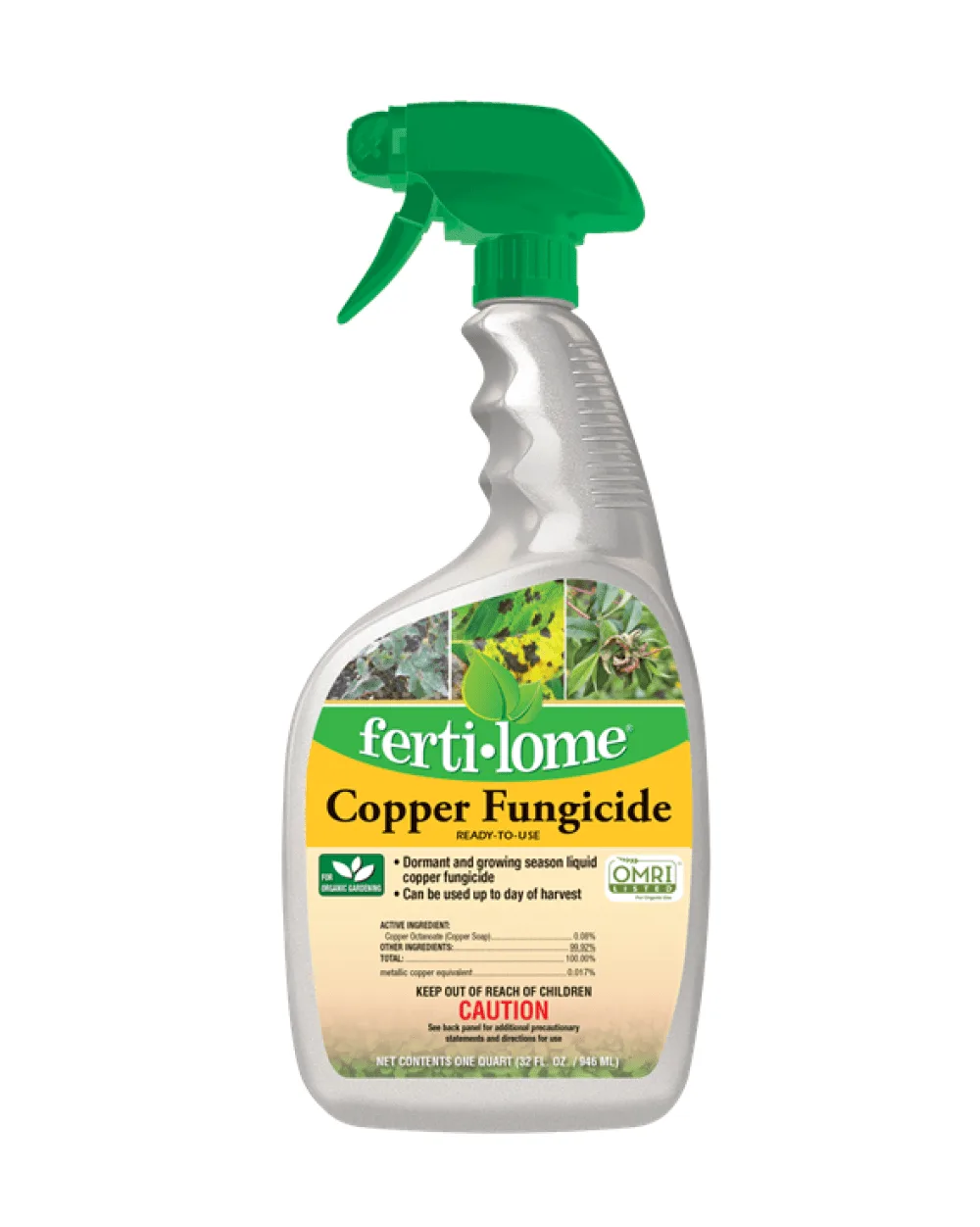
Image source: Bing (Web (fair-use with source credit))
For remaining leaves with minor rust spotting, apply a copper based fungicide. Spray it according to the manufacturer directions, usually once every seven to ten days until the spread stops. Improve air circulation around the plant.
Move it away from crowded shelves and avoid misting the leaves. Rust spores need standing water on the leaf surface to germinate. Keeping the foliage dry starves the fungus.
Treating pest related spots requires a different approach. For spider mites, wipe the leaves down thoroughly with a damp cloth. Follow up by spraying the plant with insecticidal soap or neem oil.
Apply the spray in the evening or keep the plant out of direct sunlight afterward. Neem oil can burn the leaves if it gets hot while still wet.
Mealybugs hide well. Dip a cotton swab in rubbing alcohol and dab it directly onto the white cottony bugs. The alcohol dissolves their protective coating and kills them on contact.
Check the plant every few days for stragglers. It usually takes two or three rounds of treatment to clear a mealybug infestation completely.
Sun scorch and cold damage cannot be reversed. The dead tissue will never turn green again. Your only option here is prevention.
Move the plant back from the harsh window or away from the drafty door. If the burned leaf bothers you visually, you can trim it off at the base. Otherwise, just leave it alone and focus on keeping new growth healthy.
Edema requires adjusting your watering habits. Water deeply but infrequently. Wait until the top two inches of soil are completely dry before watering again.
During winter months, when the plant grows slower, stretch that drying period out even further. Consistent moisture management stops new edema blisters from forming.
Mistakes That Turn a Small Spot Into a Dead Plant
Good intentions often make things worse. We see a few recurring mistakes that turn a minor blemish into a total loss. Avoiding these errors keeps your plant alive while you treat the underlying issue.
The biggest mistake is cutting into a diseased plant with dirty tools. If you use pruning shears straight from another plant without sterilizing them, you spread bacteria and fungal spores instantly. Always wipe your blades with 70% isopropyl alcohol before and after every single cut.
This takes five seconds and prevents massive headaches later.
Another common error is treating fungal issues by watering more. People see a sick plant and assume it is thirsty. They pour water on it.
If the spots are caused by root rot or rust, adding water accelerates the destruction. When in doubt, check the soil moisture physically before adding a single drop.
Leaving infected leaves attached to the main rosette is risky. Growers often hesitate to cut off a large leaf because it ruins the plant's shape. But a leaf covered in rust pustules acts as a factory pumping out spores.
You have to sacrifice the ugly leaf to save the rest of the plant. Make clean cuts close to the soil line.
Applying heavy chemical treatments indoors without ventilation causes problems too. Fungicides and neem oil have strong odors and active compounds. If you spray them in a closed bedroom, you risk irritating your lungs.
Always treat your plants outside or in a well ventilated garage. Let the leaves dry completely before bringing the pot back inside.
Finally, repotting a stressed plant into a much larger container is a trap. A huge pot holds excess soil that stays wet for weeks. That lingering moisture guarantees the return of root rot.
Only move your snake plant up one pot size at a time. Better yet, reuse the same pot after washing it out with a diluted bleach solution.

Similar Posts