Why Your Wisteria Leaves Are Turning Yellow & How to Fix It
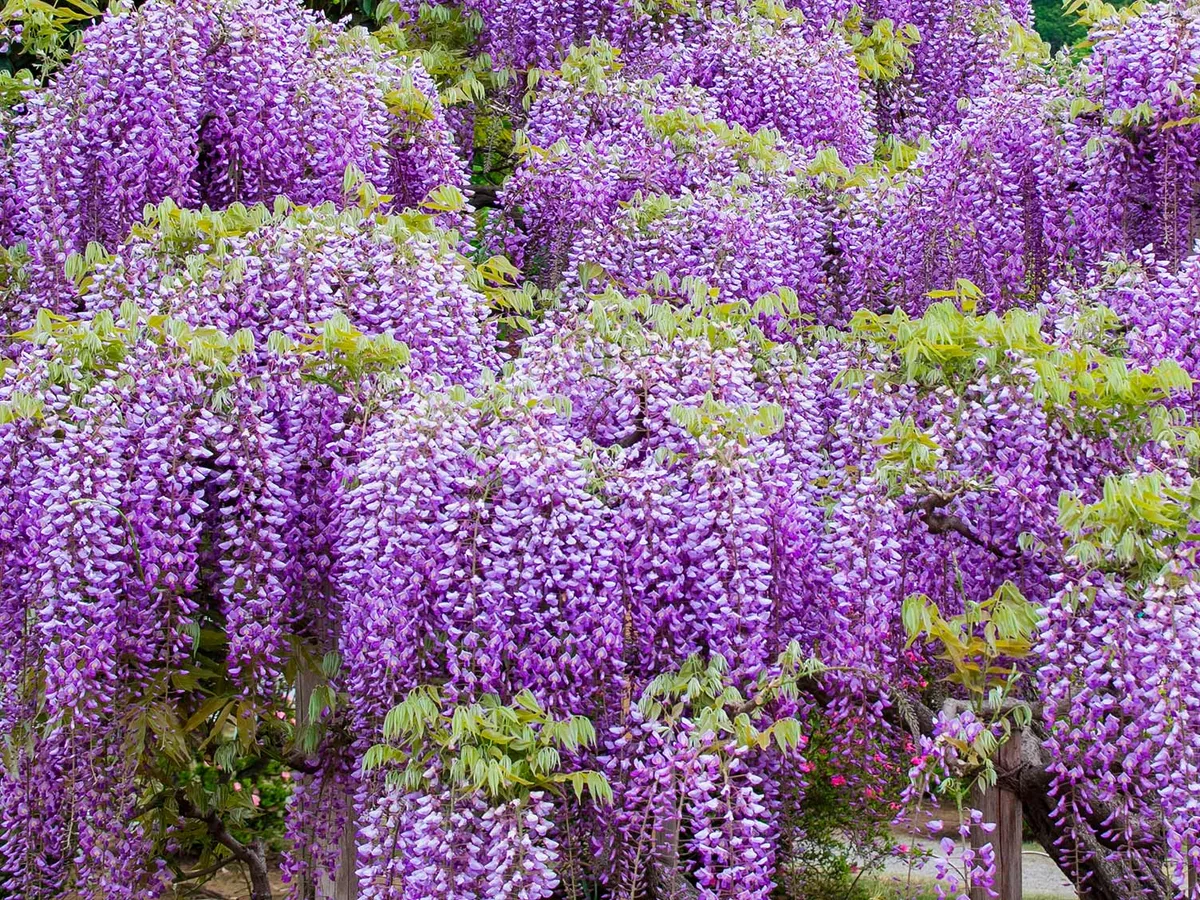
Seeing yellowing leaves on wisteria usually means your vine is stressed by poor drainage, high soil pH, or a nutrient lockout. It rarely means the plant is dying, but you do need to act before the roots take permanent damage.
Wisteria is a legume that fixes its own nitrogen through symbiotic root bacteria. That means standard fertilizers often cause more harm than good. Per university extension research, these vines thrive in soil with a pH between 6.0 and 7.0.
Let's figure out exactly what your vine needs right now.
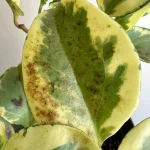
Image source: Web (Bing) / lovethegarden.com (Web image (fair-use with source credit))
Quick Answer
Yellowing leaves on wisteria signal stress from water or nutrients. Check if veins stay green while tissue yellows. Test your soil moisture and pH levels immediately.
Stop applying standard nitrogen fertilizer right away.
The Decision Tree: Diagnosing the Exact Cause of Chlorosis
Figuring out why your vine is struggling requires a quick process of elimination. You can't just guess and throw products at it. Follow this exact workflow to pinpoint the problem.
Start at the top and work your way down based on what you observe.
Branch 1: Check the Calendar and the Leaf Pattern
First, look at the time of year. If it is late September or October, your wisteria is just preparing for winter dormancy. Deciduous vines naturally drop their leaves in autumn.
There is nothing to fix here.
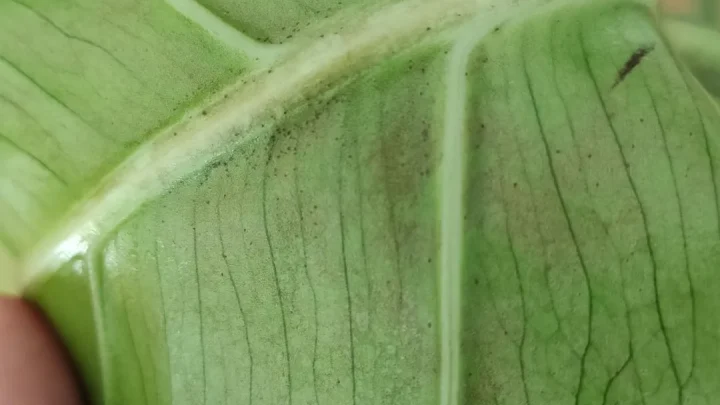
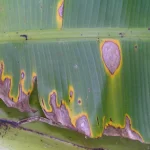
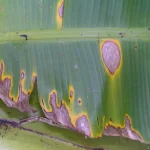
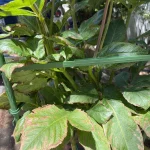
If it is spring or summer, look closely at the leaf itself. Are the veins still dark green while the spaces between them turn pale? That specific pattern is called interveinal chlorosis.
It almost always points to an iron deficiency caused by alkaline soil locking up nutrients.
If the entire leaf turns a uniform pale yellow, the issue is different. Uniform yellowing usually points to waterlogged roots or severe transplant shock. Newly planted vines in heavy clay soils struggle with this constantly.
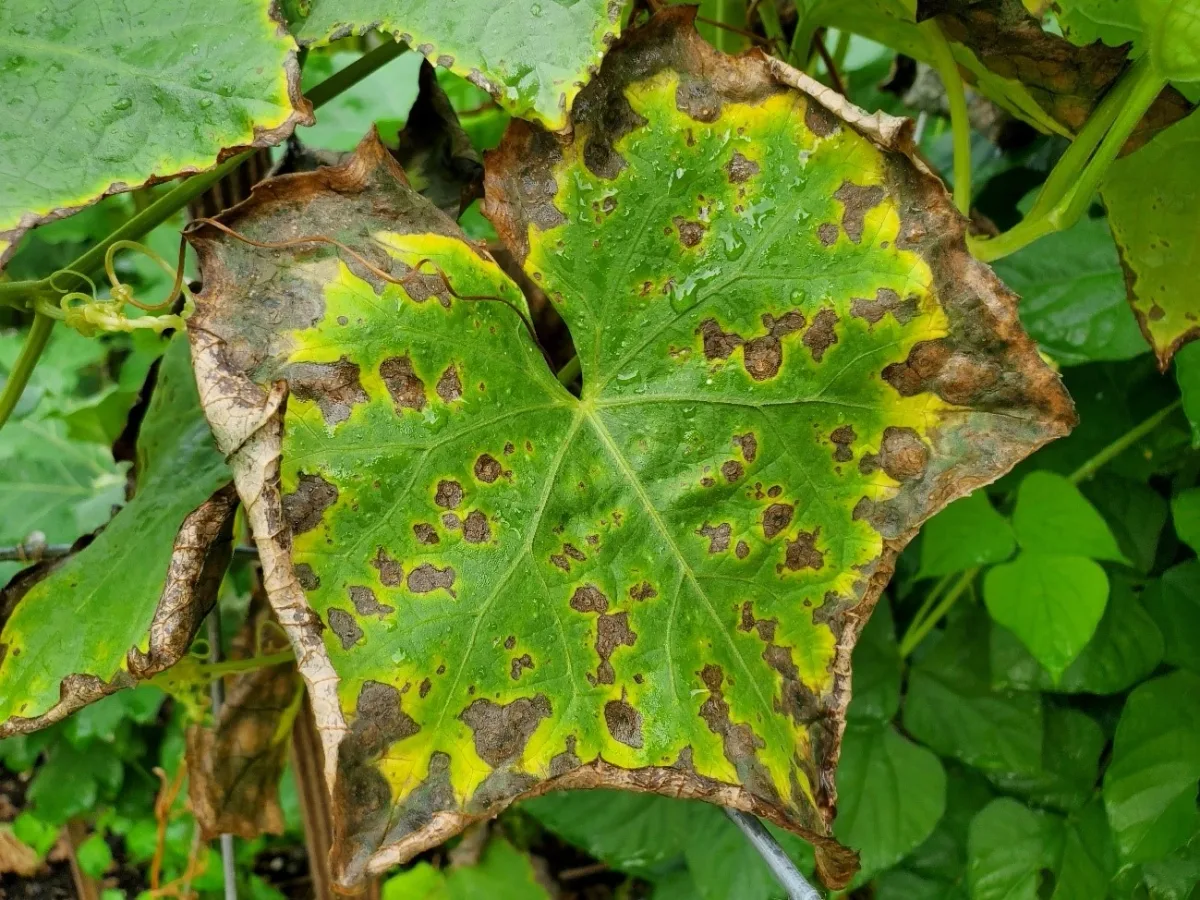
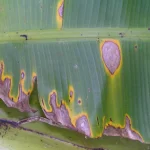
Image source: Web (Bing) / reddit.com (Web image (fair-use with source credit))
Branch 2: Test Soil Moisture and Drainage at the Root Zone
Grab a trowel and dig down about four inches near the base of the vine. Feel the soil. If it is soggy, muddy, or smells slightly sour, your roots are suffocating.
Wisteria hates sitting in standing water.
Root rot pathogens like Phytophthora thrive in waterlogged conditions. They destroy the root system, preventing the plant from pulling up any nutrients at all. If the soil is bone dry and cracked, the vine is simply thirsty.
Established vines rarely need supplemental watering unless you are in a severe drought.
Branch 3: Measure Soil pH for Iron Lockout
If your soil drains well but the leaves show interveinal chlorosis, test your soil pH. You can use a basic digital meter or send a sample to your local university cooperative extension. Alkaline soil is the number one enemy of wisteria foliage.
When soil pH climbs above 7.5, iron becomes chemically unavailable to the plant. It does not matter how much iron is actually in the dirt. The roots physically cannot absorb it.
This is incredibly common in new construction sites where alkaline subsoil was pushed to the surface.
| Symptom | Likely Cause | First Action Step |
|---|---|---|
| Yellowing in autumn | Natural senescence | Do nothing |
| Green veins, yellow tissue | Iron chlorosis (high pH) | Test soil pH |
| Entire leaf uniformly pale | Overwatering or root rot | Check soil drainage |
| Pale leaves plus zero blooms | Excess nitrogen fertilizer | Stop fertilizing immediately |
Step-by-Step Fixes Based on Your Diagnosis
Once you know the cause, the fix is straightforward. Do not skip steps. Treating the wrong problem will only stress the vine further.
Fixing Iron Chlorosis from High Soil pH
If your soil test confirms a pH above 7.5, you need chelated iron. Standard iron sulfate will not work here. It instantly binds to alkaline soil particles and becomes useless.
Look specifically for Fe EDDHA chelate.
Fe EDDHA remains stable and available to roots in soils with a pH up to 9.0. Older chelates like Fe DTPA stop working once the pH crosses 7.0. Apply the Fe EDDHA according to the package directions, usually around one to two ounces per mature vine.
Water it in deeply so it reaches the root zone.
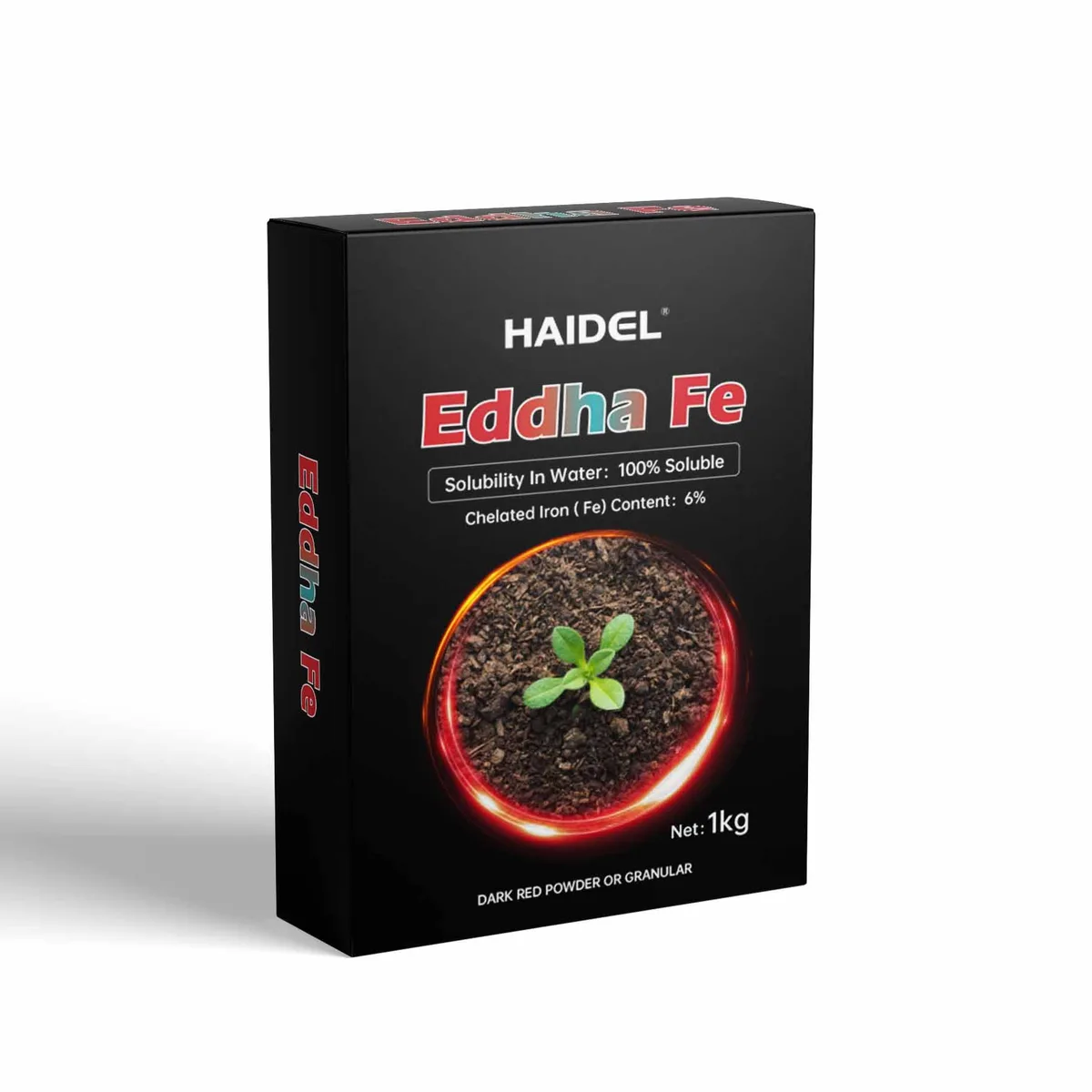
Image source: Web (Bing) / haidel.en.made-in-china.com (Web image (fair-use with source credit))
For a long term solution, you also need to lower the soil pH. Work elemental sulfur into the top few inches of soil around the drip line. Soil bacteria slowly convert sulfur into sulfuric acid over several months.
This permanently improves nutrient availability.
Fixing Waterlogged Roots and Poor Drainage
If the soil stays soggy, you have a physical drainage problem. Stop watering immediately. If the vine is young, you might need to carefully lift it and amend the planting hole.
Mix coarse pine bark or expanded shale into heavy clay to create air pockets.
Do not just dump sand into clay soil. Sand mixed with clay creates a concrete like substance that makes drainage even worse. For established vines that cannot be moved, consider installing a French drain nearby to pull excess water away from the root zone.
Treating Transplant Shock
Newly planted wisteria often drops leaves or turns yellow while establishing roots. Keep the soil evenly moist but never soaking wet. Mulch lightly with wood chips to regulate soil temperature.
Give it a full growing season to settle in before panicking.
The Nitrogen Trap: Why Standard Fertilizer Makes Wisteria Worse
This is where most gardeners get it completely wrong. Wisteria belongs to the Fabaceae family. That makes it a legume.
Legumes form symbiotic relationships with Rhizobium bacteria in their root nodules.
These bacteria pull nitrogen directly from the atmosphere and feed it to the plant. Your wisteria already has a built in fertilizer factory underground. When you apply a standard lawn or garden fertilizer, you flood the root zone with excess nitrogen.
The vine responds by pushing out massive amounts of weak, pale green foliage. It looks sickly because the growth is too fast and structurally unsound. Worse, excess nitrogen signals the plant to stop producing flowers.
You get a giant green monster that never blooms.
Our research shows that feeding wisteria high nitrogen blends is the fastest way to ruin it. If your soil test reveals adequate phosphorus and potassium, leave the nitrogen alone entirely. The only exception is if a soil test explicitly shows a severe deficiency, which is rare for established vines.
If you accidentally over fertilized, flush the root zone with heavy watering to push excess salts down past the root depth. Then stop feeding it. Let the natural bacterial process take over again.
Common Mistakes That Keep Wisteria Leaves Yellow
Even when people identify the right problem, they often apply the wrong solution. Here are the errors we see constantly as of 2026. Avoiding these will save you months of frustration.
- Using the wrong iron product. Buying cheap iron sulfate for alkaline soil is throwing money away. The iron locks up before the roots ever touch it. Always verify you are buying Fe EDDHA for high pH situations.
- Ignoring invasive species regulations. Wisteria sinensis and Wisteria floribunda are classified as invasive in several US states. Before planting new vines to replace a failing one, check your local agricultural extension lists. Consider native Wisteria frutescens instead.
- Overwatering out of panic. Seeing yellow leaves makes people grab the hose. If the soil is already wet, adding more water accelerates root rot. Always check soil moisture at depth before watering.
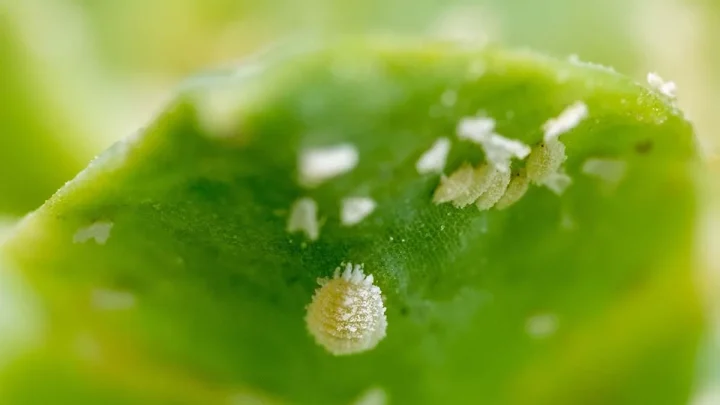
- Confusing pests with nutrient issues. Spider mites cause tiny yellow stippling across leaves. Scale insects suck sap and cause localized yellowing. Inspect the undersides of leaves closely before assuming it is a soil chemistry problem.
- Applying foliar sprays as a permanent fix. Spraying liquid iron directly on leaves greens them up quickly. But it is purely cosmetic. It does absolutely nothing to fix the underlying soil pH or root health. Use foliar sprays only as a temporary bridge while amending the soil.
Frequently Asked Questions
Why are my wisteria leaves turning yellow in summer?
Summer yellowing usually means root stress from poor drainage or high soil pH. Check your soil moisture at a four inch depth first. If the soil drains well, test the pH for iron lockout.
Apply Fe EDDHA chelate if the reading is above 7.5.
Should I fertilize wisteria with yellow leaves?
Do not apply standard nitrogen fertilizer to a struggling wisteria vine. Wisteria fixes its own nitrogen through root bacteria. Adding more nitrogen causes weak, pale growth and stops flower production.
Only add phosphorus or potassium if a professional soil test specifically demands it.
How long does it take for wisteria leaves to turn green again?
Expect visible greening within two to four weeks after applying the correct treatment. Chelated iron works fastest during active spring and summer growth. Soil sulfur amendments take several months to fully lower pH.
Be patient and avoid overtreating the root zone.
Can overwatering cause wisteria leaves to turn yellow?
Yes, soggy soil suffocates roots and triggers uniform leaf yellowing. Waterlogged conditions also invite root rot pathogens like Phytophthora. Always let the top few inches of soil dry out between waterings.
Established vines rarely need supplemental irrigation outside of severe droughts.
Is yellowing on older wisteria leaves normal?
Older interior leaves naturally fade and drop as the vine pushes new growth outward. This is completely normal if the outer canopy remains deep green. Widespread yellowing across the entire vine signals an environmental problem.
Follow the diagnostic steps above to find the exact cause.

Similar Posts