Troy-Bilt Super Tomahawk Chipper: Complete Owner’s Guide
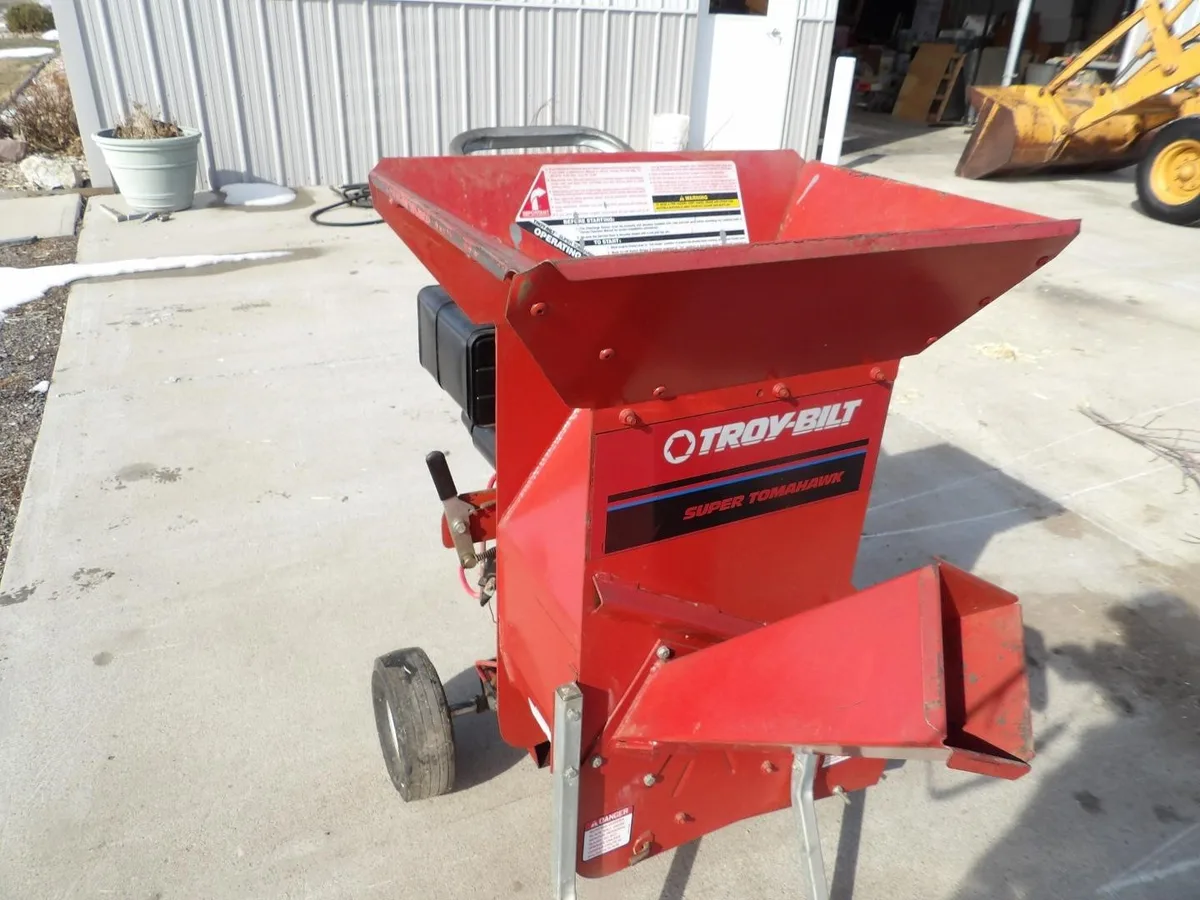
Finding a functional troybilt super tomahawk chipper today means navigating a used market full of worn machines and missing parts. These legacy units offer commercial-grade chipping at bargain prices if you know exactly what to inspect before buying.
Manufacturer specifications indicate most models handle branches up to 3 inches in diameter using belt-driven rotors. As of 2026, verifying engine type and knife availability matters more than the sticker price when evaluating these vintage machines.
Quick Answer
The Troy-Bilt Super Tomahawk chipper is a discontinued tow-behind unit. It chips branches up to 3 inches thick. Most units use Briggs & Stratton V-Twin engines.
Replacement knives are increasingly difficult to source. Inspect rotor bearings and belts before purchase.
Is a Used Troy-Bilt Super Tomahawk Worth Buying Today?
Image source: Web (Bing) / bigiron.com (Web image (fair-use with source credit))
A used Super Tomahawk remains a viable option for property owners who need heavy-duty chipping without commercial pricing. Aggregate reviews report these machines outlast modern plastic-housed alternatives when properly maintained. The welded steel deck and belt-drive system absorb shock better than direct-drive consumer models.
You should only buy one if you can verify parts availability for that specific serial number. Our research shows many listings lack clear model identification or engine documentation. Missing shear pins or worn knives can turn a bargain into an expensive paperweight.
Always confirm the rotor spins freely by hand before exchanging money.
The value proposition depends entirely on your mechanical comfort level. These machines require regular belt adjustments and knife sharpening to perform safely. If you prefer warranty coverage and dealer support, look elsewhere.
But for DIY-capable users, the Super Tomahawk delivers unmatched build quality in its price bracket.
Decoding Model Numbers and Engine Variants
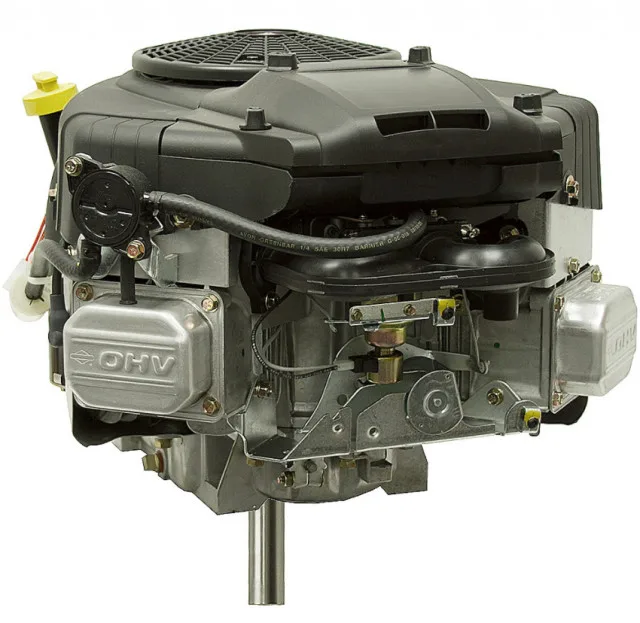
Image source: Web (Bing) / roco-parts.com (Web image (fair-use with source credit))
Identifying the exact model prevents costly parts mismatches down the road. The original 24A-380 typically pairs with a Kohler Command V-Twin engine. Later 24B-385 revisions often feature Briggs & Stratton Intek V-Twins instead.
Engine swaps were common over decades of ownership, so never assume factory configuration.
Check the data plate stamped directly on the chassis frame near the axle. Paper decals fade or get painted over during refurbishment. MTD Products Inc. maintains archived manuals searchable by this stamped code.
Cross-reference the engine serial number separately since it may not match the chassis era.
Why Engine Type Matters for Parts
Briggs & Stratton Intek carburetors are widely available and inexpensive to rebuild. Kohler Command parts cost more but often last longer between service intervals. Both engines share similar mounting patterns, making swaps feasible but undocumented.
Verify which air filter housing style matches your replacement filters before ordering.
Horsepower ratings varied from 14 HP to 17 HP across production years. Higher displacement engines handle wet hardwoods better but consume more fuel. Lower horsepower units suffice for softwood pruning and dry leaf shredding.
Match engine output to your typical debris profile rather than chasing maximum specs.
| Model Variant | Typical Engine | Chipping Capacity | Notes |
|---|---|---|---|
| 24A-380 | Kohler Command V-Twin | 3 inches | Earlier production, heavier flywheel |
| 24B-385 | Briggs & Stratton Intek | 3 inches | Later revision, easier carb service |
| Modified Units | Various Swaps | Varies | Verify rotor balance after swap |
Real-World Performance vs. Modern Alternatives
Comparing vintage iron against new plastic helps justify the restoration effort. Modern big-box chippers use lightweight composite housings that crack under impact. The Super Tomahawk’s welded steel construction weighs nearly 400 pounds for good reason.
That mass dampens vibration and extends bearing life significantly.
Production rates differ dramatically between eras. Aggregate user feedback suggests the Super Tomahawk processes brush piles 30% faster than similarly rated modern units. Belt-driven rotors maintain momentum through dense material where direct drives stall.
Self-feeding geometry pulls branches in smoothly without constant pushing.
Modern alternatives win on convenience features like electric start and fold-down hoppers. They also carry warranties and EPA-compliant emissions systems. Vintage engines lack catalytic converters and may face local restrictions.
Weigh regulatory compliance against raw performance based on your location and usage frequency.
Rental commercial chippers cost $150 to $250 per day as of 2026. A restored Super Tomahawk pays for itself after three rental days of equivalent work. Ownership eliminates scheduling conflicts and transport logistics.
Just factor in annual maintenance costs when calculating true break-even timelines.
Critical Inspection Checklist for Used Units
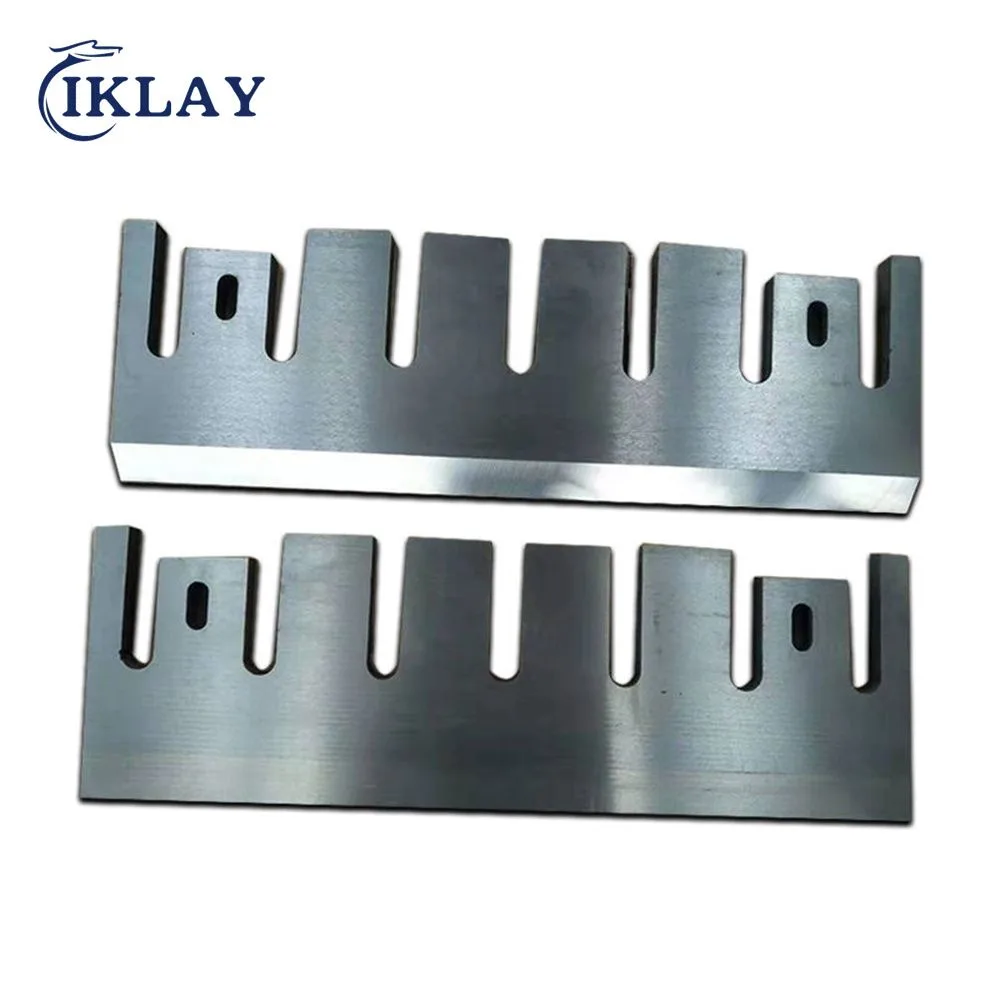
Image source: Web (Bing) / iklaym.en.made-in-china.com (Web image (fair-use with source credit))
Never trust photos alone when evaluating condition remotely. Request video of the engine running under load and the rotor spinning unloaded. Listen for rhythmic knocking that indicates bearing failure or loose knives.
Excessive vibration at idle often signals imbalance or bent shaft damage.
Inspect the chipper knife assembly closely for cracks or uneven wear patterns. Knives should be sharp and evenly spaced around the rotor circumference. Dull blades increase engine strain and produce ragged chips.
Replacement sets are becoming scarce, so factor resharpening capability into your assessment.
Structural and Drive System Checks
Examine weld points on the tow bar and hopper supports for stress fractures. Rust perforation in the discharge chute transition area compromises safety. Belt tension should allow half-inch deflection at midpoint when pressed firmly.
Glazed or frayed belts slip under load and burn quickly.
Test all safety interlocks and discharge deflectors for proper function. Missing guards expose operators to kickback hazards per ANSI B71.3 standards. Check tire sidewalls for dry rot and tread separation.
Worn pneumatic tires make towing unstable on grades or uneven terrain.
Verify shear pin integrity and correct sizing before operation. Wrong-sized pins fail prematurely or refuse to break during jams. Grease zerks should accept fresh lubricant without resistance.
Seized fittings indicate neglected bearing maintenance and potential seizure risk. Document every deficiency before negotiating final price.
Parts Availability and Maintenance Reality
Sourcing obsolete components requires patience and creative cross-referencing. OEM knives for early 24A-380 models are largely discontinued as of 2026. Aftermarket suppliers sometimes stock compatible blanks requiring custom grinding.
Join dedicated small engine forums where members share cross-reference charts and surplus inventory leads.
Belts and bearings remain readily available through industrial suppliers. Measure old belts precisely or reference MTD parts diagrams for exact lengths. Standard pillow block bearings replace proprietary assemblies at fraction of cost.
Carburetor rebuild kits exist for both Briggs and Kohler platforms indefinitely.
Budgeting for Annual Upkeep
Expect to spend $100 to $200 yearly on consumables and repairs. This includes fuel filters, spark plugs, grease, and occasional knife sharpening. Major overhauls like engine rebuilds run $400 to $800 depending on shop rates.
Factor these costs into your initial purchase budget to avoid surprise expenses.
Seasonal storage preparation prevents most starting issues. Drain fuel completely or add stabilizer before winter layup. Remove batteries and store indoors to prevent sulfation.
Cover intake and exhaust openings to deter nesting rodents. Proper storage extends component life dramatically compared to outdoor exposure.
Sharpening knives yourself saves significant labor costs over time. Maintain factory bevel angles using guided jigs or professional services. Balanced knife sets prevent destructive rotor vibration at operating speeds.
Never run mismatched or damaged blades even temporarily. Safety and machine longevity depend on disciplined maintenance habits.
Safety Protocols and Operational Best Practices
Operating a chipper demands strict adherence to ANSI B71.3 safety standards at all times. Kickback from the chipper chute can cause severe injury in milliseconds. Never reach into any intake zone while the engine runs or rotor spins.
Always engage lockout procedures before clearing jams or performing maintenance.
Wear ANSI-approved face shields, hearing protection, and steel-toe boots without exception. Loose clothing, jewelry, or long hair can snag on rotating components instantly. Keep bystanders and pets well clear of the discharge path and intake zones.
Noise levels exceed 95 dB(A) at the operator position during normal operation.
Safe Feeding and Jam Clearing Procedures
Feed branches butt-end first using the self-feeding geometry designed into the chute. Never force material or push with hands near the cutting plane. Use a longer branch as a push stick for short pieces if needed.
Stop feeding immediately if the engine bogs down or vibration increases.
Clearing jams requires complete engine shutdown and rotor stoppage verification. Wait several minutes after killing the engine before approaching the machine. Disconnect the spark plug wire to prevent accidental starting during clearance.
Use wooden dowels or hooks to dislodge debris, never fingers or metal tools.
Towing speed should never exceed 5 MPH even on flat terrain. Low tire pressure or worn bearings make high-speed towing dangerous. Avoid steep grades that could cause jackknifing or loss of control.
Inspect hitch pins and safety chains before every transport cycle.
Fire risk increases significantly when processing dry woody material. Hot exhaust components can ignite accumulated dust or fine chips. Clean debris buildup from engine shrouds and muffler guards regularly.
Keep a fire extinguisher mounted on the tow vehicle or nearby during operation.
Frequently Asked Questions About the Super Tomahawk
How do I find the correct replacement knives?
Locate the stamped model number on the chassis frame near the axle. Cross-reference this code with MTD parts diagrams or aftermarket supplier catalogs. Measure existing knife length, width, thickness, and bolt hole spacing precisely.
Many aftermarket blanks require custom grinding to match original specifications.
What causes excessive vibration during chipping?
Unbalanced or damaged knives are the most common culprit. Check each blade for chips, cracks, or uneven wear patterns. Worn rotor bearings also create rhythmic knocking sounds at operating speed.
Bent shafts from previous jam events cause persistent vibration even with new knives installed.
Can I convert my Super Tomahawk to PTO drive?
Conversion is technically possible but rarely cost-effective or safe. Belt-drive rotors spin at different speeds than standard 540 RPM PTO outputs. Fabricating proper gearboxes and safety shielding requires significant engineering expertise.
Most experts recommend selling the unit and buying a dedicated PTO chipper instead.
Why does my engine surge under load?
Carburetor issues typically cause surging in stored or ethanol-exposed engines. Clogged main jets or degraded gaskets restrict fuel delivery under demand. Air leaks at intake manifold gaskets also create lean running conditions.
Rebuild the carburetor and inspect all fuel lines before assuming mechanical failure.
How often should I sharpen the chipper knives?
Sharpening intervals depend heavily on material type and volume processed. Softwood pruning typically allows 20 to 25 hours between sharpenings. Hardwood or dirty material may require service every 10 to 15 hours.
Dull blades increase fuel consumption and produce ragged chips that clog discharge chutes.

Similar Posts