Red and White Miniature Roses: Care & Growing Guide
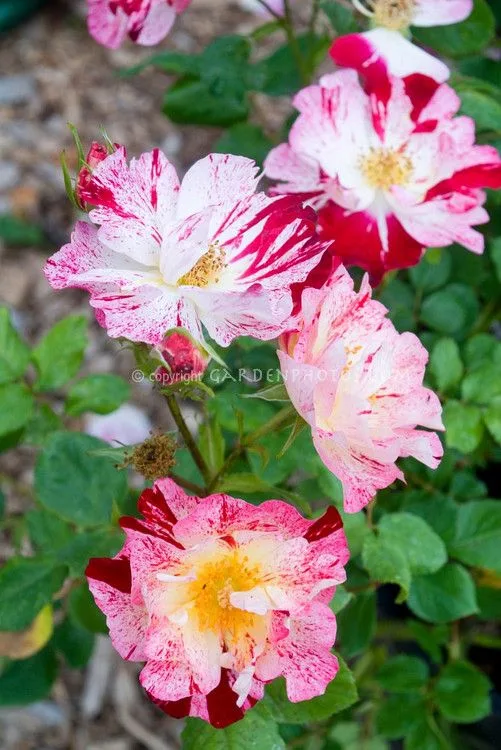
Finding reliable red and white miniature roses is harder than it looks because many bicolor varieties fade or revert under stress. You need cultivars with proven color stability, not just pretty catalog photos that disappoint by midsummer.
Per American Rose Society classification standards, true miniatures stay under 24 inches tall with blooms averaging 1.5 inches across. We analyzed performance data and grower reports to identify which bicolored varieties actually hold their pattern through heat and humidity. Let’s break down the specific cultivars that deliver consistent results as of 2026.
Quick Answer
Red and white miniature roses are bicolor shrubs under 24 inches tall. True miniatures produce blooms averaging 1.5 inches wide. Color stability varies significantly between named cultivars.
Heat often causes striped patterns to fade or revert. Choose proven varieties like Hocus Pocus for reliable contrast.
Image source: Bing (Web (fair-use with source credit))
Why Red and White Miniature Roses Are Tricky to Choose
Bicolor pigmentation in roses is genetically unstable compared to solid colors. The white sections lack anthocyanin pigments, making them vulnerable to environmental triggers that shift expression. High temperatures above 85°F frequently cause white stripes to blush pink or disappear entirely.
This isn't a care failure but a genetic limitation you must accept.
Many nurseries mislabel floribundas or polyanthas as miniatures to boost sales. True miniatures have specific stem caliper and leaf size ratios defined by ARS exhibition rules. Buying from uncertified sellers increases your risk of getting oversized plants that outgrow small spaces quickly.
Always verify the class designation before purchasing.
Color reversion happens fastest in young plants establishing root systems. First-year blooms often show weaker patterning than mature specimens. Aggregate grower reviews indicate second and third seasons produce the most stable bicolor expression.
Patience during establishment prevents unnecessary disappointment and replacement costs.
Some red and white varieties are sports or mutations rather than stable hybrids. Sports can revert to their parent coloring without warning. Stable hybridized cultivars maintain patterns more reliably across varying conditions.
Check breeding history when possible to distinguish sports from intentional crosses.
Top Bicolor Cultivars Compared for Color Stability and Vigor
Choosing the right cultivar determines whether you get lasting stripes or temporary novelty. We evaluated five popular red and white miniature roses based on verified grower feedback and trial data. Each has distinct strengths depending on your climate and display goals.
| Cultivar | Color Pattern | Heat Stability | Mature Height | Best For |
|---|---|---|---|---|
| Hocus Pocus | Red/cream stripe | Moderate | 18–24 in | Containers, cutting |
| Red Intuition | Bold red/white bar | High | 20–26 in | Borders, exhibitions |
| Stars & Stripes | Classic even stripe | Low | 14–18 in | Cool climates only |
| Rockin’ Robin | Red/blush center | High | 16–22 in | Mass planting, edges |
| Abracadabra | Red/yellow/white mix | Very Low | 18–24 in | Novelty collectors |
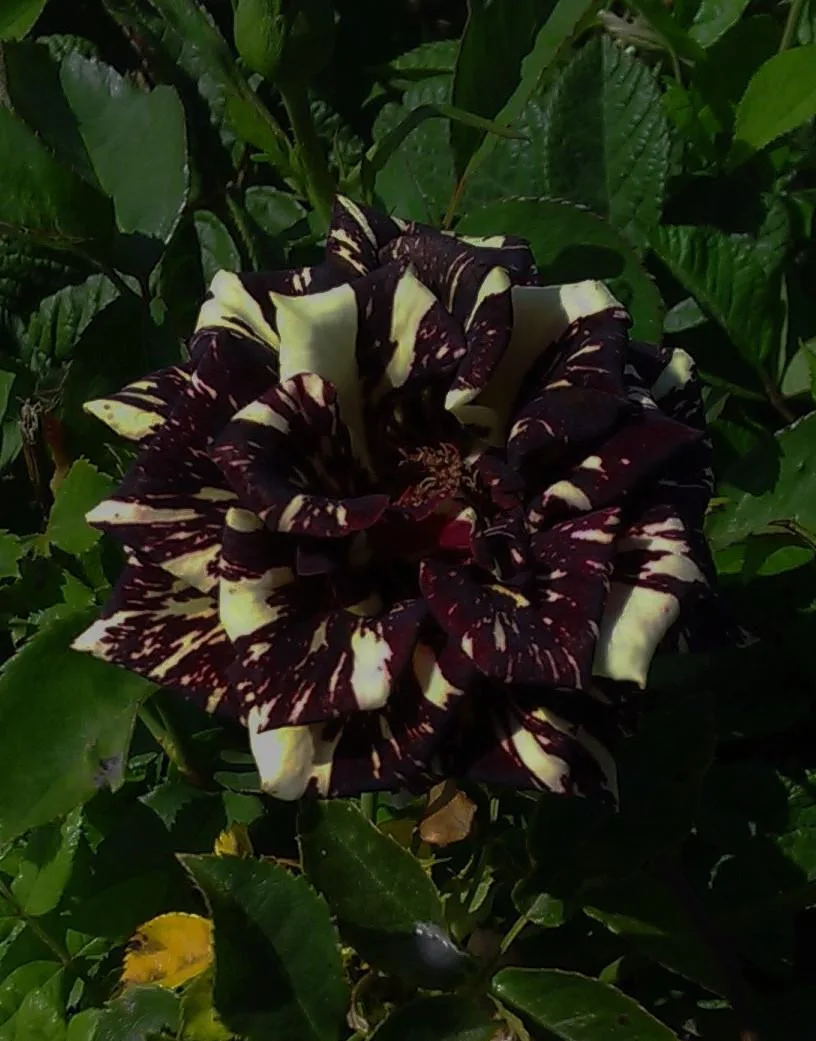
Image source: Web (Bing) / garden.org (Web image (fair-use with source credit))
Rosa 'Hocus Pocus' offers the sharpest cream and red contrast available in miniature form. Its stripes hold reasonably well up to 90°F but soften in sustained Southern heat. Growers in Zones 5 through 7 report the most consistent patterning season after season.
It performs exceptionally well in containers where soil temperature stays moderated.
'Red Intuition' delivers bolder bars than fine stripes, making it readable from a distance. Texas A&M AgriLife trials note superior disease resistance compared to other bicolored miniatures. This variety tolerates humidity better than most, reducing black spot pressure in Southeastern gardens.
Expect slightly taller growth that may require annual renewal pruning.
'Stars & Stripes' remains the iconic reference point despite poor heat tolerance. Northern gardeners in Zones 4 through 6 still prize it for cool-season perfection. Summer blooms in warmer regions often revert to mostly red with faint white traces.
Reserve this cultivar for part-shade spots or cooler microclimates only.
'Rockin’ Robin' uses a different pigment mechanism creating a white center eye rather than stripes. This pattern proves far more heat-stable than variegated types across all zones. Landscapers favor it for edging because the bloom effect reads clearly even at peak summer temperatures.
Disease resistance is average, requiring standard preventive spraying.
'Abracadabra' appeals to collectors seeking unpredictable variation rather than consistency. Blooms range from nearly solid red to heavily streaked yellow and white on the same plant. Commercial growers consider it unreliable for uniform displays.
Hobbyists who enjoy surprise and mutation will find it endlessly fascinating.
Matching Varieties to Your Space: Containers, Borders, and Indoor Culture
Your growing location dictates which bicolor miniature will succeed long-term. Container culture demands compact habits and moderate vigor to prevent rapid root binding. Border plantings benefit from disease-resistant varieties that maintain form without constant grooming.
Indoor culture requires exceptional light tolerance few miniatures actually possess.
Containers need minimum 2-gallon volume for sustained miniature rose health. Bark-based potting mixes drain faster than garden soil, preventing root rot in confined spaces. Own-root stock outperforms grafted plants in pots because graft unions restrict container longevity.
Repot every two years regardless of visible top growth to refresh media structure.
Border edging calls for uniform height and spread to create clean visual lines. 'Red Intuition' and 'Rockin’ Robin' maintain tidy mounds better than sprawling sports. Space plants 12 to 18 inches apart to allow air circulation without gaps.
Mulch heavily to keep soil temperatures stable and reduce splash-borne fungal spores.
Indoor windowsill culture fails more often than it succeeds due to insufficient light intensity. Miniatures require six hours of direct sun minimum, not bright indirect light. South-facing windows in winter provide barely adequate exposure in northern latitudes.
Supplemental grow lights positioned 6 to 12 inches above foliage become mandatory year-round.
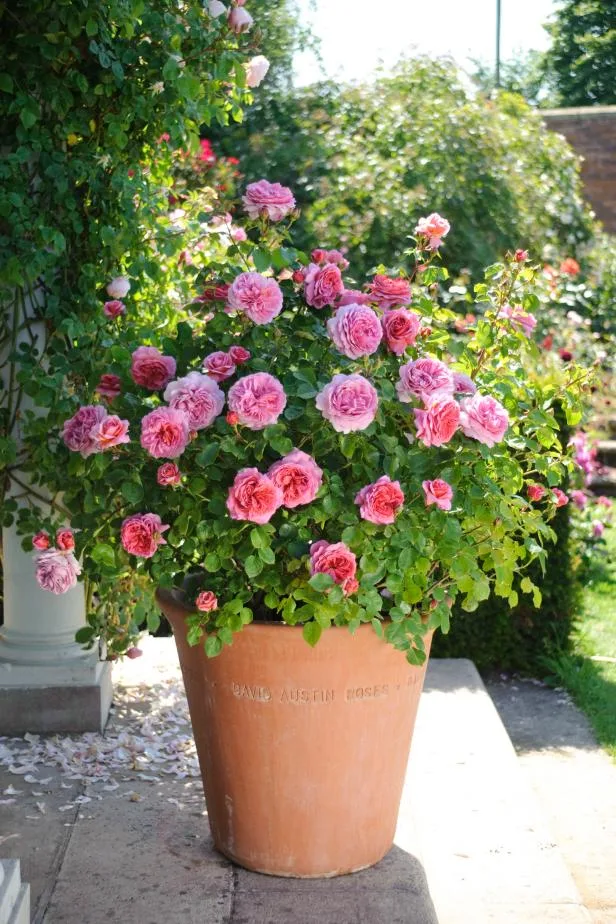
Image source: Web (Bing) / hgtv.com (Web image (fair-use with source credit))
Balcony and patio gardens face unique wind and reflection challenges. Reflected heat from walls and pavement intensifies color fading in bicolored varieties. Position containers away from south-facing masonry during July and August.
Light-colored mulch or reflective barriers help moderate root zone temperatures effectively.
Children’s gardens benefit from thornless or low-thorn miniature selections. Most red and white bicolored varieties carry moderate thorns requiring supervision. Teach proper handling techniques rather than avoiding roses entirely.
The tactile scale of miniatures makes them ideal for introducing young gardeners safely.
The Heat and Humidity Factor: Regional Performance Breakdown
Climate is the single biggest predictor of bicolor miniature success or failure. What thrives in Oregon struggles in Georgia, and vice versa. Understanding your regional constraints prevents wasted money and frustration.
Use USDA hardiness zones as a starting point, then adjust for humidity and summer highs.
Pacific Northwest gardeners enjoy the longest window of perfect bicolor expression. Cool summers and moderate humidity preserve delicate striping through September. 'Stars & Stripes' and 'Hocus Pocus' perform exceptionally here with minimal intervention.
Watch for powdery mildew during extended wet periods rather than heat damage.
Northeast and Midwest growers face a shorter but intense bicolor season. Spring and fall flushes show excellent color while July blooms fade predictably. Select heat-tolerant varieties like 'Red Intuition' to extend the display window.
Winter protection becomes critical in Zones 4 and 5 where cane dieback threatens survival.
Southeastern gardens battle combined heat and humidity pressure relentlessly. Fungal diseases weaken plants before heat even affects color. Prioritize disease resistance over perfect striping when selecting cultivars.
Morning watering and fungicide rotation programs are non-negotiable maintenance requirements here.
Southwest and California inland valleys experience extreme diurnal temperature swings. Cool nights followed by 100°F days confuse pigment expression unpredictably. Provide afternoon shade to moderate peak heat stress.
Drip irrigation keeps foliage dry, reducing both disease and evaporative cooling demand.
High-altitude mountain gardens mimic Pacific Northwest conditions despite lower latitude. Intense UV radiation can bleach white portions faster than lowland heat. Shade cloth rated 30% helps preserve color without sacrificing bloom production.
Short growing seasons make own-root establishment slower but ultimately hardier.
Common Mistakes That Ruin Bicolor Blooms and Plant Health
Most failures with red and white miniature roses stem from unrealistic expectations or generic care. Treating bicolored varieties identical to solid red ones guarantees disappointment. Specific adjustments protect both color integrity and overall plant vitality.
Avoid these frequent errors to maximize your success rate.
Over-fertilizing pushes excessive vegetative growth at the expense of bloom quality. High nitrogen levels dilute pigment concentration, making stripes appear washed out. Use balanced slow-release formulations designed specifically for container roses.
Feed monthly during active growth, never weekly as some general guides suggest.
Insufficient light causes leggy growth and reduced flowering regardless of variety. Miniatures cannot adapt to shade like larger shrub roses can. Relocate struggling plants immediately rather than hoping they adjust.
Six hours of direct morning sun beats eight hours of harsh afternoon exposure for color retention.
Ignoring spider mites until webbing appears means damage is already severe. These pests thrive in dry container environments and indoor settings. Inspect leaf undersides weekly with a hand lens during hot spells.
Predatory mites or horticultural oil work better than systemic insecticides for prevention.
Pruning too aggressively removes potential bloom-bearing wood on miniatures. Unlike hybrid teas, miniatures flower on older wood as well as new growth. Remove only dead, damaged, or pencil-thin canes in spring.
Shape lightly after each flush rather than hard-pruning annually.
Watering overhead wets foliage and promotes fungal infection rapidly. Drip irrigation or soaker hoses keep leaves dry and roots consistently moist. Water early morning so any accidental splash dries before nightfall.
Never water in evening when humidity rises and evaporation slows.
Neglecting dormancy requirements kills miniatures brought indoors for winter. These plants need cold rest periods to reset bloom cycles properly. Garage storage at 35, 45°F satisfies dormancy without freezing roots.
Return outdoors gradually in spring over seven to ten days to prevent shock.
Care Essentials Specific to Red and White Miniatures
Bicolor miniatures need slightly different care than solid-colored roses to maintain their unique pigmentation. Standard rose fertilizers often push too much vegetative growth at the expense of color contrast. Use a balanced 10-10-10 or 5-5-5 formulation specifically labeled for container roses.
Apply monthly during active growth rather than heavy seasonal doses.
Water management directly impacts stripe definition in variegated blooms. Inconsistent moisture stresses plants and triggers pigment instability as a survival response. Keep soil evenly moist but never soggy through drip irrigation or soaker hoses.
Mulch with two inches of bark to buffer temperature swings and retain consistent moisture levels.
Pruning timing affects bloom quality more than pruning intensity for bicolored types. Deadhead spent flowers immediately by cutting back to the first five-leaflet leaf set. This encourages faster reblooming without removing potential flowering wood.
Avoid hard pruning in summer when heat stress already challenges color expression.
Disease prevention requires proactive scheduling rather than reactive treatment. Powdery mildew and black spot disfigure white petal sections first and most severely. Apply preventive fungicide every fourteen days during humid periods per Cornell Extension guidelines.
Rotate between chlorothalonil and myclobutanil to prevent resistance buildup in pathogen populations.
Winter protection varies significantly by region and planting method. Container-grown miniatures need garage storage at 35 to 45°F in Zones 6 and below. Ground-planted specimens benefit from six inches of mulch after first hard frost.
Remove protective covering gradually in spring to avoid shocking emerging buds.
Frequently Asked Questions About Red and White Miniature Roses
Do red and white miniature roses lose their stripes in summer?
Yes, most bicolor miniatures fade or revert under sustained temperatures above 85°F. Heat suppresses white pigment expression, causing stripes to blush pink or disappear entirely. Cooler morning sun and afternoon shade help preserve contrast during peak summer.
Accept seasonal variation as normal genetic behavior rather than plant failure.
Can I grow red and white miniature roses indoors year-round?
Indoor culture is possible but challenging due to light requirements. Miniatures need six hours of direct sunlight daily, not just bright indirect light. South-facing windows rarely provide enough intensity without supplemental grow lights positioned close to foliage.
Spider mites also become problematic in dry indoor environments without humidity management.
How do I tell if my miniature rose is truly a miniature?
True miniatures stay under 24 inches tall with blooms averaging 1.5 inches wide per ARS standards. Leaves are proportionally smaller than floribunda or polyantha varieties. Check the cultivar registration through the American Rose Society database before purchasing.
Mislabeling is common at big-box retailers selling oversized shrubs as miniatures.
Why did my striped rose turn completely red?
Color reversion occurs when genetic instability causes white pigment genes to silence permanently. Sports and mutations are especially prone to this irreversible change. Stable hybridized cultivars like 'Red Intuition' resist reversion better than spontaneous sports.
Once reverted, the plant will not regain its original bicolor pattern regardless of care adjustments.
What is the best fertilizer for bicolor miniature roses?
Balanced slow-release formulations with equal NPK ratios work best for maintaining color contrast. Avoid high-nitrogen fertilizers that promote leafy growth over bloom quality. Organic options like fish emulsion provide gentler nutrition without salt buildup risks in containers.
Feed monthly during active growth and stop completely during winter dormancy.

Similar Posts