How to Tell If Your Blueberry Bush Is Dead or Alive
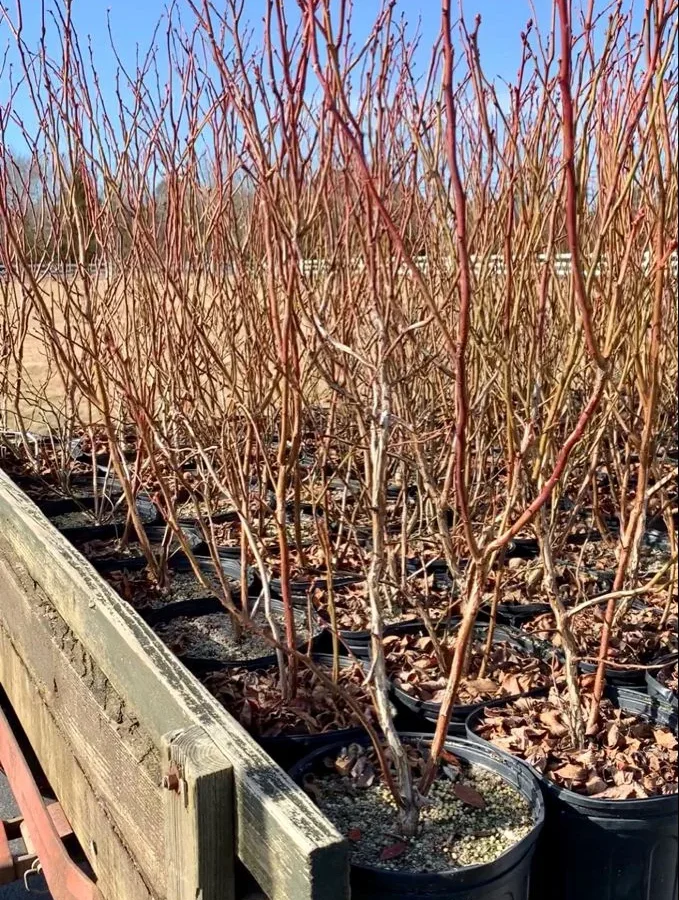
Figuring out how to tell if blueberry bush is dead often feels like guessing during early spring. Many healthy plants look completely lifeless while resting through winter dormancy. You need a reliable method before grabbing the shovel.
University extension research confirms blueberries can remain dormant for weeks after temperatures rise above freezing. This natural delay causes unnecessary removal of viable plants every year. We will walk you through a proven diagnostic workflow to save your bushes.
Quick Answer
To tell if a blueberry bush is dead, perform the scratch test on multiple canes. Green tissue under the bark means the plant is alive. Brown and brittle wood indicates that specific cane is dead.
Wait until bud break to confirm whole-plant failure.
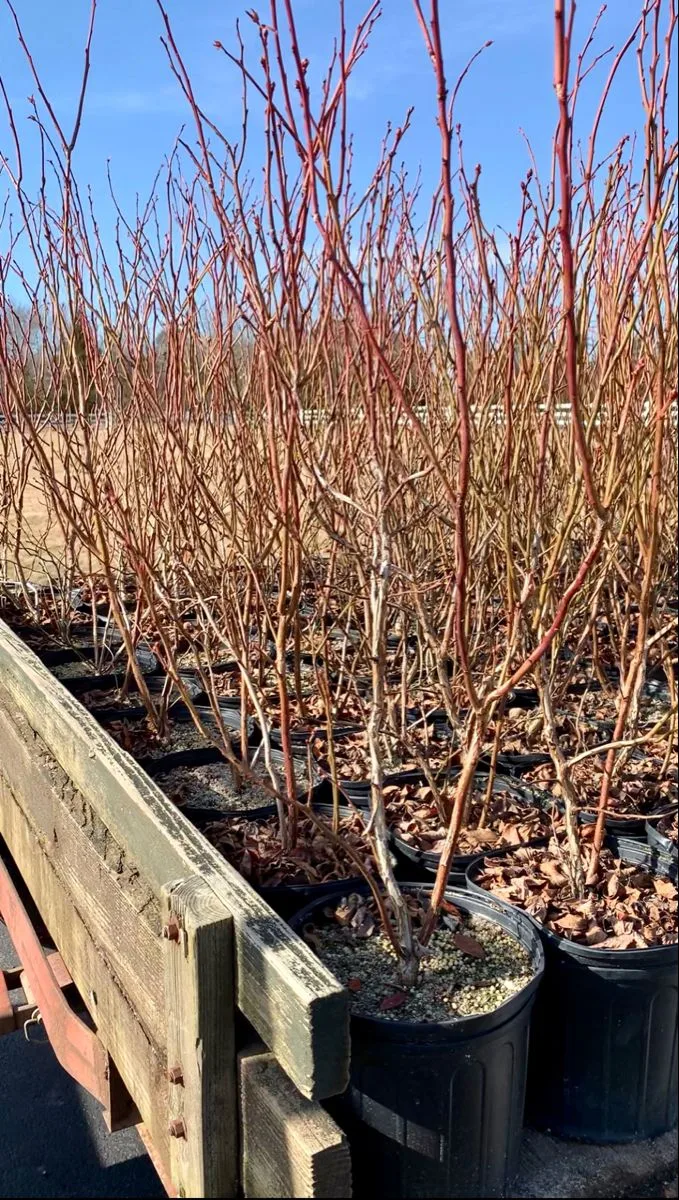
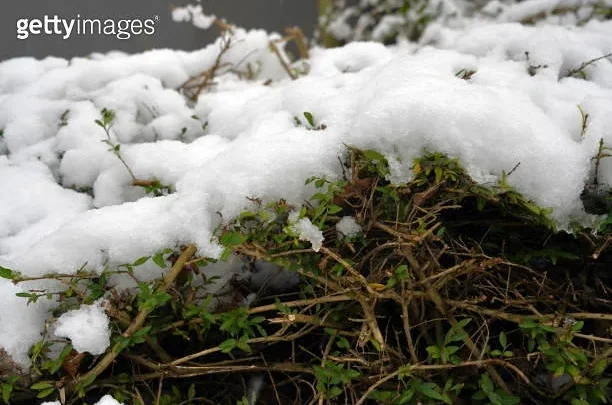
Image source: Web (Bing) / pinterest.com (Web image (fair-use with source credit))
The Quick Scratch Test: Your First Diagnostic Step
The scratch test is the single most reliable field method for checking blueberry vitality. You simply scrape away a tiny sliver of bark to inspect the cambium layer underneath. This thin tissue transports nutrients and water throughout the plant.
If the cambium appears green or light yellowish-green, that cane is still living. A brown, tan, or dry white color means the tissue has died. Always test multiple canes at different heights for accuracy.
One dead branch does not mean the entire bush is gone.
Performing the Test Correctly
Use a clean thumbnail or sterile knife to avoid introducing pathogens. Scrape gently near a leaf bud or node where tissue is most active. Avoid girdling the stem by keeping the wound small and shallow.
Test canes from the base up to the tips. Winter injury often kills upper growth first while leaving lower canes viable. Document what you find so you can track changes over coming weeks.
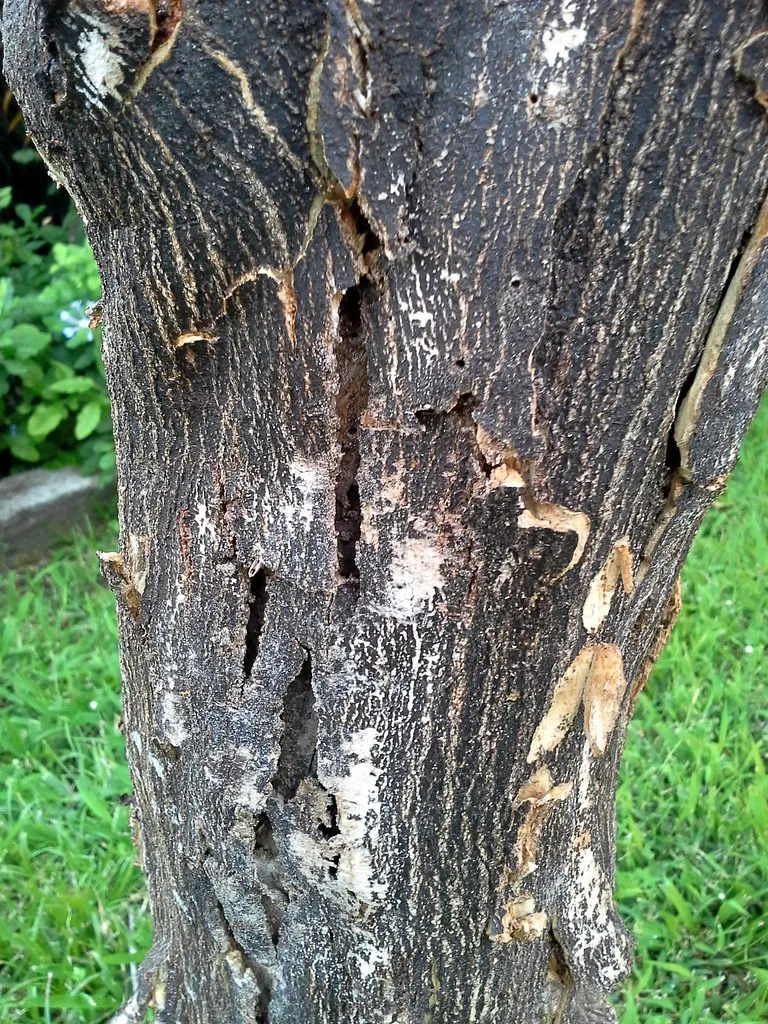
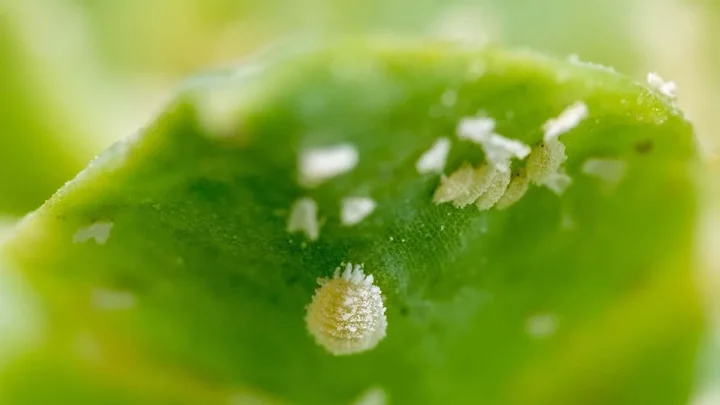
Image source: Bing (Web (fair-use with source credit))
When Results Are Unclear
Sometimes the cambium looks pale or mottled rather than clearly green or brown. This ambiguity usually means the plant is transitioning between dormancy and active growth. Give it another two weeks before making any final decisions.
Retest the same canes later to see if color improves. Warming soil temperatures often trigger delayed greening in marginal tissue. Patience here prevents costly mistakes that cannot be undone.
Dormant or Dead: Reading Seasonal and Visual Cues
Blueberry bushes enter deep dormancy as daylight decreases and temperatures drop in autumn. They shed leaves and shut down metabolic processes to survive freezing conditions. This state makes them look indistinguishable from dead wood to untrained eyes.
Dormancy breaks only after the plant accumulates sufficient chill hours below 45°F. Highbush varieties typically require 600 to 1000 chill hours depending on cultivar. Until this threshold is met, no visible growth will occur regardless of warm spells.
Visual Signs of Healthy Dormancy
Healthy dormant canes have smooth, intact bark without cracks or lesions. Buds appear plump and tightly closed rather than shriveled or moldy. The overall plant structure remains upright and flexible when bent gently.
Soil around the base should be moist but never soggy during winter rest. Dry soil suggests desiccation damage that may kill roots even if canes look fine. Check moisture levels monthly during extended dry periods.
Red Flags Beyond Normal Rest
Peeling bark, sunken cankers, or fungal fruiting bodies signal disease rather than dormancy. Canes that snap cleanly instead of bending have lost internal moisture and structural integrity. These symptoms warrant immediate investigation beyond simple seasonal waiting.
Leaf buds that fail to swell four weeks after consistent warming likely indicate failure. Compare your plant against nearby healthy specimens of the same variety. Significant deviation from local phenology suggests an underlying problem needing intervention.
Step-by-Step Assessment Workflow for Blueberry Vitals
Diagnosing blueberry health requires a systematic approach rather than random checking. Following a consistent sequence ensures you catch subtle signs before they become obvious failures. This workflow works for both container and in-ground plantings.
Start your assessment in early spring once daytime temperatures consistently reach 50°F. Record baseline observations so you can measure progress over time. Consistency matters more than speed when evaluating perennial crops.
Phase One: Crown and Base Inspection
Examine the crown where canes emerge from the soil line. Look for rodent girdling, mechanical damage, or rot at this critical junction. Voles often chew bark beneath snow cover during winter months.
Gently probe soil around the base to check root zone conditions. Mushy or foul-smelling soil indicates Phytophthora root rot, a common killer of blueberries. Healthy roots should feel firm and smell earthy rather than sour.
Phase Two: Cane Flexibility and Bud Evaluation
Work upward from the base testing flexibility every six inches. Live wood bends without breaking while dead wood snaps abruptly. Note the height where flexibility transitions to brittleness on each cane.
Inspect leaf buds closely for swelling or discoloration. Healthy buds enlarge gradually as temperatures stabilize above freezing. Shriveled, blackened, or hollow buds confirm tissue death at that location.
Phase Three: Root Zone Verification
If above-ground tests are inconclusive, carefully excavate near the drip line. Expose a few feeder roots to check color and turgor pressure. White or cream-colored roots with firm texture indicate viability.
Dark brown, slimy, or easily detached roots signal advanced decay. Replace soil immediately after inspection to prevent drying. Limit root disturbance to one small area per plant to minimize stress.
Distinguishing Disease, Winter Kill, and Soil Stress
Not all blueberry decline stems from the same cause. Misidentifying the problem leads to wasted effort treating symptoms instead of sources. Accurate diagnosis directs you toward effective solutions or timely replacement.
Winter kill typically affects upper canes first due to exposure. Damage patterns follow temperature gradients rather than random distribution. Lower protected growth often survives even when tops die back completely.
Recognizing Pathogen Symptoms
Fungal diseases like cane blight create distinct lesion boundaries on stems. Affected areas often show concentric rings or target-like patterns. Spore masses may appear as tiny dots within damaged tissue during humid weather.
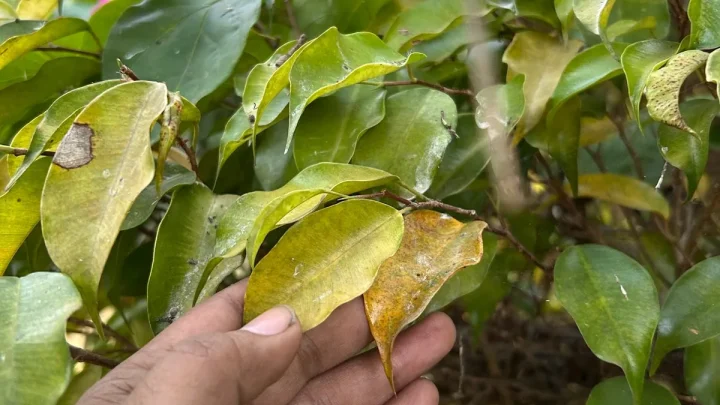
Root pathogens manifest as gradual decline rather than sudden death. Leaves may yellow prematurely or show marginal scorch despite adequate moisture. Plants often collapse during summer heat stress after appearing normal in spring.
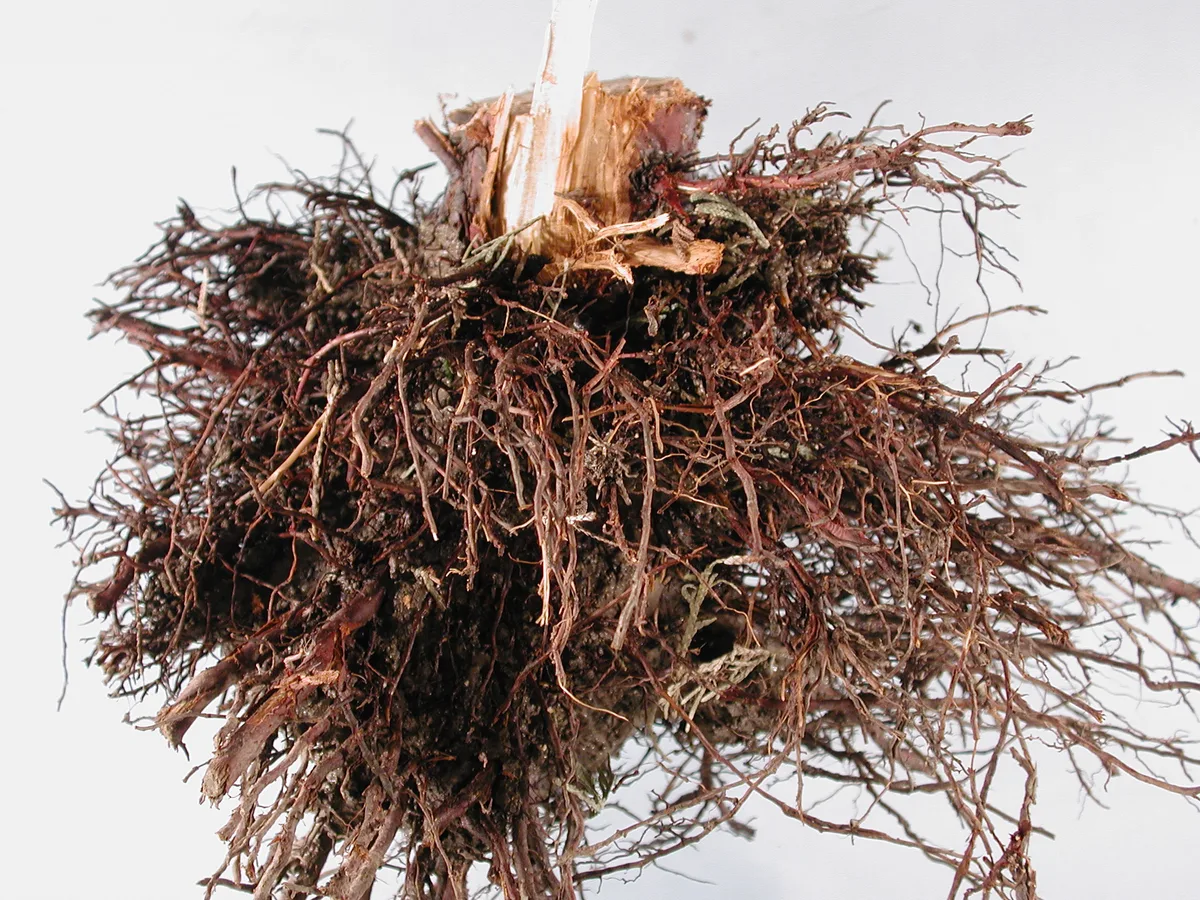
Image source: Web (Bing) / semanticscholar.org (Web image (fair-use with source credit))
Identifying Abiotic Stress Factors
Soil pH outside the 4.5 to 5.5 range causes nutrient lockout mimicking disease. Iron chlorosis produces interveinal yellowing starting on newest growth. Test soil chemistry before assuming biological causes for poor performance.
Drought stress creates uniform wilting across all canes simultaneously. Recovery occurs quickly after thorough watering if roots remain viable. Chronic underwatering leads to progressive dieback beginning at branch tips.
Decision Matrix for Common Problems
| Symptom Pattern | Likely Cause | Immediate Action |
|---|---|---|
| Upper cane death, live base | Winter injury | Prune to live wood after bud break |
| Random cane death with lesions | Fungal disease | Remove affected parts, sanitize tools |
| Uniform yellowing, slow growth | pH/nutrient issue | Test soil, amend based on results |
| Sudden collapse in summer | Root rot/drought | Check drainage, adjust irrigation |
| No bud break after 6 weeks | Whole plant failure | Confirm with root inspection, replace |
Common Mistakes That Lead to Premature Removal
Rushing the diagnosis costs gardeners productive plants every season. Blueberries operate on their own timeline regardless of human impatience. Understanding these frequent errors helps you avoid joining the statistics.
Pruning before confirming death removes potential fruiting wood. Wait until buds visibly swell or fail to open before cutting. Late pruning is always safer than early pruning for uncertain plants.
Overwatering Stressed Plants
Declining blueberries often receive excessive water from well-meaning growers. Saturated soil suffocates remaining roots and accelerates pathogen spread. Moisture meters provide objective data better than surface appearance alone.
Water only when soil feels dry one inch below surface. Mulch helps maintain consistent moisture without waterlogging. Improve drainage before adding more water to struggling specimens.
Ignoring Variety-Specific Timing
Different cultivars break dormancy at different rates. Northern highbush naturally emerges later than southern rabbiteye types. Comparing unrelated varieties creates false alarms about individual plant health.
Know your specific cultivar's expected bud break window for your region. Consult nursery tags or extension publications for accurate timelines. Allow extra margin for young or recently transplanted bushes establishing roots.
Skipping the Waiting Period
Final confirmation requires observing actual growth response. Scratch tests provide snapshots but not complete pictures. Some damaged plants push late growth from basal buds after upper canes fail.
Commit to a minimum six-week observation period after warming begins. Mark calendar dates for re-evaluation to maintain discipline. Only declare total failure after exhausting all recovery possibilities through proper timing.
FAQs on Blueberry Bush Recovery and Replacement
How long should I wait before declaring a blueberry bush dead?
Wait at least six weeks after consistent spring warming begins. Some varieties push basal growth much later than upper canes. Rushing this timeline is the most common cause of unnecessary removal.
If no buds swell by early summer, replacement is likely necessary.
Can a blueberry bush recover from complete leaf loss?
Yes, if the root system and crown remain healthy. Blueberries store energy in roots to regenerate after top damage. Check cambium color at the base to confirm viability.
New shoots often emerge from soil level even when all upper wood dies.
What does new growth from the base mean for my bush?
Basal growth indicates the root crown is still alive and functional. This is excellent news for recovery potential. However, fruit production will be delayed one to two years.
Prune away dead upper canes to direct energy toward these new shoots.
Should I fertilize a blueberry bush that looks dead?
Do not fertilize until you confirm active growth has resumed. Nutrients cannot revive dead tissue and may burn stressed roots. Wait for visible bud break or positive scratch test results.
Then apply light acidic fertilizer formulated specifically for ericaceous plants.
How do I prevent false death diagnoses next season?
Track chill hour accumulation for your specific cultivar each winter. Note expected bud break dates based on local extension data. Perform monthly moisture checks during dormancy to prevent desiccation.
Keeping detailed records eliminates guesswork when spring arrives.

Similar Posts