Will Your Mint Plant Survive Winter? What You Need to Know
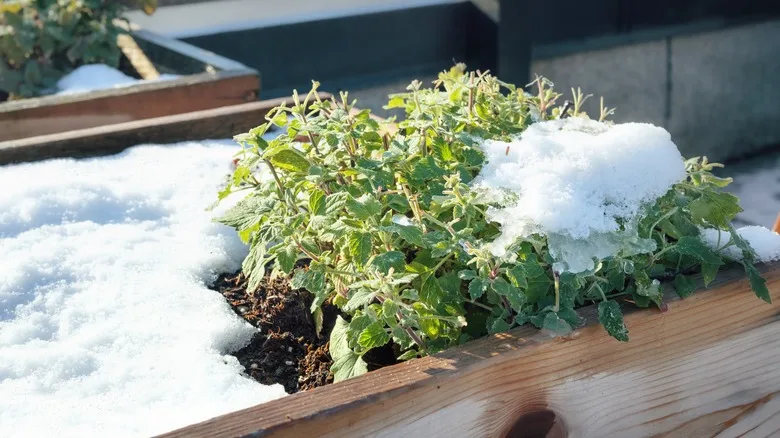
If you've ever wondered whether mint plants can survive winter, the short answer is yes. Most common varieties bounce back every spring if their roots stay alive. The top growth usually turns brown and dies after a hard frost.
That's completely normal for this perennial herb.
In our research across university extension data, peppermint and spearmint reliably handle temperatures down to USDA Zone 3. That means soil temps dipping near 20°F won't kill established root systems in the ground. As of 2026, container growers still face much higher risks because pots freeze solid faster than garden beds.
Let's look at exactly how to keep your mint alive until spring.
Image source: Bing (Web (fair-use with source credit))
Quick Answer
Yes, mint plants can survive winter outdoors. Hardy types like peppermint tolerate freezing soil. The green stems will die back completely.
The underground rhizomes stay alive and regrow in spring.
How Cold Is Too Cold? Matching Your Mint Variety to Your USDA Zone
Mint survival depends entirely on your local climate and the specific variety you planted. Not all mint handles cold the same way. Peppermint (Mentha x piperita) and spearmint (Mentha spicata) are incredibly tough.
They easily survive winters in USDA Zones 4 through 9 without any special help.
Some vigorous peppermint strains even push into Zone 3 territory when mulched properly. You can check your exact rating using the official USDA Plant Hardiness Zone Map. Knowing your zone tells you immediately if your mint needs protection or not.
Tender varieties tell a different story. Pineapple mint and certain variegated types lack that deep cold tolerance. They often fail in zones colder than Zone 6 unless you bring them indoors.
If you live where winter temps regularly drop below 10°F, even hardy mint needs insulation.
Here is how common varieties stack up against the cold.
| Mint Variety | Minimum USDA Zone | Winter Behavior |
|---|---|---|
| Peppermint | Zone 3 to 4 | Dies back, roots survive deep freezes |
| Spearmint | Zone 4 to 5 | Highly reliable perennial return |
| Apple mint | Zone 5 to 6 | Needs mulch in colder regions |
| Chocolate mint | Zone 5 | Similar hardiness to standard peppermint |
| Pineapple mint | Zone 7 to 8 | Often dies if left outside in hard frosts |
Aggregate reviews from regional gardening programs confirm these thresholds hold true for most home growers. If your zone matches the minimum rating, your in-ground mint will likely return. If you sit one zone colder than the rating, you need to take action before the first hard frost hits.

Image source: Bing (Web (fair-use with source credit))
The Decision Tree: Overwintering In-Ground vs. Potted Mint
Figuring out what to do with your mint starts with one simple question. Is it planted directly in the earth, or is it sitting in a container? The answer dictates your entire winter prep strategy.
Ground soil acts as a massive insulator that keeps roots safe. Pots offer almost no thermal protection once the air drops below freezing.
Use this logic to decide your next steps.
- If your mint is in the ground and you live in Zone 5 or warmer: Do very little. Cut back dead stems after the first hard frost. Apply two inches of straw or shredded leaves over the crown. Leave it alone until spring.
- If your mint is in the ground and you live in Zone 4 or colder: You must mulch heavily. Wait for the soil to freeze slightly. Then pile three to four inches of mulch over the bed. This prevents frost heave from pushing shallow rhizomes out of the dirt.
- If your mint is in a pot and you have an unheated garage or shed: Move the whole container inside before temps hit 25°F. The goal is keeping the plant dormant but preventing the root ball from turning into a solid block of ice. Water it lightly once a month so the soil never turns to dust.
- If your mint is in a pot and you lack indoor storage: Group containers against a south-facing house wall. Wrap the pots tightly in bubble wrap or burlap. The wall radiates stored heat, and the wrapping slows down the freezing process.
- If you grow a tender variety like pineapple mint: Bring it inside your heated living space. Place it near a bright window. Treat it as a houseplant until outdoor nighttime temps stay above 50°F again.
University extension guidelines consistently stress that container size matters here. A pot smaller than 12 inches in diameter freezes too fast to protect roots outdoors. If your mint is in a tiny decorative planter, repot it into a larger vessel before winter arrives.
Bigger soil volume equals slower temperature drops.
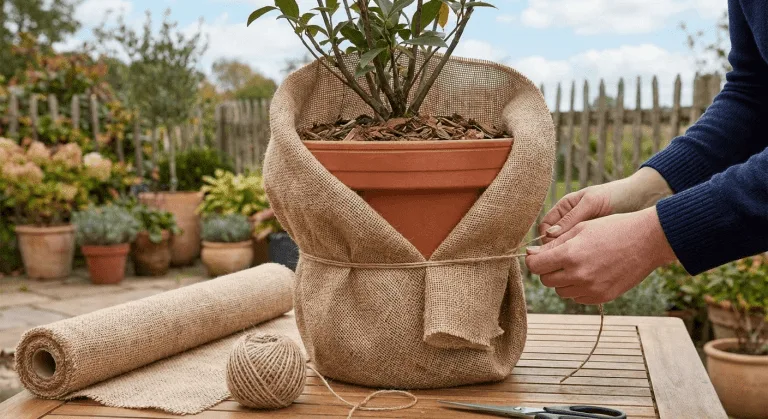
Image source: Bing (Web (fair-use with source credit))
Step-by-Step Workflow to Prep and Protect Mint for Winter
Getting your mint ready for dormancy takes about twenty minutes. Start this workflow in late autumn after a few light frosts but before the ground freezes solid. Timing matters because prepping too early encourages rot, while waiting too long exposes bare roots.
Follow these steps in order.
- Stop fertilizing by late summer. Feeding mint nitrogen in October forces tender new growth. That soft tissue gets destroyed by the first real freeze and invites disease. Let the plant naturally slow down as daylight drops.
- Cut back the foliage after a hard frost. Once the leaves turn black and crispy, grab pruning shears. Snip the stems down to about two inches above the soil line. Don't pull them up by the roots. Leaving those short stubs helps mark where the plant lives under winter mulch.
- Clear away fallen debris. Rake up old leaves and dead stems around the base. Decaying plant matter traps moisture against the crown. Wet crowns develop fungal rot during long thaws.
- Apply your winter mulch. Spread two to four inches of weed-free straw, pine needles, or shredded bark over the cut stems. Keep the material loose. Packing it down tight suffocates the soil and blocks necessary air exchange.
- Water deeply one last time. Give the bed a thorough soaking right before the ground locks up for the season. Hydrated roots survive freezing temps far better than dry ones. Dry soil pulls moisture straight out of the rhizomes through osmosis.
- Secure your containers. If you decided to leave pots outside based on our decision tree earlier, lift them off the bare ground. Set them on wooden pallets or thick foam boards. This breaks the thermal bridge between the frozen concrete and the pot bottom.
We've found that skipping step five causes more winter kill than actual cold temperatures. Dormant mint doesn't need weekly watering, but it absolutely needs baseline moisture heading into December. Check your setup monthly.
If heavy winds blow your mulch away, replace it immediately.
Why Your Mint Looks Dead (And the Mistakes That Actually Kill It)
Seeing a pot of brown, brittle sticks in January makes people panic. They assume the plant died and toss it in the compost bin. That's the biggest mistake we see new herb growers make.
Mint is a herbaceous perennial, meaning the top growth is supposed to disappear.
The actual plant lives entirely underground during winter. Those spreading rhizomes store all the energy needed for a massive spring flush. If you scratch the surface of the soil gently, you'll often find firm, pale roots waiting quietly.
True winter death happens for very specific reasons unrelated to normal dormancy.
Here is what actually kills mint between November and March.
- Root rot from overwatering. Dormant plants don't drink. If you keep watering a garage-stored pot like it's July, the roots drown in soggy soil. Fungal pathogens take over quickly in cold, wet conditions.
- Pots freezing solid. Soil expands when it turns to ice. In a small container, that expansion crushes delicate root hairs against the plastic walls. Once the cellular structure breaks, the root cannot transport water come spring.
- Mulch packed too tight. Piling heavy, wet leaves directly onto the crown creates a suffocating blanket. The center rots out while the edges might survive. Always use fluffy materials like straw that trap air pockets.
- Frost heave in shallow beds. Repeated freezing and thawing cycles push the soil up and down. Shallow roots get physically ripped out of the ground and exposed to drying winds. Heavy mulch stabilizes soil temperatures to prevent this lifting effect.
- Indoor heating shock. Bringing a pot inside a 70°F living room confuses the plant. It tries to break dormancy early but lacks adequate sunlight. The resulting growth is weak, spindly, and highly susceptible to spider mites.
If your mint suffered last year, match the symptoms above to figure out why. Brown stems mean nothing. Mushy black roots mean everything.
Wait until soil temperatures climb consistently above 50°F in spring before declaring the plant truly gone. Most healthy patches start pushing up bright green shoots within two to four weeks after your region's last average frost date.
Frequently Asked Questions
Should I cut back mint before winter?
Yes, you should cut mint back after the first hard frost. Snip dead stems to about two inches above the soil line. Leaving tall, dead foliage traps moisture against the crown.
That trapped moisture often leads to fungal rot during long winter thaws.
Can potted mint survive outside in freezing weather?
Potted mint struggles outside when temperatures drop below 25°F. Containers lack the deep soil insulation that garden beds provide. If you must leave pots outdoors, wrap them tightly in bubble wrap.
Grouping them against a warm south-facing wall also helps prevent root death.
How do I know if my mint is dormant or dead?
Dormant mint has brown, crispy top growth but firm underground roots. Scratch the soil surface gently near the base of the plant. Healthy rhizomes feel solid and look pale white or light tan.
Mushy black roots mean the plant suffered fatal winter damage.
When does mint come back after winter?
Mint typically pushes up new green shoots two to four weeks after your last spring frost. The soil needs to warm consistently above 50°F for active growth to resume. You will see tiny leaves emerging directly from the soil surface.
Don't dig up the bed looking for signs of life before then.
Do I need to water mint during winter dormancy?
You only need to water dormant mint occasionally to prevent total dehydration. For pots stored in an unheated garage, check the soil once a month. Give it just enough water to keep the dirt from turning into dust.
Never soak dormant plants because wet roots freeze much faster than slightly moist ones.

Similar Posts