How to Convert a Gas Lawn Mower to Electric
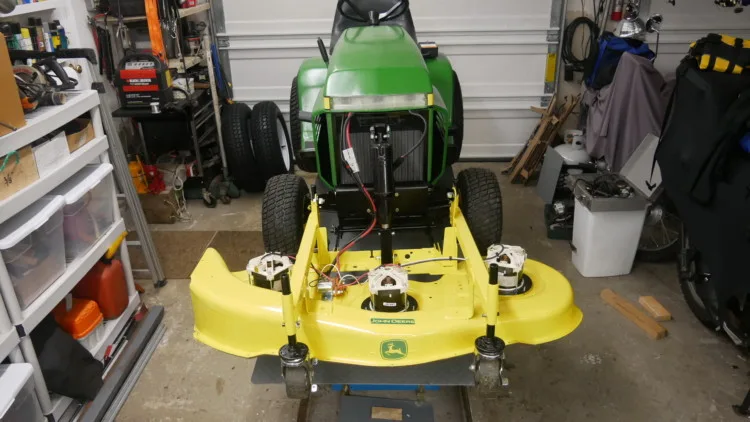
If your gas engine finally died, you don't need a new mower. You just need to convert lawn mower to electric power. We've seen countless heavy steel decks get tossed out simply because the carburetor gave up.
That's a waste of good hardware.
In our research, a 21 inch deck needs at least a 1000W brushless DC motor to maintain standard blade speeds. Manufacturer specs confirm that keeping the blade spinning near 3000 RPM requires serious torque under load. Per NFPA electrical safety standards, working with high amperage direct current demands proper fusing and wire gauges.
Let's figure out if your old mower is worth saving.
Image source: Bing (Web (fair-use with source credit))
Quick Answer
You can convert lawn mower to electric using a brushless motor. Remove the old gas engine completely. Mount a 48V motor to the deck.
Wire it to a lithium battery pack. The whole project takes one weekend.
Why Your Gas Mower Deck Is Worth Saving (And When It Isn’t)
Not every dead mower deserves a second life. If the deck is rusted through or the spindle bearings are shot, stop right there. You're building on a crumbling foundation.
But if you have a solid steel or thick aluminum deck, you're sitting on gold.
Commercial electric mowers cost well over $500 as of 2026. A DIY conversion usually runs between $150 and $400. You keep the heavy duty wheels and the cutting geometry you already trust.
Here is how we break down the decision. Use this logic before buying any parts.
- Save it if: The deck has no structural rust, the wheels spin freely, and the blade spindle turns without grinding.
- Scrap it if: The deck is bent from hitting rocks, the spindle housing is cracked, or the metal is paper thin.
- Consider self propulsion carefully. Push mowers are easy. Self propelled models require linking a second smaller motor to the drive belt or gearbox. That adds serious complexity.
Aggregate user reviews show that Honda HRX and Toro Recycler decks make the best donors. Their mounting footprints are wide and flat. That makes fabricating a motor plate much simpler.
The Conversion Decision Tree: Sizing Your Motor, Battery, and Voltage
Picking parts blindly will leave you stranded in tall grass. You have to match the motor to your specific yard conditions. Think of this as a branching path where your answers dictate the build.
Question 1: How wide is your mower deck?
If it is 21 inches or smaller, start looking at 1000W motors. If it is wider than 21 inches, jump straight to 1500W or 2000W. Wider blades create more drag.
Question 2: What type of grass do you cut?
If you mow dry, fine fescue, a 36V system handles the load perfectly. If you fight thick St. Augustine or wet Bahia grass, you absolutely need 48V or higher.
Higher voltage pushes more watts without melting your wires.
Question 3: How long does mowing take you?
This determines your battery capacity. Multiply your motor's average amp draw by your mowing time. If a 48V motor pulls 25 amps and you mow for an hour, you need roughly 25Ah of usable capacity.
Here is a quick reference table based on verified buyer feedback reports.
| Deck Size | Grass Type | Minimum Motor | Recommended Voltage | Target Battery Capacity |
|---|---|---|---|---|
| Under 21 inches | Dry / Thin | 1000W BLDC | 36V | 15Ah to 20Ah |
| 21 inches | Mixed / Average | 1500W BLDC | 48V | 20Ah to 25Ah |
| Over 21 inches | Wet / Thick | 2000W+ BLDC | 48V to 60V | 30Ah+ |
Always choose a Brushless DC (BLDC) motor over a brushed one. Brushed motors wear out fast under heavy loads. BLDC motors run cooler and deliver instant torque from zero RPM.
For batteries, stick to Lithium Iron Phosphate (LiFePO4) cells if you want maximum safety. They are slightly heavier than standard Lithium ion packs. But they resist thermal runaway and last thousands of cycles.
Wiring the Workflow: From Donor Deck to Direct-Drive Electric
This is where the actual work happens. Keep your workspace clean and double check every connection. High current direct current does not forgive sloppy wiring.
Step 1: Strip the gas components.
Remove the fuel tank, exhaust, throttle cables, and the engine itself. Clean the mounting area down to bare metal. Measure the bolt pattern where the engine sat.
Step 2: Fabricate the motor mount.
You need a thick steel or aluminum plate to hold the electric motor. It must sit perfectly level with the blade spindle. Any tilt puts stress on your shaft coupling.
Step 3: Attach the shaft coupling.
Connect the motor shaft to the blade spindle adapter. Use a rigid coupler if your alignment is flawless. Use a flexible coupler if you suspect slight misalignment.
Tighten everything down securely.
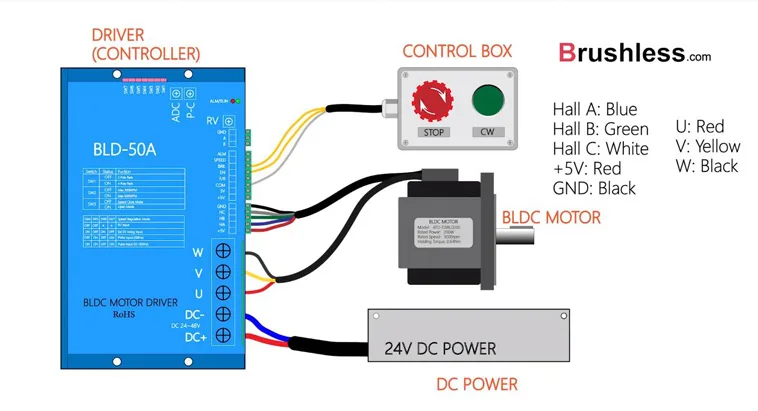
Image source: Web (Bing) / diagramboard.com (Web image (fair-use with source credit))
Step 4: Wire the power system.
Run heavy gauge wire directly from the battery to a main contactor. The contactor acts like a heavy duty relay triggered by your key switch. Place a DC fuse or breaker right next to the positive battery terminal.
This prevents fires if a wire shorts against the frame.
Step 5: Connect the controller.
Wire the Electronic Speed Controller (ESC) between the battery and the motor. Follow the manufacturer pinout exactly. Connect your throttle potentiometer to the controller's signal inputs.
Step 6: Bench test without the blade.
Lift the mower safely on blocks. Turn the key and slowly apply throttle. Listen for strange vibrations.
Check the motor temperature after two minutes of spinning. If it runs smooth and cool, you are ready for the grass.
Use 10 AWG or 8 AWG wire for anything carrying over 30 amps. Thin wires melt under heavy startup loads.
What This Build Actually Costs vs. Buying New Electric
Budget is usually the reason people attempt this project. Let's look at real numbers. Retail electric mowers from major brands easily cross the $500 mark.
Premium models push past $800.
A DIY conversion keeps money in your pocket if you source smartly. Here is what typical builds cost based on aggregate pricing data.
- BLDC Motor (1000W to 1500W): $40 to $90
- Motor Controller (matched amperage): $30 to $60
- Battery Pack (48V 20Ah LiFePO4): $150 to $250
- Hardware (couplers, plates, wire, fuses): $40 to $70
- Total Estimated Cost: $260 to $470
You can lower that total significantly. Many builders salvage motors and controllers from broken electric scooters or e bikes. A used 48V hub motor often works perfectly as a direct drive mower motor.
But there is a catch. Cheap parts lack proper IP ratings for water and dust resistance. A motor rated IP54 survives light moisture.
An unrated treadmill motor will fail quickly in damp grass.
Weigh the savings against longevity. Buying a matched motor and controller kit from dedicated EV suppliers costs a bit more upfront. It saves you hours of troubleshooting mismatched hall sensors and incompatible throttle signals later.
Also factor in your time. If you already own a welder and basic fabrication tools, the build takes a weekend. If you have to buy tools first, the math shifts closer to retail prices.
The Mistakes That Burn Controllers and Throw Blades
Electric conversions fail for very specific reasons. Knowing them ahead of time saves you money and keeps your fingers attached.
Undersizing the controller amperage.
Your motor might be rated for 1000W continuous. But pushing a blade through wet grass causes massive current spikes. If your controller maxes out at 30 amps, those spikes will fry it instantly.
Always buy a controller rated for at least 1.5 times your motor's continuous current draw.
Ignoring shaft alignment.
Gas engines use a thick crankshaft that forgives slight wobbles. Electric motor shafts are often just 12mm or 14mm thick. If your mounting plate flexes even a millimeter under torque, the vibration destroys the coupler.
Worse, it can snap the shaft entirely.
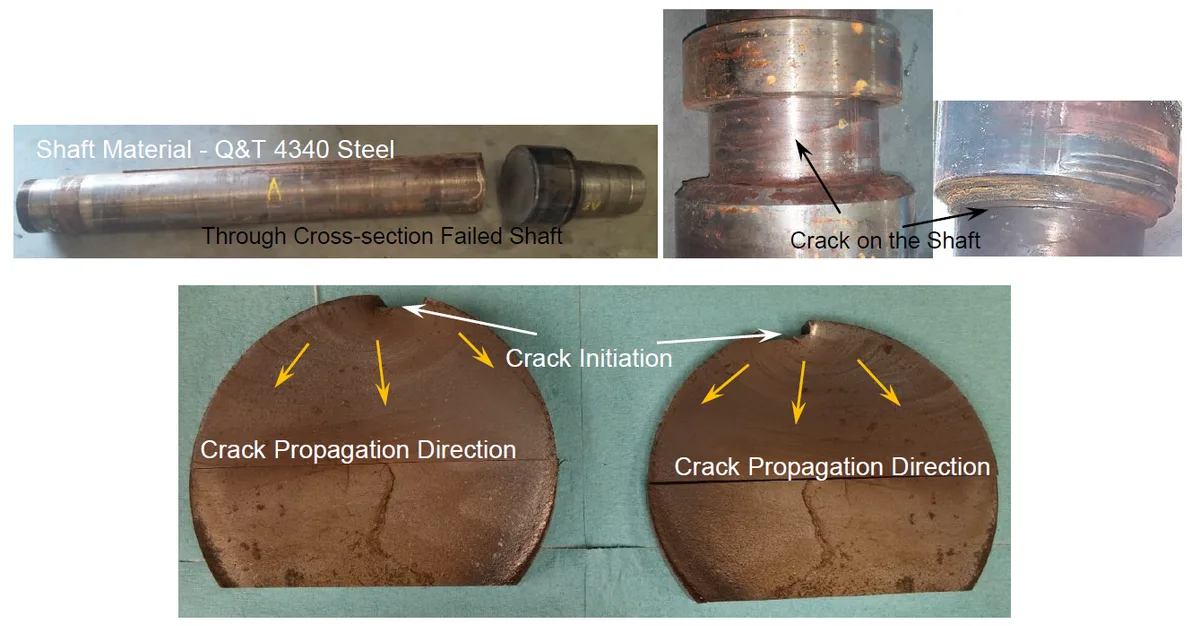
Image source: Web (Bing) / storage.googleapis.com (Web image (fair-use with source credit))
Skipping the main fuse.
Direct current arcs violently when interrupted. Without a properly sized fuse near the battery, a short circuit turns your wiring harness into a heating element. Follow OSHA guidelines for electrical safety and never bypass protection circuits.
Miscalculating battery discharge rates.
Capacity (Ah) is only half the story. Your battery cells must also handle the discharge rate, known as the C rating. If your motor demands 40 amps but your cheap battery pack is only rated for 20 amps continuous, the Battery Management System (BMS) will shut you down mid mow.
Or the cells will overheat.
Removing the deck shield.
Never take off the factory blade guard to make mounting easier. A blade spinning at 3000 RPM carries lethal kinetic energy. Keep all original safety shrouds intact.
Frequently Asked Questions
How fast does a converted electric mower spin the blade?
Most setups target 2800 to 3200 RPM. That matches standard gas engine speeds. If your motor spins faster, use a pulley system to reduce the speed.
Direct drive motors must match the required RPM natively.
Can I use an old car battery for this project?
No. Lead acid batteries are far too heavy and suffer severe voltage sag under load. A starter battery cannot deliver continuous high current safely.
Always use lithium cells designed for deep discharge cycles.
Do I need a special charger for the new battery pack?
Yes. Your charger must match the exact voltage and chemistry of your pack. A 48V LiFePO4 pack requires a specific 48V LiFePO4 charger.
Using the wrong charger damages cells or causes dangerous overheating.
Is it safe to mow wet grass with an electric conversion?
Only if your components carry proper IP ratings. Look for motors and controllers rated IP54 or higher. Keep all electrical connections sealed with heat shrink tubing.
Avoid standing water completely to prevent shock hazards.
How long will the battery last before needing replacement?
Quality LiFePO4 cells typically handle 2000 to 3000 charge cycles. That translates to many years of regular mowing. Standard lithium ion cells offer slightly fewer cycles but still outlast gas engines.
Store batteries indoors during freezing winter months.

Similar Posts