Will Pothos Kill My Cat? What Every Pet Owner Must Know
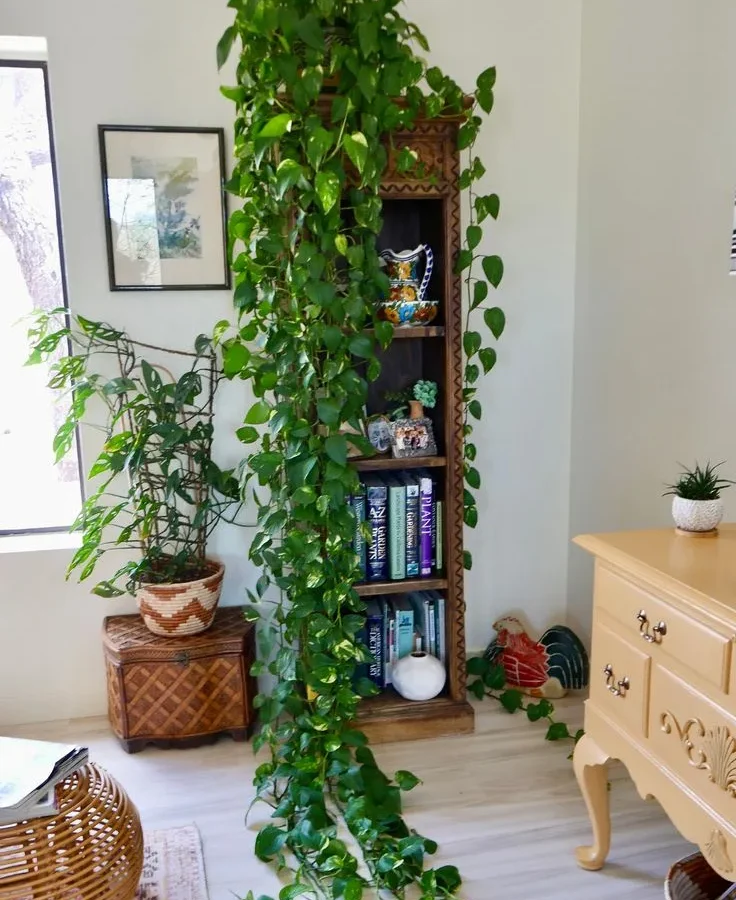
If you are asking "will pothos kill my cat," the immediate answer is almost certainly no. This common houseplant causes painful mouth irritation but rarely leads to fatal systemic poisoning in felines. You can breathe easier knowing that while the reaction looks scary, it is typically self-limiting.
The ASPCA classifies Epipremnum aureum as toxic due to insoluble calcium oxalates rather than lethal compounds. Veterinary toxicology data confirms symptoms appear within minutes but resolve without organ damage in most cases. Let’s break down exactly what happens biologically so you understand the real risk level.
Image source: Bing (Web (fair-use with source credit))
Quick Answer
Pothos will not kill your cat under normal circumstances. The plant contains insoluble calcium oxalate crystals causing oral pain. Symptoms include drooling and pawing at the mouth.
Reactions are immediate but rarely life-threatening or systemic. Most cats recover fully with supportive home care.
How Calcium Oxalate Crystals Actually Affect Cats
The Mechanics of Oral Irritation
Pothos toxicity stems from microscopic needle-shaped structures called raphides. These insoluble calcium oxalate crystals act like tiny glass shards embedded in plant tissue. When your cat chews a leaf, the mechanical pressure ejects these sharp crystals into soft oral tissues.
This physical injury triggers an intense inflammatory response upon contact. The sap also contains proteolytic enzymes that worsen the chemical irritation significantly. It is a dual mechanism of mechanical stabbing plus enzymatic burning.
That combination explains why the reaction is so dramatic yet localized.
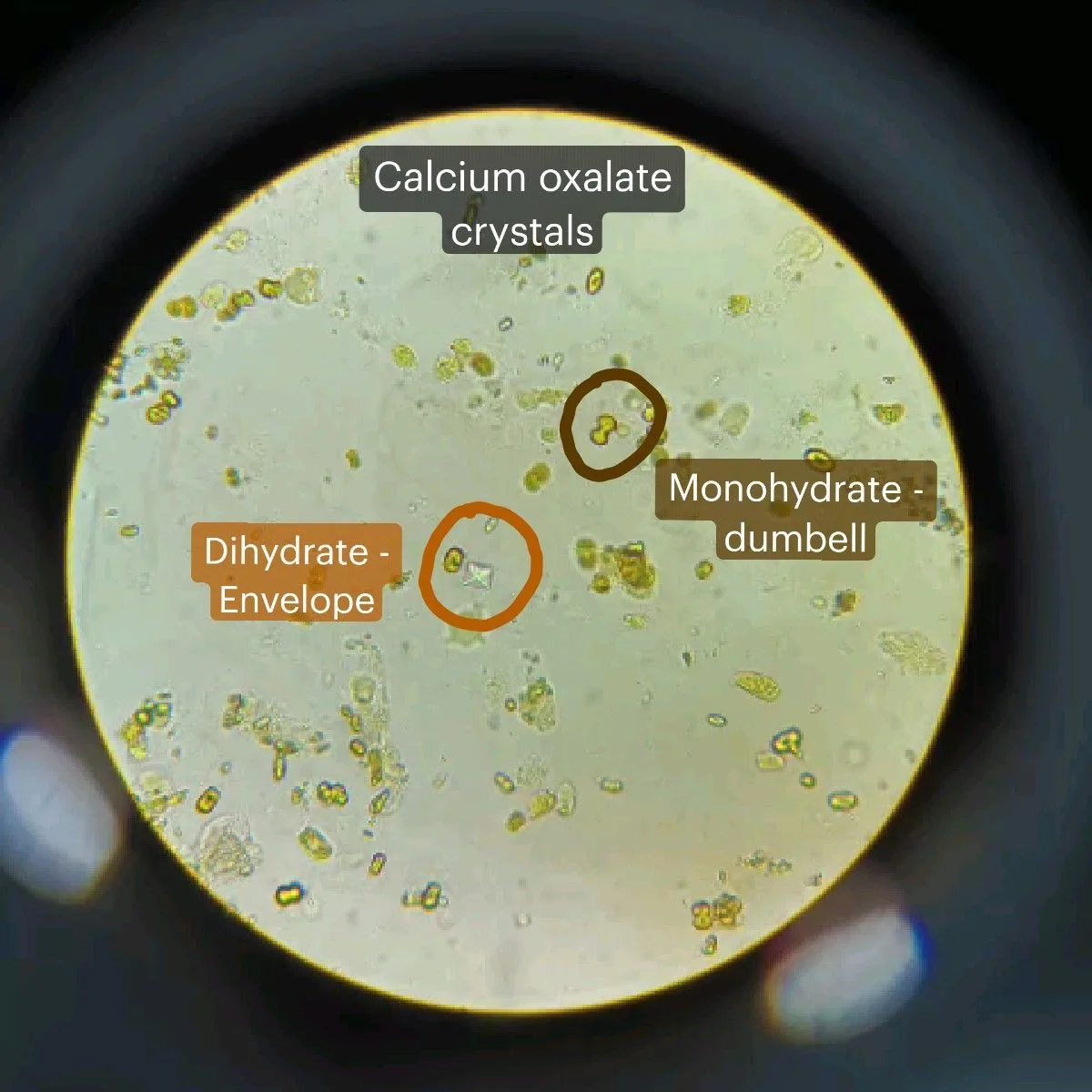
Image source: Bing (Web (fair-use with source credit))
Why Symptoms Are Immediate but Rarely Fatal
The onset of clinical signs occurs within seconds to five minutes of chewing. Your cat feels sharp pain instantly, which actually serves as a natural deterrent against further ingestion. Most animals stop eating the plant after one or two bites because it hurts too much.
Crucially, these crystals do not enter the bloodstream or cause kidney failure. True lilies contain soluble oxalates that travel systemically and destroy renal tubules. Pothos lacks this soluble fraction entirely, keeping the damage confined to the mouth and throat.
As of 2026, veterinary literature still distinguishes sharply between these two toxicity classes.
Recognizing Pothos Poisoning Symptoms in Cats
Classic Signs of Oral Pain and Irritation
You will likely see hypersalivation or excessive drooling first. This ptyalism is the body’s attempt to flush out the irritating crystals. Your cat may also paw frantically at their face or shake their head repeatedly.
Vocalization or sudden yowling indicates acute oral discomfort. Some cats exhibit oral dysphagia, meaning they struggle to swallow normally. Vomiting can occur if enough plant material was swallowed, but this is less consistent than oral signs.
These symptoms peak quickly and then gradually subside over several hours.
Distinguishing Mild Reactions from True Emergencies
Mild reactions involve drooling and lip smacking without behavioral collapse. Your cat remains alert and responsive despite the obvious mouth pain. Hydration status stays normal since they can still drink water cautiously.
These cases usually resolve with simple home monitoring.
True emergencies present with facial swelling, labored breathing, or complete refusal of water for over twelve hours. Persistent vomiting leading to dehydration requires professional intervention immediately. Neurological signs like tremors or seizures are not associated with pothos and suggest a different toxin.
If you observe any of these severe markers, contact a veterinarian right away.
| Symptom | Severity Level | Typical Duration | Action Required |
|---|---|---|---|
| Excessive Drooling | Mild | 2 to 6 hours | Monitor at home |
| Pawing at Mouth | Mild | 1 to 4 hours | Offer fresh water |
| Vocalization / Crying | Moderate | 30 mins to 2 hours | Comfort and observe |
| Facial Swelling | Severe | Variable | Vet visit needed |
| Breathing Difficulty | Critical | Immediate | Emergency care now |
Immediate Steps to Take After Ingestion
Safe Home Triage and Comfort Measures
First, gently wipe your cat’s mouth with a cool damp cloth to remove residual sap. Do not force water into their mouth as this risks aspiration pneumonia. Instead, offer fresh water or tuna juice in a shallow bowl to encourage voluntary drinking.
Some sources suggest offering a small amount of milk to coat the throat. While not universally recommended by all veterinarians, it can provide temporary soothing relief. Avoid giving any human medications or hydrogen peroxide unless directed by a professional.
Most mild cases improve noticeably within two to four hours using only these comfort measures.
When to Call the Vet or Poison Control
Call the ASPCA Animal Poison Control Center if symptoms persist beyond six hours. Their toxicologists can assess whether your specific case warrants an emergency clinic visit. Have your cat’s weight, estimated ingestion amount, and time of exposure ready before calling.
Seek immediate veterinary care if your cat cannot keep water down or shows airway compromise. Young kittens and senior cats have lower physiological reserves and dehydrate faster. Pre-existing kidney disease also lowers the threshold for professional evaluation.
When in doubt, a precautionary exam is always safer than waiting too long.
Pothos vs. Truly Lethal Houseplants
Identifying High-Risk Lookalikes
Many owners confuse pothos with true lilies (Lilium species), which are catastrophically nephrotoxic. Even minor pollen exposure from true lilies can cause irreversible kidney failure in cats. Sago palms (Cycas revoluta) represent another deadly lookalike containing hepatotoxic cycasin.
Both plants require completely different risk assessments than pothos.
Dieffenbachia and philodendron share the same calcium oxalate mechanism as pothos. They cause similar oral irritation but are equally non-lethal systemically. Knowing this distinction prevents unnecessary panic when identifying unknown chewed plants.
Always verify the botanical name rather than relying on common names alone.
Safe Plant Alternatives for Cat Homes
Spider plants (Chlorophytum comosum) offer trailing aesthetics without any toxicity risk. They tolerate neglect well and produce safe offsets for propagation. Boston ferns (Nephrolepis exaltata) provide lush greenery with zero hazard to curious pets.
Both species satisfy the desire for indoor foliage while eliminating poisoning concerns entirely.
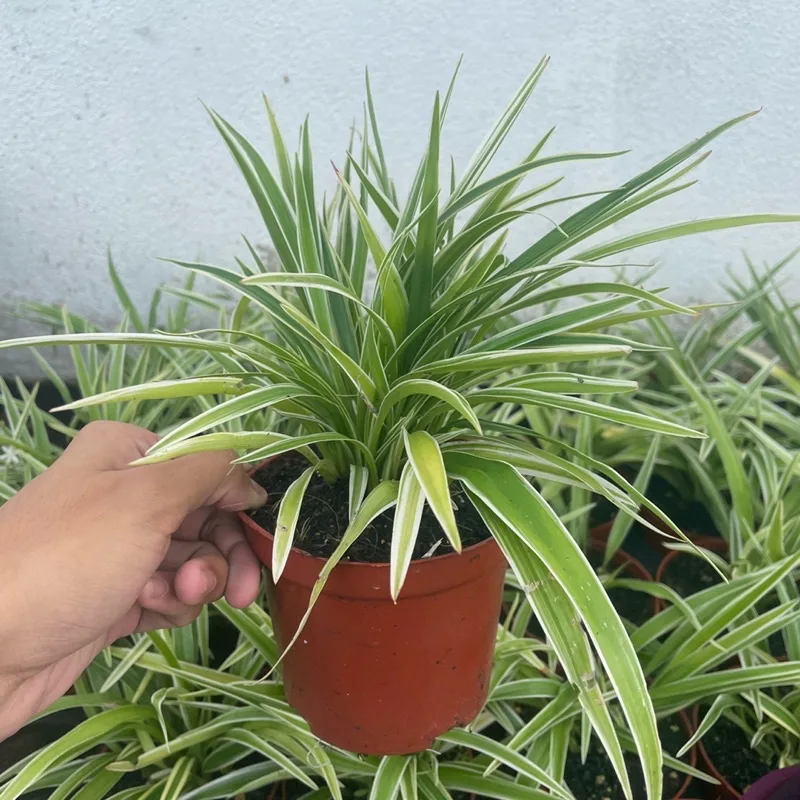
Image source: Bing (Web (fair-use with source credit))
Calathea and maranta varieties feature striking patterns and remain completely cat-safe. These prayer plants prefer higher humidity but reward careful owners with stunning foliage. Choosing verified non-toxic species removes the anxiety component from plant parenting.
You get the biophilic benefits without constantly worrying about accidental nibbles.
Preventing Future Incidents Without Giving Up Plants
Strategic Placement and Physical Barriers
Elevating plants beyond jumping range remains the most reliable prevention method. Standard bookshelves often fail because cats use adjacent furniture as stepping stones. You need vertical clearance of at least five feet with no launch points nearby.
Wall-mounted floating shelves provide secure display areas completely isolated from climbing routes.
Physical barriers work better than relying on feline obedience alone. Plant cages or terrariums allow light penetration while blocking physical access entirely. Decorative wire cloches protect smaller specimens without sacrificing visual appeal.
For hanging baskets, ensure chains are short enough to prevent batting from below.
Behavioral modification requires consistent environmental management over weeks. Cats learn spatial boundaries through repeated negative feedback like unpleasant textures. Double-sided tape on pot rims creates an aversive surface without harming paws.
Aluminum foil around bases also deters investigation through unexpected noise and feel.
Behavioral Deterrents That Actually Work
Taste deterrents show mixed results in aggregate user reviews for pothos specifically. Bitter apple sprays must be reapplied frequently as they degrade quickly. Some cats simply tolerate the taste or avoid sprayed leaves while targeting new growth.
Always test deterrents on a single leaf first to check for phytotoxicity.
Positive reinforcement works better than punishment for long-term compliance. Reward your cat heavily for interacting with approved alternatives like cat grass. Place safe grazing options near forbidden plants to redirect natural chewing urges.
This substitution strategy addresses the underlying behavioral drive rather than just suppressing symptoms.
Environmental enrichment reduces boredom-driven plant destruction significantly. Interactive feeders and puzzle toys occupy the same mental energy as botanical exploration. Daily play sessions with wand toys satisfy predatory instincts that might otherwise target trailing vines.
A stimulated cat is statistically less likely to develop problematic chewing habits.
Rotational toy schedules maintain novelty and prevent habituation to enrichment. Scent rotation using silvervine or valerian provides olfactory stimulation without plant risks. Window perches offer visual entertainment that competes with houseplant fascination.
Meeting these core needs makes your pothos far less interesting as a target.
Common Questions About Pothos and Cat Safety
Can a cat die from eating pothos?
Death from pothos ingestion is exceptionally rare in veterinary literature. The insoluble oxalates cause localized pain but lack systemic nephrotoxicity. Fatal outcomes typically involve pre-existing severe health conditions or secondary complications like aspiration.
Healthy adult cats almost universally recover fully with basic supportive care.
How long do pothos poisoning symptoms last?
Acute oral irritation typically peaks within thirty minutes of ingestion. Most visible signs like drooling resolve within two to six hours. Residual sensitivity may persist for twenty-four to forty-eight hours as tissue heals.
Complete recovery without lasting damage is the expected clinical outcome.
Is golden pothos more toxic than other varieties?
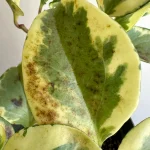
All Epipremnum aureum cultivars contain identical calcium oxalate concentrations. Marble Queen, Neon, and Satin pothos pose equal toxicity levels. Variegation patterns affect aesthetics only, not chemical composition.
Treat every variety with the same precautionary measures regardless of leaf coloration.
What should I do if my kitten chewed pothos?
Kittens require lower thresholds for veterinary consultation due to smaller body mass. Monitor hydration status closely since dehydration develops faster in young animals. Offer wet food or tuna juice to maintain fluid intake voluntarily.
Contact poison control immediately if any vomiting or lethargy occurs.
Are there safe ways to keep pothos with cats?
Yes, many households successfully cohabit with proper management strategies. Terrariums and elevated placements eliminate direct access effectively. Combining physical barriers with behavioral redirection creates redundant safety layers.
Regular monitoring ensures early detection of any attempted breaches before ingestion occurs.

Similar Posts