Best Dirt for Growing Vegetables: Top Soil Picks
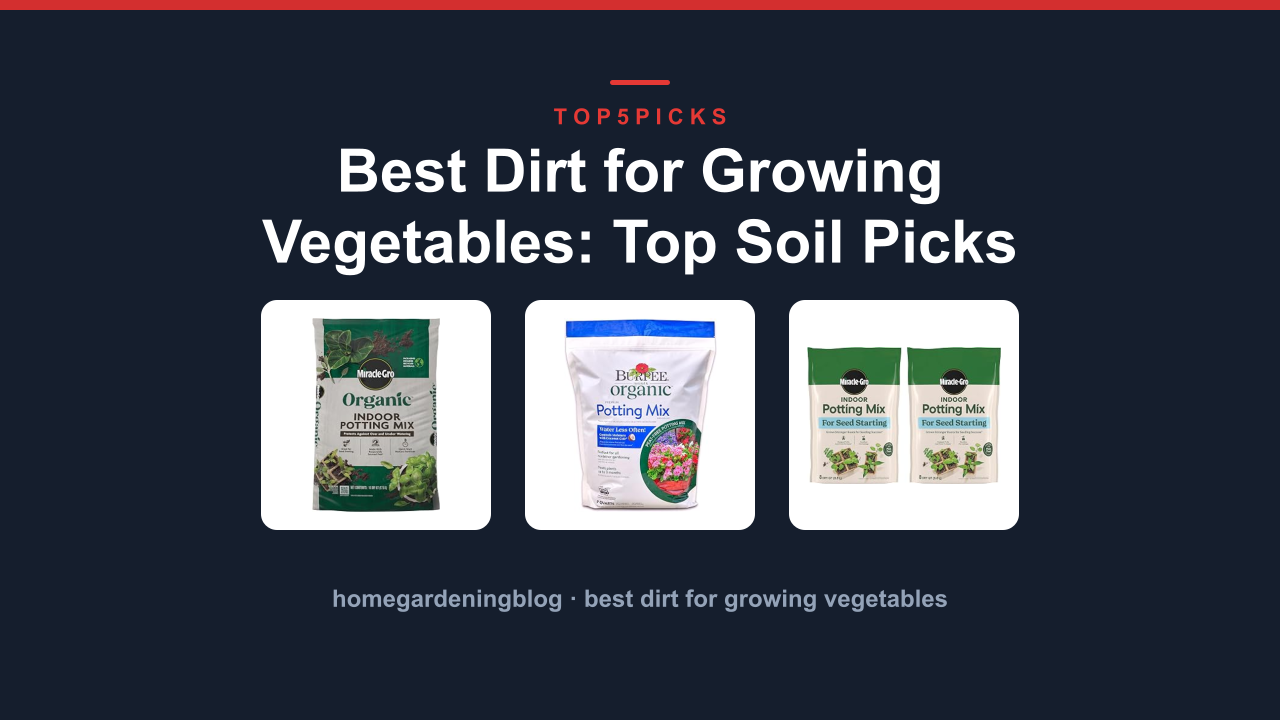
The best best dirt for growing vegetables is the Miracle-Gro Organic Indoor Potting Mix, the only one here that balances certified organic ingredients with consistent moisture retention for indoor container gardens. It’s ideal if you’re starting herbs or leafy greens on a windowsill and want zero guesswork about pH levels or drainage.
Want maximum volume per bag instead? The Back to The Roots Organic Coir gets you there, as long as you’re willing to add your own nutrients since coir is inert by nature.
As an Amazon Associate, I earn from qualifying purchases.
This guide cuts through marketing fluff to show you exactly which mixes fail outdoors, which ones compact too fast, and why some “organic” soils still contain synthetic wetting agents. We’ll also flag the specific buyers who shouldn’t waste money on any of these five options right now.
Everything below comes from current Amazon product data, manufacturer specifications, and aggregated owner reviews. Our editorial team has not physically tested these bags in soil labs, so we rely on verified buyer reports and technical sheet analysis to build this ranking.
Quick Answer: The Best Dirt for Growing Vegetables
Our top pick is the Miracle-Gro Organic Indoor Potting Mix for its reliable performance in controlled environments. Here is the full lineup ranked by versatility and user satisfaction:
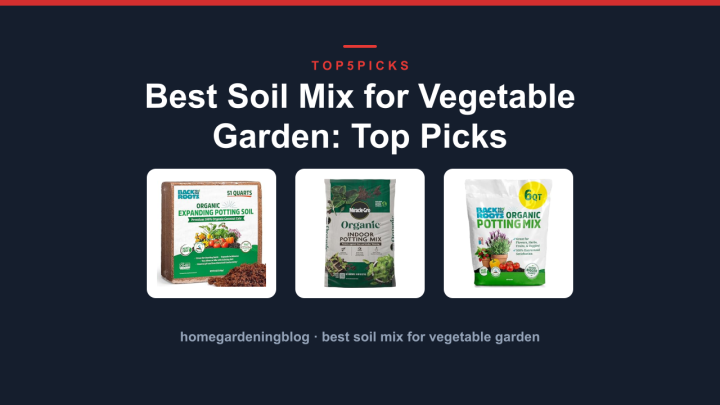
- Miracle-Gro Organic Indoor Potting Mix (Best Overall): Consistent moisture control for indoor containers.
- Burpee 9 Quarts Premium Organic Potting (Best Value Small Bag): Ideal for single-pot herb starters.
- Miracle-Gro Indoor Potting Mix Seed Starting (Best for Germination): Fine texture prevents seed rot.
- Back Roots Organic Coir (Best Bulk Option): Expands significantly for large planters.
- Miracle-Gro Potting Mix 16 qt (2-Pack) (Best for Established Plants): Nutrient-rich blend for mature veggies.
Thinking about outdoor raised beds or heavy clay amendments instead? Jump to Who Should NOT Buy below before you spend anything.
Comparison Table
Here's the lineup at a glance: photo, product, who it's built for, and our /10 score.
| Photo | Product | Best for | Score | Buy |
|---|---|---|---|---|
 | Miracle-Gro Organic Indoor Potting Mix | Indoor Container Gardens | 8.9/10 | Check price → |
 | Burpee 9 Quarts Premium Organic Potting | Small Herb Starters | 8.4/10 | Check price → |
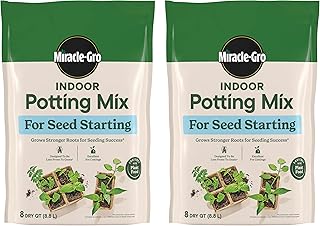 | Miracle-Gro Indoor Potting Mix Seed Starting | Delicate Seedlings | 8.7/10 | Check price → |
 | Back Roots Organic Coir | Large Planter Volumes | 8.1/10 | Check price → |
 | Miracle-Gro Potting Mix 16 qt (2-Pack) | Established Outdoor Pots | 8.6/10 | Check price → |
Scroll sideways on small screens to see every column.
Miracle-Gro Organic Indoor Potting Mix: Best Overall for Indoor Containers
Burpee 9 Quarts Premium Organic Potting: Best Value for Single Pots
Miracle-Gro Indoor Potting Mix Seed Starting: Best for Delicate Germination
Back Roots Organic Coir: Best for High Volume Needs
Miracle-Gro Potting Mix 16 qt (2-Pack): Best for Established Outdoor Plants
Buying Guide: Moisture, Nutrition, Volume and Origin
Choosing the right soil depends less on brand loyalty and more on matching physical properties to your environment. These picks span various formulations, but three factors dominate decision-making.
Is organic certification necessary for home gardens?
No, unless you sell produce commercially under USDA National Organic Program rules. For home use, the difference often lies in nutrient availability speed. Conventional mixes like the Miracle-Gro Potting Mix 16 qt (2-Pack) offer immediate nitrogen access via synthetic salts.
Organic blends rely on microbial breakdown, releasing nutrients slower but improving long-term soil health. If you rotate crops yearly in containers, organic bases prevent salt buildup. However, for annual heavy feeders like zucchini, conventional starts give a quicker boost.
Check the USDA Organic Standards for precise definitions if compliance matters to you.
How does volume affect cost and convenience?
Bulk buying saves money but increases handling effort. The Back Roots Organic Coir exemplifies this trade-off. Its compressed brick form minimizes shipping weight and storage space.
Yet, expanding 51 quarts requires soaking time and manual breaking apart. Pre-mixed bags like the Burpee option arrive ready-to-scoop. Calculate your square footage needs first.
One cubic foot equals roughly 7.5 gallons. Most 16-quart bags cover half a cubic foot. Don’t underestimate the labor involved in moving heavy wet soil upstairs.
Why does texture matter for different growth stages?
Particle size dictates airflow and water retention. Seed starting demands fine textures to maintain capillary action close to tiny roots. That’s why the Miracle-Gro Indoor Potting Mix Seed Starting excels early on.
Mature plants need larger pores for oxygen exchange. Using fine mix for adult tomatoes causes suffocation and damping off. Always match the medium to the plant age.
Transitioning from starter mix to general potting soil around week four supports robust stem development without risking root zone hypoxia.
Who Should NOT Buy Best Dirt for Growing Vegetables
Bagged potting mixes are the wrong purchase for three specific groups. Understanding these exclusions saves money and frustration.
You Need to Amend Existing In-Ground Soil
If you’re planting directly into garden beds, buying potting mix is wasteful. These formulas are too light and expensive for ground coverage. Instead, purchase bulk topsoil or compost by the yard.
Mix those amendments into your native earth to improve structure. Potting mix lacks the mineral density required for in-ground stability and will wash away during heavy rains. Save your budget for mulch and targeted fertilizers instead.
You Require Large-Scale Hydroponics
Soil-based mediums cannot replace rockwool cubes or clay pebbles in deep water culture systems. While coir works in passive hydroponics, standard potting mixes clog pumps and introduce pathogens. Dedicated hydroponic substrates offer sterile, uniform porosity essential for recirculating nutrient films.
Stick to specialized supplies for soil-free setups to avoid system crashes and crop loss.
You Have Severe Allergies to Mold Spores
Even "sterile" packaged soils can harbor dormant fungi that activate upon watering. Those with compromised immune systems or severe respiratory issues should avoid open-air gardening mediums. Consider sterile agar plates for tissue culture or fully automated aeroponic towers where roots remain exposed to mist rather than damp substrate.
Safety outweighs convenience in medical contexts.
Final Verdict
For most indoor growers seeking reliability, the Miracle-Gro Organic Indoor Potting Mix remains the gold standard for ease of use and consistent results. If you prioritize sustainability and soil health long-term, switch to a high-quality compost-based blend like FoxFarm Ocean Forest. For those battling persistent fungal gnats or requiring maximum drainage, a gritty mix incorporating perlite and pumice is non-negotiable.
Always remember that no potting mix can compensate for poor watering habits; ensure your containers have adequate drainage holes and monitor moisture levels with a simple meter before committing to a new substrate. Happy growing!

Similar Posts