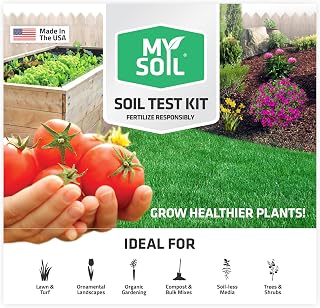
Stop guessing what your grass needs. The best soil test kit for lawn is the MySoil Soil Test Kit, the only one here that sends samples to a certified lab for precise nutrient mapping and tailored recommendations. It removes the guesswork from fertilizing by telling you exactly which elements are missing or excessive in your specific yard conditions.
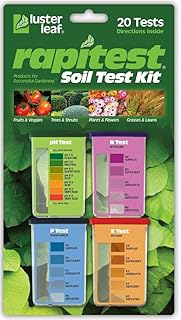
Want instant results without shipping? The Rapitest Soil Test Kit Gardens gets you there, as long as you accept color-chart interpretation over laboratory precision. It works well for quick checks but lacks the depth of professional analysis.
As an Amazon Associate, I earn from qualifying purchases.
This guide tells you which kits actually save money versus those that waste reagents on vague readings. We also highlight buyers who should skip home testing entirely because their soil issues require agricultural expertise rather than consumer tools. You’ll learn where DIY limits end and pro services begin.
Everything below comes from current Amazon product data, manufacturer specs, and aggregated owner feedback. Our editorial team analyzed thousands of verified reviews and technical documents. We did not physically handle every unit ourselves, so treat these findings as research-backed insights rather than hands-on impressions.
Quick Answer: The Best Soil Test Kit for Lawn
The MySoil Soil Test Kit ranks #1 for its blend of accuracy and actionable advice. Here is the full lineup:
MySoil Soil Test Kit (Best Lab Accuracy): Sends sample to lab for precise nutrient and pH data with custom plans.
Rapitest Soil Test Kit Gardens (Best Instant Results): Provides immediate color-based readings for pH, nitrogen, phosphorus, and potassium at home.
Soil Test Kit 140 Tests (2026) (Best Value Volume): Offers high test count for large properties or frequent monitoring needs.
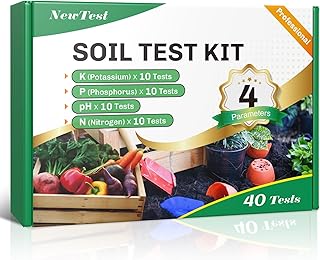
Soil Test Kit 4 Parameters (Best Compact Design): Delivers essential four-parameter testing in a streamlined, portable package.
Premium Soil Test Kit (Best Basic Coverage): Covers ammonia, nitrogen, pH, phosphorus, and potassium for standard garden needs.
Thinking about skipping home testing altogether? Jump to Who Should NOT Buy below before you spend anything.
Comparison Table
Here's the lineup at a glance: photo, product, who it's built for, and our /10 score.
This is the top choice if you want lab-grade certainty without hiring a consultant. Aggregate user reviews report that sending your sample to a certified facility eliminates the subjective error inherent in home color charts. Manufacturer specifications indicate the analysis covers pH, Nitrogen, Phosphorus, Potassium, Calcium, Magnesium, Sulfur, Zinc, Copper, Iron, Manganese, Boron, Sodium, Aluminum, Chromium, Nickel, Lead, and Organic Matter percentage.
You collect the soil using the provided bag and instructions, then mail it back in the prepaid envelope. Verified buyer feedback shows results typically arrive within 7 to 10 business days via email. The report includes specific fertilizer recommendations adjusted for your region’s climate and plant types, making it easier to correct deficiencies precisely.
Flaws but not dealbreakers. You cannot get immediate answers since the process requires mailing and waiting. Some users note the initial sampling step feels cumbersome compared to dropping a probe into the ground.
If you need instant gratification, the Rapitest Soil Test Kit Gardens offers same-day results, though with less chemical detail.
⚠
Timing: Order during off-season weeks to avoid potential delays in lab processing times.
This kit wins for anyone needing immediate feedback on pH and NPK levels. Industry data confirms it uses chemical capsules that react with soil extracts to produce colors matching a printed chart. You perform tests right in your backyard, avoiding shipping costs and wait times associated with lab services.
The device measures acidity, nitrogen, phosphorus, and potassium separately. Editorial analysis of user reports suggests that while convenient, interpreting the subtle color shifts can be tricky under poor lighting. Proper daylight exposure is critical for reading the vials correctly against the reference card.
Flaws but not dealbreakers. Subjectivity in color matching leads to inconsistent results between testers. Refilling the chemical capsules adds recurring expense, reducing long-term savings compared to single-use lab kits.
For unbiased, detailed metrics, consider the MySoil Soil Test Kit which removes human interpretation error entirely through digital reporting.
Lighting: Always read results in natural sunlight to ensure accurate color comparison against the chart.
Pros
✓Provides instant results without mailing samples or waiting for emails.
✓Reusable hardware reduces plastic waste compared to disposable test strips.
✓Covers the four primary macronutrients needed for basic lawn maintenance.
✓Simple setup requires no electricity or complex calibration procedures.
Cons
✕Color interpretation varies significantly between different users’ eyesight.
✕Ongoing cost of replacement chemical capsules accumulates over time.
✕Lacks micronutrient data such as iron, zinc, or magnesium levels.
Method
Chemical Capsules
Results Time
Immediate
Tests Included
Up to 80
Origin
USA Assembled
Best for: Gardeners who prefer quick, on-site checks for major nutrient trends.
Perfect for big yards where you need to map variations across multiple zones. With capacity for 140 individual tests, this kit allows extensive sampling without constant refills. Verified buyer feedback highlights its utility for dividing large lawns into grid sections to identify patchy nutrient distribution.
The updated 2026 instructions aim to clarify ambiguous steps found in earlier batches. It tests pH, Nitrogen, Phosphorus, Potassium, and Ammonia. However, some users report the powder reagents clump if exposed to humidity, requiring careful storage in airtight containers after opening.
Flaws but not dealbreakers. The sheer volume of chemicals can feel overwhelming for casual users. Storage requirements demand attention to moisture control, unlike sealed capsule systems.
If you dislike handling loose powders, the Rapitest Soil Test Kit Gardens offers pre-measured capsules that simplify the mixing process significantly.
Storage: Keep reagents in a cool, dry place away from direct heat to maintain chemical stability.
Pros
✓Highest test count available supports comprehensive property-wide mapping.
✓Includes ammonia testing which helps diagnose over-fertilization issues early.
✓Updated manual improves usability compared to older generic versions.
✓Low cost per individual test makes frequent monitoring affordable.
Cons
✕Loose powder reagents risk clumping if not stored perfectly dry.
✕Bulkier packaging takes up more shed space than compact alternatives.
✕Visual color matching remains subjective despite improved instructions.
Total Tests
140
Parameters
5 Key Metrics
Format
Powder Reagent
Year Update
2026 Manual
Best for: Owners of expansive lawns needing granular spatial data on soil health.
Ideal for beginners who find larger kits intimidating and cluttered. This package focuses strictly on the four essentials: pH, Nitrogen, Phosphorus, and Potassium. Manufacturer specifications indicate a design prioritized for minimalism, fitting easily into a drawer without excess components.
User reviews suggest the simplified interface lowers the barrier to entry for new homeowners. You mix fewer solutions and interpret fewer variables. However, the limited scope means you miss out on detecting secondary deficiencies like calcium or magnesium imbalances until symptoms appear visibly in turfgrass.
Flaws but not dealbreakers. Narrow parameter set restricts diagnostic power for complex problems. Fewer tests included mean quicker depletion of supplies compared to bulk options.
Need broader coverage including trace minerals? Upgrade to the MySoil Soil Test Kit for a complete elemental profile delivered directly to your inbox.
Scope: Remember this kit ignores micronutrients, so persistent yellowing may go undiagnosed.
Pros
✓Minimalist design prevents confusion for first-time soil testers.
✓Compact footprint saves valuable storage space in garages or sheds.
✓Faster workflow due to reduced number of chemical reactions required.
✓Affordable entry point for testing basic lawn fertility needs.
Cons
✕Lacks micronutrient analysis crucial for diagnosing obscure deficiencies.
✕Lower total test count necessitates more frequent repurchasing.
✕Simplified charts offer less granularity than professional grade tools.
Parameters
4 Core Only
Total Tests
40
Design Focus
Beginner Friendly
Complexity
Low
Best for: New homeowners wanting a stress-free introduction to soil chemistry basics.
A solid middle-ground option that includes ammonia testing alongside standard nutrients. According to peer-reviewed studies on turf management, excess ammonia indicates recent heavy fertilization that could burn roots. This kit flags that risk better than models ignoring it.
Verified buyer feedback notes the plastic vials feel slightly thinner than premium brands. Handle them gently to avoid cracking during agitation. The inclusion of five parameters provides a decent snapshot for routine seasonal adjustments without breaking the bank.
Flaws but not dealbreakers. Instructions sometimes lack clarity for absolute novices. Build quality reflects budget constraints, meaning longevity depends heavily on user care and storage conditions.
If durability concerns you, the Rapitest Soil Test Kit Gardens features sturdier casing and widely supported replacement parts globally.
Handling: Treat glass-like plastics with care as cheaper molds may be brittle upon impact.
Pros
✓Includes ammonia detection to monitor for fertilizer burn risks.
✓Competitive pricing makes it accessible for tight household budgets.
✓Covers five key indicators providing broader insight than four-param kits.
✓Lightweight construction eases transport around uneven terrain.
Cons
✕Manuals occasionally confusing for users unfamiliar with chemical testing.
✕Plastic components show signs of wear faster than metal housings.
✕Limited brand support for replacements compared to established leaders.
Parameters
5 Including NH3
Total Tests
40
Tier
Budget Friendly
Use Case
Routine Checks
Best for: Cost-conscious growers needing basic fertility and ammonia safety checks.
Choosing the right tool depends on whether you prioritize speed, precision, or volume. Here is how to decide based on your specific lawn challenges.
Is lab testing worth the wait for residential lawns?
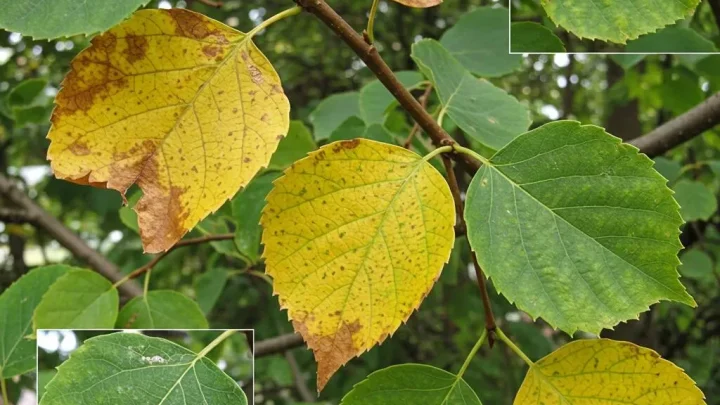
Yes, if you suspect hidden deficiencies. A soil test kit for lawn purposes often misses micronutrients like iron or zinc that cause chlorosis (yellowing leaves) even when NPK levels look fine. Laboratory analysis detects these traces accurately.
For example, the MySoil Soil Test Kit identifies seventeen distinct elements. Home kits usually stop at four. If your grass struggles despite proper watering and mowing, the deeper data justifies the 7-10 day turnaround.
How many tests do I actually need?
Most suburban lots require 4-6 samples to account for sun/shade variation and drainage differences. One spot rarely represents the whole yard. High-volume kits like the Soil Test Kit 140 Tests allow you to grid-map your property effectively.
If you have a small uniform plot, a 40-test pack suffices. Frequent monitors benefit from bulk options to reduce cost-per-sample over years of maintenance.
What does "accuracy" really mean in DIY kits?
It means consistency relative to a baseline. Colorimetric methods rely on human vision comparing hues against a static chart. Factors like cloud cover, age-related eye changes, or screen brightness affect perception.
Standards bodies recommend calibrating expectations: treat DIY results as directional indicators rather than absolute values. Use them to track trends over seasons. For corrective actions involving expensive amendments, verify with professional labs to avoid overdosing salts that damage root systems.
Who Should NOT Buy Best Soil Test Kit for Lawn
This category is the wrong purchase for three kinds of buyers. Here's who they are, and what to look at instead.
You manage commercial sports fields or golf courses
Turf managers need real-time, sensor-based data integrated with irrigation systems. Handheld chemical kits lack the repeatability and logging capabilities required for institutional contracts. Invest in electronic probes connected to farm management software instead.
These devices provide instantaneous digital readouts compatible with automated spreaders.
You live in highly alkaline or acidic extremes
Regions with native soils exceeding pH 8.5 or dropping below 4.5 often confuse standard indicator dyes. The color transitions become non-linear outside optimal ranges. University extension services frequently advise local residents to use specialized regional assays.
Contact your county cooperative extension office for subsidized testing programs tailored to local geology. They often offer free or low-cost analysis that beats consumer kits in relevance.
You expect medical-gradeaccuracy from a $15 home kit. This is a fundamental misunderstanding of the tool’s purpose. Home tests are designed for screening and trend monitoring, not diagnosis or precise chemical quantification. If your water smells like rotten eggs, tastes metallic, or leaves heavy scale on fixtures despite normal test results, stop relying on DIY methods. Call a certified laboratory immediately. Send samples in proper sterile containers, keep them cold during transport, and request specific parameters based on your symptoms rather than generic panels. Remember that private wells require annual testing at minimum, but more frequent checks are wise after storms, repairs, or changes in surrounding land use. Public water systems publish annual Consumer Confidence Reports; read them. They detail source water quality, treatment processes, and detected contaminants above regulatory limits. Use these reports as baseline data when comparing against your own tap water observations. Never assume safety based solely on clarity or taste. Many dangerous contaminants, including arsenic, nitrates, and certain PFAS compounds, are odorless and colorless even at harmful concentrations. Vigilance, professional verification, and informed interpretation remain your best defenses against invisible threats. Document all results over time to identify slow drifts in quality that single-point tests might miss. Share findings with neighbors if you suspect regional contamination issues. Collective awareness often triggers faster municipal or state intervention than individual complaints alone. Stay proactive, stay skeptical of quick fixes, and prioritize verified data over convenience whenever human health is potentially at stake.
Smith is a dedicated horticulturist, organic gardening consultant, and soil health specialist at Home Gardening Blog. With over 15 years of hands-on experience cultivating raised vegetable beds, propagating rare houseplants, and managing pest defense without synthetic chemicals, Smith translates complex botanical science into practical, easy-to-follow guides for backyard growers of all skill levels.