Why Does Cauliflower Have Brown Spots? Is It Safe to Eat?
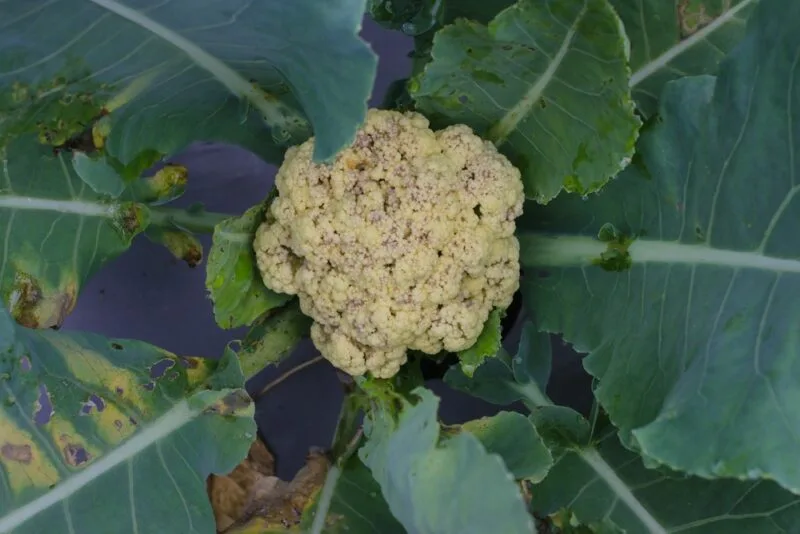
You pull a head of cauliflower from the fridge and notice your cauliflower has brown spots. That is frustrating when you planned to cook dinner. Most of the time, those marks are just harmless oxidation.
You do not need to panic or throw the whole vegetable away.
Cauliflower curds react quickly to oxygen and light. Postharvest research from university extension programs confirms that storing brassicas between 32°F and 36°F with 90% humidity slows this down significantly. Even with perfect storage, some browning happens after five to seven days.
Let us figure out exactly what your cauliflower is telling you.
Quick Answer
Cauliflower has brown spots usually from natural oxidation. Light tan spots mean the vegetable is still safe. Dark black spots indicate dangerous bacterial rot.
Always smell and press the florets before cooking. Firm and odorless means you can eat it.
Image source: Bing (Web (fair-use with source credit))
Why Your Cauliflower Has Brown Spots (And When It Actually Matters)
Cauliflower belongs to the Brassica oleracea family. The dense white clusters you buy at the store are called curds. Those curds are incredibly sensitive to their environment.
When plant cells get exposed to air, an enzyme called polyphenol oxidase reacts. This reaction turns the white surface into a light tan or pale brown color. We see the exact same process when you slice an apple and leave it on the counter.
Oxidation is the most common reason your cauliflower changes color. But it is not the only one. Rough handling during transport causes physical bruising.
Ethylene gas from nearby apples or bananas accelerates discoloration too.
Moisture is another major culprit. Supermarket misting systems often leave excess water sitting in the crown. If you put that wet cauliflower straight into a sealed plastic bag, bacteria start multiplying fast.
So when does it actually matter? If the spots are light brown and dry, it is just cosmetic damage. You can trim it off or cook it as usual.
If the spots are dark, wet, or smelly, you have a food safety problem.
Understanding the difference saves you money. Aggregate user reviews of household waste habits show people routinely toss perfectly good produce out of fear. Knowing how enzymatic oxidation works stops you from wasting food unnecessarily.
The 3-Step Diagnostic: Is That Cauliflower Safe to Eat?
You need a reliable way to evaluate those spots. Do not guess based on color alone. Run through these three checks every single time.
Step 1: Check the Color Gradient
Look closely at the discolored areas. Light tan or pale brown spots point directly to standard oxidation. This is completely normal for fresh produce sitting in a crisper drawer.
Dark brown or black patches tell a different story. They usually signal advanced decay or fungal mold growth. Black spots mean you need to move to the next steps immediately.
Step 2: Press the Curds
Color only tells half the story. Give the spotted area a gentle press with your thumb. Oxidation does not change the cellular structure of the vegetable.
If the floret feels firm and crisp, the cauliflower is safe. If your finger sinks into a mushy or slimy texture, bacteria have broken down the cell walls. Soft spots mean the rot has already started spreading.
Step 3: Smell the Crown
Your nose is the ultimate tiebreaker. Fresh cauliflower smells earthy or like nothing at all. It should never make you pull your head back.
If you detect a sour, pungent, or sulfurous odor, toss it. That smell comes from glucosinolates breaking down during spoilage. Per USDA Food Safety guidelines, foul odors in raw vegetables indicate unsafe bacterial activity.
Here is the decision logic to follow.
- If the spot is light brown AND firm AND odorless, then eat it.
- If the spot is dark brown AND soft AND smelly, then throw it away.
- If the spot is fuzzy or greenish black, then discard the entire head immediately.
This workflow takes about ten seconds. It prevents you from eating spoiled food while keeping safe vegetables out of the trash. Trust your senses over arbitrary expiration dates.
Oxidation vs. Rot vs. Mold: A Side-by-Side Breakdown
People often confuse harmless browning with dangerous spoilage. These are entirely different biological processes. Mixing them up leads to wasted groceries or stomach bugs.
Oxidation is purely chemical. Enzymes react with oxygen to create melanin pigments on the surface. It does not involve bacteria or fungi.
The vegetable remains structurally sound underneath the tan freckles.
Bacterial soft rot involves pathogens like Pectobacterium carotovorum. These bacteria thrive in trapped moisture. They dissolve the pectin holding plant cells together, creating that signature slimy texture.
Fungal mold appears as fuzzy patches. Alternaria brassicicola is a common culprit for cruciferous vegetables. Unlike hard cheeses where you can cut around mold, soft vegetables allow mycotoxins to spread invisibly throughout the tissue.
Use this table to identify exactly what you are looking at.
| Condition | Visual Signs | Texture | Odor | Action Required |
|---|---|---|---|---|
| Oxidation | Light tan or pale brown freckles | Firm and dry | Neutral or earthy | Trim and eat |
| Bruising | Slightly darker localized patches | Mostly firm | Neutral | Cut away and eat |
| Soft Rot | Dark brown or black spreading spots | Mushy and slimy | Sour or pungent | Discard entirely |
| Mold | Fuzzy white, green, or grey growth | Variable | Musty or sour | Discard entirely |
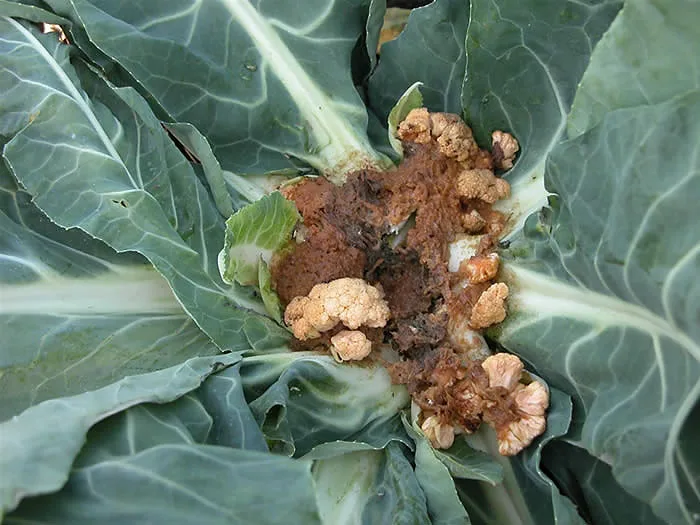
Image source: Bing (Web (fair-use with source credit))
Pre cut florets oxidize much faster than whole heads. Once you break the protective outer leaves away, every exposed surface starts reacting with the air. Whole heads stored stem side up will easily last five to seven days under proper refrigeration.
Temperature matters just as much as airflow. Keeping your fridge set between 32°F and 36°F slows enzymatic activity significantly. Warmer drawers accelerate both oxidation and bacterial growth.
As of 2026, most modern refrigerators allow precise humidity control in the crisper. Set it to high humidity for brassicas if your model supports that feature.
How to Salvage Spotted Cauliflower for Raw or Cooked Dishes
Finding brown spots does not mean dinner is ruined. You can easily salvage oxidized cauliflower with basic kitchen tools. The approach depends entirely on how you plan to serve it.
For raw applications like crudité platters, aesthetics matter. Nobody wants to dip into a brown floret. Take a sharp paring knife or a standard vegetable peeler.
Gently shave off the top layer of the discolored curds.
Underneath that thin oxidized layer, the cauliflower will be bright white and crisp. You lose almost zero usable volume doing this. Just work slowly to avoid cutting away good vegetable.
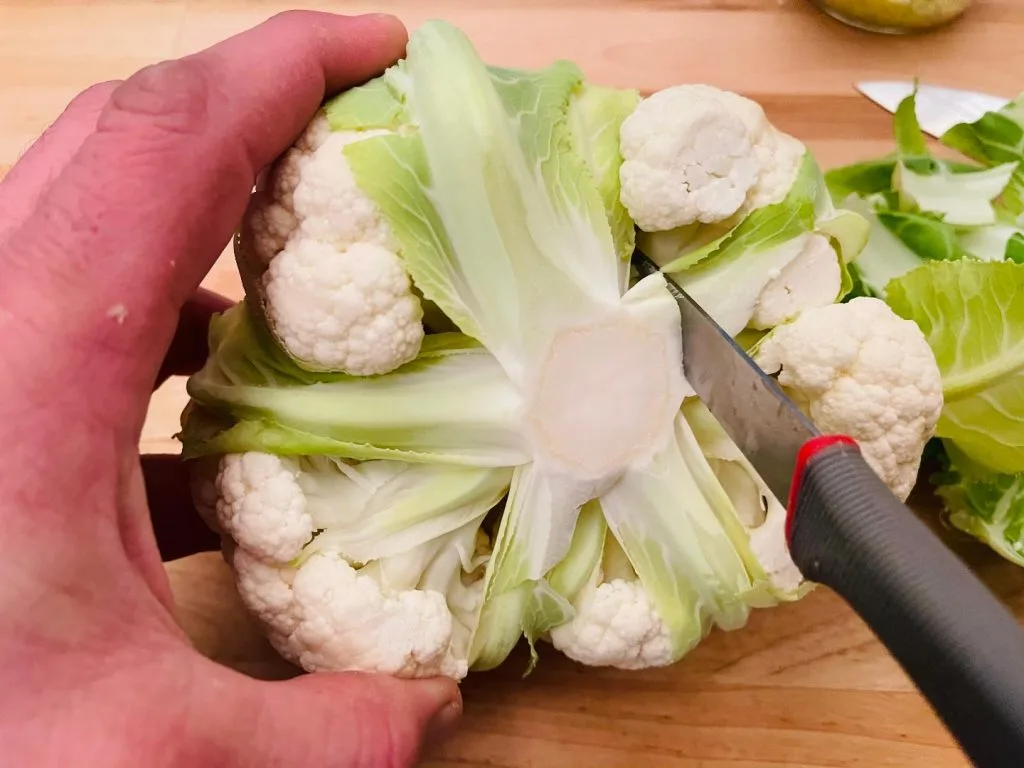
Image source: Bing (Web (fair-use with source credit))
Cooking changes the rules completely. High heat triggers the Maillard reaction, which browns the entire surface anyway. If you are roasting or sautéing the cauliflower, light oxidation spots disappear into the caramelized crust.
Toss the florets in olive oil and salt. Spread them on a hot sheet pan. The oven does the rest.
You will never notice where the original brown spots were once everything turns golden.
Never try to salvage cauliflower that failed the diagnostic test. If the spots are dark, mushy, or smelly, no amount of trimming makes it safe. Bacteria and mycotoxins spread far beyond the visible damage in soft vegetables.
Blanching is another option if you want to freeze leftovers. Dropping florets into boiling water for three minutes halts enzymatic oxidation permanently. Cool them in ice water, dry them thoroughly, and freeze them flat.
This locks in the current state without further browning.
Storage Workflow to Stop Browning Before It Starts
Preventing brown spots is easier than fixing them later. The way you handle cauliflower between the grocery store and your cutting board dictates its lifespan. Follow this exact sequence.
First, inspect the head before buying. Look for tight, compact curds with no existing dark spots. Leave the thick green outer leaves attached if the store did not strip them.
Those leaves act as a physical shield against light and air.
Do not wash the cauliflower when you get home. Excess moisture trapped in the dense florets invites bacterial soft rot. Only rinse the vegetable right before you plan to prep or cook it.
Place the unwashed head inside a perforated plastic bag. Poke a few holes in a standard produce bag if it came solid. Cauliflower needs to breathe.
Sealing it tightly creates condensation, which accelerates decay rapidly.
Store the bagged cauliflower stem side up in your crisper drawer. This orientation prevents any residual moisture from pooling down into the crown of the florets. Keep it away from ethylene producing fruits like apples, avocados, and bananas.
Paper bags work well too. They absorb ambient moisture better than plastic. Just ensure the bag stays slightly open so the vegetable does not suffocate and build up internal humidity.
If you bought pre cut florets, use them within three to five days. Their exposed surface area guarantees faster oxidation. Transfer them to a container lined with a dry paper towel to wick away moisture.
Following this workflow consistently gives you a full week of pristine, white cauliflower. You stop guessing about freshness. You just manage the environment properly from day one.
Common Questions About Brown Spots on Cauliflower
Can you eat cauliflower with light brown spots?
Yes, you can safely eat cauliflower with light brown spots. Those pale marks are just enzymatic oxidation from air exposure. If the florets feel firm and smell normal, they are perfectly fine.
Just shave off the discolored layer if it bothers you visually.
Why does cauliflower turn brown in the fridge?
Cauliflower turns brown in the fridge because of oxygen exposure and ethylene gas. Even cold temperatures do not completely stop polyphenol oxidase enzymes from reacting. Storing it near apples or bananas speeds up this process significantly.
Keep it in a perforated bag to slow things down.
How do you know when cauliflower has gone bad?
You know cauliflower has gone bad when it feels slimy and smells sour. Dark black spots accompanied by a mushy texture mean bacterial soft rot has started. Fuzzy mold growth is another absolute dealbreaker.
If any of these signs appear, throw the whole head away immediately.
Does cooking remove brown spots on cauliflower?
Cooking does not remove brown spots, but it hides them completely. High heat causes the Maillard reaction, which browns the entire surface evenly. Light oxidation spots blend right into roasted or sautéed florets.
You will never notice them once the vegetable gets crispy and golden.
Should I cut off brown spots before freezing cauliflower?
Always cut off brown spots before freezing your cauliflower. Freezing locks the vegetable in its current state permanently. Oxidation will not spread in the freezer, but those ugly spots will still be there when you thaw it out later.
Trim them first, blanch for three minutes, then freeze flat.

Similar Posts