What’s Eating My Parsley? Identify & Stop the Pests
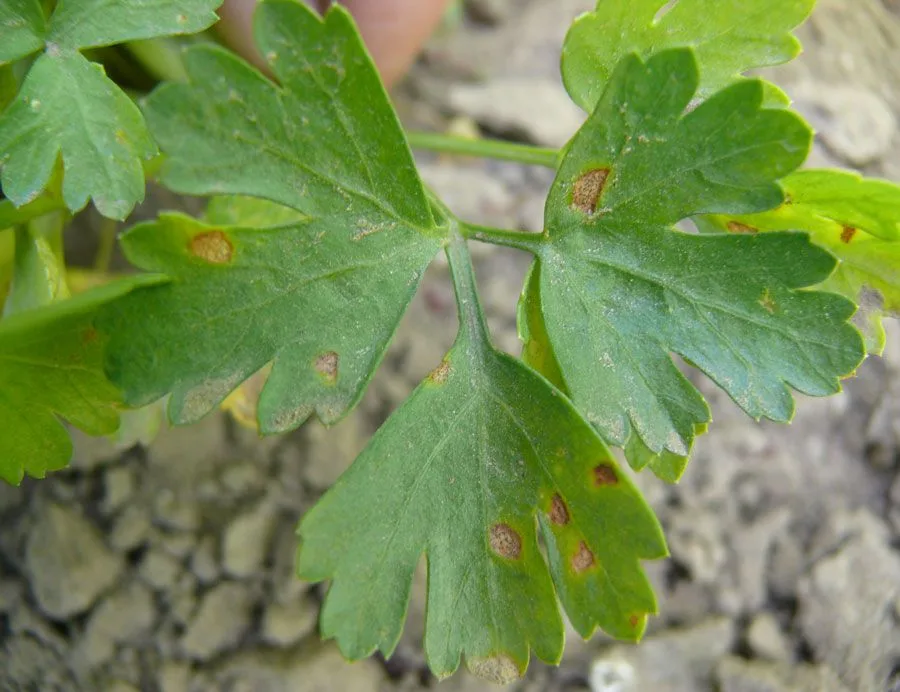
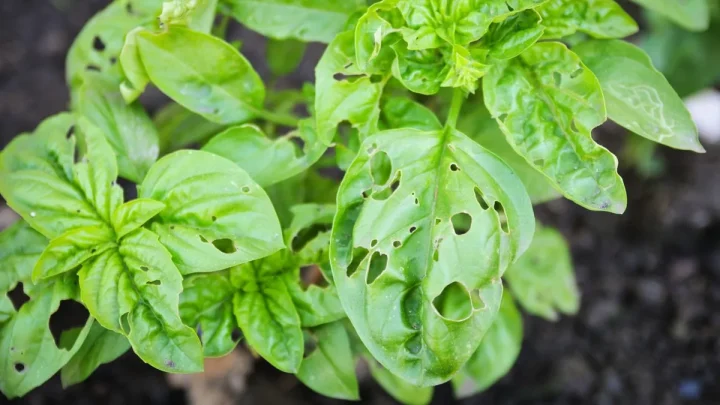
If you're wondering what's eating my parsley, you aren't alone. Parsley attracts a very specific lineup of hungry pests. The damage they leave behind tells you exactly who showed up for dinner.
In our research, aphid populations can double every three to five days in warm weather. Slugs need humidity above 80 percent to stay active. Knowing these numbers changes how fast you need to act.
Let's figure out what is chewing your herbs right now.
Image source: Bing (Web (fair-use with source credit))
Quick Answer
What's eating my parsley depends on the damage. Caterpillars chew large holes in leaves. Slugs eat entire plants overnight.
Aphids cause curled, sticky foliage. Rabbits snip stems cleanly at an angle.
The 3-Second Damage Check: How to Tell What’s Eating Your Parsley
Diagnosing parsley damage starts by looking closely at the bite marks. You don't need a degree in entomology to do this. You just need to know what shape the damage takes.
Grab a flashlight and head out after dark. Many parsley pests only feed when the sun goes down. Cutworms sever stems at the soil line while you sleep.
Slugs leave silvery slime trails across the dirt.
During the day, flip the leaves over. That is where aphids and whiteflies hide. They cluster on the undersides, sucking sap until the plant yellows.
If the leaves look stippled with tiny yellow dots, spider mites are likely the culprits.
Shake the foliage over a white piece of paper. This trick reveals microscopic pests you'd otherwise miss. Spider mites will look like moving specks of dust.
Thrips fall out as tiny slivers.
Check the base of the plant too. If the stem is cleanly cut about an inch above the soil, a cutworm did it. If the whole plant vanished but the roots remain, rabbits or deer probably grazed through.
Our research shows gardeners often misidentify mammal damage as insect damage. Clean, angled cuts mean teeth, not mandibles. Ragged tears usually point to larger caterpillars.
Getting this distinction right saves you from buying the wrong treatment.
Here is a quick breakdown of the most common damage patterns we see:
| Damage Pattern | Likely Culprit | When It Happens |
|---|---|---|
| Large irregular holes | Black swallowtail caterpillar | Daytime |
| Plant gone overnight | Slugs or snails | Nighttime |
| Stems cut at soil line | Cutworms | Nighttime |
| Sticky, curled leaves | Aphids or whiteflies | Daytime |
| Tiny yellow pinpricks | Spider mites | Hot, dry days |
| Winding white trails | Leafminers | Daytime |
| Clean 45-degree stem cuts | Rabbits or deer | Dawn or dusk |
Use this table as your starting point. Match the symptom to the suspect. Then move to the decision tree below to confirm your diagnosis.
Decision Tree: Match the Bite Marks to the Culprit
This workflow uses simple if/then logic to isolate your pest. Start at the top. Follow the path that matches what you see in your garden.
Branch 1: Leaves Have Holes, Stems Are Chewed, or Plants Vanished Overnight
If your parsley has large chunks missing, look for frass. Frass is bug poop. Caterpillar droppings look like dark green or black pellets scattered on lower leaves.
If you find those pellets, you have a caterpillar problem. Specifically, you might be hosting a black swallowtail caterpillar (Papilio polyxenes). Parsley is in the Apiaceae family, which is their favorite food.
If the plant is entirely gone but the pot is undisturbed, check for slime. Slugs and snails (like Deroceras reticulatum) require high moisture to move. If it rained recently or you watered heavily, slugs are your prime suspects.
If the stem was snipped cleanly near the dirt, think cutworms (Agrotis spp.). They hide in the top inch of soil during the day. They come out at night to fell young plants like lumberjacks.
If the stems were bitten off higher up at a sharp angle, mammals are visiting. Rabbits and groundhogs leave clean cuts. Deer tear foliage, leaving ragged edges because they lack upper front teeth.
Branch 2: Leaves Look Stippled, Tunneled, Sticky, or Curled
If the leaves feel sticky and look curled, aphids are feeding. They excrete honeydew, which feels like sap. Ants farming aphids for this honeydew is another dead giveaway.
If you see winding white tunnels inside the leaf tissue, leafminers (Liriomyza spp.) are at work. The larvae live entirely inside the leaf. Spraying the surface won't reach them.
If the leaves look dusty, pale, and covered in tiny yellow pinpricks, spider mites (Tetranychus urticae) moved in. They thrive in hot, dry, dusty conditions. Humid climates slow them down significantly.
If tiny white flies scatter when you bump the plant, you have whiteflies (Trialeurodes vaporariorum). They drain plant vigor fast. Sooty mold often grows on the honeydew they leave behind.
Branch 3: Foliage Is Gone but You Spotted a Striped Caterpillar
If you see a thick, bright green caterpillar banded with black and yellow dots, stop. That is a black swallowtail larva, commonly called a parsleyworm. It can defoliate a mature parsley plant in three to five days.
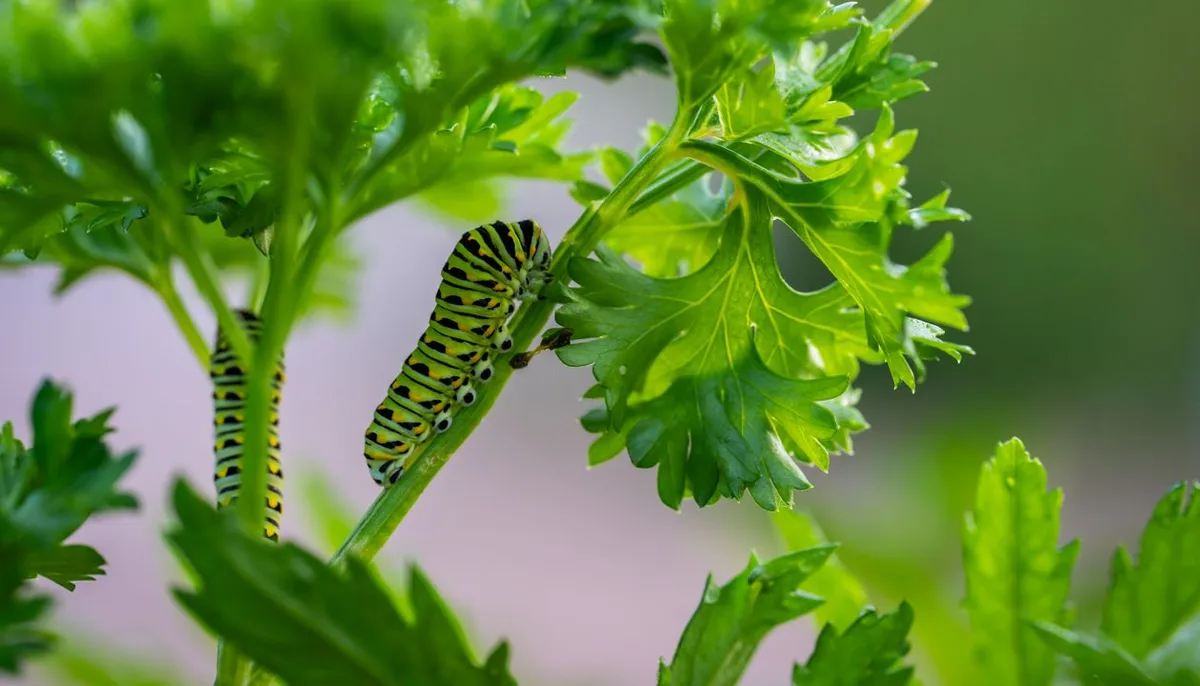
Image source: Bing (Web (fair-use with source credit))
This is where your intent matters. If you planted parsley specifically to cook with, this caterpillar is a pest. If you want to support local pollinators, it is a guest.
The Xerces Society for Invertebrate Conservation highlights parsley as a critical host plant for these butterflies. Killing the caterpillar means one fewer butterfly in your yard next month.
Many organic growers solve this by planting extra parsley. One patch is for the kitchen. The other patch is for the swallowtails.
If you only have one pot on a balcony, you'll need to decide quickly who gets dinner.
If you choose to remove them, hand picking is the safest method. Move them to wild fennel or Queen Anne's lace nearby. Both are also in the Apiaceae family, and the caterpillars will happily switch hosts.
The Right Fix for the Right Pest (Without Wasting Money)
Once you know what you're dealing with, pick a targeted fix. Broad spectrum sprays kill beneficial insects alongside the pests. We've found that matching the treatment to the bug saves money and protects your soil biology.
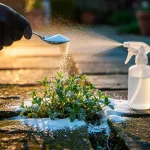
For soft bodied insects like aphids and whiteflies, start with water. A sharp spray from the hose knocks them off. If they return, use insecticidal soap.
University cooperative extension services consistently recommend soap sprays as a safe first step for edible herbs.
Spider mites hate moisture. Misting your parsley regularly disrupts their breeding cycle. If an infestation takes hold, neem oil works well.
Apply it late in the afternoon so UV light doesn't break it down immediately.
Slugs require physical barriers or targeted baits. Copper tape around pots gives them a mild electric shock. Iron phosphate baits break down into harmless fertilizer within two to four weeks.
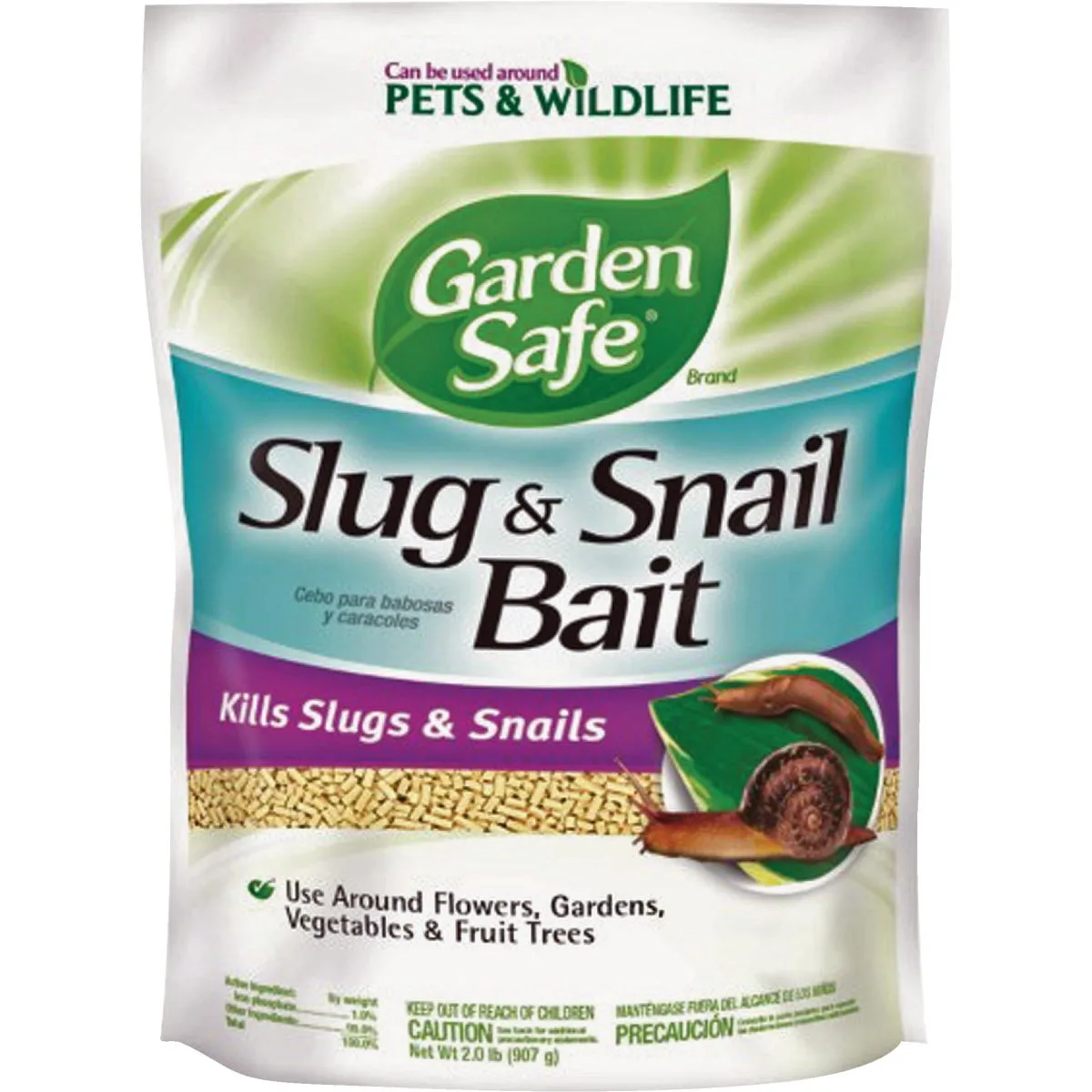
Image source: Bing (Web (fair-use with source credit))
Avoid metaldehyde based slug baits entirely. As of 2026, the EPA continues to flag metaldehyde risks for pets and wildlife. Iron phosphate is the safer standard for home gardens.
Cutworms are tricky because they hide underground. Placing a cardboard collar around the base of each seedling stops them. Push the collar an inch into the soil.
Diatomaceous earth sprinkled around the base also dries out their skin.
Leafminers live inside the leaf. No topical spray reaches them. Your only option is removing and destroying the mined leaves immediately.
This prevents the larvae from dropping into the soil to pupate.
For rabbits and deer, exclusion is the only reliable fix. Hardware cloth fencing keeps rabbits out. Floating row covers protect against both insects and small mammals.
Install covers right after planting before pests find your crop.
Bacillus thuringiensis kurstaki (Btk) targets caterpillars specifically. It is a biological control agent that disrupts their digestion. However, Btk kills all caterpillars, including the swallowtails you might want to keep.
Only use it if you intend to eliminate every larva on the plant.
Here is how the main treatments stack up against each other:
| Pest | Best Treatment | Alternative | Avoid |
|---|---|---|---|
| Aphids / Whiteflies | Water blast, insecticidal soap | Neem oil | Broad spectrum pyrethroids |
| Spider Mites | Increased humidity, neem oil | Predatory mites | Dusty, dry conditions |
| Slugs / Snails | Iron phosphate bait, copper tape | Hand picking at night | Metaldehyde bait |
| Cutworms | Cardboard collars | Diatomaceous earth | Ignoring soil surface prep |
| Leafminers | Remove damaged leaves | Row covers early | Topical sprays |
| Swallowtail caterpillars | Hand relocation | Plant extra parsley | Btk (unless intentional) |
| Rabbits / Deer | Hardware cloth, row covers | Scent deterrents | Relying solely on repellents |
Always check the pre harvest interval (PHI) on any product label. This tells you how many days you must wait between spraying and eating the parsley. Products listed by OMRI (Organic Materials Review Institute) are verified for organic use.
Wash your harvested herbs thoroughly even if you only used soap or neem.
Five Mistakes That Make Parsley Pests Worse
Mistaking a beneficial situation for an infestation is the biggest error we see. Gardeners panic when they spot a parsleyworm. They spray Btk, killing the caterpillar and ruining their chances of hosting beautiful black swallowtail butterflies.
Applying broad spectrum insecticides is the second mistake. These chemicals wipe out ladybugs, lacewings, and parasitic wasps. Those beneficial insects are exactly what keep your aphid populations in check naturally.
Once they are gone, aphids bounce back faster than before.
Watering stressed parsley too much creates new problems. Overwatering weakens the plant's natural defenses. It also raises soil moisture, rolling out the welcome mat for fungus gnats and slugs.
Parsley likes consistent moisture, not soggy roots.
Ignoring the time of day when scouting leads to false negatives. If you only check your garden at noon, you will never see cutworms or slugs. They hide during the heat of the day.
Night inspections with a headlamp reveal the actual culprits.
Failing to rotate or refresh container soil invites repeat issues. Cutworm pupae and slug eggs overwinter in old potting mix. If you replant parsley in the same dirt year after year, the pests are already waiting.
Refresh your soil or sterilize containers between seasons.
Skipping companion planting removes a natural defense layer. Strong scented herbs confuse flying pests looking for umbellifers. Planting chives or garlic near your parsley masks its scent.
Aggregate reviews from organic growers consistently report fewer aphid landings when aromatic companions are present.

Similar Posts