Why Cherry Tree Leaves Turn Yellow: Causes & Fixes
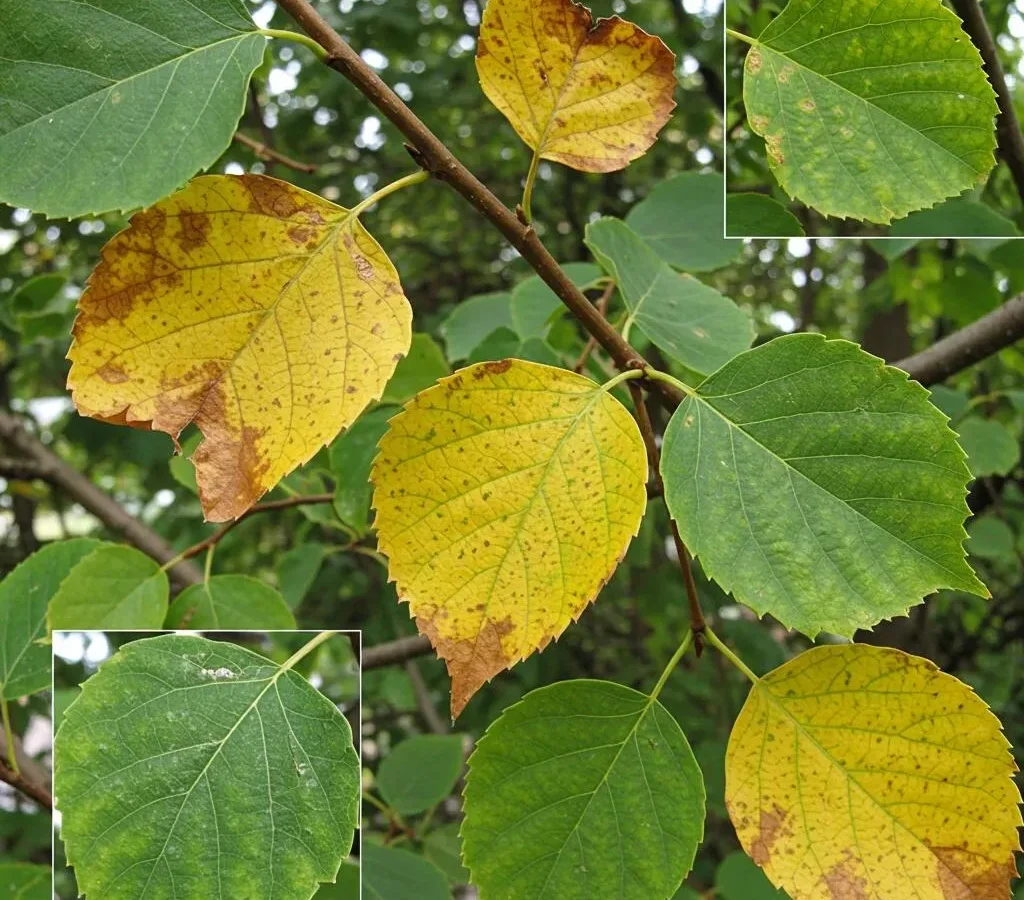
Seeing leaves turning yellow on cherry tree branches is stressful. That bright green canopy fading out usually means something is wrong with the roots or the soil. Sometimes it is just a normal seasonal shift, but you need to know the difference before you act.
Sweet cherries (Prunus avium) thrive in well-drained soil with a pH between 6.0 and 7.0. Per Oregon State University Extension research, root suffocation from heavy clay is the leading cause of summer chlorosis. Let us walk through exactly how to figure out what your tree needs right now.
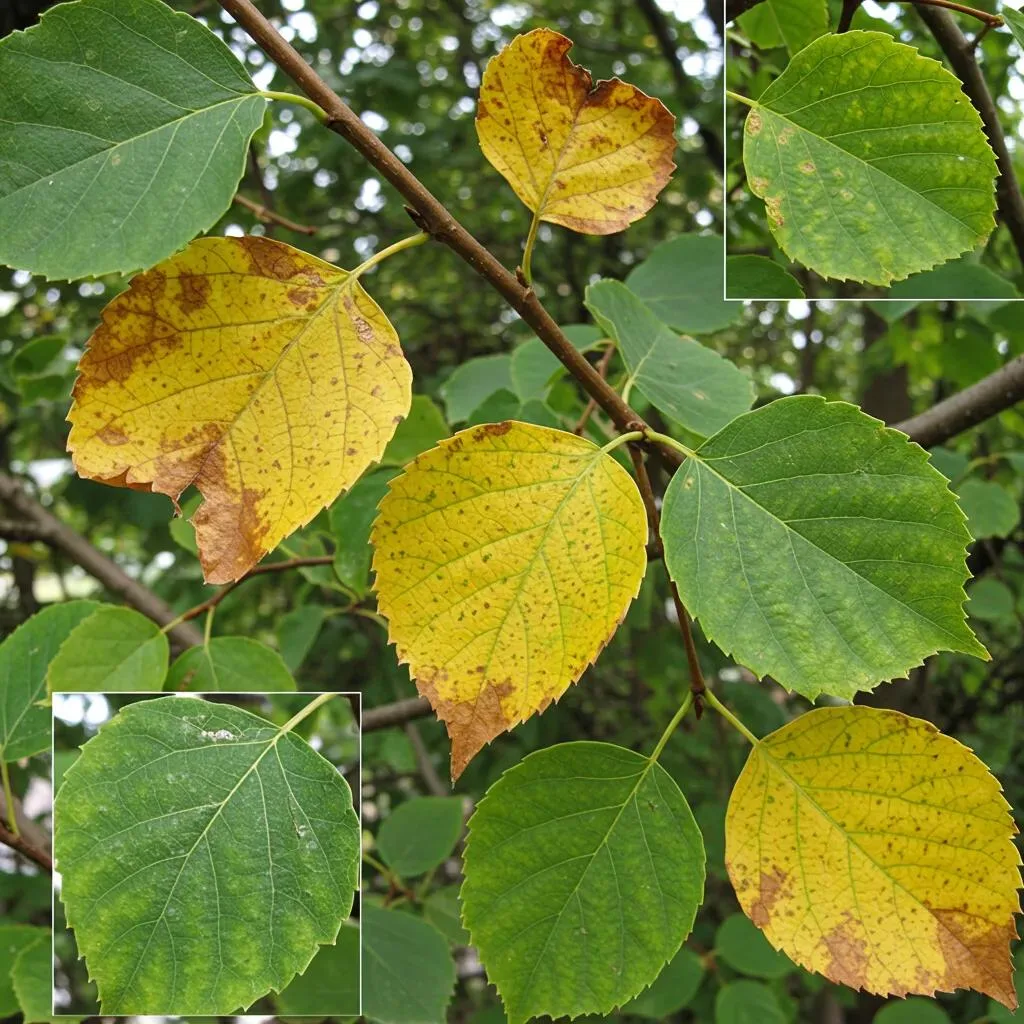
Image source: Bing (Web (fair-use with source credit))
Quick Answer
Yellow leaves on a cherry tree signal stress or nutrient issues. Check if older or newer leaves turn yellow first. Overwatering and poor drainage are the most common causes.
Iron deficiency also causes yellowing between leaf veins. Test your soil moisture and pH before applying treatments.
Why Your Cherry Tree Leaves Are Turning Yellow (And When It’s Actually Normal)
Chlorosis is the technical term for leaves losing their green color. It happens when the tree cannot produce enough chlorophyll. The triggers range from simple thirst to serious fungal infections.
Figuring out the exact cause requires looking closely at how the yellowing started.
If your tree drops yellow leaves in late August or September, relax. That is natural autumn senescence. The tree is pulling nutrients back into its wood for winter.
You do not need to treat seasonal color changes.
Summer yellowing is a different story. If leaves fade in June or July, the tree is actively struggling. Our research shows that waterlogged roots are the primary culprit for backyard stone fruit trees.
Heavy spring rains saturate clay soils, starving the roots of oxygen.
Drought stress causes yellowing too, but the symptoms look different. Dry soil makes leaves curl inward before they turn pale. Wet soil makes them drop while still somewhat plump.
Knowing which extreme you are dealing with dictates your entire treatment plan.
Nutrient lockout is another major factor. Even if your soil has plenty of iron or nitrogen, the tree might not absorb it. High soil pH binds these nutrients up tightly.
As of 2026, soil testing remains the only reliable way to confirm this issue.
Pests like spider mites can also drain the color from foliage. They leave tiny stippled yellow dots rather than solid yellow leaves. Checking the undersides of affected leaves takes five seconds and rules out insects immediately.
The 60-Second Diagnostic Workflow: Pinpointing the Cause
Checking Leaf Patterns, Position, and Timing
Start by looking at where the yellow leaves are growing. This single detail cuts your list of suspects in half. The position tells you whether the problem moves up from the roots or down from the environment.
If the oldest leaves near the bottom are yellowing first, suspect nitrogen deficiency. Nitrogen is mobile inside the plant. The tree steals it from old leaves to support new growth when supplies run low.
Uniform pale color across those older leaves confirms this.
If the newest leaves at the branch tips are turning yellow, think iron deficiency. Iron does not move around inside the tree easily. New growth suffers first when the roots cannot pull enough from the soil.
Look for dark green veins against a yellow background.
Timing matters just as much as position. Sudden yellowing after a heavy rainstorm points directly to root rot. Slow, gradual fading over several weeks suggests a chronic nutrient shortage.
Match the timeline to your recent weather patterns.
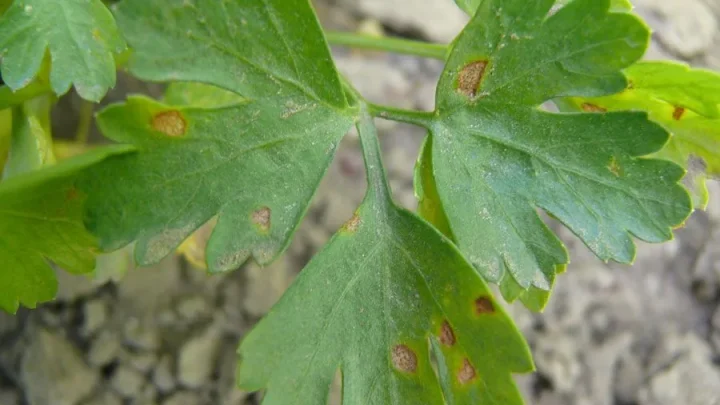
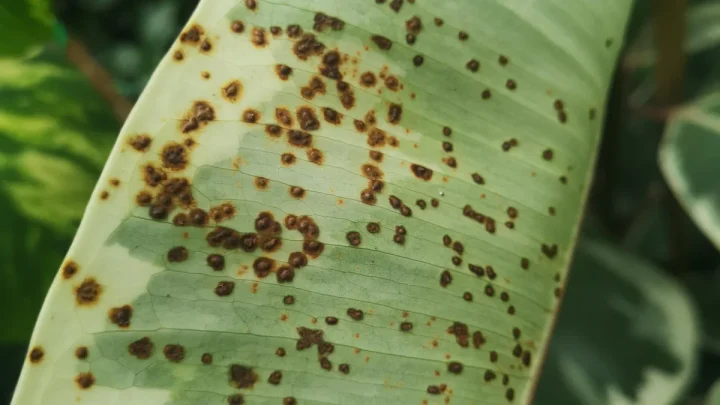
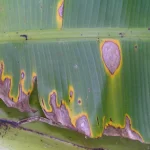
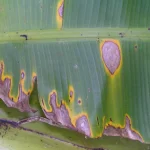
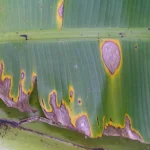
Check both sides of the leaf as well. Fungal diseases like cherry leaf spot (Blumeriella jaapii) create distinct purple or brown spots surrounded by yellow halos. Pure nutritional issues rarely form isolated spots.
Spots mean pathogens are involved.
Reading the Soil: Moisture, Drainage, and pH
Your soil holds all the answers. Grab a trowel and dig down about six inches near the drip line. Do not dig right against the trunk, as that damages shallow roots.
Squeeze a handful of that soil. If it forms a tight, wet ball that smells sour, your tree is drowning. Phytophthora root rot thrives in those anaerobic conditions.
Sweet cherries absolutely hate sitting in water.
If the soil crumbles into dry dust, you have a drought problem. Shallow watering every day encourages weak surface roots. Trees need deep, infrequent soaking to build resilience.
A percolation test helps you understand your baseline drainage.
Dig a hole twelve inches deep and fill it with water. Time how long it takes to drain completely. Good drainage empties within a few hours.
Clay soils might hold that water for over twenty-four hours, which spells trouble for Prunus species.
Soil pH is the invisible gatekeeper for nutrients. Sweet cherries prefer a pH between 6.0 and 7.0. Anything above 7.5 locks out iron and manganese rapidly.
A basic digital meter gives you an instant reading.
| Symptom | Likely Soil Condition | Action Required |
|---|---|---|
| Sour smelling mud | Waterlogged / Poor drainage | Reduce watering, improve grading |
| Dusty, hard dirt | Drought stress | Deep soak every 7 to 14 days |
| pH above 7.5 | Nutrient lockout | Apply elemental sulfur |
| pH below 5.5 | Acidic toxicity | Apply garden lime |
Inspecting the Trunk and Branches for Gummosis or Dieback
Look past the leaves and examine the bark. Bacterial canker (Pseudomonas syringae) often causes localized yellowing on a single branch. The rest of the tree might look perfectly healthy while one limb fades out.
Search for gummosis. This is amber-colored sap oozing from cracks or wounds in the bark. Healthy trees occasionally weep a little sap, but excessive gumming paired with dying leaves is a red flag.
It signals active bacterial infection inside the wood.
Trace the yellowing branch back to the main trunk. If you see sunken, dark lesions where the branch meets the trunk, canker is likely the cause. The bacteria girdle the wood, cutting off water flow to those specific leaves.
Verticillium wilt presents differently. It usually causes one entire vertical section of the tree to yellow and collapse. The fungus lives in the soil and blocks the vascular system.
Cut a small twig from the dying section and look at the cross-section.
Dark brown streaks inside the green wood confirm Verticillium. There is no chemical cure for this soil-borne fungus once it enters the tree. You will need to remove the tree and avoid planting stone fruits in that spot again.
Decision Branches: Matching Symptoms to the Right Fix
Waterlogged Roots vs. Drought Stress
Water issues are binary. You are either giving the tree too much or too little. The fix depends entirely on which side of the line you fall.
If your soil failed the percolation test and stays soggy, stop watering immediately. Pull any mulch back three to four inches from the trunk flare. Mulch piled against the bark traps moisture and invites collar rot.
For chronically wet clay soils, consider planting future cherry trees on raised mounds. Existing trees might benefit from shallow trenches directing water away from the root zone. Do not add sand to clay, as it creates a concrete-like texture.
If your soil was bone dry at six inches deep, your irrigation schedule needs an overhaul. Daily light sprinkling only wets the top inch of dirt. Switch to a slow, deep soak every seven to fourteen days during summer heat waves.
Use a soaker hose wrapped around the drip line. Let it run for a few hours until moisture reaches that crucial six-inch depth. Consistent deep watering prevents the stress cycles that trigger premature leaf drop.
Iron Deficiency vs. Nitrogen Deficiency
Nutrient fixes require precision. Throwing generic fertilizer at a pH problem wastes money and pollutes local waterways. You must match the amendment to the specific deficiency.
Nitrogen deficiency shows up as uniform pale yellowing on older lower leaves. The whole leaf fades evenly. A balanced organic fertilizer applied in early spring usually corrects this quickly.
Blood meal provides a fast nitrogen boost if the tree looks severely starved.
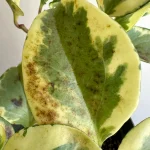
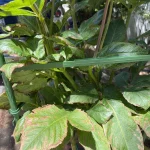
Iron deficiency looks completely different. The tissue between the veins turns bright yellow while the veins themselves stay dark green. We call this interveinal chlorosis.
It hits the newest growth at the top of the canopy first.
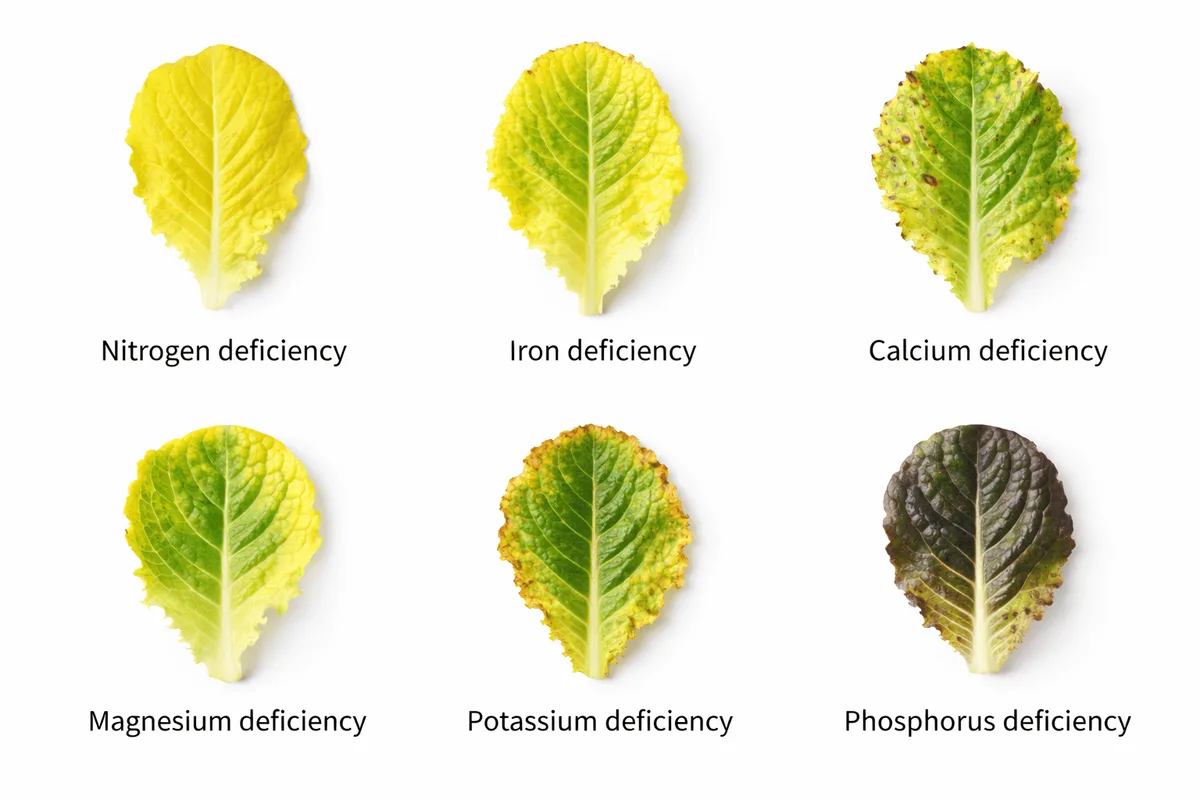
Image source: Bing (Web (fair-use with source credit))
Do not just dump iron sulfate on alkaline soil. The high pH will instantly bind the iron, making it useless to the tree. You need a specific type of chelated iron called EDDHA.
This formulation stays available to roots even in soils with a pH up to 9.0.
Foliar sprays containing liquid iron offer a quick cosmetic fix. They green up the leaves within a week. However, they do not solve the underlying soil chemistry problem.
Use sprays for immediate relief while you work on lowering the soil pH long-term.
To permanently fix high pH, apply elemental sulfur to the root zone. Soil microbes convert sulfur into sulfuric acid slowly over months. Expect to wait a full growing season to see a meaningful pH shift.
Retest your soil annually to track progress.
Bacterial Canker and Fungal Leaf Spot vs. Natural Senescence
Diseases demand aggressive action. Ignoring them allows pathogens to spread to neighboring trees or kill your cherry tree entirely. Separating disease from normal aging is your first priority.
Natural senescence happens uniformly across the whole canopy in late summer. The tree shifts resources to the roots. Leaves turn yellow, then orange, then drop cleanly.
No spots, no oozing sap, no dead branch tips. Just a quiet transition into dormancy.
Bacterial canker does not wait for autumn. It strikes during cool, wet spring weather. You will see irregular dead patches on leaves, often accompanied by the gummosis we discussed earlier.
Entire branches may die back suddenly while adjacent limbs stay green.
Copper-based bactericides help prevent canker spread. Apply them during leaf drop in autumn and again before buds swell in spring. Never spray copper products when temperatures exceed 85°F, as they will burn the foliage.
Always follow the pre-harvest interval on the label if your tree produces edible fruit.
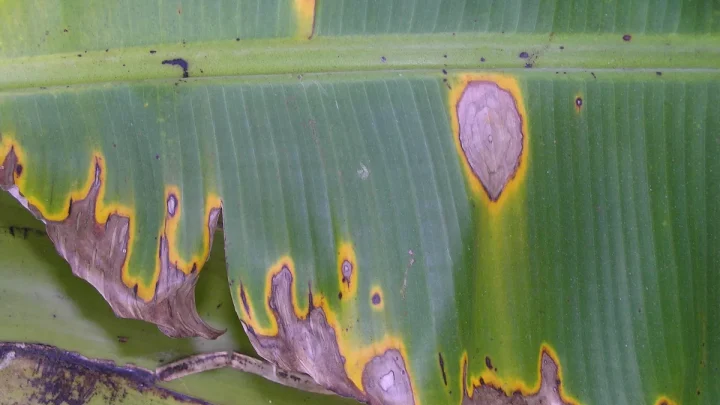
Cherry leaf spot is a fungal issue. It starts as small purple dots that expand into brown lesions with yellow borders. Severely infected trees drop their leaves by midsummer.
This weakens the tree drastically and ruins next year's fruit crop.
Rake up and destroy fallen leaves immediately. The fungus overwinters in that debris. Fungicide applications starting at petal fall keep spores from establishing.
Sanitation is just as critical as spraying for managing this pathogen effectively.
Step-by-Step Treatments Based on Your Diagnosis
Once you have identified the cause, follow a strict action plan. Jumping between treatments confuses the tree and wastes your effort. Stick to the workflow that matches your diagnosis.
For waterlogged roots causing early yellowing:
- Stop all supplemental irrigation immediately.
- Clear debris and pull mulch away from the trunk base.
- Dig shallow diversion channels if water pools around the root zone.
- Wait two weeks and recheck soil moisture at six inches deep.
- Resume watering only when the soil feels slightly dry, not dusty.
For confirmed iron deficiency in alkaline soils:
- Purchase EDDHA chelated iron from a garden center.
- Apply it to the soil surface under the drip line according to package rates.
- Water it in lightly to move the chelate toward the root hairs.
- Spray a foliar iron product for temporary visual relief if desired.
- Apply elemental sulfur in autumn to begin lowering the soil pH gradually.
For suspected bacterial canker with gummosis:
- Sterilize your bypass pruners with seventy percent isopropyl alcohol.
- Cut the infected branch at least six inches below the visible damage.
- Inspect the cut wood to ensure the center is white and healthy.
- Sterilize your tools again before moving to another branch or tree.
- Seal large pruning wounds only if recommended by your local extension office.
- Plan a dormant copper spray application for late autumn.
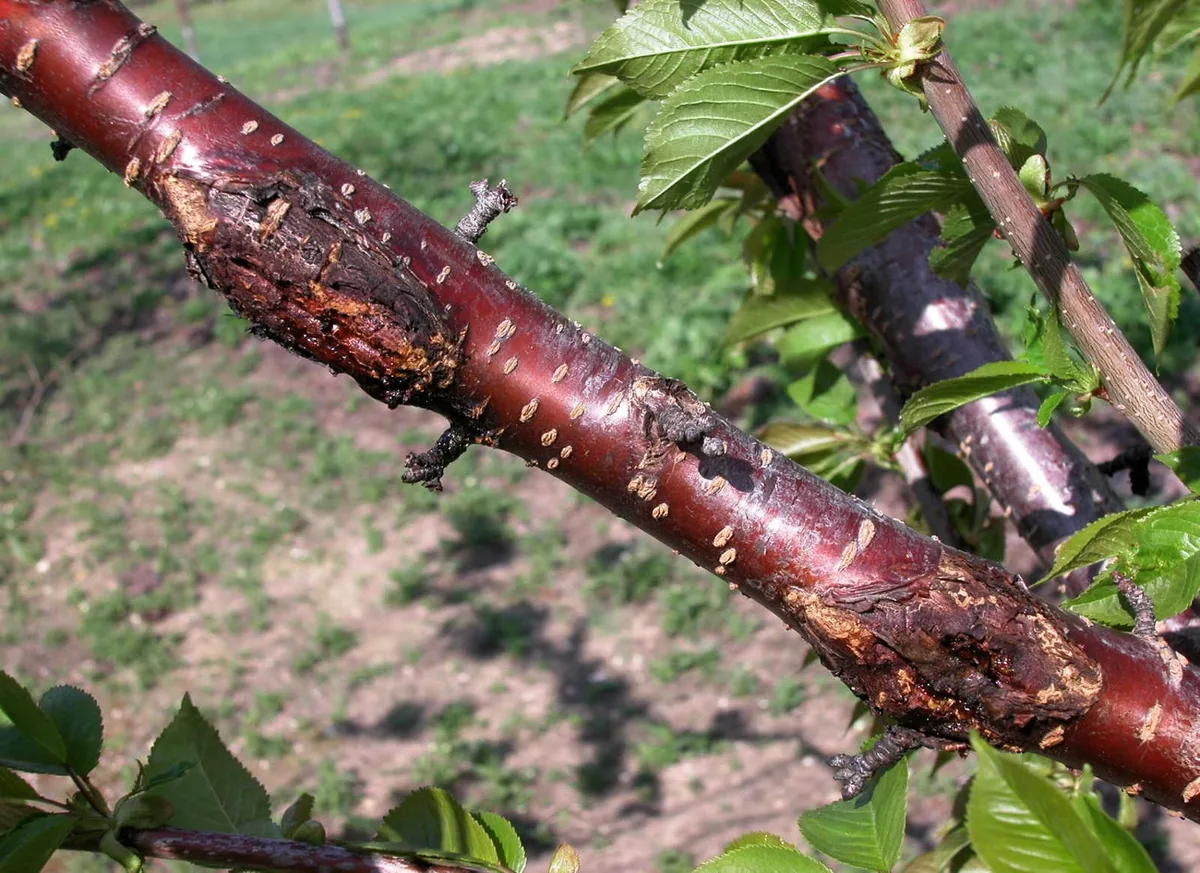
Image source: Bing (Web (fair-use with source credit))
For severe cherry leaf spot defoliation:
- Rake up every fallen leaf beneath the canopy.
- Dispose of the debris in the trash, not your compost pile.
- Apply a registered fungicide labeled for Blumeriella jaapii on stone fruit.
- Time the first application right after petals drop in spring.
- Repeat applications based on the product's specified interval during wet weather.
Every treatment requires patience. Trees respond on their own biological clock. Nutrient corrections take weeks to show in new growth.
Disease management focuses on protecting next year's leaves rather than magically healing the current damaged ones. Keep records of what you applied and when. That data becomes invaluable if the yellowing returns next season.
Common Mistakes That Make Yellowing Worse
Fertilizing a waterlogged tree is the fastest way to kill it. If your soil failed the percolation test, skip the plant food entirely. Roots sitting in anaerobic mud cannot absorb nutrients anyway.
Adding fertilizer just burns what little root tissue remains.
Spraying copper fungicides in high heat causes severe phytotoxicity. Never apply these treatments when temperatures exceed 85°F. The chemicals cook the leaf surface and accelerate defoliation.
Always check the forecast before treating bacterial canker or fungal spots.
Ignoring herbicide drift catches many backyard growers off guard. Weed and feed products applied to nearby lawns easily vaporize in summer heat. Those vapors settle on cherry leaves and cause rapid yellowing.
Keep lawn chemicals far away from your tree's drip line.
Pruning infected wood with dirty tools spreads pathogens instantly. Wiping your bypass pruners on your jeans does not sterilize them. Use seventy percent isopropyl alcohol between every single cut.
This takes extra time but prevents moving Verticillium wilt to healthy branches.
Applying standard iron sulfate to alkaline soil wastes your money. The high pH locks that specific iron formulation up immediately. You must use EDDHA chelated iron for soils testing above 7.0.
Generic garden center iron products rarely work for stone fruit trees in calcareous dirt.
Overwatering newly transplanted bare root trees triggers massive transplant shock. People panic when fresh leaves turn pale and dump more water on the roots. Let the soil dry slightly between deep soakings instead.
Trust the drainage test results we covered earlier.
| Mistake | Consequence | Correct Action |
|---|---|---|
| Fertilizing wet soil | Root burn and death | Improve drainage first |
| Spraying copper over 85°F | Leaf scorch and drop | Wait for cooler mornings |
| Using unsterilized pruners | Spreading bacterial canker | Wipe blades with alcohol |
| Applying cheap iron sulfate | Zero nutrient uptake | Buy EDDHA chelated iron |
Frequently Asked Questions
Why are my cherry tree leaves turning yellow in summer?
Summer yellowing usually points to root stress or nutrient lockout. Check your soil moisture at six inches deep first. Soggy clay suffocates roots, while bone dry dirt starves them.
Test your soil pH if watering habits look correct.
Should I remove yellow leaves from my cherry tree?
Leave them alone unless you suspect a contagious disease. The tree reabsorbs remaining nutrients from fading foliage naturally. Pulling them off creates open wounds that invite bacterial canker.
Only prune if you see distinct fungal spots or oozing sap.
Can overwatering cause cherry tree leaves to turn yellow?
Yes, waterlogged soil is the leading cause of premature chlorosis. Cherry tree roots require consistent oxygen to function properly. Heavy clay holds moisture too long after spring rains.
Cut back irrigation immediately if your soil smells sour or stays muddy.
How do I fix iron deficiency in a cherry tree?
Apply EDDHA chelated iron directly to the soil under the canopy. Standard iron sulfate fails in alkaline soils because it binds up instantly. Follow up with elemental sulfur to lower your pH gradually.
Foliar sprays offer temporary relief while the soil treatment takes effect.
Is it normal for cherry trees to lose yellow leaves?
It is completely normal in late August and September. The tree prepares for winter dormancy by dropping older foliage. Uniform yellowing across the whole canopy during autumn requires no treatment.
Summer leaf drop, however, always signals an underlying problem needing attention.

Similar Posts