Midnight Marvel Hibiscus Seeds: Growing Guide & Care Tips
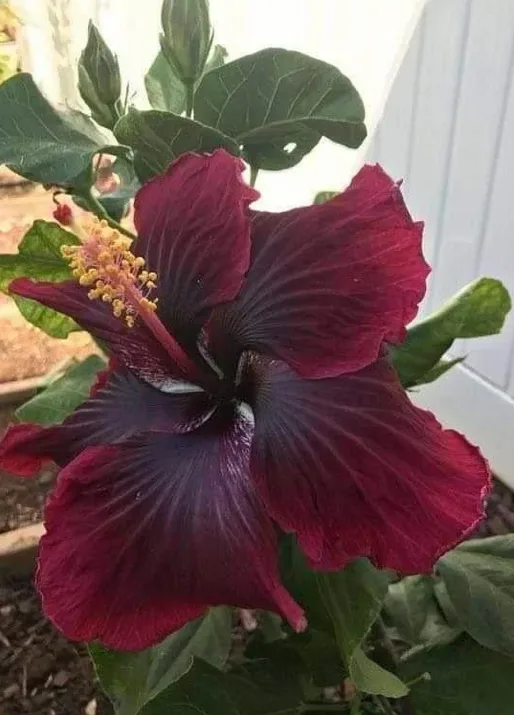
If you're hunting for midnight marvel hibiscus seeds, you've probably hit a wall. Finding true seed for this specific patented cultivar is incredibly tough. Most packets sold online are just generic hardy hibiscus seeds mislabeled to grab your attention.
Even if you collect pods from an existing plant, the babies won't look exactly like the parent.
That's because Midnight Marvel is a hybrid of Hibiscus moscheutos, commonly called swamp mallow or rose mallow. Manufacturer specifications from Walters Gardens confirm it's a protected Proven Winners variety. Our research shows germination requires soil temperatures between 70°F and 85°F.
Getting those rock-hard seeds to sprout takes a very specific workflow. Let's break down exactly how to do it right.
Quick Answer
Midnight marvel hibiscus seeds require scarification before planting. The hard seed coat blocks water absorption naturally. You must sand or nick each seed first.
Soak them in warm water overnight after filing. True Midnight Marvel plants only come from vegetative cuttings.
Image source: Bing (Web (fair-use with source credit))
The Hard Truth About Midnight Marvel Hibiscus Seeds
Here is the biggest issue we see gardeners run into. If you buy a packet labeled "Midnight Marvel" seeds as of 2026, you're likely getting scammed. This specific dinnerplate hibiscus is a patented hybrid.
Reputable nurseries sell it exclusively as live potted plants.
Seeds collected from a mature Midnight Marvel plant will grow. But they won't grow true to type. That means your new plants might produce standard pink flowers instead of deep scarlet blooms.
The famous near-black foliage could easily revert to plain green.
Why does this happen? Hybrids carry mixed genetics from their parent lines. When they reproduce sexually through seeds, those genes shuffle randomly.
You'll still get a beautiful hardy hibiscus. It just won't be a true Midnight Marvel clone.
So why bother growing them at all? Cost is the main driver. Live patented plants are expensive.
Growing open-pollinated seeds from a dark-leafed parent gives you a chance at similar traits. University extension programs note that native Hibiscus moscheutos species thrive across USDA Zones 4 through 9.
If your goal is an exact replica of that massive red bloom on black leaves, buy the plant. If you want a fun experiment with giant perennial hibiscus, use seeds. Just know what you're actually putting in the dirt.
What to expect from saved seed
- Foliage color may range from green to deep burgundy.
- Flower size usually stays large but petal colors shift.
- Growth habits remain vigorous and shrub-like.
- Plants still die back completely every winter.
Your Starting Point: Deciding How to Source and Scarify the Seeds
Your first decision depends entirely on where your seeds came from. Did you harvest dry brown pods from a neighbor's plant? Or did you buy a commercial packet of generic hardy hibiscus seeds?
Either way, the physical prep is identical.
Hibiscus moscheutos seeds have a notoriously thick outer shell called a testa. Water cannot penetrate it naturally. If you just drop them in wet soil, they'll sit there for months and rot.
You have to break that barrier manually.
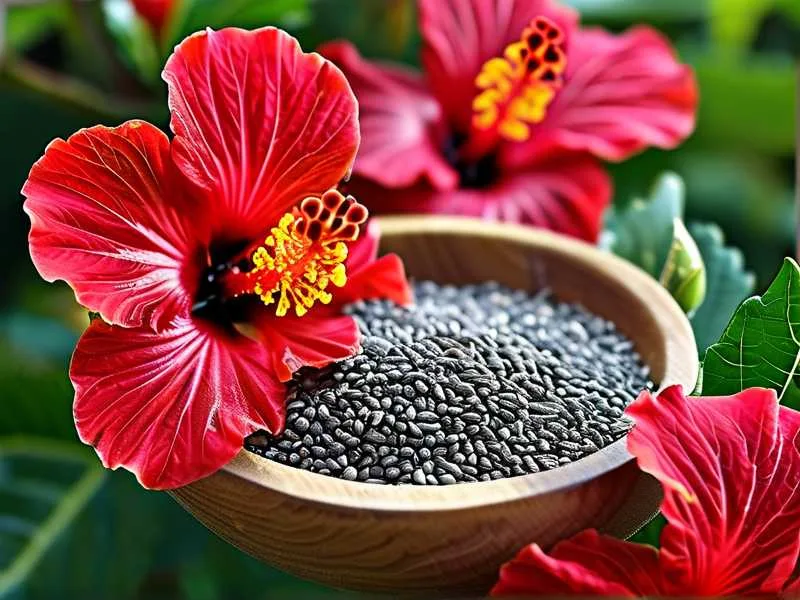
Image source: Bing (Web (fair-use with source credit))
This process is called scarification. You have three reliable options here. Choose based on how many seeds you need to process.
| Method | Best For | Risk Level |
|---|---|---|
| Sandpaper rubbing | Large batches | Low |
| Nail clippers | Small batches | Medium |
| Hot water soak only | Lazy approach | High failure rate |
If you have twenty or more seeds, lay down medium-grit sandpaper. Rub each seed gently until you see a pale spot appear. That pale layer means you've breached the dark outer coat.
Stop immediately once you see it so you don't damage the embryo inside.
If you only have five seeds, use nail clippers. Carefully snip off a tiny sliver of the pointed end. Don't crush the seed.
Just clip the edge. This creates a direct opening for moisture to enter.
Once scarified, drop the seeds into a cup of warm water. Not boiling. Think comfortable bath temperature, around 100°F.
Leave them soaking for 12 to 24 hours. They'll swell up noticeably. That swelling tells you the seed is hydrated and ready to germinate.
Skip this soak and your germination rates will tank.
The Germination Workflow: Indoor Sowing, Heat, and Timelines
Don't even think about direct sowing these outdoors in early spring. Hardy hibiscus needs serious warmth to trigger growth. Starting indoors gives you control over the two things that matter most: heat and moisture.
Start your seeds about six to eight weeks before your last expected frost date. For northern growers, that usually means late February or early March. Southern zones can push that timeline back to January.
Timing is everything for first-year blooms.
Fill shallow seed trays with a sterile, well-draining mix. Peat pellets work fine too. Plant each swollen seed about one-quarter inch deep.
Cover lightly. Mist the surface so it's damp but never muddy.
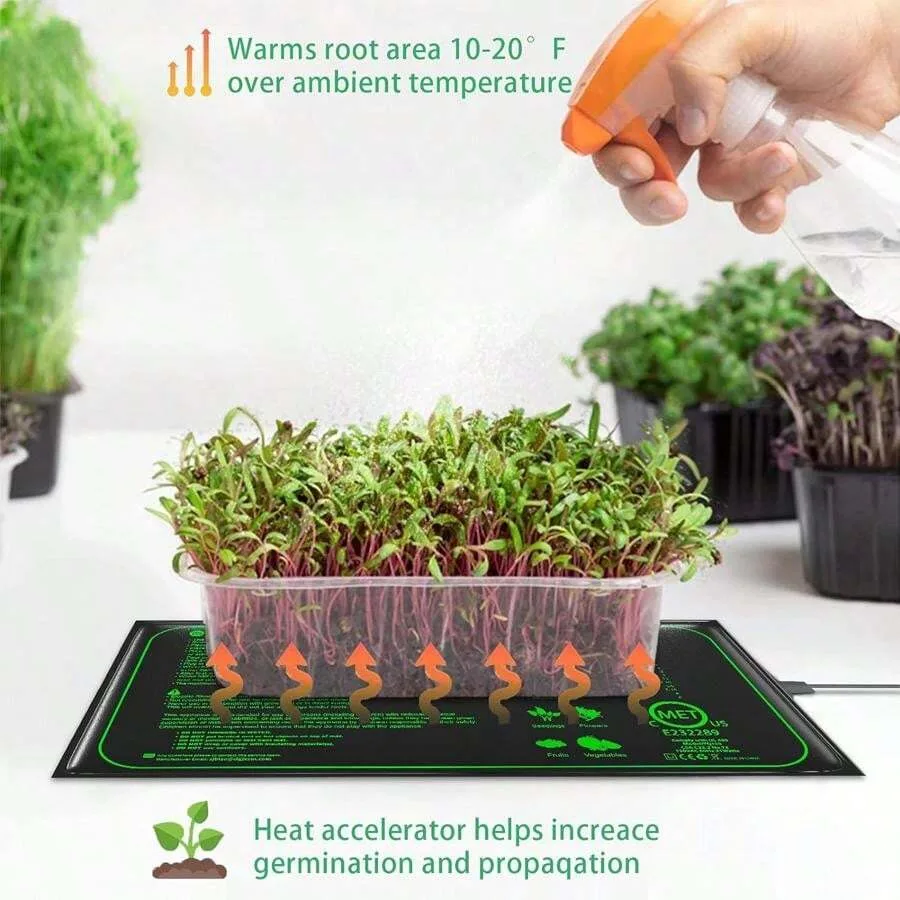
Image source: Bing (Web (fair-use with source credit))
Now add bottom heat. Place your trays on a seedling heat mat set between 70°F and 85°F. Per Clemson Cooperative Extension guidelines on perennial propagation, consistent soil warmth drastically improves emergence rates for mallows.
Without a heat mat, expect spotty results.
Cover the tray with a clear humidity dome. Check daily. If condensation drips heavily, vent it slightly.
Too much trapped moisture invites damping off, a fungal disease that kills seedlings fast. Keep the soil barely moist, not soaked.
Sprouts should push through in 7 to 21 days. Once you see green cotyledons, pull the humidity dome off. Move the tray under bright grow lights.
Give them 14 to 16 hours of light daily. Leggy, stretched seedlings mean your lights are too far away.
Indoor care checklist
- Keep heat mats running until true leaves form.
- Water from the bottom to avoid disturbing roots.
- Thin out weak sprouts if multiple seeds share a cell.
- Hold off on fertilizer until the second set of true leaves appears.
Patience pays off here. These seedlings grow aggressively once established. By week four, you'll see rapid vertical growth.
That taproot dives deep fast, which is why shallow cells eventually become a problem.
Moving Seedlings Outdoors: Hardening Off, Spacing, and Soil
You can't move tropical-looking seedlings straight from a cozy indoor setup into cold spring wind. You have to harden them off first. This acclimates the plant tissue to UV light, wind, and temperature swings.
Start seven to ten days before your planned transplant date. Put the pots outside in dappled shade for two hours. Bring them back in.
Add an hour of exposure each day. Gradually introduce them to direct morning sun.
Wait until all danger of frost has passed. Hardy hibiscus survives winter as dormant roots, but young leafy seedlings will freeze solid. Soil temperatures outside should consistently read above 60°F before planting.
Pick a spot that gets full sun. We mean at least six hours of direct light daily. Less sun means fewer blooms and weaker stems.
These plants love moisture, so rain gardens or low spots in the yard are perfect locations.
Space them 36 to 48 inches apart. It feels excessive when they're tiny. But aggregate reviews from experienced growers confirm these plants hit three to four feet wide in a single season.
Crowding them invites powdery mildew and poor airflow.
Dig a hole twice as wide as the root ball. Native soil is usually fine. If you have heavy clay, mix in some compost to improve drainage.
Set the crown level with the surrounding soil line. Water deeply immediately after planting.
Mulch around the base to retain moisture. Keep mulch pulled an inch away from the main stem. Young transplants need consistent watering for the first month.
After that, their deep taproots take over and handle short dry spells easily.
Where Growers Go Wrong: Patents, Pests, and the Late Spring Panic
Mistakes with hardy hibiscus usually fall into three buckets. Legal confusion, pest damage, or pure panic. Let's clear them up before you make them.
First, the legal side. As mentioned earlier, the specific 'Midnight Marvel' name is trademarked by Proven Winners. You cannot propagate patented plants vegetatively for sale.
Growing collected seeds for your own backyard is perfectly fine. Just don't try selling them under the trademarked name at local markets.
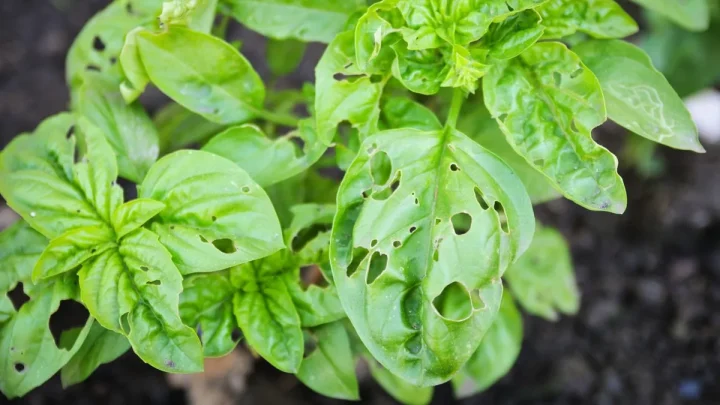
Second, pests love tender hibiscus leaves. Japanese beetles are the worst offenders. They skeletonize foliage rapidly in midsummer.
Handpick them early in the morning when they're sluggish. Drop them into soapy water. Avoid broad-spectrum sprays since this plant is a major pollinator magnet.
Third, the spring panic. This is the most common mistake we see reported. Hardy hibiscus emerges incredibly late.
While your hostas and peonies pop up in April, your hibiscus looks like dead sticks. People assume it died over winter and dig it up.
Don't touch it. Hibiscus moscheutos routinely waits until late May or even June to show green buds. Mark the spot where you planted it so you don't accidentally till over the dormant crown. If the roots feel firm when you gently scratch the bark, the plant is alive.
Just sleeping.
Finally, watch your watering habits during dormancy. Overwatering a dormant crown in early spring causes root rot. Only increase irrigation once active green growth pushes through the soil.
Treat it like a desert plant until it wakes up, then treat it like a swamp plant all summer.
Midnight Marvel Hibiscus Seed FAQs
Will seeds from a Midnight Marvel plant look like the parent?
No. Midnight Marvel is a hybrid, so its seeds carry shuffled genetics. You might get dark foliage or red blooms, but exact clones only come from vegetative cuttings.
Expect variation in flower color and leaf shade.
How long does it take for hardy hibiscus seeds to sprout?
Germination usually takes 7 to 21 days after proper scarification. Soil temperatures must stay between 70°F and 85°F. Without bottom heat or a sanded seed coat, sprouting can take months or fail entirely.
Can I plant these seeds directly outside in spring?
Direct sowing works poorly because outdoor soil rarely stays warm enough early in the season. Start seeds indoors six to eight weeks before your last frost. Transplant them outside only after nighttime temperatures stay reliably above 50°F.
Why hasn't my hibiscus grown back yet in May?
Hardy hibiscus emerges very late compared to other perennials. It often waits until late May or June to push green shoots through the soil. If the roots feel firm when scratched gently, the plant is just dormant.
Are Japanese beetles a serious problem for young plants?
Yes. Beetles target tender new leaves aggressively during midsummer. Handpick them in the early morning when they move slowly.
Drop them into soapy water instead of using broad sprays that harm visiting pollinators.
Do I need special soil to grow dinnerplate hibiscus?
Standard garden soil works fine as long as it holds moisture well. These plants naturally grow in swampy areas, so they tolerate wet feet better than most perennials. Mix compost into heavy clay to improve root penetration.

Similar Posts