Is My Lime Tree Dead or Dormant? Signs to Check Now
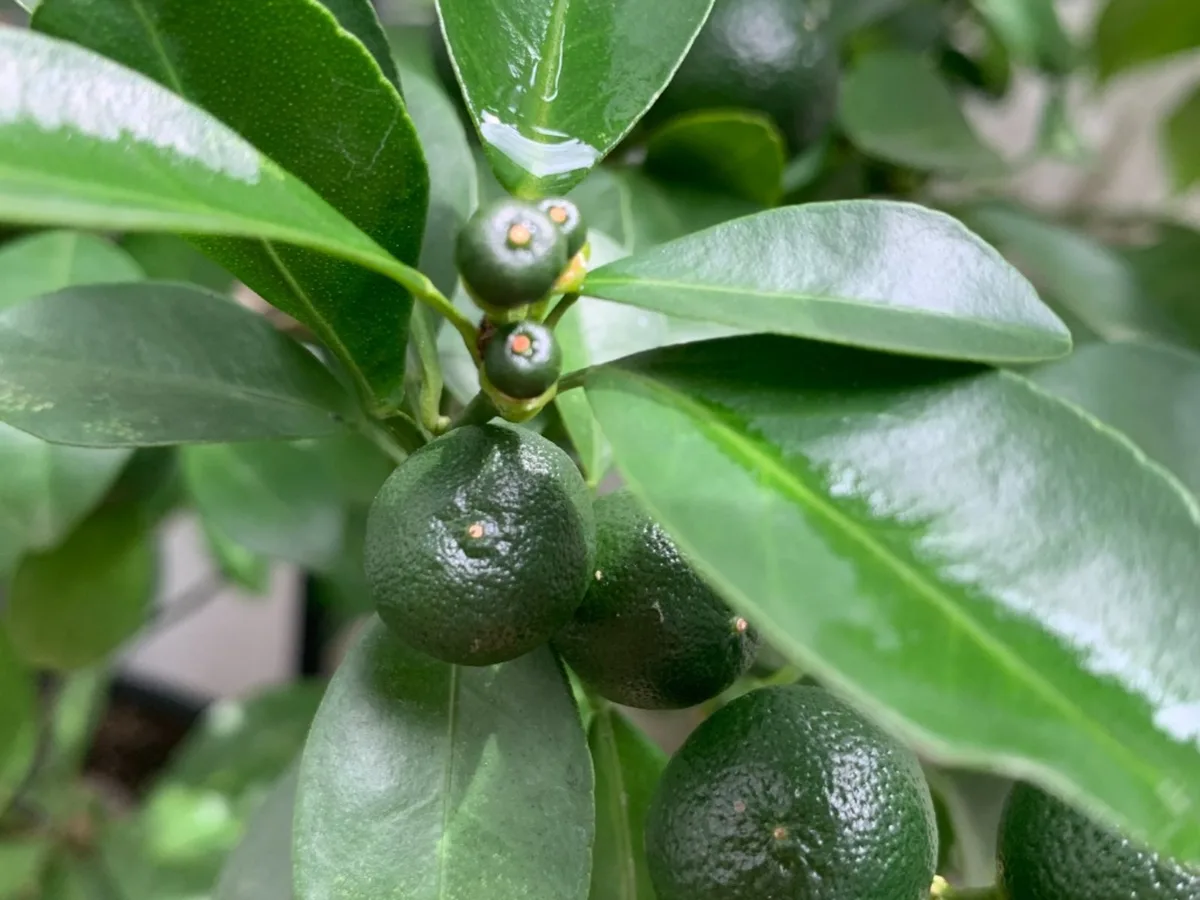
If you are asking "is my lime tree dead or dormant" after a hard freeze, you are not alone. Citrus trees drop leaves when stressed, and that bare wood looks terrifying. But leaf drop does not automatically mean your tree is gone.
Lime trees suffer serious tissue damage when temperatures drop below 28°F. University of Florida IFAS Extension research confirms that cold injured citrus can take weeks to show true recovery signs. We need to run through a few physical checks before making any final calls.
Quick Answer
Your lime tree might be dormant if the cambium layer stays green. Scratch the bark gently to check for live tissue underneath. Brittle twigs that snap cleanly usually indicate dead wood.
Wait until spring to make your final decision.
Image source: Bing (Web (fair-use with source credit))
Why Your Lime Tree Looks Dead (And Why It Probably Isn’t)
Lime trees are evergreen by nature. They do not go fully dormant like apple or peach trees do in winter. So when your Key lime or Persian lime suddenly drops every single leaf, panic sets in fast.
Here is what actually happens during a cold snap. The tree pulls moisture away from its outer branches to protect the main trunk. Leaves dry out and fall off as a defense mechanism.
That bare canopy looks exactly like death, but it is often just survival mode.
Our research shows that container grown limes are especially prone to this dramatic leaf drop. Pots offer zero insulation for the root system. A sudden freeze hits those roots much harder than it would in the ground.
You also have to consider your specific variety. Key limes start suffering right around 32°F. Persian limes handle slightly cooler weather but still face severe damage near 28°F.
Knowing your variety helps set realistic expectations for recovery.
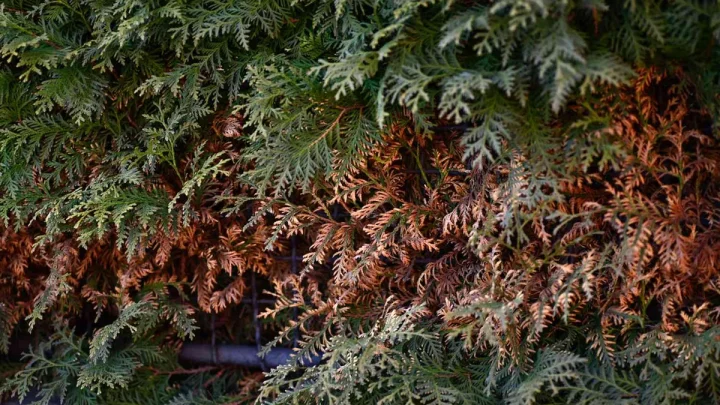
Cold stress mimics death perfectly. The branches look gray. The tips turn black.
You might even notice bark splitting near the base. None of these symptoms guarantee the tree is actually dead.
The biggest mistake we see is people throwing the tree away in February. As of 2026, citrus replacements cost anywhere from $40 to over $100 at local nurseries. Rushing that decision literally throws money in the trash.
Patience is your best tool here. The tree needs time to push new buds once soil temperatures warm up. Until you run the physical tests below, keep your pruning shears in the shed.
The 3-Step Workflow to Test if Your Lime Tree Is Dormant or Dead
Figuring out if your tree is alive requires three specific physical tests. You will work from the outer branches down toward the trunk. Grab a clean thumbnail or a sterilized pocket knife before you start.
| Test | What You Check | Live Sign | Dead Sign |
|---|---|---|---|
| Bend test | Outer twigs | Flexible, bends without breaking | Snaps cleanly, feels brittle |
| Scratch test | Bark surface | Green, moist tissue underneath | Brown, dry, hollow tissue |
| Trunk trace | Graft union area | Green tissue near the soil line | Brown tissue all the way down |
Step 1: The Bend Test on Outer Twigs
Start at the very tips of the smallest branches. Grab a twig about the thickness of a pencil. Bend it slowly into a U shape.
If the twig flexes and bends without snapping, that wood is still alive. It might lack leaves right now, but the internal plumbing works. Move further down the branch and repeat the test.
If the twig snaps instantly with a sharp crack, that specific section is dead. Keep testing lower down the branch. Sometimes only the outer six inches died while the rest survived.
Step 2: The Scratch Test for Green Cambium
The cambium layer sits just beneath the outer bark. This thin layer transports water and nutrients throughout the entire tree. If it is green, your tree is alive.
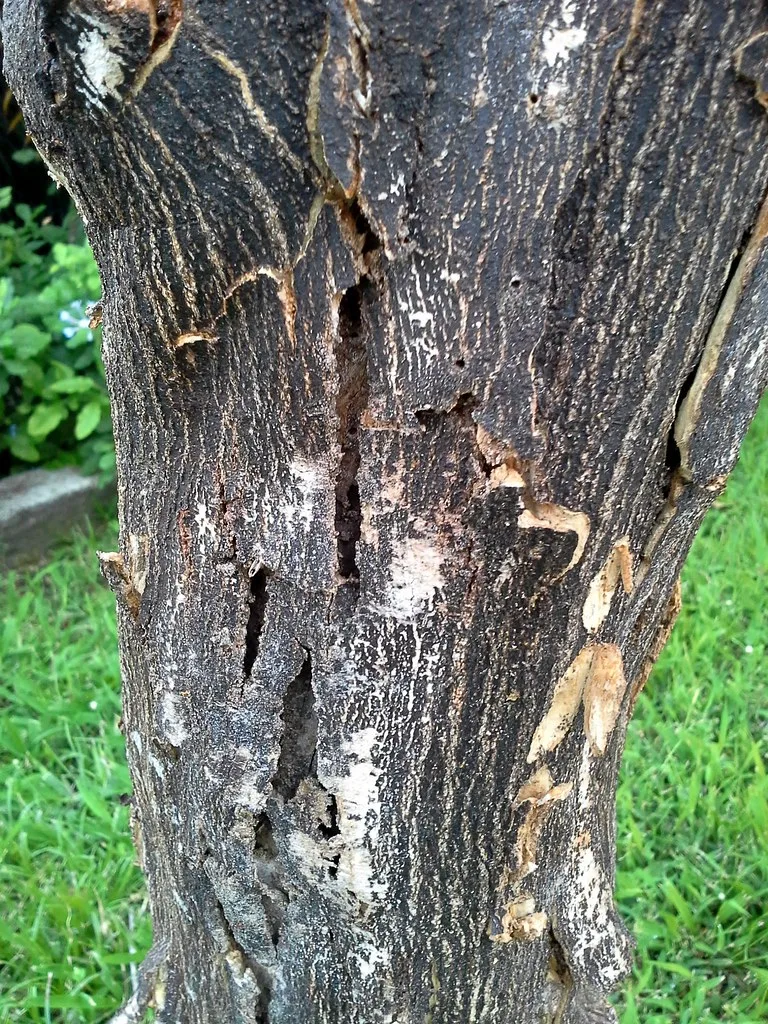
Image source: Bing (Web (fair-use with source credit))
Use your thumbnail to gently scrape away a tiny sliver of bark. Pick a spot on a branch that failed the bend test. You only need to expose an area about the size of a grain of rice.
Look closely at the exposed tissue. Bright green means the branch is living. Brown or gray means that specific spot has died.
Wipe away any loose debris to get a clear view.
Do not gouge deep into the wood. You just want to peek under the surface. Sterilize your knife between cuts if you use one, since open wounds invite fungal pathogens.
Texas A&M AgriLife Extension recommends always cleaning tools before working on stressed citrus.
Step 3: Tracing Live Tissue Down to the Graft Union
Work your way down the tree using the scratch test. Start high up where the twigs snapped. Keep moving lower until you find green tissue.
That transition point tells you exactly how far back the cold damage reached. Everything above that green line is dead wood. Everything below it still has life.
Keep tracing all the way down to the main trunk. You are looking for the graft union, which is that slightly swollen bump near the soil line. Finding green tissue below that bump is the ultimate goal.
If you reach the soil line and everything is brown, the scion wood is completely gone. But do not give up yet. The rootstock might still be alive, which leads us to our next major hurdle.
Reading the Results: Your Decision Guide
Now you have data from your bend and scratch tests. Here is how to translate those results into action. Use this logic to decide your exact next steps.
If your outer twigs snap but the main branches show green cambium, your tree is alive. The cold simply killed the tender new growth. Leave the tree alone and wait for spring bud break.
If branches are dead halfway down but the trunk shows green tissue, you have partial dieback. Do not prune those dead branches immediately. Leaving them attached protects the live wood below from late frost events.
Wait until four to eight weeks after your last expected frost date. By then, the tree will push new growth directly below the dead sections. Once you clearly see where the new buds emerge, cut the dead wood back to that point.
If the entire scion is brown but the rootstock base is green, the top variety is dead. You will see new sprouts emerging from below the graft union. We will cover exactly what to do about that in the next section.
If the scratch test reveals brown tissue all the way down to the roots, the tree is completely dead. You will likely smell rotting wood or notice mushy bark near the soil. Pull it out and sanitize the pot before planting anything new.
Here is a quick summary of the timeline you should follow:
- Week 1 after freeze: Run the bend and scratch tests.
- Weeks 2 through 6: Water lightly only if the soil is bone dry.
- Late spring: Look for new bud break on live wood.
- Early summer: Prune confirmed dead wood back to live nodes.
Never rush the pruning step. Cutting too early exposes vulnerable tissue to secondary infections. Let the tree draw a clear line between dead and alive on its own terms.
The Sucker Trap: Rootstock Growth vs. Real Scion Recovery
This is where home growers get tricked every single year. Your lime tree looks totally dead after a bad freeze. Then suddenly, bright green shoots explode from the base.
You think your Persian lime made it. It did not.
Almost all commercial citrus trees are grafted. The top part producing your fruit is called the scion. The bottom root system is a completely different, tougher citrus variety called the rootstock.
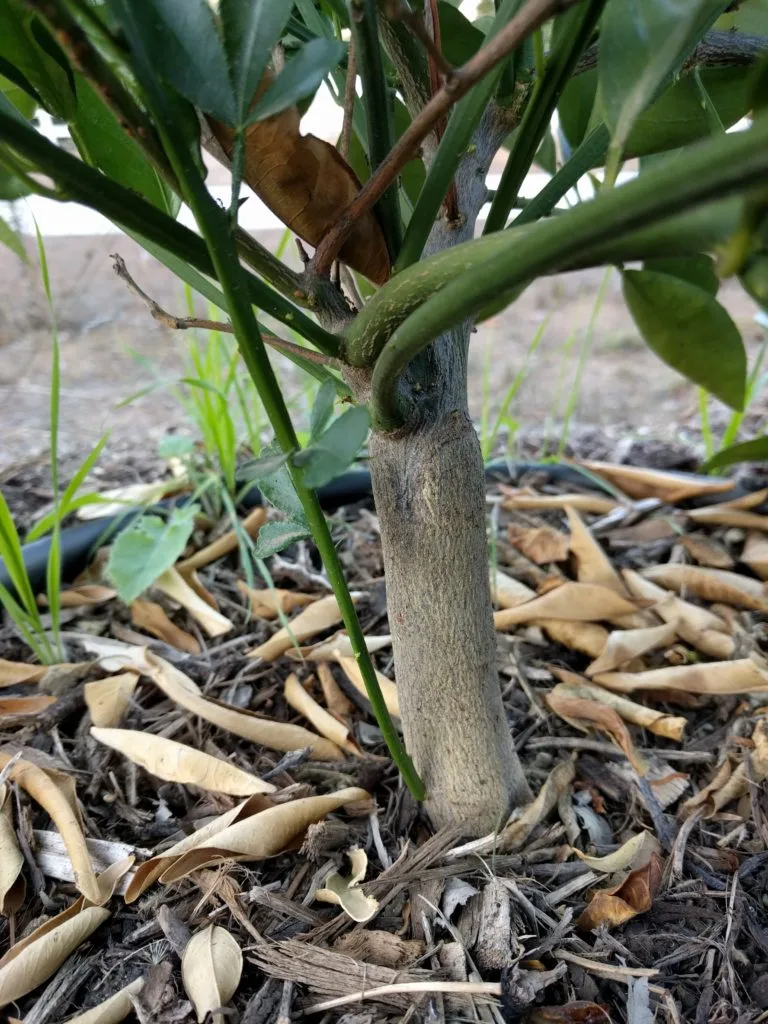
Image source: Bing (Web (fair-use with source credit))
When a hard freeze kills the scion wood, the rootstock often survives underground. It pushes up new growth to save itself. Those new shoots are called suckers, and they will never produce the limes you originally bought.
You need to locate the graft union to know what you are looking at. The graft union is a visible bulge or diagonal scar on the lower trunk. It usually sits two to six inches above the soil line.
Any growth emerging below that bump belongs to the rootstock. Any growth pushing out above that bump belongs to your actual lime tree. This distinction changes everything about your next move.
If you see vigorous green shoots sprouting from the dirt while the upper trunk remains totally brown, your scion is gone. You are now growing a wild rootstock tree. It will produce sour, thick rinded fruit that tastes nothing like a real lime.
So what do you do if only suckers appear? You have two choices. You can pull the whole tree out and buy a new grafted lime.
Or you can let the strongest sucker grow and attempt to graft a new lime scion onto it later.
Grafting your own citrus requires specific skills and clean tools. For most backyard growers, starting over with a fresh tree makes more sense. Just make sure you verify where the new growth originates before celebrating.
If you spot tiny green buds swelling on the trunk above the graft union, that is the real deal. Protect those buds fiercely. They represent your original tree fighting its way back from the edge.
Mistakes That Actually Kill a Stressed Lime Tree
A cold snap rarely kills a mature lime tree outright. Bad recovery habits finish the job weeks later. If your scratch test showed green cambium, avoid these three fatal mistakes.
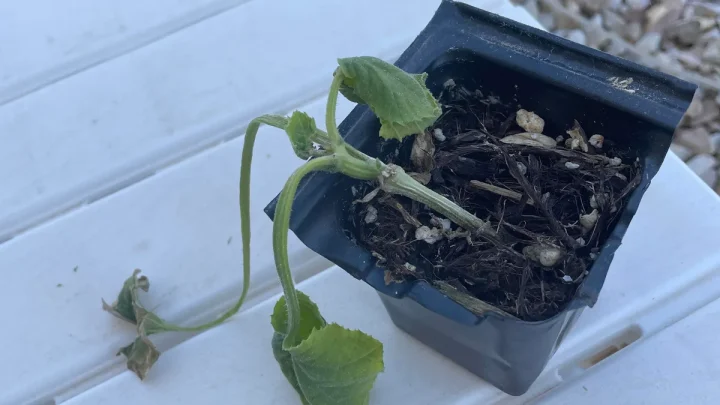
Watering a leafless tree like it is summer will drown it. Leaves drive transpiration, pulling moisture up through the roots. Without leaves, that water just sits in the soil and invites Phytophthora root rot.
Check the soil six inches down before grabbing the hose. Only water if that depth feels completely dry.
Pruning dead wood too early exposes live tissue to late spring frosts. That brown branch might look terrible right now. But it acts as a windbreak for the living buds hiding underneath.
Wait until four to eight weeks after your final frost date. Let the tree push new growth first so you know exactly where to make your cuts.
Applying fertilizer to a stressed tree burns vulnerable roots. Nitrogen forces rapid growth that a damaged system cannot support. Hold off on any citrus feed until you see fresh green leaves fully unfurl.
The University of California Agriculture and Natural Resources confirms that stressed citrus needs time, not extra nutrients.
If you live in a regulated agricultural zone, check local rules before disposing of dead wood. Moving diseased citrus material can spread pathogens like citrus greening. Always sterilize your pruning tools between every single cut.
Patience is your best defense here. Run the tests, adjust your watering, and step back. Give the tree a real chance to wake up.
Frequently Asked Questions
How long does it take for a lime tree to recover from a freeze?
Recovery usually takes four to eight weeks after your last spring frost. The tree needs warm soil temperatures to push new buds. If the cambium layer stayed green during your scratch test, expect slow but steady growth once daytime highs stay consistently above 65°F.
Should I water my bare lime tree during winter dormancy?
Water very sparingly when your tree has no leaves. A leafless tree does not pull moisture from the soil efficiently. Check the dirt about six inches deep near the base.
Only add water if that lower layer feels completely dry to prevent root rot.
Can a lime tree survive if all the leaves fell off?
Yes, total leaf drop is a normal defense mechanism during severe cold stress. The tree sheds foliage to conserve energy and protect its main trunk. As long as your scratch test reveals green tissue under the bark, the tree is still alive.
What does new growth look like on a recovering lime tree?
Fresh scion growth appears as tiny, pale green buds swelling directly on the branches. These buds emerge above the graft union on the main trunk. Rootstock suckers, by contrast, shoot up aggressively from the soil line or below that visible graft bump.
Is my Key lime more likely to die than a Persian lime?
Key limes are significantly more sensitive to cold weather than Persian varieties. They begin suffering tissue damage right around 32°F. Persian limes tolerate slightly cooler dips, but both face severe injury when temperatures fall below 28°F for extended periods.

Similar Posts