Brown Spots on Banana Plant Leaves: Causes & Fixes
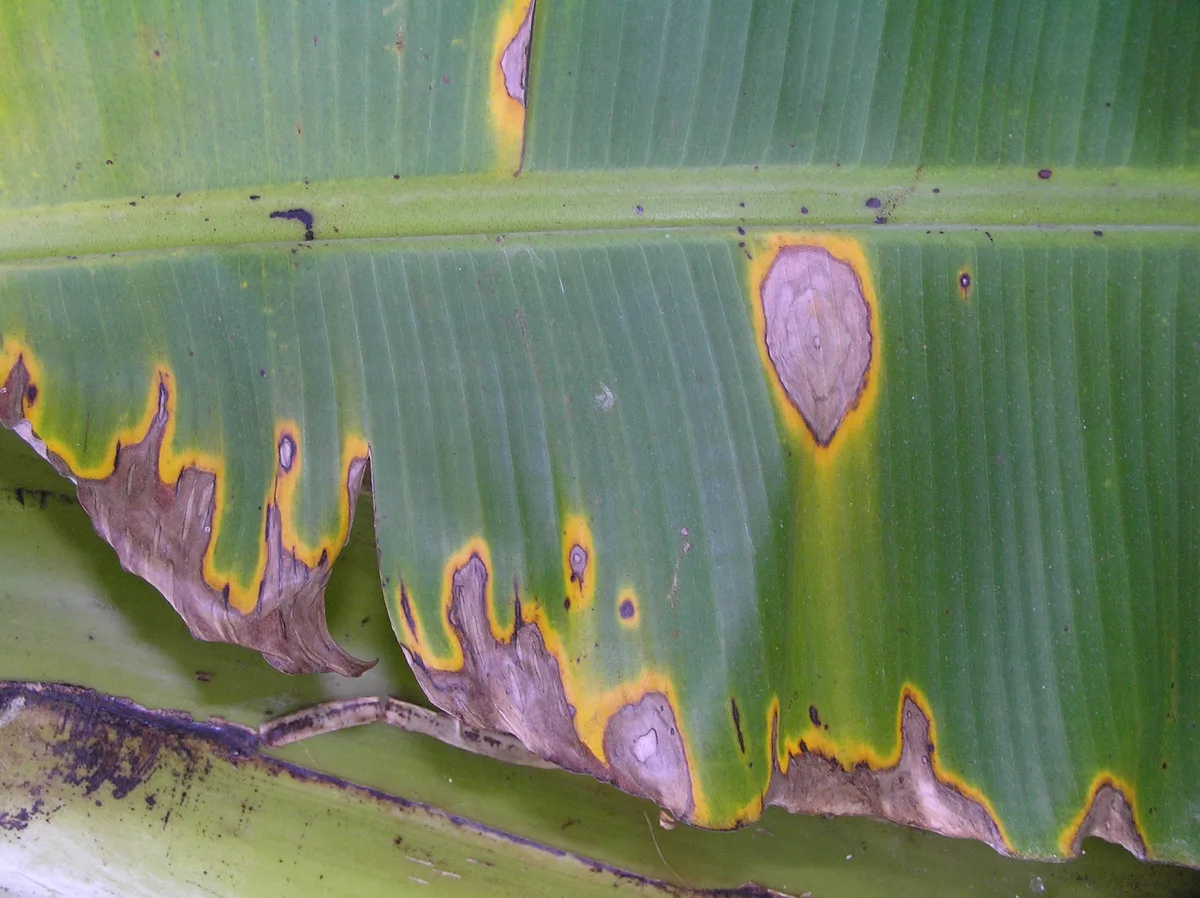
Finding brown spots on banana plant leaves usually means your plant is stressed, aging, or fighting off a pathogen. It's a common issue that trips up both backyard growers and indoor houseplant fans. The trick is figuring out exactly what caused the damage before you start spraying chemicals or changing your watering schedule.
Banana plants thrive in temperatures above 60°F and soil with a pH between 5.5 and 6.5. When those conditions slip, the foliage reacts fast. Our research into tropical plant pathology shows that accurate diagnosis saves time, money, and the plant itself.
Let's walk through how to read those spots and fix the underlying problem.
Image source: Bing (Web (fair-use with source credit))
Quick Answer
Brown spots on banana plant leaves signal stress, disease, or natural aging. Fungal infections cause dark streaks with yellow halos. Nutrient deficiencies create dry brown edges on older leaves.
Environmental damage results in crispy patches from cold or sun. Identify the spot type before treating your plant.
Why Your Banana Leaves Are Turning Brown (And When to Actually Worry)
Not every brown spot means your plant is dying. Banana leaves are huge, fragile structures. They take a beating from wind, rain, and basic wear and tear.
If you see the lowest, oldest leaf turning brown and drying out, that's just natural senescence. The plant is pulling nutrients back into the main stalk. You don't need to panic over that.
You should worry when spots appear on the newest leaves at the top. That signals an active problem spreading upward. Pathogens like Black Sigatoka (caused by the fungus Pseudocercospora fijiensis) target young tissue first.
Cold drafts hitting an indoor plant will also scar fresh growth quickly.
Environmental stress is another major culprit. Bananas are tropical plants. If temperatures drop below 55°F, chilling injury causes immediate necrotic spotting.
Sun scorch does the same thing to plants moved outdoors too fast in spring. Both leave distinct brown patches that won't spread like a fungus, but they still weaken the canopy.
Here is a quick way to separate normal aging from actual threats:
- Normal: Only the bottom leaf is browning. Spots are dry. No weird smells.
- Worry: Top leaves have spots. Spots are wet or mushy. Yellow rings surround brown centers.
- Worry: The whole plant looks scorched after a sudden temperature shift.
If your plant fits the "worry" categories, we need to look closer at the specific symptoms. That leads directly into our diagnostic workflow.
The Diagnostic Workflow: How to Read the Spots and Find the Cause
Fixing this problem requires a step-by-step inspection. Don't just grab a fungicide bottle yet. Look closely at where the damage sits, how it feels, and what shape it takes.
These three variables tell you exactly what went wrong.
Spot Location: Bottom Leaves vs. Top Canopy
Start at the base of the plant. If only the oldest leaf is browning, check your watering habits first. Overwatering causes root rot, which starves lower leaves of oxygen.
Under-watering forces the plant to sacrifice old growth to save new shoots. Either way, bottom-only damage is usually environmental or age-related.
Now look at the top canopy. Spots on the cigar leaf (the newest unfurling leaf) mean trouble. Fungal spores land on young tissue and establish quickly during wet weather.
Bacterial issues like Xanthomonas campestris also attack upper leaves. If the top is spotted, assume a biological issue until proven otherwise.
Spot Texture and Shape: Crispy Edges, Dark Streaks, or Mushy Blotches
Touch the damaged area gently. Is it dry and crispy? That points to low humidity, fertilizer burn, or sun scorch.
Indoor bananas kept near heating vents often develop crispy brown margins because the air is too dry. They want 50% ambient humidity at minimum.
Is the spot soft, wet, or mushy? That indicates a bacterial infection or severe fungal rot. Anthracnose (Colletotrichum musae) creates sunken, wet lesions that eventually turn black.
You'll often see tiny raised bumps inside these spots as the fungus produces spores.
Look at the shape next. Elongated brown streaks running parallel to the leaf veins are classic Sigatoka symptoms. Irregular, scattered blotches suggest Cordana leaf spot.
Perfectly round spots with concentric rings might be a different fungal issue entirely. Shape matters.
Environmental Triggers: Cold Drafts, Sun Scorch, and Water Stress
Think about what changed recently. Did you move a potted banana outside for summer? Direct afternoon sun burns leaves that grew in shade.
Those burns show up as large, bleached white or brown patches right in the center of the leaf blade.
Did a cold snap hit your area? Chilling injury doesn't always kill the plant, but it scars the leaves permanently. The spots appear within days of the temperature drop.
They won't spread to other leaves once the weather warms up.
Water stress works differently. Edema happens when roots absorb water faster than leaves can transpire it. You get tiny brown blisters, usually on the underside of the leaf.
Adjusting your watering frequency based on seasonal light changes fixes this fast.
Disease vs. Deficiency: Telling Sigatoka Apart from Potassium Hunger
This is where most growers make expensive mistakes. A potassium deficiency looks terrifyingly similar to early-stage Yellow Sigatoka. Both start as small brown or yellow marks on older leaves.
Treating a nutrient deficiency with copper fungicide wastes your money. Spraying fertilizer on a fungal outbreak spreads the spores further.
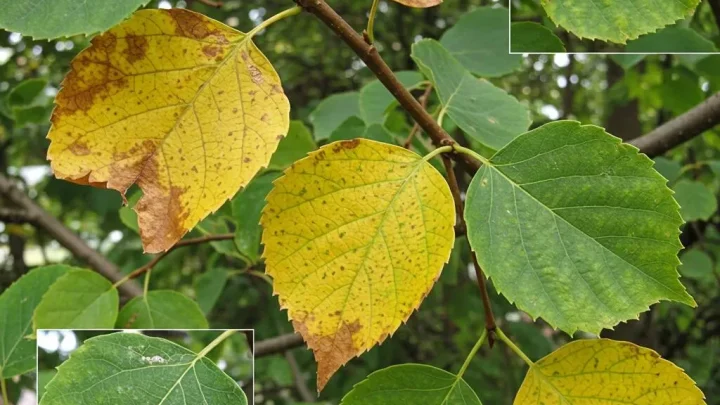
Potassium hunger shows up as marginal scorching first. The very edges of the leaf turn yellow, then brown, then crispy. It moves inward toward the central vein.
Bananas are incredibly heavy potassium feeders. If your soil pH drifts above 6.5, the roots can't absorb potassium even if it's present in the dirt.
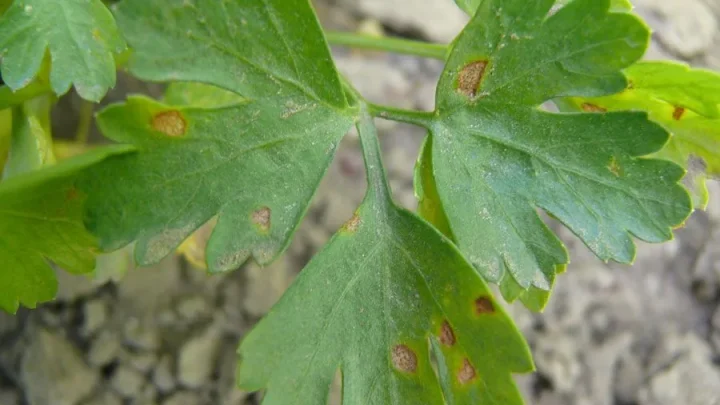
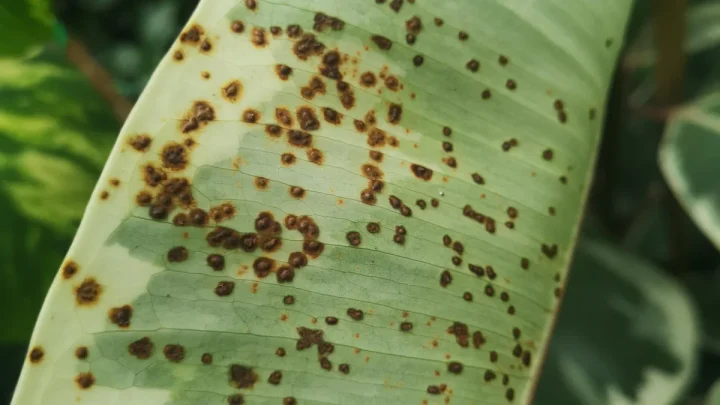
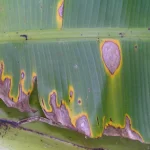
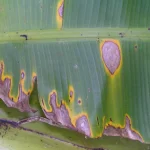
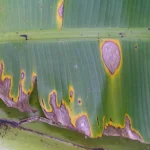
Fungal diseases behave differently. Sigatoka starts as tiny specks anywhere on the leaf surface, not just the edges. Those specks grow into elongated streaks.
They develop a distinct dark brown center surrounded by a bright yellow halo. That halo effect is your biggest clue.
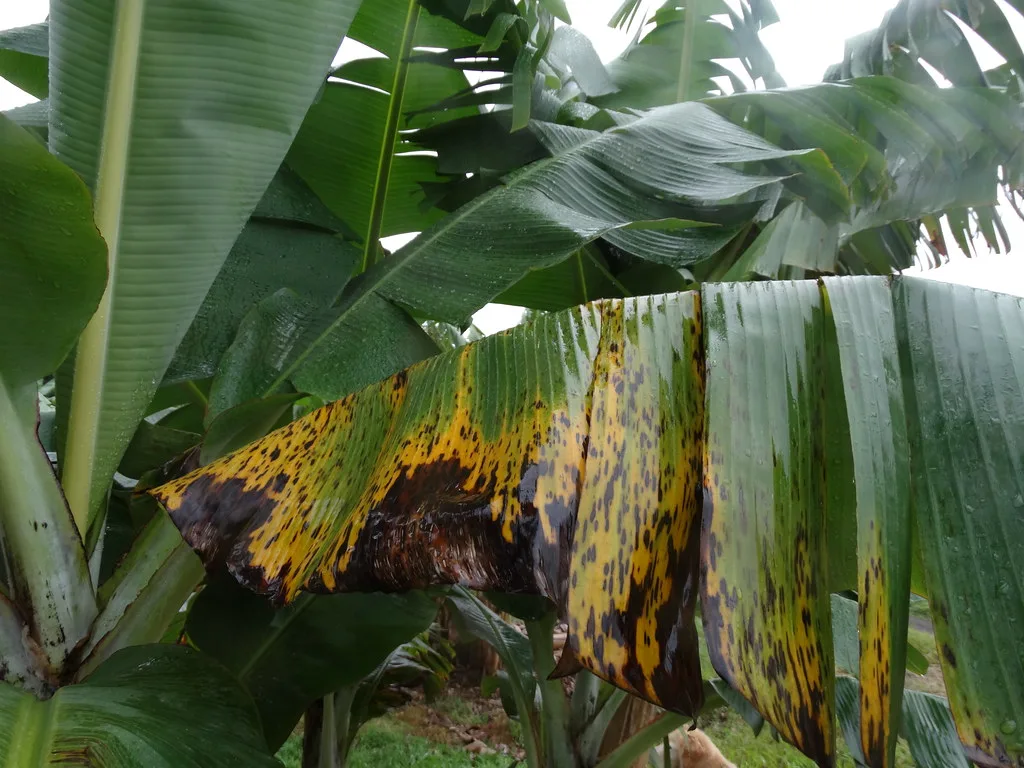
Image source: Bing (Web (fair-use with source credit))
Use this comparison table to make your call:
| Symptom | Potassium Deficiency | Sigatoka Disease |
|---|---|---|
| Starting location | Leaf margins and tips | Random spots across leaf blade |
| Spot shape | Broad, continuous browning | Elongated streaks parallel to veins |
| Halo presence | Faint yellow fading outward | Sharp, bright yellow ring around spot |
| Spread pattern | Moves inward from edges | Multiplies and merges across surface |
| Soil connection | Linked to high pH or poor feeding | Linked to high humidity and rain |
University extension programs consistently highlight this distinction. According to tropical fruit pathology guidelines from the University of Florida IFAS Extension, confirming soil nutrient levels via testing prevents unnecessary chemical applications. Get a basic soil test kit before assuming the worst.
As of 2026, affordable digital soil meters make checking pH and NPK levels incredibly easy for home growers.
Bacterial leaf spot adds another layer of confusion. It creates wet, oozing lesions rather than dry streaks. If your brown spots feel slimy and smell slightly foul, you're likely dealing with bacteria, not a fungus or a missing nutrient.
Bacterial issues require removing infected tissue immediately to save the rest of the stand.
Step-by-Step Fixes for Every Type of Brown Spot
Once you know what you're dealing with, the treatment follows a clear path. Don't mix these steps randomly. Target the specific cause we identified in the workflow above.
For Nutrient Deficiencies:
- Test your soil pH. Aim for 5.5 to 6.5.
- Apply a high-potassium fertilizer formulated for tropical fruit.
- Water deeply to push nutrients into the root zone.
- Wait two weeks to see if new growth emerges cleanly. Old damaged leaves won't heal, but new ones should stay green.
For Fungal Infections (Sigatoka, Cordana, Anthracnose):
- Prune away severely infected leaves using sterilized shears. Wipe blades with rubbing alcohol between every single cut.
- Improve airflow around the plant. Space potted bananas further apart. Thin out surrounding vegetation outdoors.
- Apply a copper-based fungicide or horticultural oil as a preventative measure on remaining healthy tissue. Follow label rates exactly.
- Avoid overhead watering. Wet leaves invite fungal spores to germinate overnight. Water the soil directly at the base.
For Environmental Damage (Sun, Cold, Edema):
- Move indoor plants away from drafty windows or heating vents immediately.
- Acclimate outdoor plants slowly. Give them dappled shade for a week before exposing them to full sun.
- Reduce watering frequency if edema blisters appear. Let the top two inches of soil dry out completely between waterings.
- Increase ambient humidity for indoor plants using a pebble tray or room humidifier. Keep it above 50%.
For Bacterial Issues:
- Stop watering from above. Bacteria spread rapidly through splashing water droplets.
- Remove all infected tissue. Do not compost diseased banana leaves. Bag them and throw them in the trash to prevent spreading pathogens to other plants.
- Quarantine potted plants away from your healthy collection.
- Monitor daily. Bacterial infections move fast. If the pseudostem starts turning mushy, the plant might not recover.
Timing matters here. Fungal treatments work best as preventatives or at the very first sign of spotting. Waiting until half the canopy is brown means you've lost the battle for those leaves.
Focus on protecting the new cigar leaf emerging from the center. That's your plant's future engine for photosynthesis.
Pruning, Prevention, and Long-Term Plant Care
Removing damaged leaves correctly stops pathogens from spreading to healthy tissue. Never just rip a spotted leaf off the pseudostem. That tears the outer layers and invites bacteria straight into the plant's core.
Use sharp bypass pruners and cut the petiole cleanly about an inch from the main stalk.
Sterilize your blades before every single cut. Wipe them down with 70% isopropyl alcohol or a diluted bleach solution. Skipping this step turns your pruning shears into a delivery system for fungal spores.
You'll accidentally spread Black Sigatoka across your entire stand while trying to fix it.
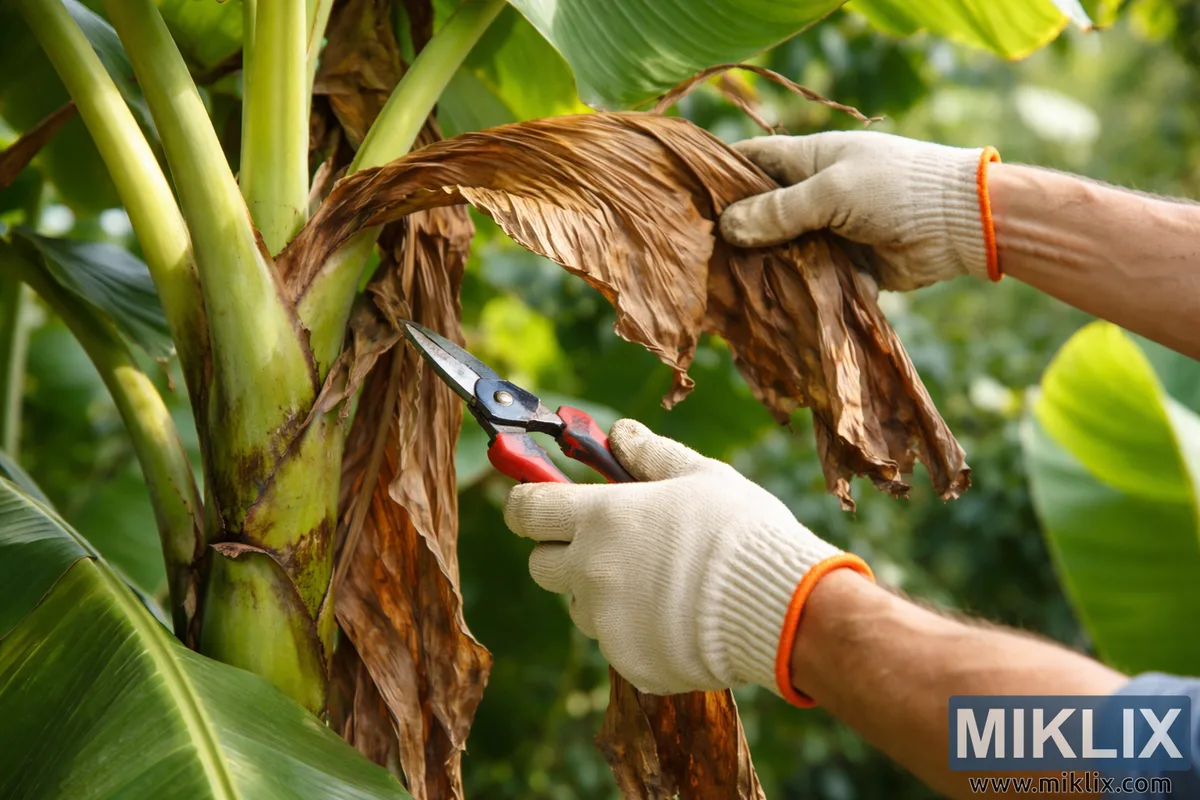
Image source: Bing (Web (fair-use with source credit))
Disposing of diseased material matters just as much as the cut itself. Never toss infected banana leaves into your backyard compost bin. Fungal spores survive standard composting temperatures easily.
Bag the debris tightly and send it to the municipal trash.
Prevention beats treatment every time. Space your plants far enough apart so air moves freely through the canopy. Stagnant, humid air trapped between crowded leaves creates the perfect incubator for Pseudocercospora fijiensis.
Commercial growers follow strict spacing metrics to keep foliage dry.
Feed your bananas consistently to build natural resistance. A steady supply of potassium strengthens cell walls against fungal penetration. Mulch heavily around the base to retain soil moisture without wetting the leaves above.
Keep water off the canopy whenever possible.
Monitor new growth weekly. Catching a few yellow specks on the cigar leaf early means you can prune one small section instead of losing the whole plant. Routine observation is your best tool.
Healthy roots and balanced nutrition do most of the heavy lifting.
Frequently Asked Questions
Should I cut off banana leaves with brown spots?
Remove leaves only if more than half the surface area is damaged or actively oozing. Completely dead lower leaves can stay until they dry out naturally. Always use sterilized pruners to prevent spreading potential infections to healthy upper foliage.
Can overwatering cause brown spots on banana plants?
Yes, overwatering suffocates roots and triggers rot that shows up as brown leaf margins. Soggy soil also encourages edema, which forms tiny brown blisters underneath the leaves. Let the top two inches of soil dry completely between watering sessions.
How do I treat Black Sigatoka on my banana plant?
Start by removing and trashing the most severely infected leaves. Improve airflow around the plant immediately. Apply a registered copper-based fungicide to protect remaining healthy tissue, following all label directions carefully.
Avoid overhead watering during treatment.
Why are my indoor banana leaves turning brown at the edges?
Indoor heating systems drop ambient humidity well below the 50% threshold bananas require. Crispy brown edges usually signal this moisture deficit rather than a disease. Move the pot away from vents and use a room humidifier to restore proper moisture levels.
Will brown spots spread to other banana plants?
Fungal and bacterial spots spread rapidly through wind, rain splash, or contaminated tools. Environmental damage like sun scorch or cold injury will not spread between plants. Identify the exact cause first to determine if you need to quarantine your affected plants.

Similar Posts