Will Roundup Kill Raspberry Plants? What You Need to Know
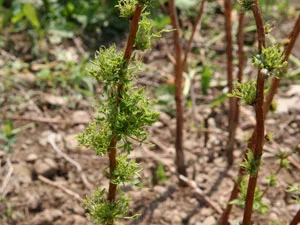
If you're wondering, "will roundup kill raspberry plants," the answer depends entirely on your goal. Yes, Roundup kills raspberries if it touches their green leaves or fresh cuts. It's a systemic herbicide, meaning it travels through the plant to destroy the roots.
But accidental drift and intentional removal require completely different approaches.
Manufacturer specifications confirm that glyphosate, the active ingredient in Roundup, becomes rainfast within 30 minutes to two hours. Once absorbed by green tissue, it moves down into the root crown. University extension research shows established brown canes resist light spray better than tender new growth.
Let's break down exactly how this works so you can make the right call.
Image source: Bing (Web (fair-use with source credit))
Quick Answer
Yes, Roundup will kill raspberry plants. Glyphosate is a nonselective systemic herbicide. It enters through green leaves and fresh cuts.
The chemical then destroys the entire root system. Avoid all spray drift near berries you want to keep.
Will Roundup Kill Raspberry Plants? The Short Answer
Roundup absolutely kills raspberry plants if applied directly to green foliage or fresh cuts. Because it's a nonselective herbicide, it doesn't care whether it's hitting a weed or your prized berry patch. If you want to wipe out an overgrown thicket, it gets the job done.
If you're trying to save your berries, even a little overspray causes real damage.
Here's the catch that trips people up. Raspberries spread aggressively through underground runners called suckers. Those roots connect everything together beneath the soil.
If you paint one volunteer cane with Roundup, the chemical travels backward through the shared root network. You might accidentally kill the mother plant sitting three feet away.
The outcome changes based on what part of the plant catches the spray. Mature second-year canes, known as floricanes, develop thick woody bark. That bark blocks foliar absorption fairly well against light drift.
First-year primocanes are bright green and tender. They soak up the herbicide almost immediately upon contact.
Your decision comes down to intent. Are you eradicating an invasive bramble patch along a fence line? Or did your neighbor's weed killer blow over onto your garden bed?
Both scenarios happen constantly. Each one requires a totally different response plan.
| Plant Part | Vulnerability to Roundup | Why It Matters |
|---|---|---|
| Green leaves (primocanes) | Extremely high | Foliar absorption happens in under two hours |
| Woody bark (floricanes) | Low | Bark blocks entry unless deeply wounded |
| Fresh pruning cuts | Very high | Exposed phloem acts like a straw for chemicals |
| Soil around roots | None | Glyphosate binds tightly to dirt and deactivates |
How Glyphosate Actually Moves Through a Raspberry Patch
Glyphosate works by hijacking the plant's own plumbing. When sprayed on green leaves, the surfactant helps the liquid stick and penetrate the waxy surface. From there, the chemical enters the phloem.
That's the vascular tissue responsible for moving sugars from leaves down to the roots.
Instead of transporting sugar, the phloem now carries the poison straight to the root crown. This process is called translocation. It's why glyphosate is classified as a systemic herbicide rather than just a topical leaf burner.
Topical burners only kill what they touch. Systemic killers destroy the whole organism from the inside out.
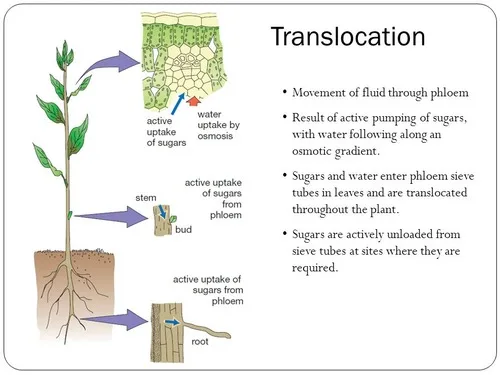
Image source: Web (Bing) / animalia-life.club (Web image (fair-use with source credit))
Timing matters more than most people realize. According to university cooperative extension programs, spraying in late summer or early fall delivers the hardest hit. During those months, perennial plants actively pull carbohydrates down into their roots for winter storage.
They drag the glyphosate right along with those nutrients.
Spring applications still work but move slower. The sap flow in spring pushes upward toward new buds. Fighting that natural current means the chemical takes longer to reach the deep roots.
You'll often see incomplete dieback if you spray too early in the growing season.
Temperature plays a role too. Translocation slows down significantly when daytime highs drop below 60 degrees Fahrenheit. The plant's metabolism basically idles.
Applying Roundup on a chilly morning wastes product because the chemical just sits on the leaf waiting for warmth.
Soil behavior is where folks get confused. People worry about residual poison lingering in the dirt. Glyphosate binds tightly to soil particles upon contact.
Microbes break it down relatively quickly, usually within days or weeks depending on soil biology. You aren't poisoning the ground long term. You're only killing what has green tissue above the dirt.
Decision Tree: Are You Trying to Save Your Raspberries or Wipe Them Out?
Figuring out your next step requires answering a few quick questions. The wrong move either kills your crop or leaves you fighting volunteers all summer. Follow this logic to pick the right path.
Question 1: Did Roundup accidentally drift onto your raspberry patch?
If yes, check the clock immediately. You have roughly 30 to 60 minutes before the chemical becomes rainfast and fully absorbed. Grab a hose and wash the foliage thoroughly.
Dilution is your best friend here. Rinsing stops foliar absorption before it locks in.
If more than two hours have passed, the damage is likely done on those specific leaves. Don't panic yet. Prune off the visibly wet or damaged primocanes back to healthy wood.
Bag them up and throw them away. Monitor the remaining floricanes over the next 7 to 14 days for delayed yellowing.
Question 2: Are you trying to kill a single volunteer cane growing where you don't want it?
If yes, do not spray it. Remember the connected root system we talked about earlier. Spraying one sucker poisons the whole network.
Instead, use mechanical excavation. Dig down and sever the runner connecting it to the main patch. Pull the volunteer out by the root crown.
Question 3: Is your goal total eradication of an abandoned or invasive bramble patch?
If yes, Roundup is highly effective. Wait until late summer when the plants are pulling energy downward. Use a concentrated formula rather than the weak ready-to-use pump sprayers.
Apply it directly to the foliage on a warm, windless day.
For massive thickets, combine methods. Mow or cut the canes down first. Let them regrow about six inches of fresh green leaves.
Then spray that new growth. This forces the plant to use up stored root energy twice, making the final chemical hit devastating.
| Your Situation | Immediate Action | Expected Outcome |
|---|---|---|
| Accidental drift under 1 hour | Rinse heavily with water | High chance of saving the cane |
| Accidental drift over 2 hours | Prune damaged green tissue | Stops further translocation |
| Removing one volunteer sucker | Dig and sever the root runner | Protects the mother plant |
| Killing an entire patch | Spray green foliage in late summer | Complete root death in 14 days |
Step-by-Step Workflows for Accidental Drift and Intentional Removal
Having the right gear ready prevents mistakes. Herbicide management requires specific tools whether you're rescuing berries or destroying them. Here's what our research indicates you need on hand.
| Tool or Material | Purpose |
|---|---|
| Chemical-resistant gloves | Prevents skin exposure during handling |
| Cardboard shield or plastic barrier | Blocks wind drift during nearby spraying |
| Garden hose with spray nozzle | Washes off accidental overspray immediately |
| Bypass pruners | Cuts damaged canes cleanly without crushing |
| Sponge applicator or paintbrush | Applies concentrate directly without atomizing |
| Concentrated glyphosate | Provides higher strength for stubborn brush |
Workflow A: Rescuing Berries After Accidental Overspray
Act fast. Speed determines whether your patch survives.
- Turn on the hose and flood the affected leaves. Wash both the tops and undersides of the foliage. Keep rinsing for several minutes to dilute the surfactant.
- Put on your chemical-resistant gloves. Inspect the canes closely. Look for any areas where the liquid pooled heavily.
- Take your bypass pruners and cut off severely soaked primocanes. Make your cuts at least two inches below the lowest point of contact.
- Throw the pruned pieces in the trash. Do not compost chemically treated plant material.
- Set up a cardboard shield around the remaining healthy canes. This protects them while you finish whatever yard work caused the drift in the first place.
Workflow B: Intentional Eradication Using the Cut-Stump Method
Spraying tall brambles creates massive drift risk. The cut-stump method solves this. It targets the root system directly without atomizing chemicals into the air.
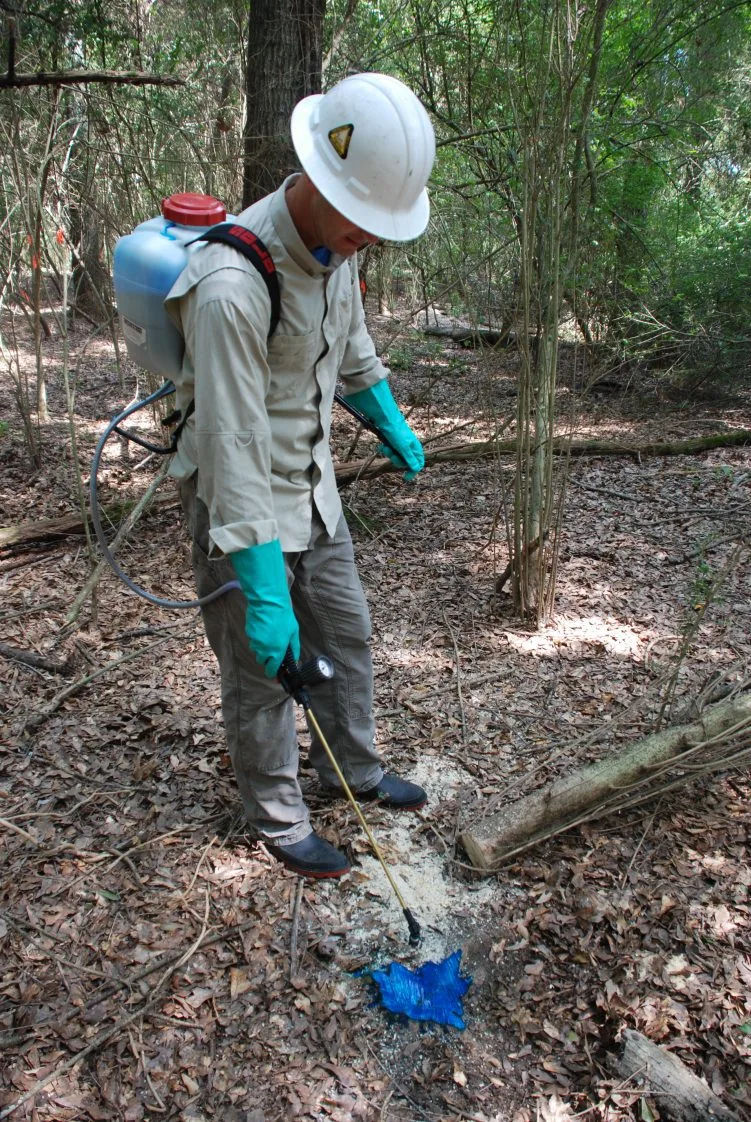
Image source: Web (Bing) / storage.googleapis.com (Web image (fair-use with source credit))
- Wear long sleeves, pants, eye protection, and gloves. Brambles tear up bare skin quickly.
- Cut the raspberry canes down to about two inches above the soil line. Use loppers for thick floricanes.
- Mix your concentrated glyphosate according to the label instructions for brush control. Do not dilute it beyond the recommended ratio.
- Dip a sponge applicator or paintbrush into the mixture. Paint the liquid directly onto the freshly cut surface of the stump.
- Work quickly. The plant seals its vascular tissue within minutes of being cut. You need the chemical inside before that happens.
- Leave the treated stumps alone. Over the next 7 to 14 days, the herbicide translocates down into the root crown. The entire underground network will collapse.
This technique is especially useful near desirable plants. Since you aren't spraying, there's no wind drift to worry about. Just be careful not to drip the concentrate onto the soil near other root zones.
While glyphosate binds to dirt quickly, heavy pooling can still cause localized issues before it deactivates.
Common Mistakes That Kill the Whole Bramble (Or Leave It Half Alive)
Applying herbicide on a windy day is the fastest way to ruin your garden. Spray drift carries microscopic droplets far beyond your target zone. If you're trying to clear weeds near your raspberry patch, wind pushes that mist directly onto tender primocanes.
Always wait for completely still air before spraying anything near edibles.
Ignoring the root network is another massive error. People see a rogue sucker growing in the lawn and spray it without thinking. That sucker shares a vascular system with your main crop.
The glyphosate travels backward through the runner and poisons the entire mother plant. You have to sever the physical root connection before treating any volunteer cane.
Spraying during winter dormancy wastes your time and product. Raspberries drop their leaves in cold weather. Without green foliage, there's no entry point for foliar absorption.
The chemical just drips off bare woody bark and hits the soil, where it binds to dirt particles and deactivates. Wait until spring when fresh leaves emerge.
Using weak ready-to-use pump sprayers on established thickets rarely works. Those pre-mixed bottles contain very low concentrations of active ingredient. They might burn the top leaves but fail to deliver a lethal dose down to the root crown.
For mature brambles, manufacturer specs confirm you need a higher concentrate mixed specifically for brush control.
Failing to follow up after the first application leaves you fighting regrowth. A single spray often stunts the patch rather than killing it outright. Surviving root fragments push up new shoots within weeks.
Monitor the area closely and retreat any fresh green growth immediately before it rebuilds energy reserves.
| Common Error | What Actually Happens | How to Fix It |
|---|---|---|
| Spraying on windy days | Drift damages nearby desirable canes | Only spray when air is completely still |
| Treating connected suckers | Poison translocates back to the main patch | Dig and cut the runner first |
| Winter applications | No green leaves means zero absorption | Wait for spring foliage emergence |
| Using weak formulas | Burns tops but roots survive | Mix proper concentrate for brush |
| Skipping follow-up checks | Roots push up aggressive new shoots | Retreat fresh growth within two weeks |
Safer Alternatives When Roundup Is the Wrong Call
Sometimes glyphosate is simply too risky for the job. If your raspberry bed sits inches away from prized ornamentals, chemical drift is a constant threat. Smothering is the safest non-chemical option we've found in our research.
Lay down thick, uncoated cardboard over the unwanted brambles. Cover that cardboard with six inches of wood chips or compost.
This method blocks sunlight and physically prevents new canes from pushing through. It takes several months to fully starve the roots. But it introduces zero chemical risk to your surrounding soil or adjacent plants.
Sheet mulching works best for clearing wide areas where you plan to replant later.
Mechanical excavation gives you instant results if you have the stamina. Use a sharp spade to dig around the root crown. Pry the entire mass out of the ground, making sure to extract the lateral runners.
Leaving even small root fragments behind guarantees aggressive regrowth next season.
Repeated mowing offers a less labor-intensive physical approach. Set your mower deck low and run over the volunteer patch every few weeks. This forces the plant to constantly expend stored root carbohydrates to produce new leaves.
Eventually, the root system exhausts its energy reserves and dies.
Triclopyr is a different systemic herbicide formulated specifically for woody brush. It often outperforms glyphosate on stubborn, thick-caned brambles. However, it persists in the soil much longer.
University extension guidelines warn against using triclopyr near shallow-rooted edibles because residual soil activity can cause collateral damage months later.
Horticultural vinegar burns foliage on contact. It acts as a topical desiccant rather than a systemic killer. It won't reach the roots, so the plant will try to grow back.
It's useful for quickly knocking down tender green tips without risking long-term soil contamination.
| Alternative Method | Best Used For | Drawback |
|---|---|---|
| Cardboard smothering | Wide beds near sensitive plants | Takes months to kill deep roots |
| Mechanical digging | Immediate removal of single clumps | Extremely labor intensive |
| Repeated mowing | Large open areas away from gardens | Requires strict ongoing schedule |
| Triclopyr brush killer | Thick woody invasive thickets | Long soil persistence risks edibles |
| Horticultural vinegar | Quick topical burn of new sprouts | Does not kill the root system |
Frequently Asked Questions
Will Roundup kill raspberry roots?
Yes, it kills the roots if absorbed properly. Glyphosate enters through green leaves and moves down into the root crown via translocation. Once the chemical reaches the underground tissue, it disrupts essential amino acid production.
The entire root system collapses within 7 to 14 days.
How long does Roundup stay active in garden soil?
Glyphosate binds tightly to soil particles almost immediately upon contact. Microbes break it down relatively fast, usually within a few days to several weeks. It does not remain biologically active in the dirt once bound.
You can safely replant the treated area shortly after application.
Can I spray grass killer around my raspberries?
You can use specific selective herbicides designed for this exact purpose. Products containing sethoxydim kill grassy weeds without harming broadleaf plants like raspberries. Never use a nonselective herbicide like glyphosate near your berry canes.
Even minor overspray will severely damage or kill your fruiting plants.
What happens if Roundup gets on woody raspberry canes?
Mature brown floricanes resist light spray drift fairly well. Their thick outer bark prevents the chemical from reaching the inner vascular tissue. However, heavy soaking or application to fresh pruning cuts allows rapid absorption.
Tender green primocanes offer zero protection and absorb the herbicide immediately.
How do I remove volunteer raspberry suckers safely?
Do not spray them with systemic herbicides. Suckers share a root network with the main plant, so poison travels backward. Instead, take a sharp spade and sever the connecting underground runner.
Pull the isolated sucker out by its root crown to prevent regrowth.

Similar Posts