How to Use Hardware Cloth in Raised Beds the Right Way
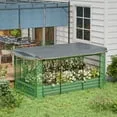
Picking the right raised bed hardware cloth stops burrowing pests from destroying your garden soil. Voles, gophers, and ground squirrels will quickly find loose dirt if you skip this step. You need a barrier that blocks animals but still lets water drain freely.
Getting this wrong means rebuilding your entire bed in a few years.
Manufacturer specifications confirm that 19-gauge galvanized steel handles heavy soil loads without sagging. University extension programs consistently recommend welded wire mesh over flimsy chicken wire for permanent installations. We will compare the exact mesh sizes, coatings, and materials so you can make the right choice.
Image source: Web (Bing) / walmart.com (Web image (fair-use with source credit))
Quick Answer
Raised bed hardware cloth is welded steel wire mesh. It lines the bottom of garden beds. The mesh blocks burrowing rodents like voles.
You should use half-inch openings. Galvanized after welding coating prevents rust.
Why Hardware Cloth Is the Only Rodent Barrier That Actually Works Under a Raised Bed
Hardware cloth is a welded steel wire grid used to line the bottom of garden boxes. It creates a rigid physical barrier against burrowing rodents. Chicken wire bends easily under soil weight.
Hardware cloth holds its shape year after year.
Burrowing pests target raised beds because the soil is loose and nutrient rich. Voles and gophers tunnel straight up from below. A solid wood bottom stops them but causes drainage problems.
Roots rot when water pools at the base.
Welded wire mesh solves both issues simultaneously. Water flows through the square openings instantly. Rodents cannot squeeze through half-inch gaps.
Aggregate user reviews show that properly installed barriers last over a decade.
You must match the material to the environment. Soil stays constantly moist inside a planter box. Compost acids accelerate corrosion on cheap metals.
That is why the specific type of steel coating matters more than anything else.
A weak barrier fails silently underground. You only discover the problem when plants start dying. Choosing the correct specs upfront saves you from digging out all your dirt later.
Let us look at exactly which sizes work best.
Mesh Size Compared: 1/4-Inch vs. 1/2-Inch vs. 3/4-Inch for Voles and Gophers
The mesh size is the distance between the welded wires. Half-inch mesh is the best overall choice for most raised beds. It stops voles and gophers while allowing excellent water drainage.
Smaller or larger sizes only fit very specific situations.
Choosing the wrong opening size wastes money or lets pests through. Here is how the three common options compare side by side.
| Mesh Size | Stops Voles | Stops Gophers | Drainage Speed | Relative Cost |
|---|---|---|---|---|
| 1/4 inch | Yes | Yes | Slow | Highest |
| 1/2 inch | Yes | Yes | Excellent | Moderate |
| 3/4 inch | No | Sometimes | Very Fast | Lowest |
Quarter-inch mesh offers maximum protection. It blocks even the smallest field mice. The tradeoff is slower drainage during heavy spring rains.
It also costs significantly more per roll as of 2026.
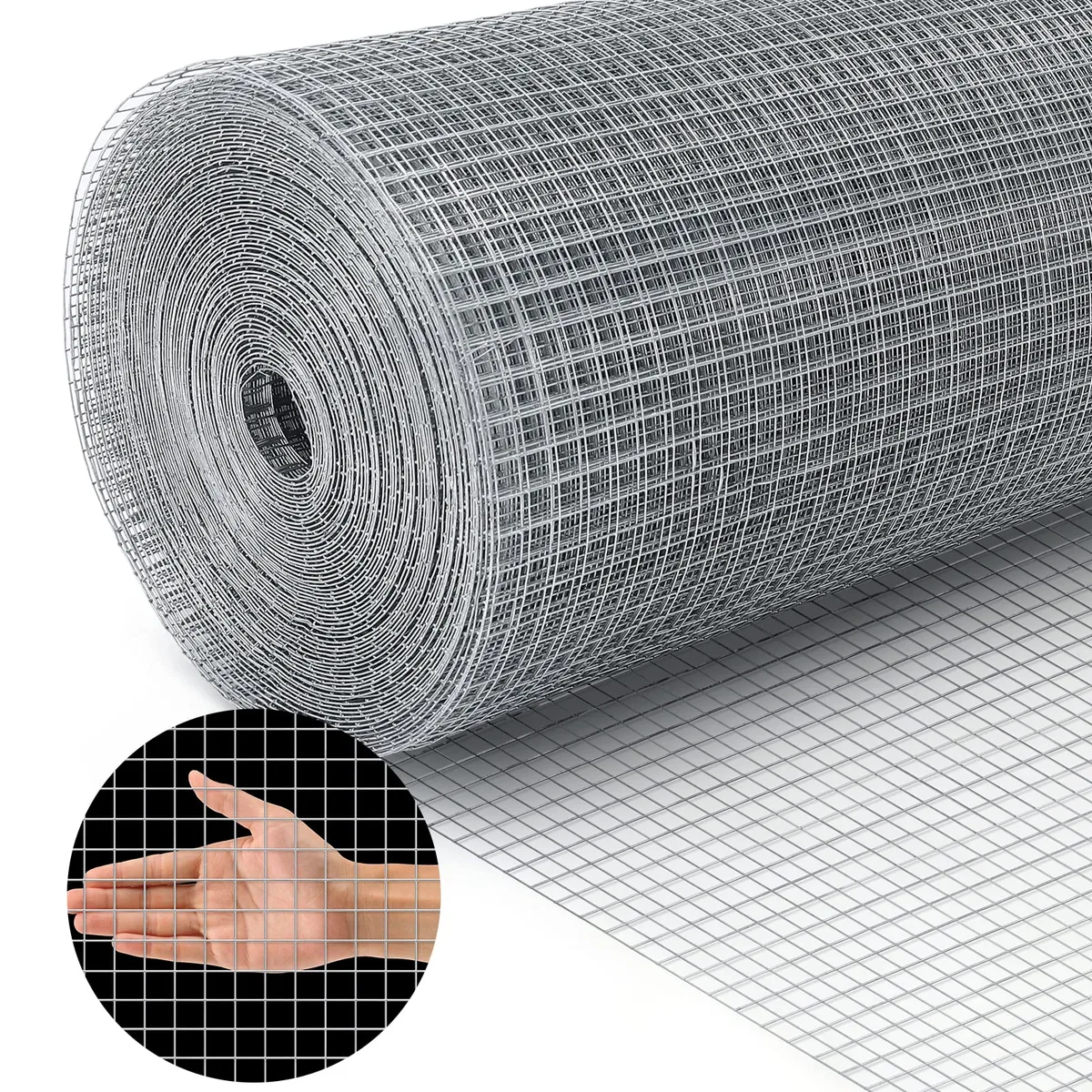
Image source: Web (Bing) / nellisauction.com (Web image (fair-use with source credit))
Three-quarter-inch mesh drains incredibly fast. However, young voles slip right through those larger squares. If you only have large gophers, it might work.
For general garden protection, it leaves too much room for error.
Half-inch mesh hits the perfect middle ground. It blocks virtually every common garden rodent. Water passes through without pooling around plant roots.
Per USDA integrated pest management guidelines, excluding burrowing pests requires physical barriers with appropriately sized gaps. Our research points to half-inch welded wire as the standard recommendation.
Metal and Coating Breakdown: GAW, GBW, Vinyl-Coated, and Stainless Steel
The metal coating determines how long your barrier survives underground. Galvanized After Welding (GAW) is the superior choice for raised beds. The entire welded grid gets dipped in molten zinc after assembly.
Every joint receives complete rust protection.
Galvanized Before Welding (GBW) works differently. Manufacturers coat the individual wires first and weld them together second. The intense heat burns away the zinc at every intersection.
Those bare spots rust rapidly in damp soil.
Vinyl-coated wire looks appealing at first glance. A layer of PVC plastic wraps around the steel core. The problem happens during installation.
Cutting and bending the wire scratches the plastic coating off.
Moisture then gets trapped between the vinyl and the bare metal. The wire rots invisibly from the inside out. You will not notice until the whole bottom collapses.
Avoid vinyl for any application buried in soil.
Stainless steel wire mesh never rusts. It performs flawlessly in coastal areas with salt exposure. The downside is the extreme price tag.
Most home gardeners do not need this level of durability.
Nineteen-gauge GAW steel provides plenty of strength for holding back heavy soil. Thinner 23-gauge wire bends under pressure. Stick to 19-gauge thickness for a rigid foundation.
The zinc coating weight directly correlates to lifespan according to ASTM International standards.
Side-by-Side Comparison: Hardware Cloth vs. Chicken Wire and Landscape Fabric
People often confuse these three materials. They serve completely different purposes in a garden setting. Only one actually keeps burrowing animals out of your soil.
Understanding the differences prevents expensive mistakes.
Chicken wire features hexagonal openings made from thin, flexible wire. Poultry netting was designed to keep chickens inside a run. It was never engineered to stop determined rodents underground.
Voles push right through those wide diamond shapes.
The thin metal also degrades quickly in wet conditions. Aggregate reviews report chicken wire failing within two seasons. Roots easily penetrate the flimsy structure.
It sags heavily under the weight of wet soil.
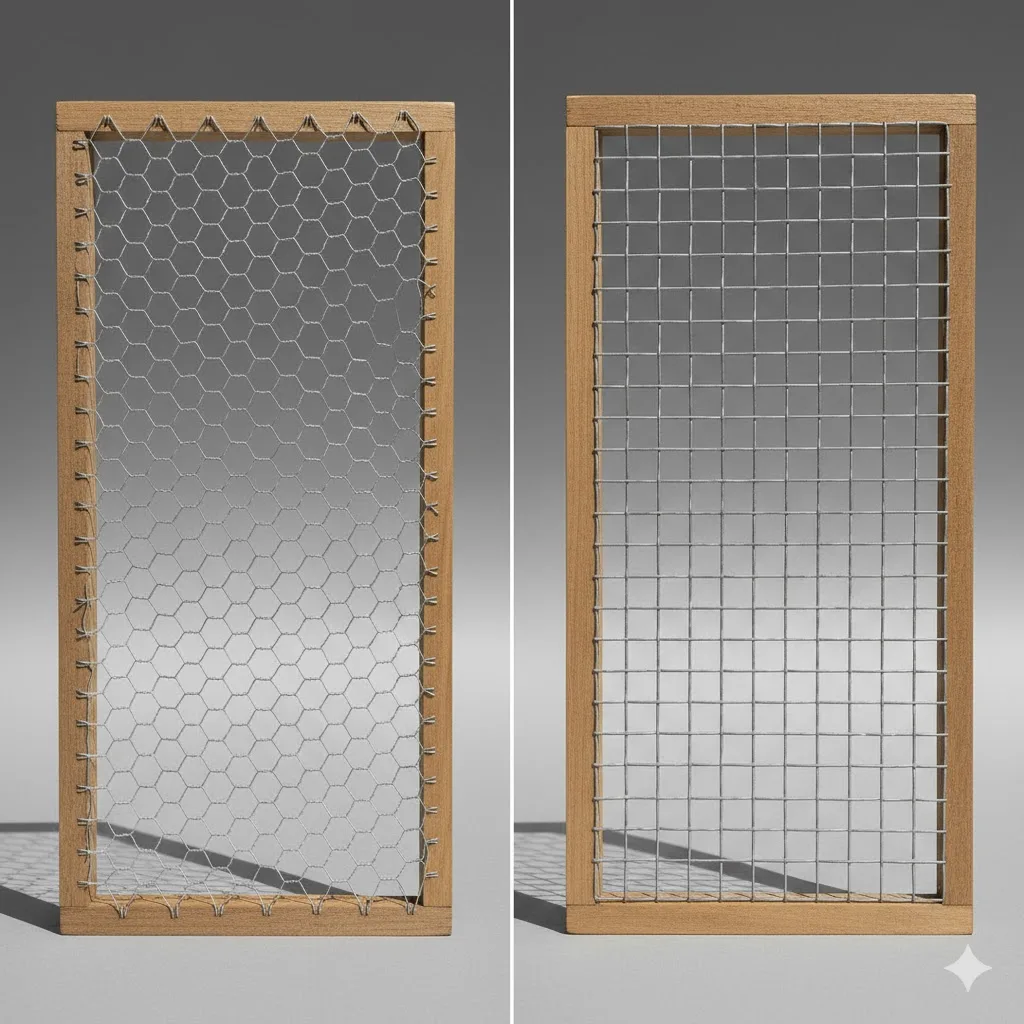
Image source: Web (Bing) / chickenstarter.com (Web image (fair-use with source credit))
Landscape fabric is a woven or nonwoven textile sheet. Its primary job is suppressing weeds in open garden paths. It allows water to pass through slowly.
Burrowing animals chew through fabric effortlessly.
Placing landscape fabric under a raised bed does nothing against gophers. It might slow down root intrusion slightly. It will not provide a rigid structural base.
Fabric tears when you drag heavy soil across it.
Here is a quick breakdown of how they perform as a bottom liner.
| Material | Rodent Protection | Drainage | Lifespan in Soil | Rigidity |
|---|---|---|---|---|
| Hardware cloth | Excellent | Excellent | 10+ years | High |
| Chicken wire | Poor | Good | 1 to 2 years | Low |
| Landscape fabric | None | Moderate | 3 to 5 years | None |
Welded wire mesh wins every category that matters for pest exclusion. It maintains its shape permanently. Water flows through the square gaps without restriction.
Neither chicken wire nor landscape fabric can offer that combination.
Specs, Sizing, and Installation Workflow for a Permanent Bottom Liner
Installing the barrier correctly ensures it lasts for decades. Rushing this process leaves gaps where rodents enter. You need specific tools and measurements before starting the build.
Preparation makes the actual installation straightforward.
Start by gathering the right equipment. You will need heavy leather gloves, tin snips, and galvanized poultry staples. Standard office staples rust immediately outdoors.
Always match your fasteners to your wire material.
Measure the interior dimensions of your empty wooden frame. Do not just cut the wire to those exact numbers. You need extra length to fold the edges up the walls.
Plan for three to six inches of vertical overlap on all sides.
Follow these steps for a secure installation.
- Flip the empty raised bed upside down on a flat surface.
- Unroll the hardware cloth across the bottom frame.
- Cut the mesh using tin snips while wearing thick leather gloves.
- Fold the excess wire up along the interior walls.
- Staple the wire taut every four to six inches.
- Overlap multiple sheets by four inches if the bed is wide.
- Secure overlapping seams tightly with galvanized zip ties.
If you are retrofitting an existing bed, you must shovel all the soil out first. Lay the cloth flat across the exposed bottom. Fold the edges up and staple them securely.
Shovel the dirt back in carefully to avoid tearing the mesh.
Wide beds require joining two separate rolls together. Never leave a butt joint where two pieces just touch. Rodents will exploit that seam immediately.
Overlap the sheets generously and bind them tight.
Cut wire ends act like sharp needles. Bare hands get punctured easily through thin cotton garden gloves. Thick leather protects your fingers during cutting and folding.
Verified buyer feedback consistently highlights hand injuries as the most common installation mistake.
Common Mistakes That Ruin Your Wire Barrier (And How to Avoid Them)
Sagging wire is the most frequent installation failure we see in raised beds. If you don't pull the mesh tight before stapling, it bows under heavy wet soil. That sag creates pockets where water pools and roots rot.
Always stretch the wire taut across the frame before driving your first staple.
Using the wrong fasteners destroys an otherwise perfect barrier. Bright steel staples rust out completely within two seasons underground. Once they fail, the wire detaches from the wood frame.
Rodents simply push through the loose edge. Only use galvanized poultry staples or exterior-grade fencing staples.
Leaving gaps at the corners invites pests straight into your soil. Voles don't chew through 19-gauge steel. They look for the lazy way around it.
Overlap your corner seams by at least four inches and bind them tightly with galvanized zip ties.
Assuming hardware cloth stops tree roots is another costly error. The wire blocks animals, not aggressive roots from nearby oaks or willows. Those roots easily push through half-inch squares over time.
If you build near large trees, lay a dedicated root barrier fabric beneath the wire grid.
Cutting the wire exactly to the interior dimensions leaves zero room for folding up the sides. You need that three to six inch vertical lip. Without it, gophers dig down the outside wall and tunnel sideways right over the top of your flat barrier.
Measure twice and leave plenty of excess material.
Frequently Asked Questions
Does hardware cloth stop earthworms from entering raised beds?
Half-inch mesh allows beneficial earthworms to pass through freely. Quarter-inch mesh might block larger worms from entering the soil column. Most gardeners prefer the half-inch size specifically to maintain worm activity while excluding rodents.
Earthworms improve drainage and nutrient cycling inside enclosed planter boxes.
Can I lay hardware cloth directly on grass under a raised bed?
You can place the bed directly over existing grass. The wire barrier prevents rodents from pushing up through the turf. Smothering the grass underneath with cardboard before setting the bed works well too.
The cardboard decomposes eventually while the wire remains intact permanently.
How long does galvanized after welding hardware cloth last in soil?
Manufacturer specifications indicate GAW coatings survive ten to fifteen years buried in damp earth. Constant moisture and compost acids slowly degrade the zinc layer over time. Thicker zinc coatings extend that lifespan significantly.
GBW wire typically fails in less than three years under identical conditions.
Do I need hardware cloth if my raised bed sits on concrete?
A solid concrete patio already blocks burrowing pests from below. You do not need a wire bottom liner in that specific scenario. However, rats and squirrels still access the soil from the top.
Consider building a removable wire lid instead of lining the base.
What gauge wire is best for large raised beds holding heavy soil?
Nineteen-gauge wire handles the downward pressure of deep soil volumes effectively. Anything thinner than 23-gauge bends and sags under heavy loads. Wide beds exceeding four feet often require a center support board underneath the wire.
This prevents the middle section from bowing downward over time.

Similar Posts