Why Are My Pilea Leaves Curling? 6 Common Causes & Fixes
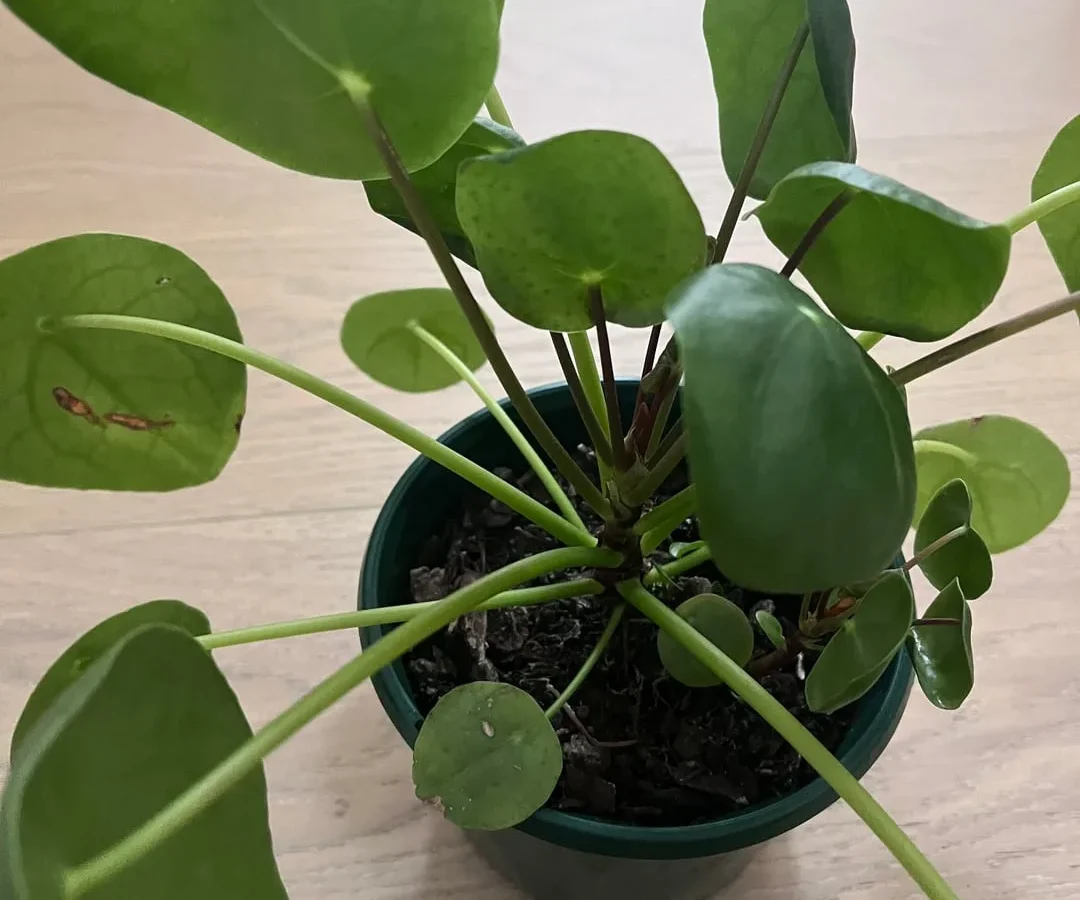
If you are wondering why are my pilea leaves curling, the answer usually lies in water management or light exposure. This physiological response signals that your Chinese Money Plant is trying to conserve moisture or protect itself from environmental stress.
Turgor pressure loss causes cells to collapse when soil moisture drops below optimal levels or roots suffocate in dense media. Per University of Florida IFAS guidelines, Pilea peperomioides requires consistent moisture without saturation to maintain flat foliage. Let’s break down exactly what your plant is telling you.
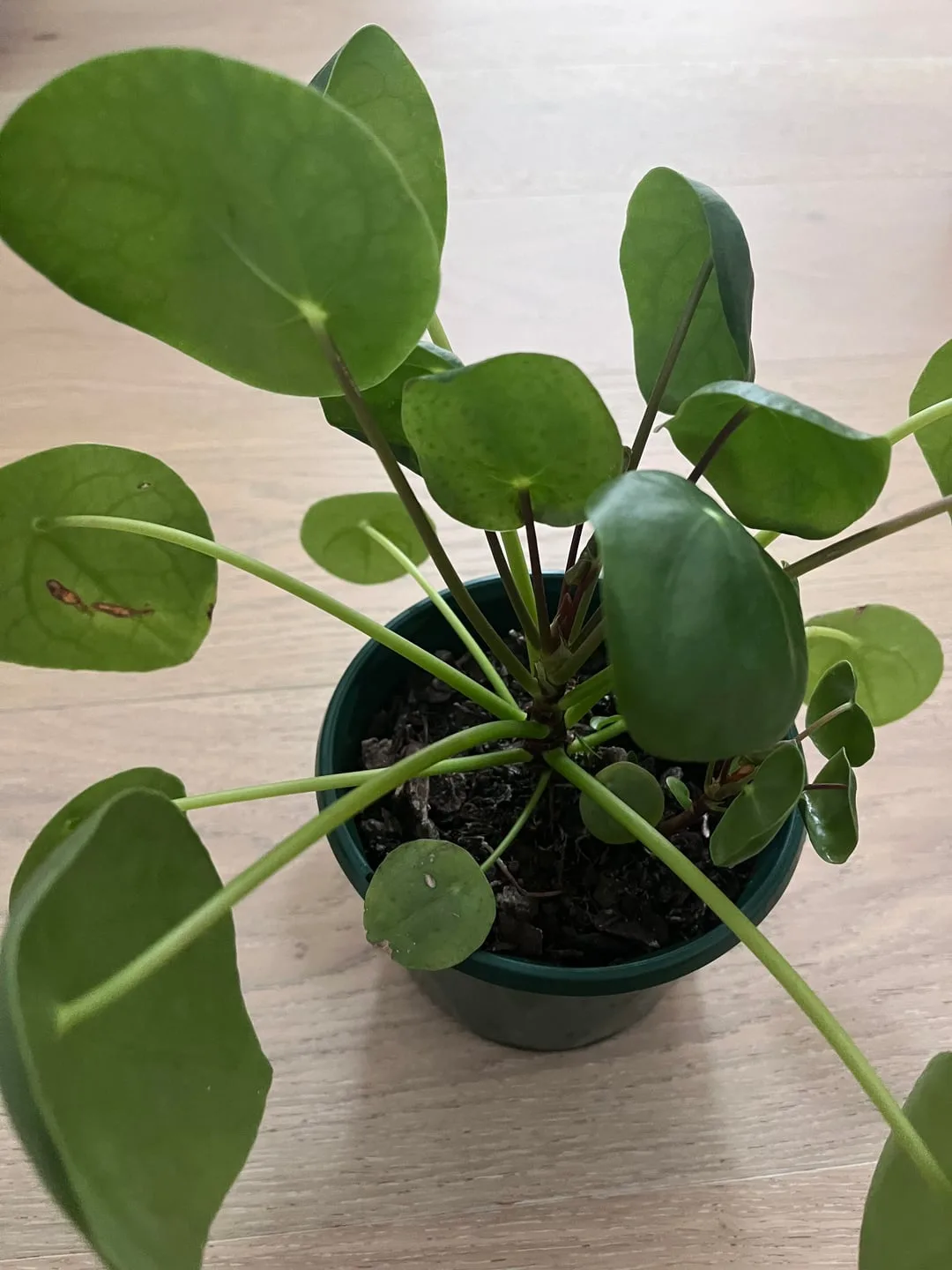
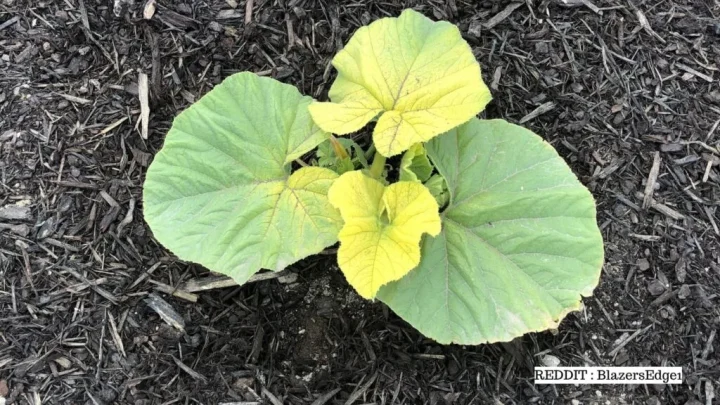
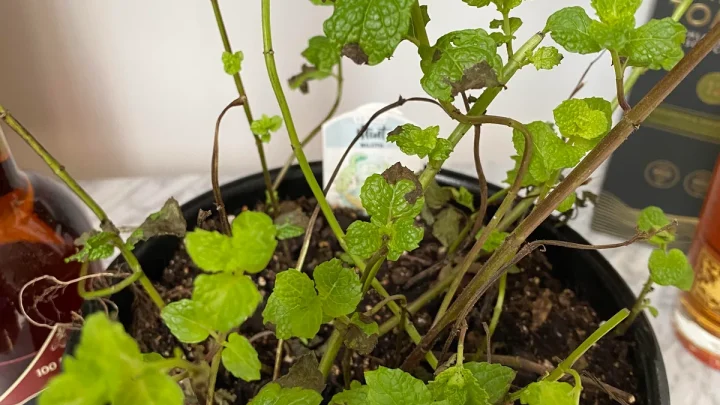
Image source: Web (Bing) / reddit.com (Web image (fair-use with source credit))
Quick Diagnosis: What Your Pilea’s Curl Direction Actually Means
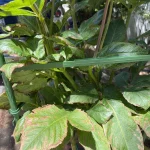
Leaf curl direction reveals the specific stressor affecting your Pilea peperomioides. Upward curling typically indicates underwatering or low humidity issues. Downward curling often points to overwatering or root hypoxia problems.
Check soil moisture and light levels immediately to confirm the cause.
The 4-Step Decision Workflow to Identify the True Cause
How do I start the diagnostic process?
Start by observing the curl direction and leaf texture before touching the soil. Upward cupping with crispy edges suggests moisture deficit or dry air. Downward clawing with soft or mushy tissue indicates excess water or poor drainage.
This visual assessment prevents you from watering a plant that is already drowning.
What does the soil moisture test reveal?
Insert your finger two inches into the soil to check subsurface conditions. Dry soil confirms thirst if leaves are cupping upward. Damp or soggy soil with downward curling means root hypoxia is likely occurring.
Moisture meters provide objective data when finger tests feel ambiguous or unreliable.

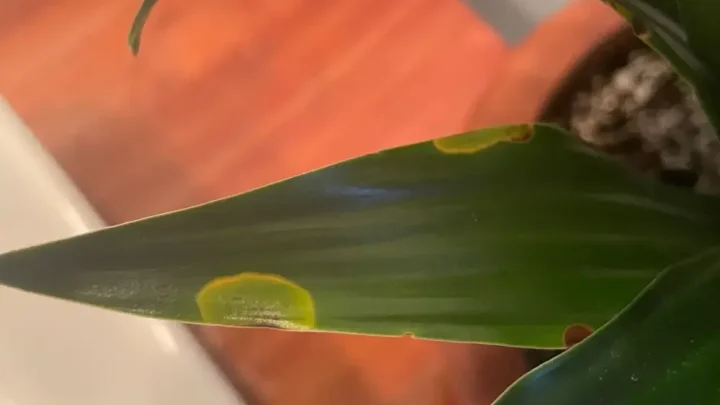
Image source: Web (Bing) / leafrootfruit.com.au (Web image (fair-use with source credit))
How does light intensity affect leaf shape?
Evaluate your plant’s light exposure after checking soil moisture levels. Low light causes elongated petioles and subtle upward curling as leaves seek photons. Intense direct sun triggers protective downward curling to reduce surface area and transpiration.
Aggregate reviews report that 200 to 600 foot-candles produces the flattest foliage as of 2026.
When should I inspect the roots?
Inspect roots only if soil and light adjustments fail to resolve curling within two weeks. Gently remove the plant to check for brown slimy roots indicating rot. White firm roots confirm the issue remains environmental rather than pathological.
Root inspection is a last resort because unnecessary repotting can compound stress.
| Symptom | Likely Cause | First Action |
|---|---|---|
| Upward curl + dry soil | Underwatering | Water thoroughly until drainage |
| Upward curl + moist soil | Low humidity | Increase ambient moisture |
| Downward curl + wet soil | Overwatering | Stop watering and improve airflow |
| Downward curl + dry soil | Light burn | Move away from direct sun |
Fixing Water and Soil Issues Without Killing Your Plant
How do I correct underwatering safely?
Water deeply until liquid flows freely from drainage holes to rehydrate all root zones. Shallow watering only wets topsoil while lower roots remain desiccated and stressed. Allow excess water to drain completely before returning the pot to its saucer.
Recovery typically appears in new growth within three to four weeks.
What soil mix prevents future moisture problems?
Use a well-aerated mix containing perlite or pumice at 30 to 40 percent volume. Dense peat-based soils retain too much water and restrict oxygen flow to roots. Manufacturer specifications for Pilea mixes consistently emphasize drainage over moisture retention.
Repotting into proper media resolves chronic curling that watering adjustments alone cannot fix.

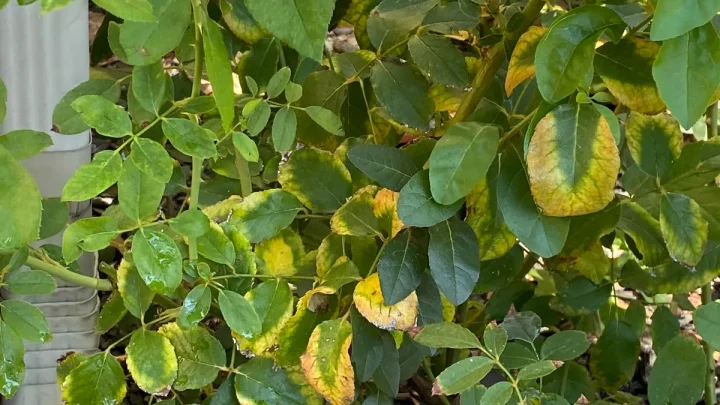
Image source: Web (Bing) / pilea.com (Web image (fair-use with source credit))
How do I address overwatering damage?
Stop watering immediately and increase air circulation around the pot to accelerate drying. Remove standing water from cache pots or saucers to prevent continued saturation. Severely waterlogged plants may need gentle root pruning and fresh soil to recover.
University of Minnesota Extension notes that root recovery takes longer than correcting drought stress.
When is bottom watering beneficial?
Bottom watering encourages even moisture distribution without compacting surface soil. Place the pot in a tray of water for twenty to thirty minutes then drain thoroughly. This method works best for hydrophobic soil that repels top-applied water.
Avoid leaving pots submerged overnight as this recreates the original overwatering problem.
Adjusting Light, Humidity, and Temperature for Flat Leaves
What light level produces flat Pilea leaves?
Provide bright indirect light between 200 and 600 foot-candles for optimal leaf development. East-facing windows typically deliver ideal intensity without harsh afternoon heat. South or west exposures require sheer curtains to filter intense rays that trigger protective curling.
Rotate the plant weekly to ensure symmetrical growth and even light distribution.
How does low humidity cause curling?
Dry air accelerates transpiration faster than roots can replace lost moisture. Indoor humidity below 30 percent commonly triggers upward leaf curling as a conservation response. Grouping plants together creates a microclimate with slightly higher ambient moisture.
Humidifiers provide reliable control during winter heating seasons when air becomes excessively dry.
What temperature range prevents stress curling?
Maintain daytime temperatures between 65 and 75 degrees Fahrenheit for steady growth. Cold drafts from windows or HVAC vents cause temporary cellular damage and leaf distortion. Sustained exposure below 55 degrees Fahrenheit risks permanent tissue injury beyond simple curling.
Keep plants away from exterior doors and poorly insulated walls during winter months.
How do I acclimate a plant to new light?
Increase light exposure gradually over two to three weeks to avoid shock. Move the plant one to two feet closer to the window every five days. Sudden jumps from low to high light trigger defensive curling even if the final position is appropriate.
Patience during acclimation prevents setbacks that take months to reverse.
When It’s Not Environmental: Pests, Nutrients, and Transplant Shock
How do pests cause leaf distortion?
Thrips and spider mites feed on developing leaf tissue causing irregular curling and stippling. Inspect undersides of young leaves with a magnifying glass for tiny moving insects. Pest damage differs from environmental curling because it appears localized rather than uniform across all foliage.
Isolate affected plants immediately to prevent spread throughout your collection.
Can fertilizer burn mimic drought symptoms?
Excess salts from over-fertilization draw moisture out of root cells through osmosis. Leaf tips turn brown and curl downward similar to underwatering but soil remains moist. Flush the soil with distilled water to leach accumulated salts if you suspect nutrient toxicity.
Wait for recovery signs before resuming feeding at half the previous concentration.
What causes post-repotting curl?
Transplant shock disrupts root function temporarily even when technique is perfect. Roots need time to establish contact with new soil and resume normal water uptake. Maintain consistent moisture and avoid fertilizing for four to six weeks after repotting.
Most plants recover fully once new root growth anchors them in fresh media.
When should I suspect disease over environment?
Fungal or bacterial infections produce spots lesions or wilting alongside curling. Environmental stress causes uniform morphological changes without necrotic markings. Pathogens often enter through wounds created during improper handling or pest damage.
Consult extension service resources if symptoms progress despite correcting cultural conditions.
Common Mistakes That Make Curling Worse
Why does misting often backfire?
Misting provides only minutes of humidity before water evaporates from leaf surfaces. Wet foliage combined with poor airflow creates ideal conditions for fungal pathogens. Consistent ambient humidity through pebble trays or humidifiers works far better than intermittent spraying.
Our research shows misting is the most common well-intentioned error among new growers.
Can overcorrecting cause more damage?
Drastic changes in watering or light shock plants already under stress. Increasing water volume suddenly after drought can drown compromised root systems. Moving a curling plant directly into bright light triggers photobleaching on weakened tissue.
Gradual adjustments over weeks allow physiological recovery without compounding the original problem.
Why shouldn't I fertilize a stressed plant?
Fertilizer salts increase soil osmotic pressure making water uptake harder for damaged roots. Nutrients support growth but cannot fix structural or environmental deficits first. Wait until new leaves emerge flat before resuming any feeding schedule.
Applying fertilizer to a struggling plant is like forcing food on someone with stomach flu.
Does removing curled leaves help recovery?
Removing mildly curled leaves eliminates photosynthetic capacity the plant needs for repair. Only prune tissue that is fully brown crispy or confirmed diseased. The plant may partially uncurl existing leaves once conditions stabilize completely.
Patience preserves energy reserves that support both recovery and future growth.
| Mistake | Consequence | Better Approach |
|---|---|---|
| Daily misting | Fungal risk, no lasting humidity | Humidifier or pebble tray |
| Sudden light increase | Leaf scorch and burn | Gradual acclimation over weeks |
| Fertilizing stressed plant | Root burn and osmotic stress | Wait for new healthy growth |
| Removing all curled leaves | Reduced photosynthesis | Prune only dead tissue |
Frequently Asked Questions About Pilea Leaf Curl
Will curled Pilea leaves ever flatten out again?
Young leaves sometimes regain flatness if stress resolves quickly during development. Mature curled leaves rarely return to perfect form even after correction. Focus on ensuring new growth emerges healthy rather than fixing old damage.
Existing curled foliage still contributes energy toward recovery and new leaf production.
How long does recovery take after fixing the cause?
Visible improvement typically appears in new growth within three to four weeks. Existing damaged leaves may never fully recover their original shape. Root system repair from overwatering can take six to eight weeks minimum.
Consistency in corrected care matters more than speed of visible results.
Is tap water safe for Pilea peperomioides?
Most municipal tap water is acceptable unless your area has extremely high fluoride or softener salts. Chlorine dissipates naturally if you let water sit overnight before use. Distilled or rainwater helps flush accumulated minerals if leaf tips show persistent browning.
Test your water quality if problems continue despite proper watering technique.
Should I repot my curling Pilea immediately?
Repotting adds significant transplant shock to an already stressed plant. Only repot if root rot is confirmed or soil is completely degraded. Correct environmental factors first and wait two to three weeks to assess response.
Premature repotting often converts a manageable issue into a serious crisis.
Can cold drafts cause temporary leaf curl?
Cold air exposure causes rapid turgor loss and temporary leaf distortion. Leaves typically recover within hours once temperatures stabilize above 60 degrees Fahrenheit. Repeated cold exposure leads to permanent cellular damage and blackened tissue.
Move plants away from drafty windows and exterior doors during winter months.
Why do new leaves curl while old ones stay flat?
New growth is more sensitive to current environmental conditions than mature foliage. Curling in emerging leaves signals that your recent corrections haven't fully resolved the issue. Mature leaves have thicker cuticles providing buffer against short-term fluctuations.
Continue monitoring and fine-tuning care until new growth emerges consistently flat.

Similar Posts