How to Prune Wild Roses: A Simple Step-by-Step Guide

Figuring out how to prune wild roses starts with one simple truth. They do not behave like the neat hybrid bushes at your local nursery. If you treat a native thicket like a hybrid tea rose, you will likely cut off every single flower bud before spring even arrives.
Image source: Bing (Web (fair-use with source credit))
Our research into species roses shows they spread aggressively through underground runners. You need a completely different approach than standard garden pruning. Per university extension guidelines, timing depends entirely on whether your specific plant blooms once or repeats.
Let us break down exactly what to do as of 2026.
Quick Answer
Pruning wild roses depends on their bloom cycle. Cut once-blooming types right after flowers fade. Prune repeat-blooming types in late winter.
Always remove dead wood first. Use sharp bypass tools for clean cuts.
Why Most People Prune Wild Roses at the Wrong Time
Most gardeners grab their shears in late February because that is when you prune standard roses. That timing works perfectly for modern hybrids that flower on new growth. It absolutely ruins native species roses that only bloom once a year.
Once-blooming wild roses set their flower buds on old wood during the previous summer. Old wood simply means stems that grew last season. If you chop those canes back in early spring, you are throwing away this year's entire floral display.
You get a green bush with zero flowers.
University cooperative extension services constantly field calls about non-blooming wild roses. The culprit is almost always premature winter pruning. Gardeners apply hybrid tea rules to species plants without realizing the biological difference.
Timing is everything here.
Repeat-blooming wild roses operate differently. They push out flowers on new wood throughout the summer. New wood refers to fresh canes grown during the current season.
For these varieties, late winter pruning actually stimulates better flowering.
You have to know which type is growing along your fence line. Guessing leads to disappointment. Identifying the bloom habit takes a little observation but saves massive frustration later.
Watch the plant for one full season if you are unsure.
The Two Questions That Decide Your Entire Pruning Strategy
Before you make a single cut, you need answers to two specific questions. These answers dictate your entire workflow. Skipping this step guarantees you will fight the plant instead of working with it.
First, does your wild rose bloom once in late spring or repeatedly all summer? Native species like Rosa carolina and Rosa blanda typically offer one massive flush in June. Naturalized ramblers like Rosa multiflora behave similarly.
Some escaped garden hybrids keep blooming until frost.
Second, what is your actual goal for the plant? Do you want maximum flowers for pollinators and rose hips? Or do you just need to stop the thicket from swallowing your driveway?
Your intent changes how aggressively you cut.
If you want flowers on a once-blooming species, you must wait until summer. If you want to control size on that exact same plant, you can cut it hard in winter. The plant stays the same, but your goal shifts the timeline completely.
Here is how those two variables interact to form your decision path:
| Bloom Habit | Primary Goal | When to Prune | How Hard to Cut |
|---|---|---|---|
| Once-blooming | Maximize flowers | Mid-summer after petals drop | Lightly, remove only dead wood |
| Once-blooming | Control size | Late winter while dormant | Severely, down to 6 inches |
| Repeat-blooming | Maximize flowers | Early spring before bud swell | Moderately, reduce by one-third |
| Repeat-blooming | Control size | Anytime dormancy allows | As needed to clear boundaries |
This table is your roadmap. Match your row before picking up any tools. Aggregate reviews from master gardener programs confirm this framework prevents the most common pruning disasters.
Know your plant, know your goal, then act.
The Decision Tree: Exactly How to Cut Based on Your Rose Type
Now we get to the actual work. Follow the branch below that matches your answers from the previous section. Stick to the steps exactly.
Wild roses are resilient, but bad cuts invite disease and weak regrowth.
Once-Blooming Species for Maximum Flowers
If your rose blooms once and you want more flowers, prune immediately after the spring flush fades. This usually happens in mid-summer. You are giving the plant time to grow new canes that will hold next year's buds.
Start by removing the three Ds. That means dead, diseased, and damaged wood. Cut these canes completely flush with the ground.
Leaving stubs invites cane borers to lay eggs in the hollow centers.
Next, look for the oldest, thickest basal canes. These are woody stems near the base that no longer produce vigorous side shoots. Remove about one-third of these older canes at ground level.
This forces the root system to push fresh basal breaks.
Finally, trim back any excessively long whippy canes blocking paths. Make your cuts just above a healthy leaf node. Do not shear the outside of the bush like a hedge.
Selective thinning keeps the center open to sunlight.
Once-Blooming Species for Thicket Control
If you do not care about flowers and just need space back, the rules change. You can perform severe renewal pruning during late winter dormancy. The plant will survive because its root system holds massive energy reserves.
Cut the entire thicket down to roughly 6 to 12 inches above the soil line. Use a folding pruning saw for thick hardwood bases. Loppers often struggle with old, established species rose canes.
A sharp spade helps sever stubborn woody stumps.
Expect aggressive regrowth in spring. The plant will push dozens of new suckers from the roots. You will need to manage these runners throughout the summer to maintain your cleared boundary.
Thinning them early prevents another dense wall.
This method resets overgrown hedges effectively. State agricultural departments often recommend it for managing invasive wild rose populations on public lands. It works just as well on your property line.
Repeat-Blooming Wild Roses for Flowers or Containment
Repeat-bloomers are much more forgiving. Because they flower on new wood, you prune them in late winter or early spring. Look for swelling leaf buds as your signal to start cutting.
Remove dead wood and crossing branches first. Branches rubbing together strip the bark and create entry points for fungal diseases like black spot. Clear the interior to improve airflow through the canopy.
Good ventilation dries morning dew quickly.
For flower production, cut remaining healthy canes back by one-third to one-half. Always make your final cut about 1/4 inch above an outward-facing bud. This directs new growth away from the tangled center.
It builds a wider, healthier shape.
For pure containment, simply cut back whatever crosses your desired boundary line. You can do this anytime the plant is accessible. Just remember that summer cuts remove potential fall blooms.
Dormant pruning remains the cleanest option.
Gear You Actually Need (And What Will Get You Hurt)
Standard gardening gloves will not protect you from wild rose thorns. Species roses evolved heavy armoring to deter grazing animals. Their thorns puncture lightweight cotton and nitrile instantly.
You need proper equipment before stepping into the thicket.

Image source: Web (Bing) / kentandstowe.com (Web image (fair-use with source credit))
Leather gauntlet gloves are mandatory. They must extend well past your wrists to protect your forearms. Reaching deep into a wild rose bush exposes your lower arms to hidden hooks.
Thick leather stops those punctures completely.
Always choose bypass loppers over anvil styles. Bypass blades slide past each other like scissors, creating a clean slice. Anvil pruners crush the stem against a flat block.
Crushed tissue dies back, rots, and harbors pathogens.
Keep a folding pruning saw in your pocket. Older wild rose canes at the base turn into literal hardwood. Manufacturer specifications for most loppers max out at 1.5 inches of cutting capacity.
Anything thicker requires a saw blade.
Bring a small bottle of rubbing alcohol. Wipe your cutting blades between different plants. Wild roses are highly susceptible to rose rust and viral infections.
Dirty tools spread these issues across your entire property in minutes.
Eye protection matters too. Cut canes snap back under tension. A swinging thorny branch heading toward your face ruins your afternoon fast.
Safety glasses cost very little and prevent serious injuries.
| Tool | Purpose | Key Specification |
|---|---|---|
| Leather gauntlets | Puncture protection | Must cover wrists completely |
| Bypass loppers | Cutting medium canes | Slices cleanly without crushing |
| Folding saw | Removing thick basal wood | Handles hardwood over 1.5 inches |
| Rubbing alcohol | Sterilizing blades | Prevents cross-contamination |
| Safety glasses | Eye protection | Stops snapping thorny branches |
Do not skimp on this list. Aggregate user reviews consistently highlight poor gear as the main reason people abandon wild rose maintenance. Having the right tools makes the job faster and significantly safer.
Three Mistakes That Invite Disease, Borers, and Runaway Suckers
Even tough native plants suffer from bad technique. Wild roses might survive neglect, but they thrive when pruned correctly. Avoiding these three specific errors keeps your plants healthy and contained.
The first mistake is topping the bush instead of thinning it. Running a hedge trimmer across the exterior creates a dense shell of leaves. Sunlight cannot reach the interior.
The center canes starve, die, and rot out completely.
You end up with a hollow green donut that collapses under its own weight. Always reach inside and remove whole canes at the base. Selective thinning maintains structural integrity.
It keeps the plant strong from the inside out.
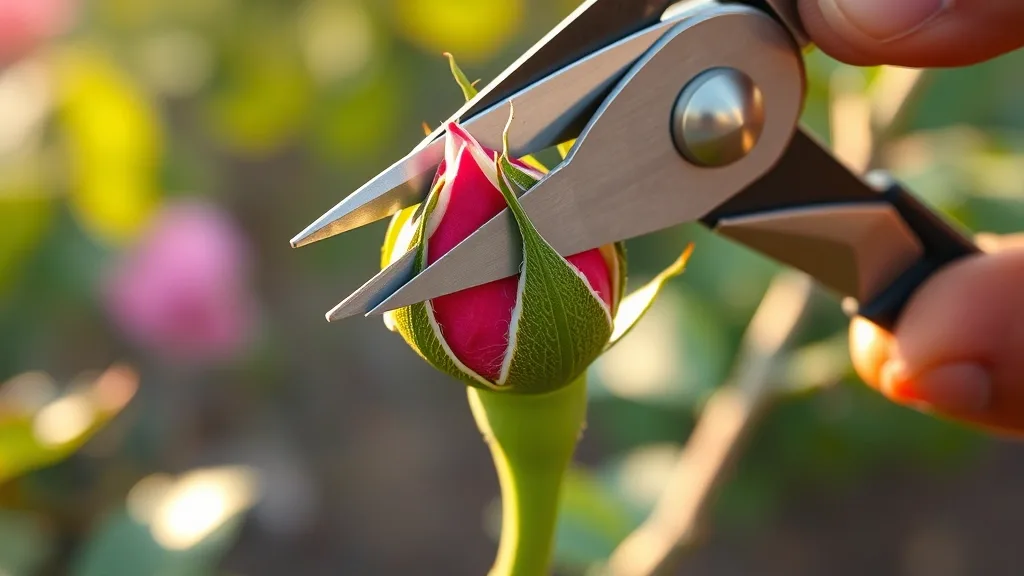
Image source: Bing (Web (fair-use with source credit))
The second mistake involves leaving long stubs behind. If you cut a cane halfway down without a nearby node, that remaining stub dies. Dead wood acts as a highway for cane borers and fungal spores.
Cut flush to the base or directly above a bud.
The third mistake is ignoring underground runners. Wild roses spread via rhizomes far beyond the main clump. Pulling surface suckers rarely works because the root stays intact.
You must sever the runner underground with a sharp spade.
If you see a new shoot ten feet away, trace it back. Dig down and cut the connecting root cleanly. Otherwise, you are fighting a hydra.
Every pulled sucker just triggers two more to sprout nearby.
Failing to sterilize tools ties all these mistakes together. Black spot spores live on infected blades for weeks. Wiping your bypass loppers with alcohol takes five seconds.
Skipping it risks infecting every healthy rose on your property.
Wild Rose Pruning FAQs
When should you prune wild roses that produce rose hips?
Leave the final spring flowers alone if you want fall rose hips. Hips develop from unpollinated blooms left on the bush. Prune dead wood in late winter but skip summer trimming.
The plant needs those spent flowers to form fruit.
How do you stop wild rose suckers permanently?
Severing the underground runner is the only reliable method. Pulling surface shoots just triggers more growth from the root system. Dig down with a sharp spade and cut the rhizome cleanly.
Apply heavy mulch over the cut area afterward.
Can you use electric hedge trimmers on species roses?
Hedge trimmers crush stems and leave jagged edges that invite disease. They also encourage dense outer growth that blocks interior sunlight. Bypass loppers or a folding saw give you precise, clean cuts.
Stick to hand tools for the best results.
What happens if you accidentally prune a once-blooming rose in spring?
You will lose that year's flower display completely. The plant will still grow green foliage normally throughout the summer. It sets new flower buds on that fresh growth for next year.
Just wait until after next spring's bloom to resume pruning.
How far back can you safely cut an overgrown wild thicket?
Dormant wild roses tolerate severe renewal pruning down to 6 inches above the soil. Their deep root systems store enough energy to push vigorous new basal breaks. Aggregate reviews from land management programs confirm this resets neglected hedges quickly.
Always perform this heavy cutting in late winter.

Similar Posts