Should You Prune Bush Beans? What You Need to Know
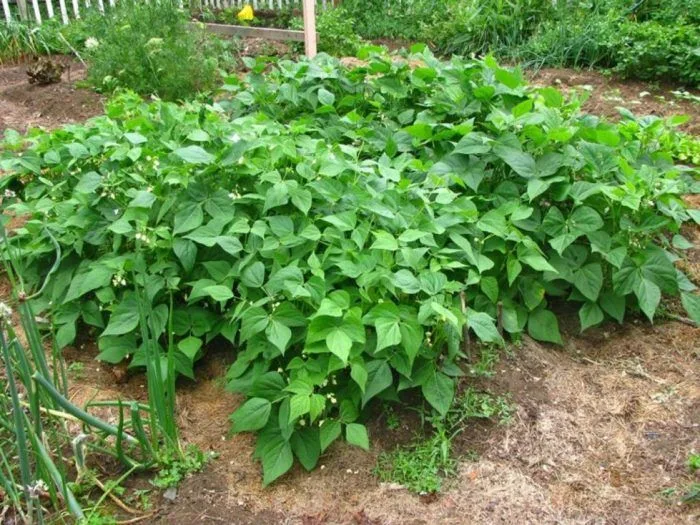
If you are wondering whether you should prune bush bean plants, the short answer is usually no. These plants grow to a fixed size and produce their pods without any help from your shears. Cutting healthy stems just steals your harvest.
Bush beans (Phaseolus vulgaris) follow a determinate growth habit, meaning they stop growing at a set height of 18 to 24 inches. Our research into standard garden practices shows that unnecessary pruning directly reduces pod clusters. Let us walk through exactly when you actually need to cut and when you should leave them alone.
Image source: Bing (Web (fair-use with source credit))
Quick Answer
You rarely need to prune bush bean plants. They have a fixed growth cycle. Only cut diseased or broken stems.
Removing healthy leaves lowers your total yield. Keep your pruners away from healthy plants.
Why Pruning Bush Beans Usually Costs You Pods
Every leaf on a bush bean plant acts as a solar panel. Those leaves gather energy to build flowers and fill out pod clusters. When you snip off healthy foliage, you permanently remove that energy source.
The plant cannot replace it fast enough to save your harvest.
This happens because bush beans rely on a determinate growth habit. Unlike tomatoes, they do not keep pushing out new vines indefinitely. Their genetic clock tells them to grow vegetative tissue for about 50 days and then switch entirely to reproduction.
Interfering with that timeline stalls the whole process.
We often see gardeners apply tomato rules to bean rows. They pinch terminal buds hoping to force the plant to branch out wider. Topping a bush bean just removes the exact spot where the next flush of flowers forms.
You end up with a shorter plant and fewer beans.
Aggregate reviews of home gardening mistakes consistently highlight this confusion. People treat all vegetable crops like indeterminate growers that need shaping. Bush beans simply do not work that way.
If the canopy looks green and full, your best move is doing absolutely nothing.
The only time cutting makes sense is when keeping a specific piece of plant tissue threatens the rest of the crop. Think of it as emergency triage rather than routine maintenance. Your goal is always preserving the maximum amount of healthy photosynthetic area until picking day.
The Quick Decision Guide: When to Cut and When to Leave Them Alone
Deciding whether to prune comes down to checking a few specific conditions in your garden beds. We built this workflow to help you make the call fast. Look at your plants and match what you see to these scenarios.
- Yellow or spotted lower leaves: Prune them immediately to stop disease spread.
- Thick canopy trapping moisture: Thin a few interior stems to restore airflow.
- Branches snapped by wind or animals: Make a clean cut below the break.
- Healthy green leaves producing flowers: Put the tools away and let them grow.
- Trying to make the plant shorter: Stop right now because topping ruins yields.
If you hit one of the first three bullets, you have a valid reason to use your bypass pruners. You are removing a threat. The plant will recover quickly because you left the productive upper canopy intact.
If your situation matches the last two bullets, pruning will only hurt you. Healthy leaves are actively feeding developing pods. Removing them forces the plant to divert stored energy into healing wounds instead of growing beans.
| Plant Condition | Action Required | Reason |
|---|---|---|
| Fungal spots on leaves | Prune affected tissue | Prevents pathogen spread |
| Stagnant humid air inside | Light interior thinning | Reduces white mold risk |
| Jagged broken stem | Clean cut above node | Stops rot from entering |
| Lush green canopy | Do nothing | Leaves feed pod clusters |
| Tall floppy stems | Do not top | Topping removes flower sites |
Use this table as a quick reference before you step into the garden. As of 2026, university extension programs still emphasize that cultural controls like spacing matter far more than corrective pruning. Fix the environment before you reach for the shears.
The Only Three Reasons to Prune a Determinate Bean Plant
We established that healthy bush beans need zero pruning. But gardens are messy places. Weather, soil, and tight spacing create problems that require intervention.
Here are the only three scenarios where cutting actually protects your yield.
Removing Diseased Foliage (Blight, Rust, and Mildew)
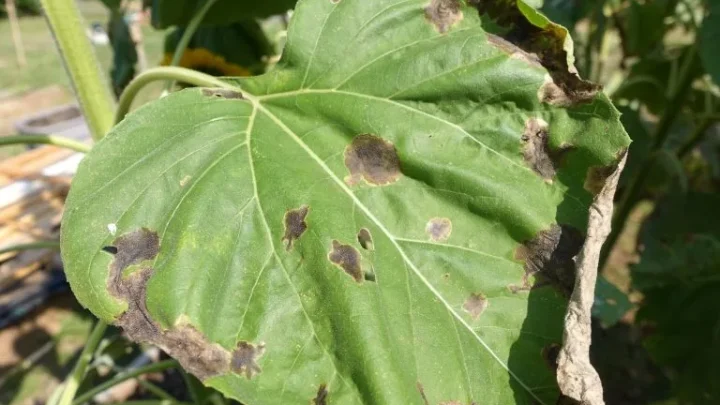
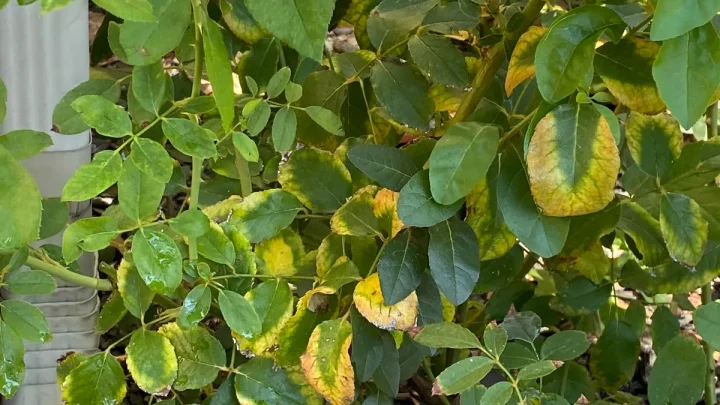
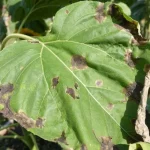
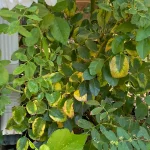
Fungal and bacterial issues almost always start near the soil line. Rain splashes pathogens onto the lowest leaves first. If you see brown lesions, yellow halos, or powdery dust, act fast.
Cut those infected leaves off at the base of the petiole. The petiole is the small stem attaching the leaf to the main stalk. Leaving a stub behind just gives rot another entry point.
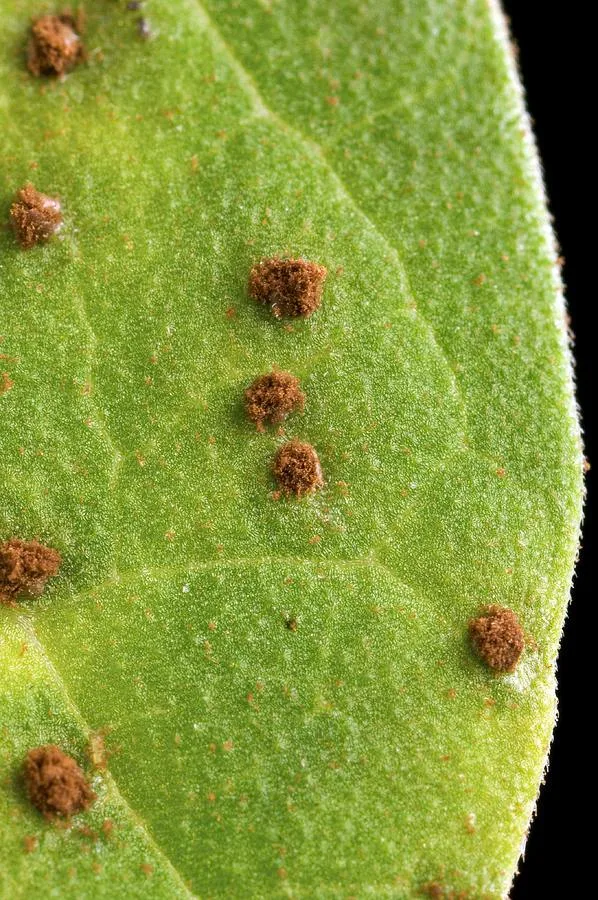
Image source: Web (Bing) / fineartamerica.com (Web image (fair-use with source credit))
Common culprits include bean rust (Uromyces appendiculatus) and common bacterial blight. Both spread rapidly in wet weather. According to Cornell University's plant pathology resources, removing infected tissue is a primary cultural control method.
Bag the diseased material immediately. Never drop it on the ground or toss it in your compost bin. Pathogens survive in decomposing matter and will reinfect your next planting.
Thinning the Canopy for Airflow in Humid Climates
High humidity is the enemy of dense bean plantings. If you spaced your seeds too close together, the center of the block turns into a stagnant pocket. Wet leaves that stay wet breed white mold and anthracnose.
In this case, light thinning saves the crop. Snip out a few crossing interior stems that trap moisture. You are not opening the plant up like a fruit tree.
You are just creating a slight breeze path near the soil surface.
Focus strictly on nonproductive inner growth. Leave every outward facing leaf that catches direct sunlight. Those outer leaves do the heavy lifting for pod development.
This matters most in regions with heavy summer rainfall or coastal humidity. Growers using high tunnels or greenhouses face the same risks due to limited natural wind. Thinning buys you better drying times after irrigation.
Cleaning Up Storm Damage or Broken Stems
A heavy storm or a wandering dog can snap herbaceous stems easily. A jagged tear takes much longer to heal than a clean cut. Open wounds invite pests and secondary infections.
If a branch breaks but hangs on, grab your snips. Make a clean cut just below the damage. Try to cut right above a healthy leaf node if possible.
Nodes contain active meristematic tissue that seals wounds faster. Leaving a long dead stub between nodes just creates a bridge for bacteria. Cut cleanly and let the plant focus its energy on the remaining healthy stems.
How to Prune Without Spreading Pathogens or Stalling Growth
Knowing when to cut is only half the job. Doing it wrong spreads disease faster than leaving the plant alone. Follow this exact workflow to protect your crop during the process.
First, check the foliage. Never prune beans when the leaves are wet from morning dew or recent rain. Moisture acts as a transport system for bacterial blight.
Wait until midday when the sun has dried the canopy completely.
Second, pick the right tool. Use sharp bypass pruners rather than anvil styles. Anvil blades crush hollow bean stems against a flat plate.
That crushed tissue rots quickly and slows down healing.
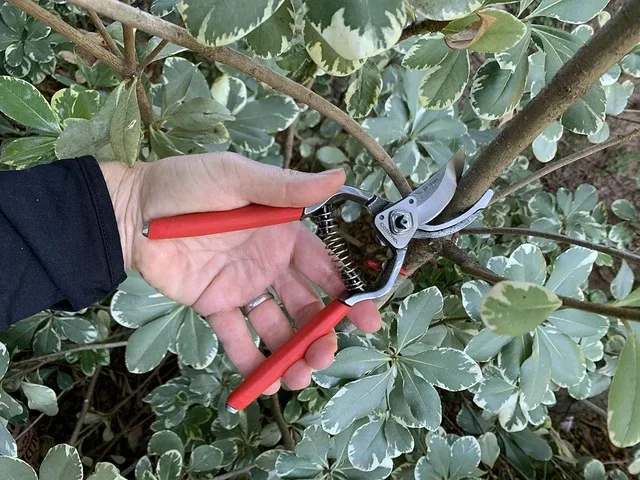
Image source: Bing (Web (fair-use with source credit))
Third, sanitize your blades constantly. Wipe them with 70 percent isopropyl alcohol or a 10 percent bleach solution between every single plant. Skipping this step turns your pruners into a delivery service for fungal spores.
Fourth, execute the cut properly. Remove whole leaves by snipping the petiole close to the main branch. For broken stems, cut just above a leaf node.
Avoid leaving random stubs sticking out.
Finally, handle the waste safely. Drop diseased clippings directly into a trash bag. Wash your hands thoroughly before touching healthy plants in another row.
Good sanitation prevents small problems from becoming total crop failures.
| Step | Action | Purpose |
|---|---|---|
| 1 | Wait for dry leaves | Prevents bacterial spread |
| 2 | Use bypass pruners | Avoids crushing stems |
| 3 | Wipe blades with alcohol | Kills lingering spores |
| 4 | Cut above leaf nodes | Speeds up wound healing |
| 5 | Bag infected debris | Stops compost contamination |
Keep this sequence in mind every time you enter the garden. Rushing through these steps defeats the purpose of pruning entirely. Precision protects your final harvest volume.
Why Bush Beans Don't Need Topping or Suckering Like Tomatoes
Gardeners love transferring skills from one crop to another. Unfortunately, techniques that work perfectly for tomatoes cause real damage to bush beans. Understanding the biological difference stops you from making costly mistakes.
Tomatoes usually exhibit an indeterminate growth habit. They keep vining upward until frost kills them. Pinching out suckers directs energy into larger fruit.
Topping them late in the season forces ripening.
Bush beans operate on a completely different genetic program. Their determinate nature means they grow vegetatively for a set period. Then they flower, set pods, and decline.
That timeline is hardcoded into the seed.
When you top a bush bean, you remove the terminal bud. That specific node was programmed to produce the next cluster of flowers. You cannot force lateral branching to replace it efficiently.
Suckering is equally pointless here. Bean plants do not push out vigorous side shoots from leaf axils like tomatoes do. Any tiny side growth you leave needs energy from the main stem to develop.
Comparing the two highlights why blanket pruning advice fails. Each crop demands a strategy matched to its growth architecture. Treating determinate beans like indeterminate vines guarantees a lighter picking basket.
| Trait | Bush Beans | Tomatoes |
|---|---|---|
| Growth Habit | Determinate | Indeterminate |
| Topping Effect | Destroys flower sites | Forces fruit ripening |
| Suckering | Wastes plant energy | Improves fruit size |
| Pruning Goal | Disease removal only | Shape and yield control |
Stick to this comparison whenever you feel the urge to shape your bean patch. The plants already know exactly how to structure themselves. Your interference usually gets in the way of a good harvest.
Common Pruning Mistakes That Wreck Your Harvest
Even well meaning gardeners ruin good bean crops by cutting the wrong things. The mistakes usually come from treating bush beans like other common vegetables. Once you know what to avoid, your yields stay safe.
The biggest error is pruning healthy leaves to let more light in. Bush beans naturally arrange their canopy to catch sunlight efficiently. Stripping green foliage just starves the developing pods of energy.
You lose weight and size on every bean you pick.
Another frequent mistake is using dull anvil pruners instead of sharp bypass ones. Anvil blades crush the soft stems rather than slicing them cleanly. That crushed tissue takes days to heal and invites rot directly into the main stalk.
Working on wet plants causes massive damage too. Bacterial blight spreads instantly when water coats the leaves. If you prune after morning dew or a rain shower, you are wiping pathogens across the entire row.
Always wait for dry conditions.
Leaving long stubs is a subtle error that hurts later. When you cut a leaf or broken stem, snip it close to the node. A leftover stub dies back slowly and becomes a perfect entry point for fungal spores.
Finally, tossing diseased clippings into the compost pile ruins future seasons. Pathogens like white mold survive standard backyard composting temperatures. Bag that infected material and send it straight to the trash.
| Mistake | Consequence | Correct Action |
|---|---|---|
| Cutting healthy leaves | Starves developing pods | Only remove sick tissue |
| Using dull anvil tools | Crushes hollow stems | Switch to sharp bypass pruners |
| Pruning wet foliage | Spreads bacterial blight | Wait until midday dryness |
| Leaving long dead stubs | Invites fungal rot | Cut flush above a node |
| Composting sick debris | Reinfects next crop | Bag and trash immediately |
Avoiding these five errors protects your total harvest volume. Keep your interventions minimal and targeted. Let the determinate genetics do the heavy lifting for you.
Frequently Asked Questions
Should I pinch the tops off my bush beans?
No. Pinching the terminal bud removes the primary site where flowers form. Bush beans rely on a determinate growth habit, so they will not branch out like tomatoes.
Topping them only reduces your final pod count. Leave the growing tips completely alone.
How far apart should I plant bush beans to avoid pruning?
Plant seeds 3 to 6 inches apart in rows spaced 18 to 24 inches apart. Proper spacing creates natural airflow through the canopy. This prevents the stagnant humidity that forces you to thin interior leaves.
Good initial spacing eliminates most pruning needs entirely.
Can I prune bush beans to get a second harvest?
Cutting back spent plants will not force a large second flush. Their genetic clock stops reproduction after the main pod set finishes. You might see a few scattered flowers later, but heavy pruning wastes remaining energy.
Plant a new succession crop instead.
What do I do if my bush bean leaves turn yellow?
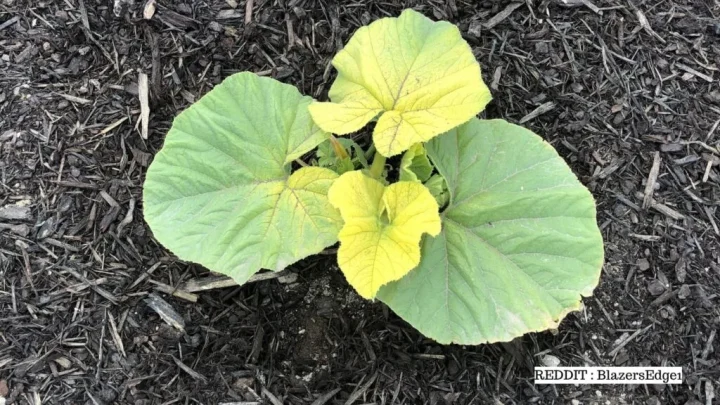
If lower leaves turn yellow with brown spots, they likely have a fungal issue like rust. Snip those specific leaves off at the petiole base using sanitized bypass pruners. Bag the diseased material for the trash.
Do not compost it.
Is it safe to use rubbing alcohol on my pruning shears?
Yes. Wiping blades with 70 percent isopropyl alcohol between plants kills lingering bacteria and fungal spores. A 10 percent bleach solution works too, but alcohol is easier on the metal over time.
Sanitizing tools is mandatory when removing diseased tissue.

Similar Posts