Rubber Tree Drooping Leaves: Causes and How to Fix Them
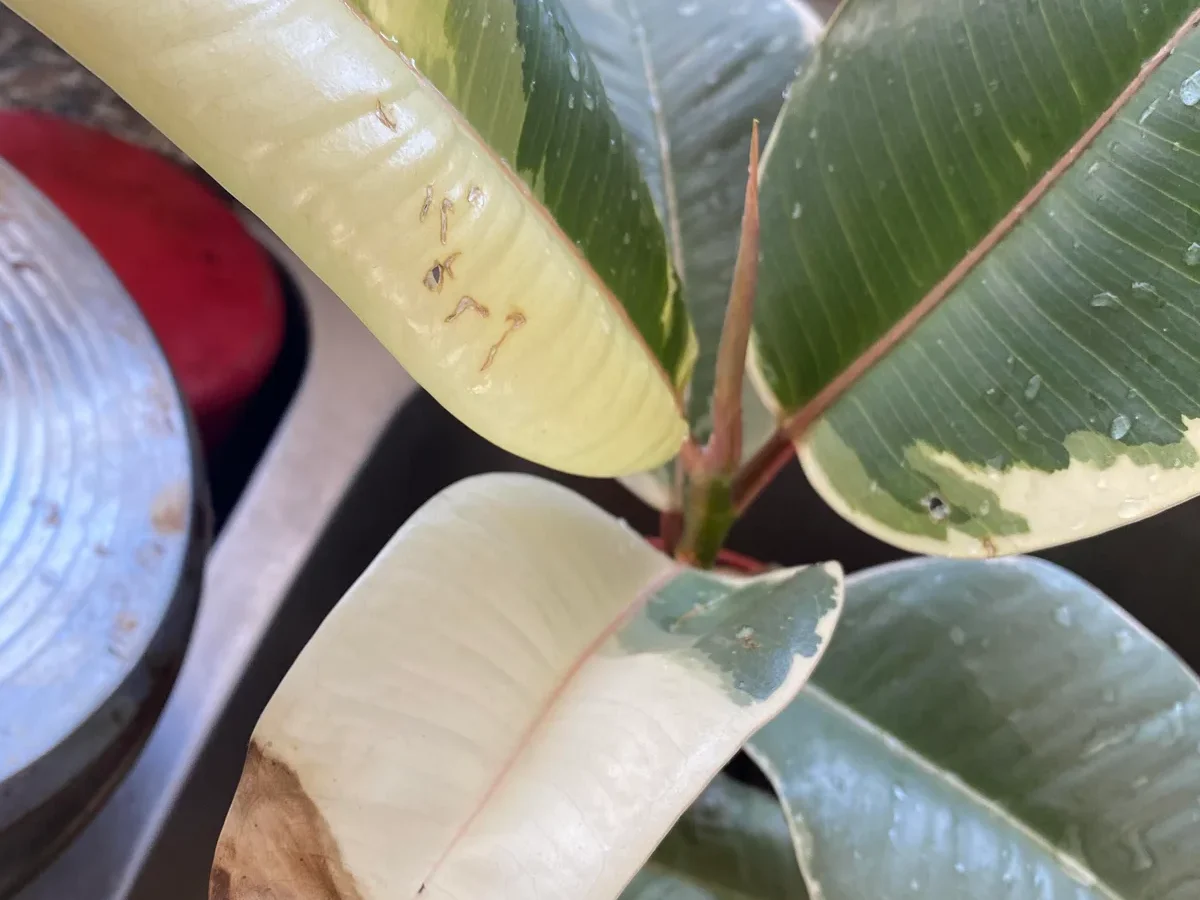
Seeing your rubber tree drooping leaves is stressful, but it's usually a fixable problem. The plant is simply losing turgor pressure inside its cells. That means water isn't moving from the roots to the foliage properly.
Per University of Florida IFAS Extension guidelines, Ficus elastica needs specific moisture levels to stay rigid. When those levels drop or spike, the thick leaves go limp fast. We'll walk through exactly how to figure out what went wrong.
Then we'll get your plant standing tall again.
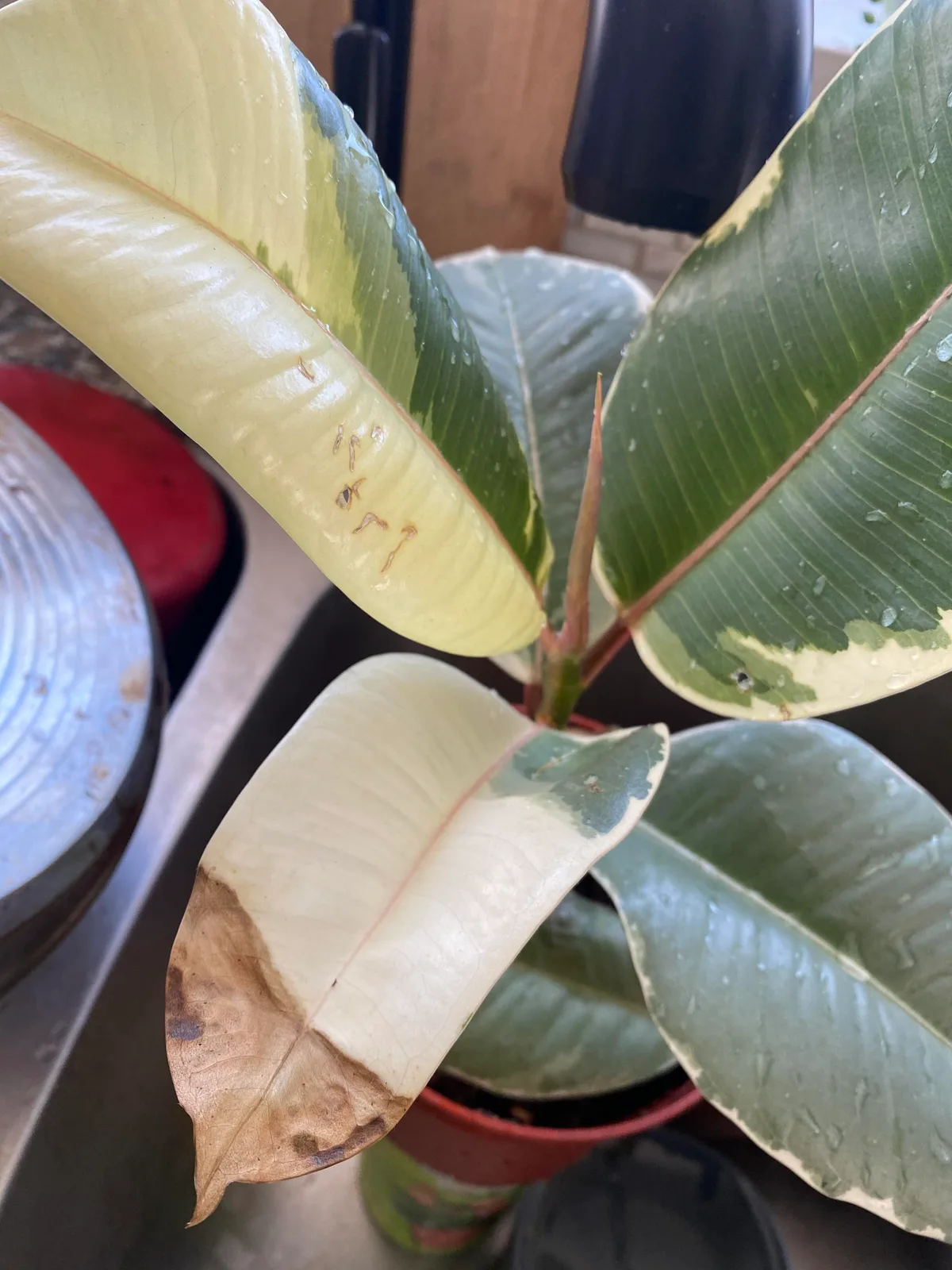
Image source: Bing (Web (fair-use with source credit))
Quick Answer
Rubber tree drooping leaves happen when roots fail to deliver water. This results from overwatering, underwatering, or cold drafts. Check the soil moisture immediately to find the cause.
Correct watering restores leaf rigidity within two days.
Why Your Rubber Tree Leaves Are Drooping (The Quick Answer)
A rubber tree drops its leaves downward for one primary reason. It has lost turgor pressure. Turgor pressure is the internal water force that keeps plant cells stiff.
Without it, the heavy, waxy leaves of a Ficus elastica just fold under their own weight.
Our research shows three main triggers cause this pressure loss in houseplants. You're either giving it too much water, not enough water, or shocking it with cold air. Overwatering is by far the most common culprit as of 2026.
People see a drooping leaf and assume the plant is thirsty, so they add more water.
That instinct actually makes root rot worse. Soggy soil suffocates the tap root system. Once roots can't breathe, they stop drinking entirely.
The leaves droop even though the pot is full of water.
Underwatering causes the exact same visual symptom. The soil dries out completely, and the roots have nothing to pull up. Cold drafts trigger a third version of this problem.
Tropical plants shut down their cellular functions when temperatures dip below 50°F (10°C).
| Trigger | Soil Condition | Leaf Texture | Recovery Time |
|---|---|---|---|
| Overwatering | Soggy, heavy | Soft, mushy | 2 to 4 weeks |
| Underwatering | Bone dry, light | Crispy, dry edges | 24 to 48 hours |
| Cold Shock | Normal | Limp, sudden drop | 3 to 7 days |
You need to identify which trigger you're dealing with before changing anything. Guessing leads to dead roots. The diagnostic process takes about thirty seconds if you know where to look.
The Lift and Feel Test: Figuring Out If It’s Thirsty or Drowning
Don't trust the top layer of soil. Surface dirt dries out fast while the bottom stays flooded. You need a better way to read the root zone.
The lift test is the fastest method we've found.
Pick up the entire pot with both hands. A pot filled with wet soil feels surprisingly heavy. A dehydrated pot feels almost hollow.
If your rubber tree feels like a bowling ball, you're dealing with overwatering. If it feels like an empty plastic bucket, the plant is bone dry.
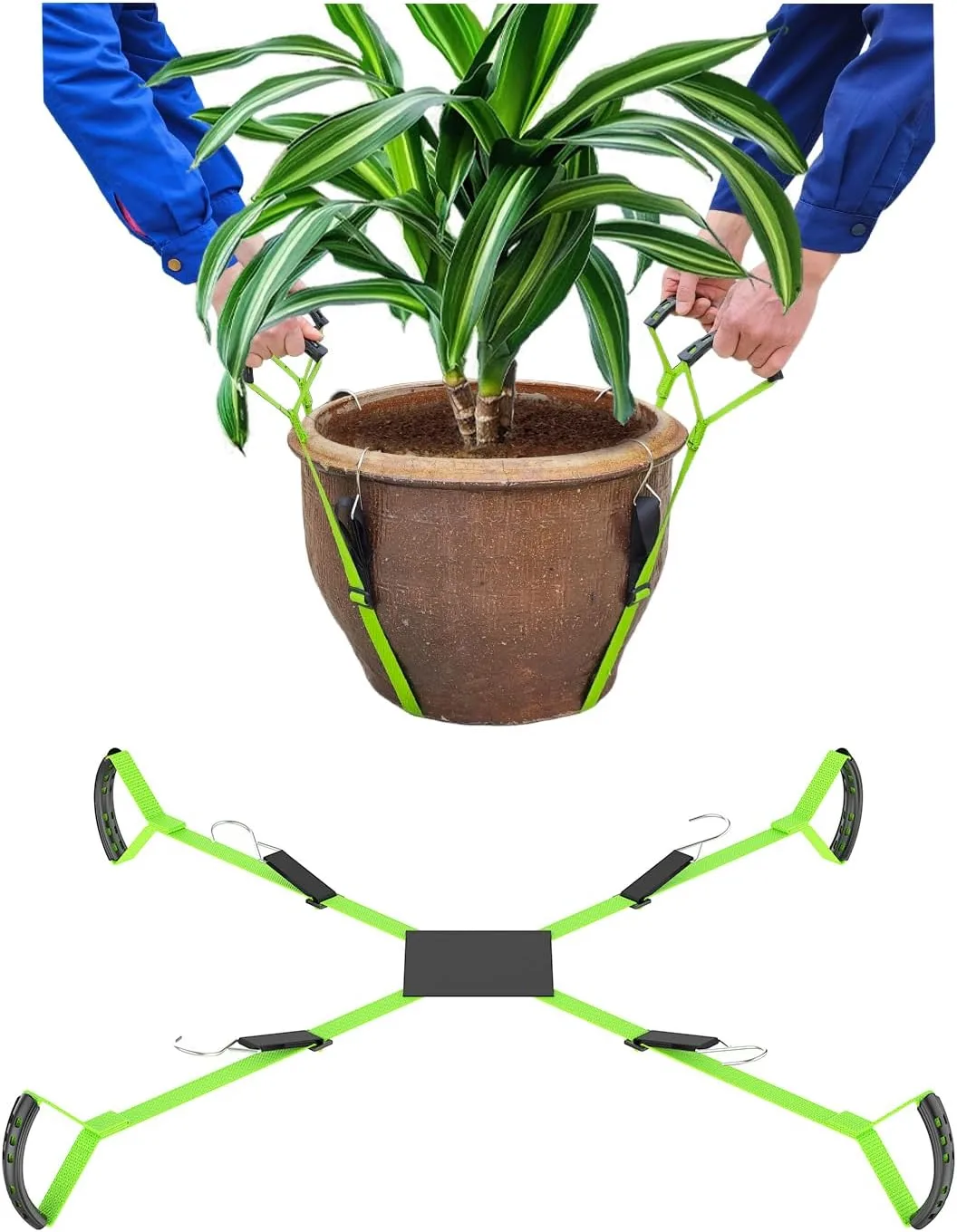
Image source: Bing (Web (fair-use with source credit))
Next, use the finger test to confirm what the weight told you. Push your index finger about three inches deep into the soil mix. You're feeling for actual dampness, not just cool dirt.
If your finger comes out muddy or soaked, stop watering immediately. The roots are likely sitting in stagnant water. If the soil feels powdery and pulls away from your skin, the plant needs a drink right now.
You can also use a wooden chopstick for this step. Push it all the way to the bottom of the nursery pot. Pull it out and check the tip.
Dark, wet wood means soggy roots. Clean, dry wood means severe dehydration.
Check the drainage holes on the bottom while you're at it. Roots poking through don't mean the plant needs a bigger home. They often mean the soil inside is compacted and holding too much water.
Blocked holes turn any pot into a bathtub.
Once you know the moisture level, you can pick the right decision branch below. Don't skip these physical checks. Visual guessing ruins Ficus plants every single day.
Decision Branch 1: Fixing an Underwatered, Limp Ficus Elastica
If the pot felt light and the soil was dusty, your plant is just thirsty. This is the easiest scenario to fix. An underwatered rubber tree bounces back incredibly fast once it gets a proper drink.
Standard top watering doesn't work well here. Severely dry peat or coco coir becomes hydrophobic. Water just runs down the sides of the pot and out the drainage holes without touching the root ball.
You need to soak it instead.
Fill a basin or sink with a few inches of room temperature water. Set the nursery pot directly into the water. Let it sit there for about thirty minutes.
The soil will pull moisture upward through the drainage holes via capillary action.
Wait until the top surface of the soil feels moist to the touch. Then pull the pot out and let it drain completely. Never leave the plant sitting in the leftover basin water.
Drainage is critical to prevent swinging straight into overwatering territory.
Within 24 to 48 hours, you should see the petioles start to stiffen up. The thick leaves will lift back toward their normal horizontal position. Turgor pressure returns quickly when healthy roots finally get access to water.
Going forward, change your watering schedule. Don't water on a set calendar day. Wait until the top two to three inches of soil are completely dry before watering again.
Use the lift test every few days to monitor the weight.
Chunky aroid soil mixes help prevent this issue long term. Standard potting soil compacts too easily and dries unevenly. Mixing in extra perlite and orchid bark keeps the root zone breathable.
That ensures water actually reaches the tap root system next time.
Decision Branch 2: Rescuing a Rubber Tree From Overwatering and Root Rot
This is the harder path. If the pot felt heavy and the soil was soaked, your plant is drowning. You need to act fast before fungal pathogens destroy the root system entirely.
Stop watering immediately. Move the pot to a spot with bright, indirect light and good airflow. Sometimes mild overwatering fixes itself if you just let the soil dry out naturally.
Give it a few days to breathe.
If the leaves stay limp or start turning yellow, you likely have root rot. Pathogens like Pythium and Phytophthora thrive in oxygen deprived soil. They turn firm white roots into brown, mushy threads.
You have to physically remove the bad parts.
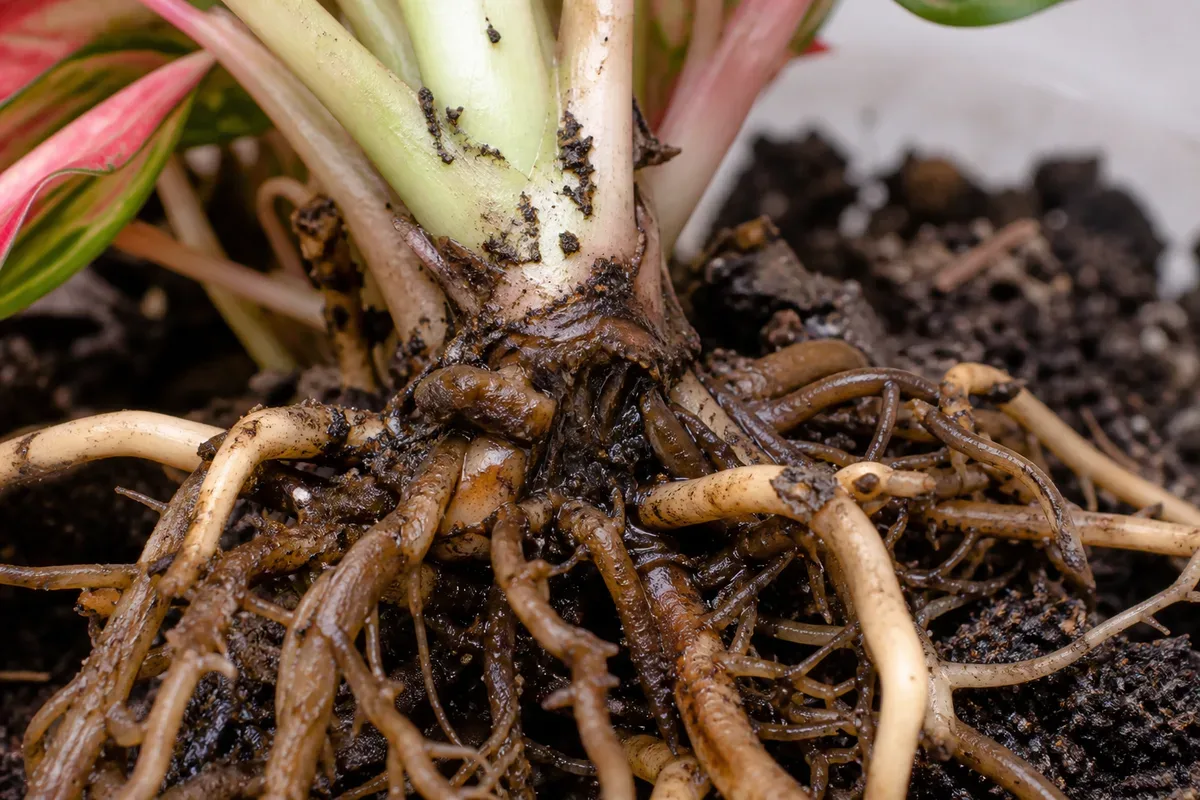
Image source: Bing (Web (fair-use with source credit))
Pull the plant out of its pot gently. Shake off as much wet soil as you can. Inspect the root ball closely under good lighting.
Healthy roots are firm and pale. Rotted roots are dark, slimy, and smell like a swamp.
Take sterilized pruning shears and cut away every mushy root. Don't leave questionable tissue behind. Clemson University Cooperative Extension recommends aggressive removal of diseased roots to save the rest of the plant.
Dip the remaining healthy roots in a diluted hydrogen peroxide solution to kill lingering spores.
Use one part standard 3% hydrogen peroxide mixed with three parts water. Anything stronger will burn the surviving tissue. Swish the roots around briefly, then let them air dry for an hour.
Repot the plant into fresh, dry aroid mix. Never reuse the old soggy soil. Pick a clean pot that is only one to two inches wider than the trimmed root ball.
Too much new soil holds too much water again.
Hold off on watering for a few days after repotting. The roots need time to heal their cut edges. Keep the plant out of direct sun while it recovers.
Expect this healing process to take two to four weeks.
Environmental Shock: When Cold Drafts or Repotting Cause the Droop
If your soil moisture feels perfectly normal, temperature changes or recent transplanting are likely causing the limp leaves. Rubber trees originate from tropical climates and hate sudden cold air. Sustained exposure below 60°F (15°C) forces their cellular processes to shut down rapidly.
Check exactly where your plant sits in the room. A window that leaks winter air will chill the foliage overnight. Air conditioning vents blast cold drafts directly onto the canopy during summer months.
Both scenarios trigger a defensive droop even when the roots are completely healthy.
Move the plant away from exterior doors, drafty windows, and heating radiators. Keep it in a stable spot between 65°F and 80°F. The leaves usually stiffen back up within three to seven days once the temperature stabilizes.
Don't panic if a few lower leaves drop during this adjustment period.
Repotting causes a very similar visual reaction called transplant shock. If you just moved your Ficus elastica into a new container, the roots need time to grab the fresh soil. They temporarily stop pulling water while they establish themselves in the new space.
Keep the soil barely moist but never soggy after repotting. Provide bright indirect light without any harsh direct sun. Avoid adding liquid fertilizer until you see firm new growth at the top of the stem.
Feeding a shocked plant burns the delicate recovering root tips.
| Shock Type | Primary Trigger | Ideal Fix | Expected Recovery |
|---|---|---|---|
| Cold Draft | Temps under 60°F | Relocate to warm room | 3 to 7 days |
| Transplant | Recent repotting | Hold fertilizer, stable light | 2 to 4 weeks |
| Heat Stress | Radiator proximity | Move away from heat source | 1 to 3 days |
Common Mistakes That Make a Drooping Rubber Plant Worse
Guessing the problem without checking the soil weight is the fastest way to kill a rubber tree. People see a limp leaf and immediately pour water into the pot. If the plant was actually drowning, that extra water pushes the roots past the point of no return.
Always do the lift test first.
Misting the leaves is another habit that does more harm than good here. Misting doesn't fix low turgor pressure because the thick waxy cuticle blocks surface absorption. It just leaves the foliage wet, which invites fungal spots and bacterial issues.
Water the soil directly or use the bottom soaking method we covered earlier.
Using heavy garden dirt or standard potting mix straight from the bag suffocates the tap root system. These dense mixes hold water like a sponge for weeks. You need a chunky aroid mix with plenty of perlite and orchid bark.
That added texture creates tiny air pockets so the roots can actually breathe.
Ignoring the drainage holes guarantees trouble eventually. Many decorative ceramic pots lack holes entirely. If you planted your rubber tree directly into one of these sealed containers, water pools silently at the bottom.
Always use a plastic nursery pot with holes, then slip that inside your decorative planter.
Pruning off all the drooping leaves right away stresses the plant further. Those limp leaves still perform photosynthesis and help the plant generate recovery energy. Leave them attached unless they turn completely brown, mushy, or crispy.
Let the plant decide when to drop them naturally.
Finally, moving the plant around the house every few days prevents acclimation. Every time you change its location, the lighting and humidity shift. Pick one stable spot with bright indirect light and leave it there.
Consistency helps the root system recover much faster than constant relocation.
How do I know if my rubber tree needs water?
Lift the pot to feel its weight. A dry pot feels surprisingly light compared to a freshly watered one. Push your finger three inches into the soil.
Water only when that depth feels completely dry and powdery.
Will drooping rubber tree leaves perk back up?
Yes, they usually recover fully if you catch the issue early. Underwatered plants bounce back within 24 to 48 hours of a deep soak. Overwatered plants take two to four weeks to grow new functional roots.
Severely rotted stems might not recover.
Should I cut off drooping leaves on my Ficus elastica?
Leave them alone unless they are completely dead or mushy. Limp leaves still absorb light and support the recovery process. Cutting healthy tissue forces the plant to spend energy healing wounds.
Only prune leaves that are clearly beyond saving.
Why is my rubber plant drooping after repotting?
Transplant shock causes temporary drooping while roots adjust to new soil. The root system stops drinking efficiently for a few weeks. Keep the soil lightly moist and avoid direct sunlight.
Do not apply fertilizer until you see new leaf growth.
How often should I water a rubber tree indoors?
Forget strict weekly schedules entirely. Check the soil moisture every few days using the lift test. Water only when the top three inches are completely dry.
Winter months require far less water due to slower evaporation rates.

Similar Posts