Best Fertilizer for Gardenias With Yellow Leaves
Finding the right fertilizer for gardenias with yellow leaves depends entirely on why the plant is struggling. You can't just buy a generic bag of plant food and expect a miracle. Gardenias are incredibly fussy about their soil chemistry.
If you guess wrong, you'll actually make the problem worse.
In our research, we've found that most yellowing stems from soil pH drifting above 6.0. At that level, roots simply stop absorbing iron. You need to diagnose the specific type of yellowing first.
Then you can pick the exact nutrient fix your shrub requires.
Image source: Bing (Web (fair-use with source credit))
Quick Answer
The best fertilizer for gardenias with yellow leaves depends on the cause. Iron chlorosis needs chelated iron and an acidifier. Nitrogen deficiency requires a slow release acidic fertilizer.
Always test your soil pH before applying anything. Feeding waterlogged roots will kill the plant faster.
Why Your Gardenia Leaves Are Turning Yellow (And Why Fertilizer Might Not Be the Fix)
Yellow leaves on a gardenia aren't a disease. They are a symptom. The plant is telling you something in its root zone is broken.
Most people immediately reach for a bottle of liquid feed. That's usually a mistake.
If the roots are sitting in soggy soil, they suffocate. Adding fertilizer to rotting roots causes chemical burns. You have to rule out watering issues before you even think about nutrients.
Overwatering mimics starvation perfectly.
Gardenias demand highly acidic soil to function properly. University extension programs consistently report that these shrubs fail when soil pH climbs past 6.5. The roots lock up completely.
Nutrients sit in the dirt while the plant starves.
Hard tap water is the usual culprit here. Municipal water often contains heavy calcium and magnesium carbonates. Over a few months, this slowly turns your acidic potting mix alkaline.
You end up feeding a plant that physically cannot eat.
Fertilizer only works if the plumbing is clear. You must fix the drainage or adjust the pH first. Otherwise, you're just pouring expensive salts onto dead roots.
Diagnosis always comes before application.
The Diagnostic Decision Tree: Reading Leaf Color, Position, and Texture
You need to look closely at the failing leaves. The color pattern tells you exactly which nutrient is missing. It also tells you if the problem isn't nutritional at all.
Grab a leaf and check it against this workflow.
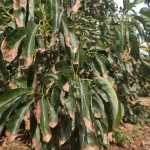
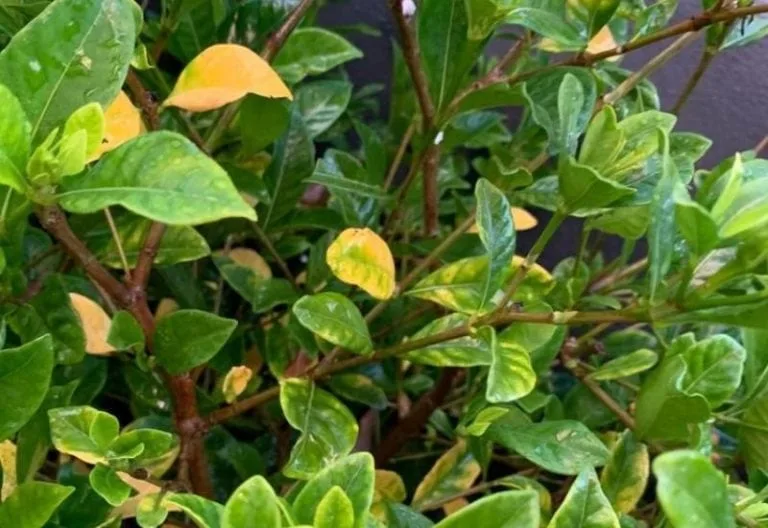
If the newest leaves at the top are pale yellow but the veins stay dark green, that is interveinal chlorosis. This means the plant lacks usable iron. The soil pH is likely too high for the roots to absorb it.
If the oldest leaves at the bottom turn solid yellow and drop off, the plant is short on nitrogen. It pulls mobile nutrients from old growth to support new shoots. This happens frequently in container plants where rain washes nutrients away.
If the entire shrub looks uniformly washed out and pale, your soil is too alkaline. The roots can't process any macronutrients effectively. You need elemental sulfur to lower the pH before standard feeding will work.
If the leaves feel soft, mushy, or smell slightly sour, stop everything. That is root rot from overwatering. No fertilizer will save a drowning plant.
Let the soil dry out completely before doing anything else.
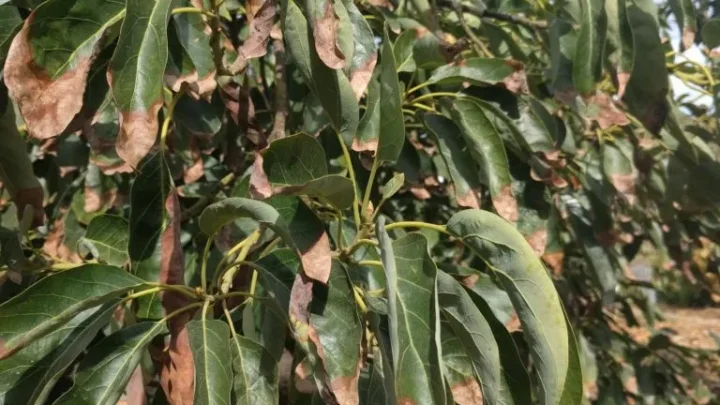
If the edges of the leaves are crispy, brown, and curling upward, you've already burned the roots. This happens from applying too much synthetic fertilizer or using softened water. Flush the soil heavily with clean water immediately.
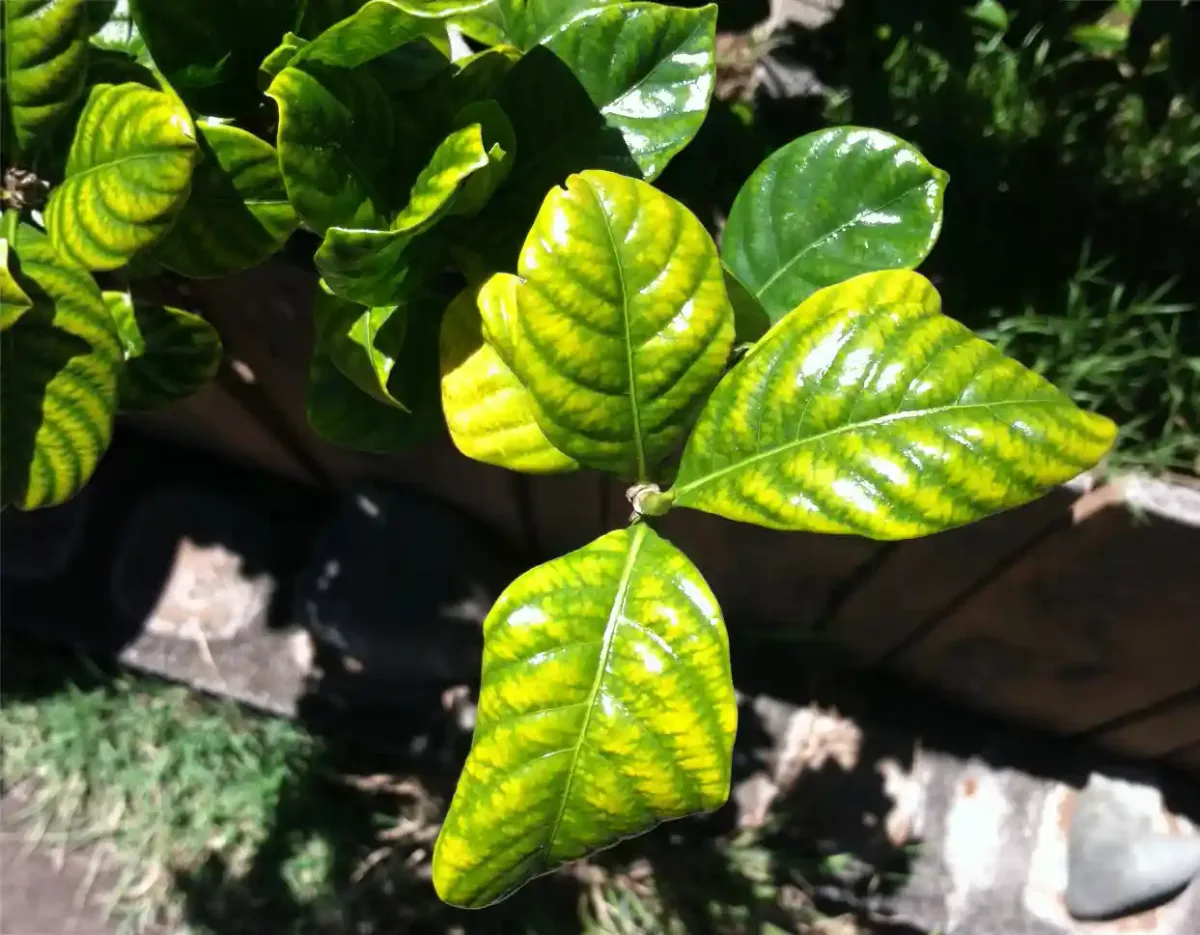
Image source: Bing (Web (fair-use with source credit))
| Visual Symptom | Leaf Location | Root Cause | Action Required |
|---|---|---|---|
| Green veins, yellow tissue | New top growth | Iron chlorosis | Apply Fe EDDHA and acidify soil |
| Solid uniform yellow | Old bottom leaves | Nitrogen deficiency | Apply slow release acidic fertilizer |
| Pale overall canopy | Entire shrub | High soil pH | Apply elemental sulfur |
| Soft, mushy texture | Lower branches | Root rot | Stop watering, improve drainage |
| Crispy brown margins | Leaf edges | Salt burn | Flush soil with plain water |
Choosing the Right Fertilizer Based on Your Diagnosis
Once you identify the visual pattern, you follow a specific treatment path. Don't mix treatments randomly. Targeted applications prevent salt buildup and protect the shallow root system.
Here is how to handle the three main nutritional deficits.
Path A: Green Veins with Yellow Tissue (Iron Chlorosis and High pH)
This is the most common reason people search for help with yellowing gardenias. The plant has iron in the soil but can't unlock it. You need a two part approach to fix it fast and keep it fixed long term.
First, apply a foliar spray of liquid iron chelate directly to the leaves. This bypasses the broken root system entirely. You'll typically see greening within five to seven days.
Spray early in the morning to avoid sun scorch on the wet foliage.
Second, you must fix the soil chemistry so the roots recover. Standard iron supplements like Fe EDTA break down instantly in alkaline dirt. Look for Fe EDDHA instead.
Manufacturer specifications confirm it remains stable and available to roots at pH levels up to 9.0.
You also need to drag the soil pH back down into the 5.0 to 6.0 range. Apply an acid forming fertilizer designed for ericaceous plants. These usually carry NPK ratios around 4 3 4 and contain sulfur to gently lower pH over time.
Path B: Solid Yellow Older Leaves Dropping (Nitrogen Deficiency)
If the base of your shrub is shedding yellow leaves, the plant needs nitrogen. Gardenias are light feeders though. Hitting them with a massive dose of quick release synthetic nitrogen will shock the roots and cause more leaf drop.
Use a slow release granular fertilizer with a slightly higher first number. An NPK ratio like 9 8 7 or 12 4 8 works well for active growing seasons. The polymer coating releases nutrients gradually every time you water the plant.
Organic options perform exceptionally well here too. Cottonseed meal is a traditional favorite among experienced growers. It naturally breaks down into a 6 2 1 NPK profile.
It also adds mild acidity to the soil as microbes decompose it.
Scratch the granules gently into the top inch of the soil. Keep the fertilizer at least three inches away from the main trunk. Piling nutrients against the bark causes cambium burn.
Water the area thoroughly after application to activate the release mechanism.
Path C: Pale Overall Shrub (Alkaline Soil Lockout)
A universally pale gardenia means the foundation is broken. Throwing standard fertilizer at alkaline soil is a waste of money. The nutrients just bind to calcium and become useless rocks.
You have to change the soil chemistry first.
Test your soil pH before treating it. You can use a basic probe meter or send a sample to your local university cooperative extension office. Their lab results give you exact amendment rates based on your specific soil type.
Apply elemental sulfur to the surface to lower the pH safely. Soil bacteria convert it slowly over three to six weeks. Avoid aluminum sulfate for gardenias.
Aggregate reviews from horticultural researchers show it carries a real risk of aluminum toxicity in sensitive shrubs.
Once your pH drops below 6.0, start feeding lightly. Use half strength doses of liquid acid fertilizer every three weeks. This steady drip of nutrition prevents the boom and bust cycle that stresses these dramatic plants.
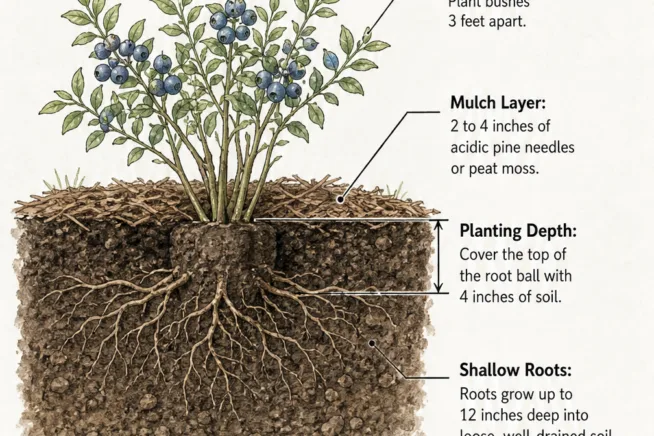
Image source: Web (Bing) / amazon.com.au (Web image (fair-use with source credit))
When to Stop: Waterlogged Roots, Salt Burn, and Contraindicated Feeding
Knowing when not to fertilize is just as critical as knowing what to buy. Applying nutrients to a stressed root system accelerates decline. We see this constantly in container grown gardenias where drainage is poor or watering habits are erratic.
If your soil stays wet for days after watering, the roots are suffocating. Phytophthora and Pythium fungi thrive in those low oxygen conditions. They destroy the root hairs responsible for nutrient uptake.
Fertilizer added to this environment acts like a toxic salt bath.
Pull back on irrigation immediately. Check the drainage holes in your pot. If the plant is in heavy clay ground soil, you may need to amend the bed with pine bark fines.
This improves aeration without drastically altering the pH balance.
Salt burn is the other major contraindication. If you live in an area with hard water or use a sodium based softener, salts accumulate rapidly. The leaf margins turn yellow, then brown and crispy.
The roots literally dehydrate in wet soil.
Stop all fertilization if you see marginal necrosis. Run a hose at the base of the plant for fifteen minutes. This leaches excess salts deep past the root zone.
Switch to collected rainwater or distilled water for future irrigation if possible.
Never fertilize a gardenia in late fall or winter. Pushing tender new growth right before freezing temperatures guarantees damage. The plant needs dormancy to store energy for spring blooms.
Wait until you see active bud swell before resuming your feeding schedule.
Long-Term Maintenance: Hard Water, Mulching, and Seasonal Schedules
Fixing yellow leaves once doesn't mean you're done. Gardenias will slip right back into nutrient lockout if you don't manage their environment year round. Consistency beats heavy handed corrections every single time.
If your tap water is hard, you are constantly adding calcium carbonate to the soil. This raises the pH steadily. Try watering with collected rainwater whenever possible.
If you must use the tap, add about one tablespoon of white vinegar per gallon to offset the alkalinity.
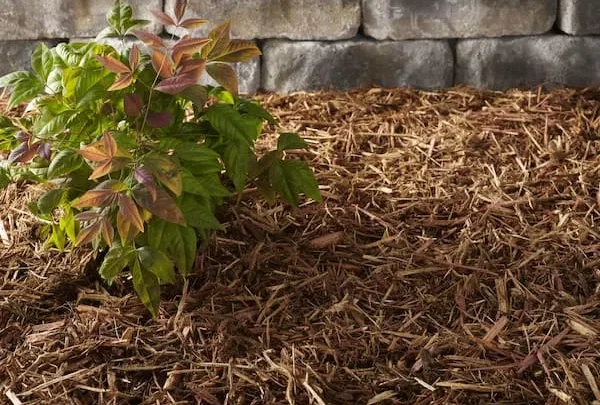
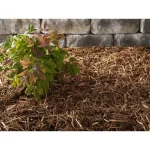
Mulch is your best defense against rapid soil changes. A two inch layer of pine needles or pine bark fines keeps the shallow roots cool. It also breaks down slowly over time.
This natural decomposition adds mild acidity directly to the root zone.
Stop feeding entirely as of 2026 seasonal guidelines suggest for late fall. Pushing nitrogen in autumn forces tender growth that freezes easily. Let the shrub go dormant.
Resume light feeding only when you see fresh green buds swelling in spring.
Frequently Asked Questions
How fast does iron chelate fix yellow gardenia leaves?
Foliar sprays of liquid iron chelate usually show visible greening within five to seven days. Soil applied Fe EDDHA takes longer because the roots need time to absorb it. Always pair iron treatments with a soil acidifier for lasting results.
Can I use coffee grounds to lower soil pH for gardenias?
Coffee grounds are slightly acidic but they break down very slowly. They make decent mulch but won't fix severe chlorosis quickly. Elemental sulfur or ammonium sulfate works much faster for dropping high soil pH levels.
Why are my gardenia leaves turning yellow after fertilizing?
You likely applied too much synthetic fertilizer at once. The excess salts burn the delicate root hairs. Stop feeding immediately.
Flush the soil heavily with plain water for fifteen minutes to push the salts past the root zone.
Should I remove yellow leaves from my gardenia?
Leave mildly chlorotic leaves alone until they turn green again after treatment. Remove completely dead or mushy leaves to prevent fungal issues. Never strip more than a third of the canopy at once.
That shocks the plant severely.
What NPK ratio is best for gardenias with nitrogen deficiency?
Look for an acid forming slow release fertilizer with a higher first number. Ratios like 9 8 7 or 12 4 8 work well during the active growing season. Apply granules away from the main trunk and water them in thoroughly.

Similar Posts