Best Sweet Corn Fertilizer for Bigger, Sweeter Ears
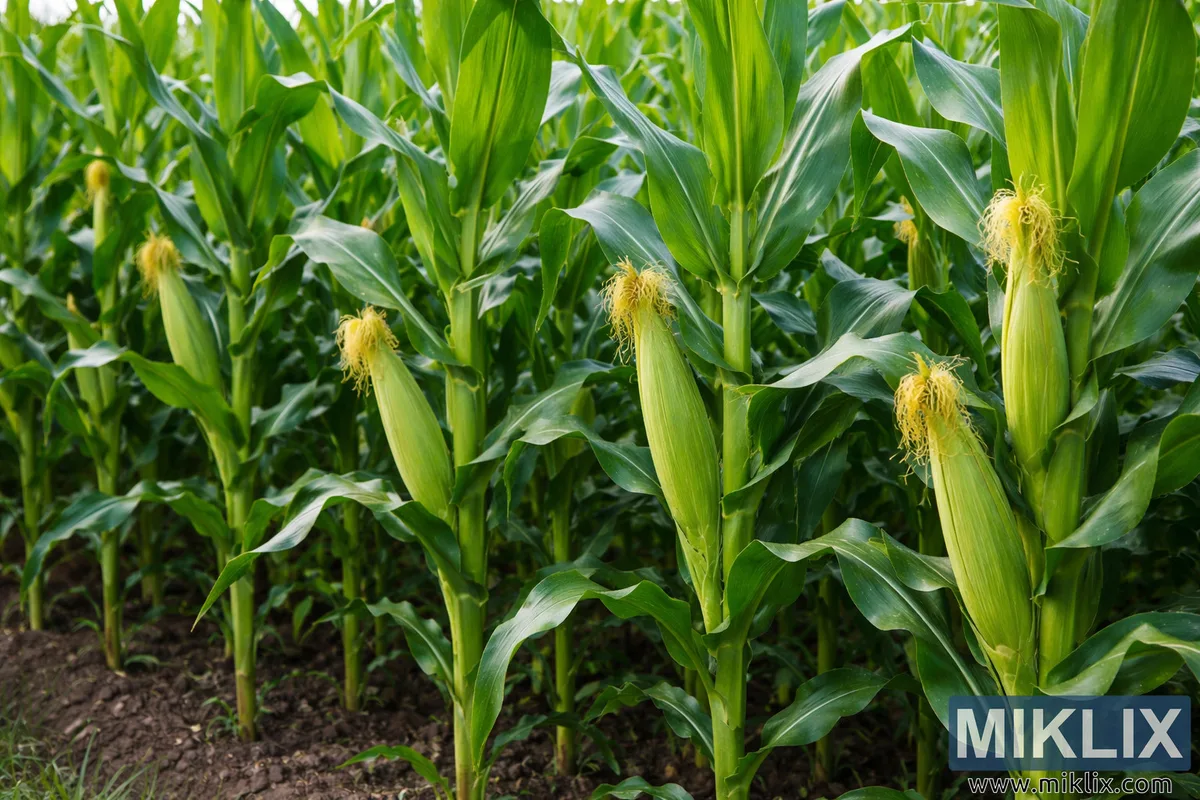
Image source: Bing (Web (fair-use with source credit))
The best sweet corn fertilizer depends entirely on your current soil test results and specific growth stage. There is no universal product that works for every garden or field without diagnostic data first.
Sweet corn typically requires 1.0 to 1.5 pounds of actual nitrogen per acre for every bushel of expected yield as of 2026. We will walk through the exact decision workflow to match nutrients to your conditions safely.
Quick Answer
The best sweet corn fertilizer matches your soil test data. Nitrogen needs change at each growth stage. Apply phosphorus and potassium before planting based on lab results.
Sidedress nitrogen when plants reach knee height. Always use soil analysis to determine exact rates.
Why There Is No Single Best Sweet Corn Fertilizer Without a Soil Test
Guessing fertilizer rates wastes money and risks crop failure. Sweet corn has distinct nutrient demands that shift rapidly during its short growing season. Applying a generic 10-10-10 blend ignores what your soil actually lacks or already holds in excess.
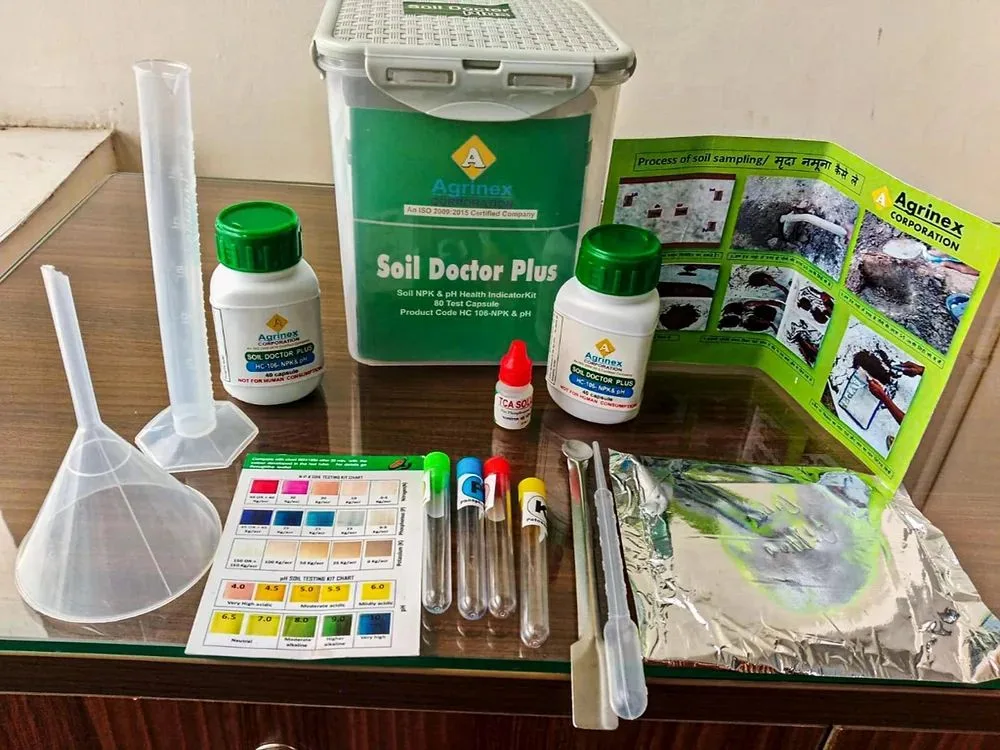
Image source: Bing (Web (fair-use with source credit))
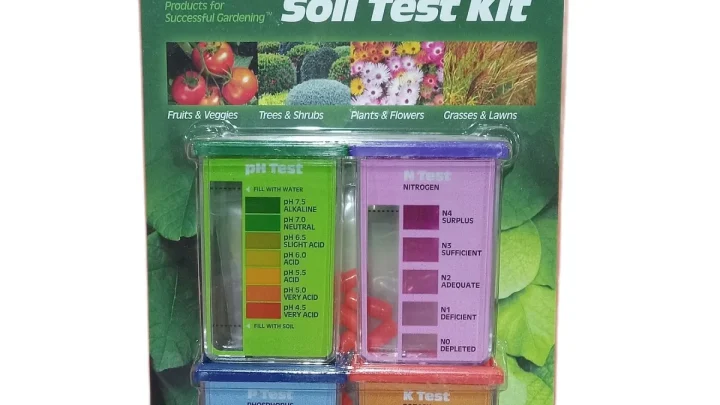
A proper soil test measures baseline phosphorus, potassium, pH, and organic matter levels. These values dictate your pre-plant amendment strategy before any seed goes in the ground. University extension services provide calibrated recommendations based on regional soil types and yield goals.
Without this data, you might overapply phosphorus while starving the crop of zinc or sulfur. Nutrient antagonisms can lock out critical micronutrients even when macronutrients are abundant. Testing removes guesswork and prevents costly imbalances that stunt ear development.
Lab results also reveal cation exchange capacity, which determines how well your soil retains applied nutrients. Sandy soils with low CEC require frequent small applications to prevent leaching. Heavy clay soils hold nutrients longer but may need different placement strategies for root access.
Your local cooperative extension offers affordable testing kits with region-specific interpretation guides. These reports translate raw numbers into actionable fertilizer prescriptions tailored to sweet corn. Skipping this step makes every subsequent application an expensive gamble.
The Decision Workflow: Matching Nutrients to Growth Stage and Soil Data
Start by reviewing your soil test report for phosphorus and potassium sufficiency. If levels are low or medium, incorporate recommended P and K amendments before planting. High-testing soils typically need only nitrogen management throughout the season.
Next, calculate your target yield to estimate total seasonal nitrogen demand. Most sweet corn varieties need 100 to 150 pounds of actual N per acre for optimal production. Divide this total across two or three timed applications rather than applying everything upfront.
Use starter fertilizer at planting if soil temperatures remain below 60°F or if tests show low P. Place it two inches beside and two inches below the seed row to avoid salt injury. This small dose supports early root establishment until soils warm sufficiently for rapid uptake.
Sidedress the bulk of nitrogen when plants reach the V6 to V8 growth stage. This timing coincides with the onset of rapid vegetative growth and tassel initiation. Late applications after tasseling rarely improve yield and increase lodging risk.
Adjust rates downward if you planted legume cover crops or incorporated significant manure. These organic sources mineralize nitrogen gradually and offset synthetic requirements. Overcrediting these sources leads to deficiency, while undercrediting causes excess vegetative growth and poor ear fill.
Monitor tissue samples at silking if yields consistently disappoint despite adequate soil tests. Hidden deficiencies in zinc, manganese, or boron often emerge only during peak reproductive demand. Foliar corrections work only if caught early enough to influence kernel set.
Choosing Your Fertilizer Type: Synthetic, Organic, and Starter Options Compared
Synthetic fertilizers deliver precise, immediately available nutrients for predictable response. Urea (46-0-0) and ammonium nitrate (34-0-0) dominate commercial production due to cost efficiency and handling ease. They require careful timing and incorporation to minimize volatilization losses.
Organic options like composted manure or blood meal release nutrients slowly through microbial activity. Release rates depend heavily on soil temperature, moisture, and biological health rather than fixed schedules. This variability makes them harder to manage for consistent commercial-scale production.
Starter fertilizers combine high phosphorus with modest nitrogen in a salt-safe formulation. Common grades include 10-34-0 liquid or 11-52-0 granular diammonium phosphate. They address cold-soil phosphorus immobility that limits early root growth regardless of overall soil test levels.
| Fertilizer Type | Best For | Key Limitation |
|---|---|---|
| Synthetic Granular | Precise staging, large acreage | Volatilization risk without incorporation |
| Liquid Synthetics | Fertigation, quick correction | Requires injection equipment |
| Composted Manure | Building long-term soil health | Variable nutrient content, slow release |
| Blood/Feather Meal | Organic nitrogen sourcing | Unpredictable mineralization timing |
| Starter (High-P) | Cold soils, low-P fields | Not needed on high-testing soils |
Liquid formulations allow precise banding and fertigation integration for maximum efficiency. They eliminate dust and reduce volatilization compared to surface-applied urea. Equipment costs and storage requirements make them less practical for small home gardens.
Slow-release coated products reduce leaching in sandy soils or high-rainfall regions. Polymer coatings or nitrification inhibitors extend nitrogen availability over weeks instead of days. Premium pricing limits their use to situations where loss risk justifies added expense.
Choose based on your equipment, labor availability, and soil characteristics rather than marketing claims. What works best for a market grower with injection rigs differs from what suits a weekend gardener with hand tools. Match the product form to your actual management capacity.
Step-by-Step Application Guide from Pre-Plant to Tassel
Begin with pre-plant incorporation of phosphorus, potassium, and micronutrients as directed by your soil test. Broadcast evenly and till into the top six inches at least two weeks before planting. This allows salts to dissipate and nutrients to distribute through the root zone.
Apply starter fertilizer at planting using precision placement equipment. Position bands two inches to the side and two inches below seed depth to prevent germination damage. Rates typically range from 5 to 10 gallons per acre of liquid or 100 to 200 pounds of granular product.
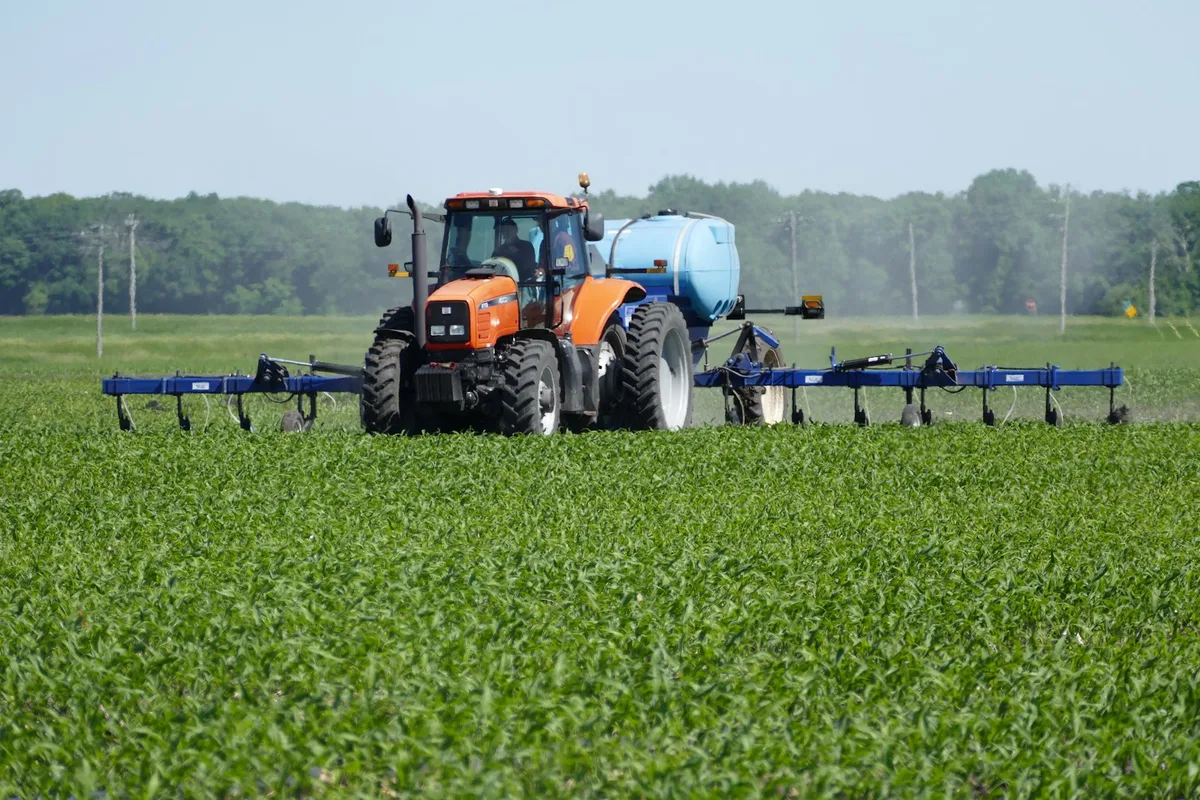
Image source: Bing (Web (fair-use with source credit))
Wait until the V6 to V8 stage to sidedress the majority of seasonal nitrogen. Plants should be roughly knee-high with six to eight visible leaf collars. Earlier applications risk leaching losses before peak uptake begins.
Use coulter injectors or rolling knives to place liquid nitrogen four to six inches deep beside rows. Surface broadcasting urea requires immediate rainfall or irrigation to move it into the root zone. Delayed incorporation loses 15% to 30% of applied nitrogen to ammonia volatilization.
Split the remaining nitrogen if your soil has low CEC or if heavy rains are forecast. Apply the second split at V10 to V12 just before tassel emergence. This ensures adequate supply during pollination when demand peaks dramatically.
Avoid any ground applications after silking unless tissue tests confirm acute deficiency. Late nitrogen promotes stalk elongation and increases lodging without improving kernel set. Foliar sprays offer limited rescue potential but cannot replace timely soil-applied nutrition.
Calibrate all spreading and injection equipment before each season to ensure accurate rates. Uneven distribution creates alternating zones of excess and deficiency across the field. Regular maintenance prevents costly miscalculations that compound over successive applications.
Common Fertilizer Mistakes That Kill Ear Fill and Stalk Strength
Applying too much nitrogen early causes excessive vegetative growth at the expense of ear development. Lush dark green plants with delayed silking signal luxury consumption that reduces harvestable yield. Split applications timed to actual crop demand prevent this imbalance.
Ignoring soil pH renders expensive fertilizer investments partially ineffective. Below pH 5.5, aluminum toxicity damages roots and blocks phosphorus uptake regardless of application rate. Above pH 7.5, micronutrients like zinc and iron become chemically unavailable even when present in sufficient quantities.
Surface-broadcasting urea without incorporation wastes significant nitrogen to volatilization. Ammonia gas escapes within hours on warm, moist, alkaline soils lacking immediate rainfall. Injecting liquids or incorporating granules preserves your investment and protects air quality.
Placing starter fertilizer too close to seed causes salt injury and uneven emergence. Germinating seeds are extremely sensitive to osmotic stress from concentrated nutrient bands. Maintain the two-by-two placement rule strictly, especially in dry planting conditions.
Skipping sulfur supplementation assumes atmospheric deposition still meets crop needs. Clean air regulations have reduced sulfur fallout dramatically since the 1990s across most agricultural regions. Deficiency manifests as uniform yellowing of younger leaves that mimics nitrogen shortage but responds poorly to N alone.
Overreliance on manure without testing creates unpredictable nutrient supply and potential pathogen risks. Fresh manure burns roots and introduces weed seeds that compete with young corn plants. Always use fully composted material and verify nutrient content through laboratory analysis before crediting against synthetic needs.
Reading the Signs: Visual Diagnostics and In-Season Adjustments
Plant leaves reveal nutrient status long before soil tests confirm deficiencies. Uniform pale green or yellowing on lower leaves signals nitrogen shortage during rapid growth phases. Upper leaf yellowing with green veins typically indicates sulfur or zinc deficiency instead.
Purple discoloration on young plants points to phosphorus issues or cold soil stress. This symptom often resolves naturally as soils warm and roots expand into deeper zones. Persistent purpling past V4 stage warrants checking pH and P availability rather than adding more fertilizer blindly.
Interveinal chlorosis on newer leaves suggests iron, manganese, or zinc problems common in high-pH soils. Foliar sprays provide quick rescue but address only current tissue needs. Long-term correction requires adjusting soil chemistry or switching to chelated micronutrient sources that remain plant-available at alkaline pH.
Leaf scorch along margins indicates potassium deficiency or salt injury from improper placement. Potassium-mobile symptoms appear first on older leaves as yellowing edges that progress inward. Confirm with tissue testing before sidedressing potash since similar symptoms arise from drought stress or root disease.
Stunted plants with delayed silking relative to neighbors often suffer early-season nitrogen leaching. Check recent rainfall records and soil texture to assess loss potential. Rescue applications before tassel emergence can salvage partial yield if caught within the critical window.
Excessive height with weak stalks and poor ear set reveals luxury nitrogen consumption. Reduce future rates and shift timing toward later splits aligned with actual uptake curves. Tissue sampling at silking confirms whether vegetative excess correlates with reproductive insufficiency.
Always pair visual observations with quantitative data before making mid-season adjustments. Symptoms overlap across multiple deficiencies and environmental stresses. Guesswork corrections frequently compound existing imbalances rather than resolving them.
Sweet Corn Fertilizer FAQs
How much nitrogen does sweet corn need per acre?
Sweet corn generally requires 100 to 150 pounds of actual nitrogen per acre for optimal yields. Exact needs depend on expected bushel yield, soil organic matter, and previous crop credits. Split this total between planting starter and V6-V8 sidedress applications to match peak demand periods.
Can I use lawn fertilizer on sweet corn?
Lawn fertilizers contain herbicides or slow-release coatings designed for turfgrass physiology. These formulations can stunt corn growth or release nutrients too slowly during critical windows. Always use agricultural-grade products labeled specifically for vegetable or field corn production to avoid crop damage.
When is it too late to fertilize sweet corn?
Ground applications after silking rarely improve kernel set and increase lodging risk. The critical uptake window closes around tassel emergence when reproductive sinks dominate. Late-season deficiencies are better addressed through foliar sprays if tissue tests confirm acute need before dough stage.
Does sweet corn need zinc fertilizer?
Zinc deficiency is common in high-pH soils, sandy textures, or fields with excessive phosphorus history. Symptoms include interveinal striping on new leaves and stunted growth despite adequate NPK. Soil or tissue testing confirms need before applying since toxicity occurs at relatively low application rates.
Should I side-dress liquid or granular nitrogen?
Liquid nitrogen injected below surface minimizes volatilization losses and allows precise banding near active roots. Granular urea works well if incorporated immediately by rainfall or cultivation within 48 hours. Choose based on equipment access, weather forecasts, and soil moisture conditions at application time.

Similar Posts