Is Baby Shampoo Safe for Lawns? Benefits & Risks Explained
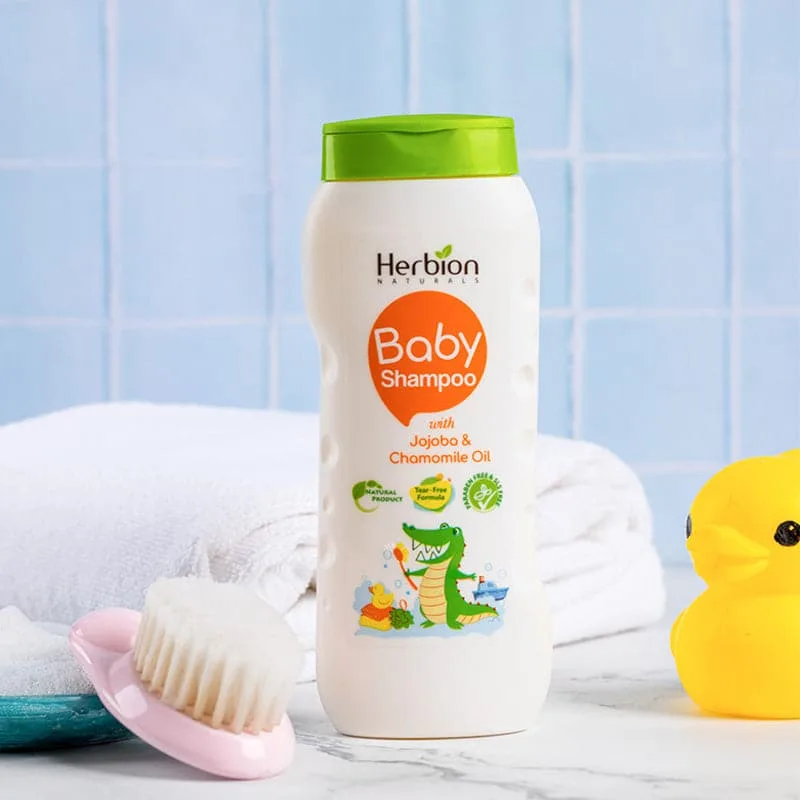
Putting baby shampoo on lawn grass sounds like an old wives' tale. But there is real soil science behind this DIY trick. Homeowners use mild soap as a cheap surfactant to force water into hard, compacted dirt.
Our research shows that clear baby wash works best because it lacks heavy silicones. University turfgrass extension programs confirm surfactants lower water surface tension effectively. You just need about 2 ounces per 1,000 square feet.
Let's walk through exactly when and how to use this method safely.
Image source: Bing (Web (fair-use with source credit))
Quick Answer
Baby shampoo acts as a mild soil surfactant. It breaks water surface tension in compacted lawns. Use only clear formulas without added oils.
Apply roughly two ounces per thousand square feet. Always rinse the grass immediately after spraying.
Why Water Repels Your Soil (And How Surfactants Fix It)
Hard soil refuses to drink water. When clay gets baked by summer sun, the particles pack together tightly. Rain hits the surface and beads up like water on a waxed car.
It rolls straight into your driveway instead of feeding the roots.
This condition is called hydrophobic soil. It happens when organic matter decays and leaves a waxy coating on soil particles. That coating repels moisture completely.
Your grass turns brown even after a heavy downpour.
Surfactants solve this specific problem. A surfactant is a surface active agent that lowers water tension. It forces liquid to spread out flat instead of beading up.
This allows moisture to push down into tight spaces between clay particles.
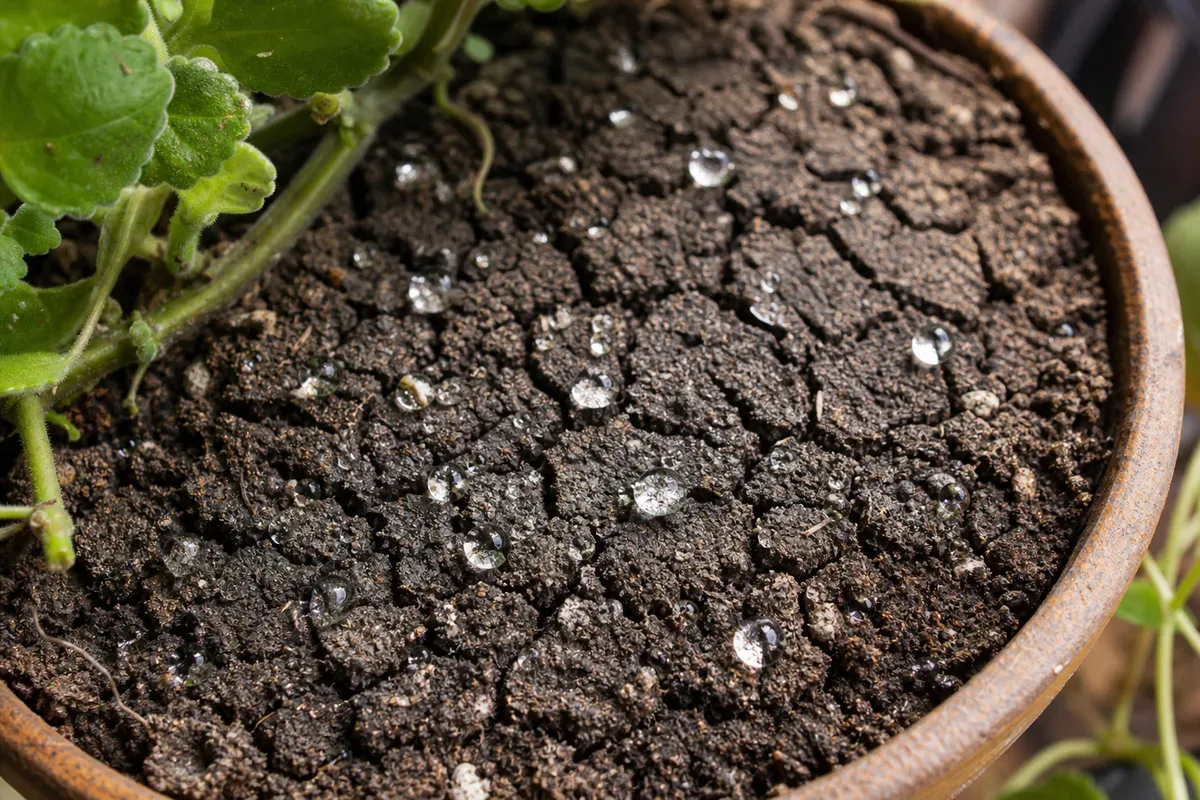
Image source: Bing (Web (fair-use with source credit))
People reach for baby shampoo because it is gentle. It usually has a near neutral pH around 5.5 to 7.0. Turfgrass prefers this range over harsh alkaline detergents.
Mild cleansing agents like sodium trideceth sulfate do the job without stripping everything bare.
But gentle on human skin does not mean safe for soil biology. You have to check the exact ingredients before spraying anything on your yard. We will cover those specific risks shortly.
The Decision Tree: Should You Use Baby Shampoo on Your Grass?
Not every dry patch needs soap. Using a surfactant on the wrong soil type actually causes more harm than good. Follow these conditions to decide if this trick fits your yard.
Is your soil sandy or clay heavy?
If you have sandy soil, skip the shampoo entirely. Sand already drains too fast. Adding a surfactant pushes water past the root zone before the grass can drink it.
You end up washing nutrients away.
If you have heavy clay soil, this method works well. Clay resists initial water penetration but holds moisture once wetted. A mild surfactant breaks that first barrier.
It helps water enter the tight clay structure evenly.
Is water pooling or running off?
Watch what happens during your next rainstorm or irrigation cycle. If water sits on top or runs down the street, you have a surface tension issue. Baby shampoo can fix that temporary barrier.
If the soil absorbs water fine but the grass stays yellow, put the soap away. You likely have a nutrient deficiency or a fungal disease. Surfactants only move water.
They do not feed the plant.
What is inside your shampoo bottle?
Read the back label carefully. If the formula contains mineral oil, dimethicone, or heavy moisturizers, do not use it outside. These ingredients coat grass blades and clog soil pores.
They block oxygen from reaching the roots.
Look for a simple, clear formula. You want basic cleansing agents without added lotions or silicones. Clear washes are almost always safer for turf than thick, creamy opaque shampoos.
Are you running an organic lawn program?
If you rely on compost teas or mycorrhizal fungi, proceed with extreme caution. Even mild detergents disrupt fungal networks. Spot test a small hidden area first and wait three days to watch for stress.
For standard conventional lawn care, you have more room to experiment. Just stick to the recommended dilution rates we cover next.
How to Apply Baby Shampoo as a Soil Penetrant Without Burning Your Turf
If your soil passes the checks above, you can mix up a batch. Keep the dose incredibly low. We are looking for just enough to break surface tension, not enough to create suds.
Here is the exact workflow our research supports for safe application.
- Mix the concentrate. Add 2 to 3 ounces of clear baby shampoo to one gallon of water. Stir it gently so you do not build up excess foam.
- Load the sprayer. Pour that mixture into a hose end sprayer. Fill the rest of the jar with plain water.
- Spray the lawn. Cover about 1,000 square feet with a light misting. Do not soak the grass until bubbles form.
- Rinse immediately. Turn off the sprayer attachment. Run your normal sprinkler or hose for 15 to 20 minutes right away.
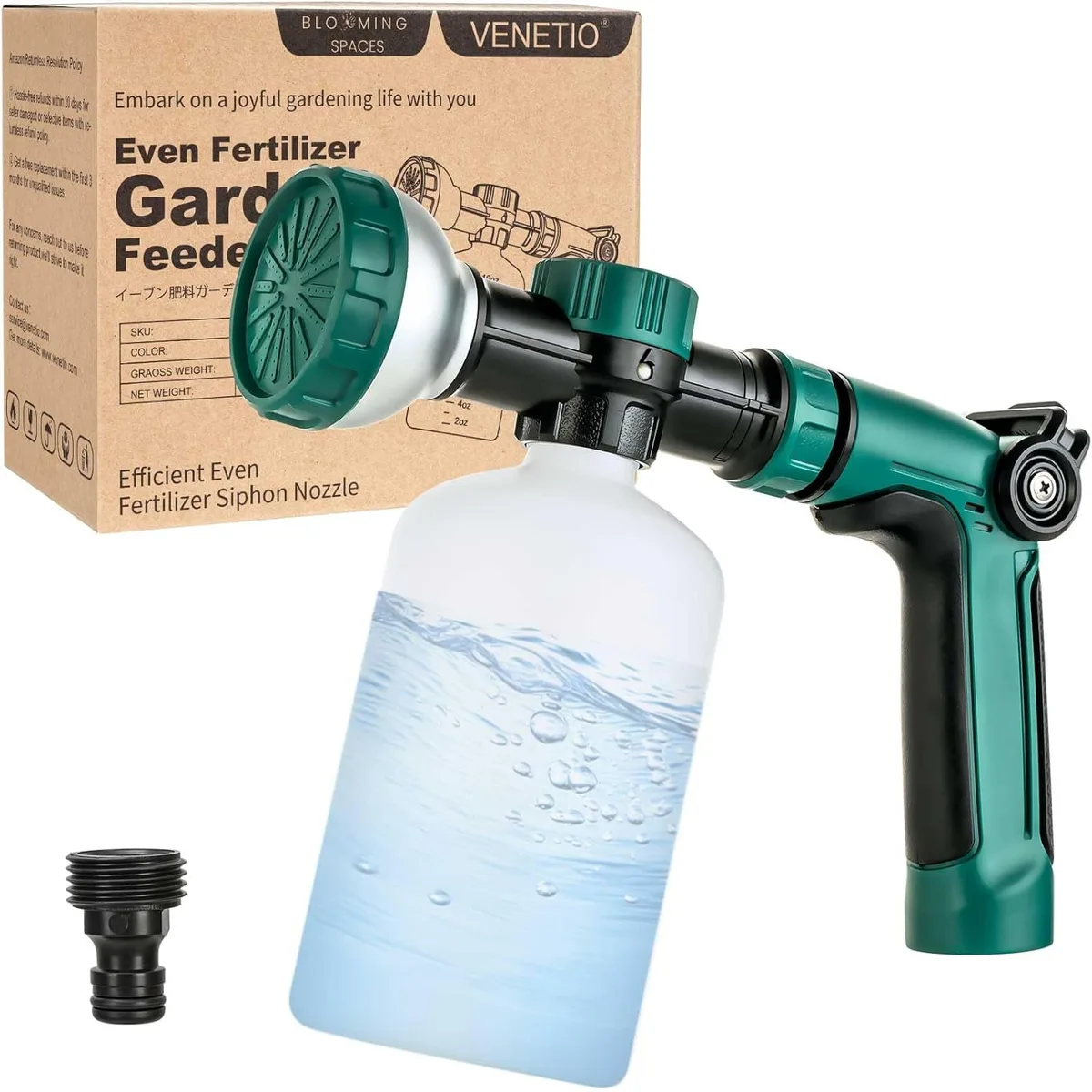
Image source: Bing (Web (fair-use with source credit))
That final rinsing step is non negotiable. It pushes the surfactant down into the soil profile where it belongs. It also washes any sticky residue off the grass blades so they can breathe.
Always spray early in the morning or late in the afternoon. Never apply surfactants during midday heat. The sun bakes the moisture out too fast and stresses the turf.
| Application Step | Target Metric | Purpose |
|---|---|---|
| Shampoo Amount | 2 to 3 ounces | Breaks surface tension safely |
| Coverage Area | 1,000 square feet | Prevents over application |
| Rinse Duration | 15 to 20 minutes | Pushes soap into soil |
| Best Timing | Early morning | Avoids UV turf burn |
You only need to do this when water stops penetrating. Do not put it on a weekly maintenance schedule. Overuse strips beneficial biology from the dirt.
University turfgrass extension programs consistently recommend addressing underlying compaction rather than relying solely on chemical penetrants. Treat this as a temporary bridge while you plan long term fixes.
Baby Shampoo vs. Yucca Extract and Synthetic Wetting Agents
DIY hacks are great for quick fixes. But it helps to know how baby shampoo stacks up against purpose built tools. As of 2026, turf managers have several options for breaking soil hydrophobicity.
We compared the three most common approaches homeowners use today.
| Feature | Baby Shampoo | Yucca Extract | Synthetic Wetting Agent |
|---|---|---|---|
| Primary Goal | Clean skin gently | Break soil water tension | Cure severe hydrophobia |
| Added Oils | Often yes | No | No |
| Microbe Impact | Can disrupt fungi | Feeds soil biology | Harsh if overused |
| Cost | Very cheap | Moderate | Higher |
| Consistency | Varies by brand | Standardized | Standardized |
Baby shampoo wins on upfront cost and convenience. You probably have a bottle sitting in your bathroom right now. It works fine for a one time rescue on a localized dry spot.
Yucca extract is the better choice for regular use. It is a natural agricultural surfactant. It breaks water tension without leaving behind petroleum based residues.
It actually feeds beneficial microbes as it breaks down.
Synthetic wetting agents use block copolymers designed specifically for turf. Professionals use these on golf courses and sports fields. They last longer in the soil and provide highly predictable results.
If you find yourself reaching for the baby shampoo bottle every single month, upgrade your approach. Switch to a yucca based product. It protects your soil biology while solving the exact same drainage problem.
Manufacturer specifications for commercial soil penetrants confirm that non ionic surfactants perform best in turf environments. Baby shampoo often contains anionic detergents, which work differently and can interact poorly with certain fertilizers. Keep that chemistry in mind if your lawn is already heavily treated.
Mistakes That Kill Grass: Silicones, Oils, and Soil Biology
Silicones and heavy oils are the main reasons DIY surfactant applications fail. If your shampoo contains dimethicone or mineral oil, it will coat the grass blades. That coating blocks the stomata, which are the tiny pores turf uses to breathe and release moisture.
Roots suffocate just as fast. Those same conditioning agents leave a waxy film inside the soil profile. Water eventually stops penetrating entirely because you created an artificial barrier.
You end up with worse hydrophobic soil than when you started.
Then there is the invisible damage happening underground. Your lawn relies on earthworms and mycorrhizal fungi to build structure naturally. Detergents strip the protective mucous layers right off earthworm skin.
Beneficial bacteria populations crash when exposed to concentrated soap. Aggregate reviews from organic turf managers consistently report fungal die offs after heavy surfactant use. Without those microbes breaking down thatch, your lawn gets spongy and prone to disease.
Applying too much product causes direct phytotoxicity. This is basically a chemical burn on your turfgrass. Stick strictly to the 2 to 3 ounce per 1,000 square feet ratio we covered earlier.
Never spray during peak afternoon heat. UV radiation combined with soapy residue scorches leaf tissue rapidly. Early morning application gives the grass time to dry before the sun gets intense.
If you notice brown patches forming two days after spraying, you likely overdosed the area. Flush that spot immediately with 30 minutes of clean water. Dilution is your only fix once the damage starts showing.
Frequently Asked Questions
Does baby shampoo kill grass?
Clear baby shampoo applied at low rates will not kill healthy turf. Creamy formulas containing silicones or mineral oil can smother grass roots over time. Always dilute 2 to 3 ounces per gallon of water.
Rinse the lawn thoroughly for 15 minutes immediately after spraying.
How often should I apply soap to my lawn?
Only apply a surfactant when water actively pools or runs off compacted areas. Do not put this on a weekly maintenance schedule. Repeated applications strip beneficial soil biology and earthworms.
Fix the underlying compaction with core aeration instead of relying on soap.
Can I use dish soap instead of baby shampoo?
Dish soaps contain harsh degreasers designed to strip baked grease off pans. They destroy plant cell walls and kill soil microbes very quickly. Baby wash has a near neutral pH around 6.0.
It is significantly safer for turfgrass if you absolutely must use a household product.
Will this trick fix dead brown patches?
Soap only fixes localized dry spots caused by water repelling off hard soil. If your grass is brown due to grub damage, fungus, or lack of nitrogen, surfactants will not help. Test your soil first to identify the actual problem.
Treat the specific disease or nutrient deficiency directly.
Is using soap safe for pets walking on the grass?
Keep dogs and cats off the treated area until you finish the follow up watering cycle. The 15 to 20 minute rinse removes surface residue from the grass blades. Once the lawn dries completely after rinsing, normal pet activity is generally safe.
Avoid letting animals drink from puddles immediately after application.

Similar Posts