How to Use Epsom Salts for Bigger, Healthier Squash Plants
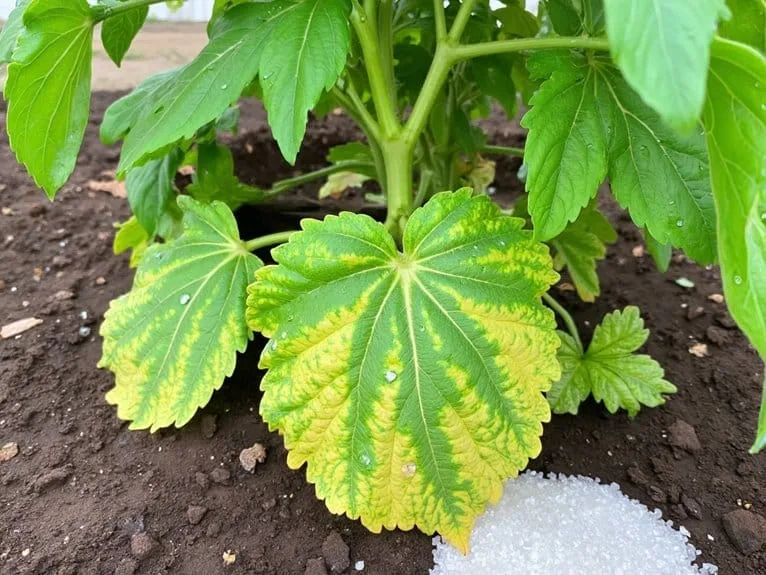
Image source: Bing (Web (fair-use with source credit))
Epsom salts for squash plants only help if your soil lacks magnesium or shows specific deficiency signs. Adding them blindly can actually harm your crop by blocking calcium uptake. Most gardeners use this amendment without testing first, which leads to wasted effort and potential plant stress.
University extension soil labs report optimal magnesium base saturation sits between 10% and 15% as of 2026. Anything above that range risks nutrient antagonism that stunts fruit development. We will walk through the exact diagnostic steps to confirm if your squash truly needs this supplement.
Quick Answer
Epsom salts for squash plants treat confirmed magnesium deficiency only. Apply one tablespoon per gallon as a foliar spray. Soil application requires a prior soil test confirming low magnesium levels.
Never use it preventatively on healthy squash vines. Excess magnesium blocks calcium and causes blossom end rot.
Do Your Squash Plants Actually Need Epsom Salt? The Diagnostic Checklist
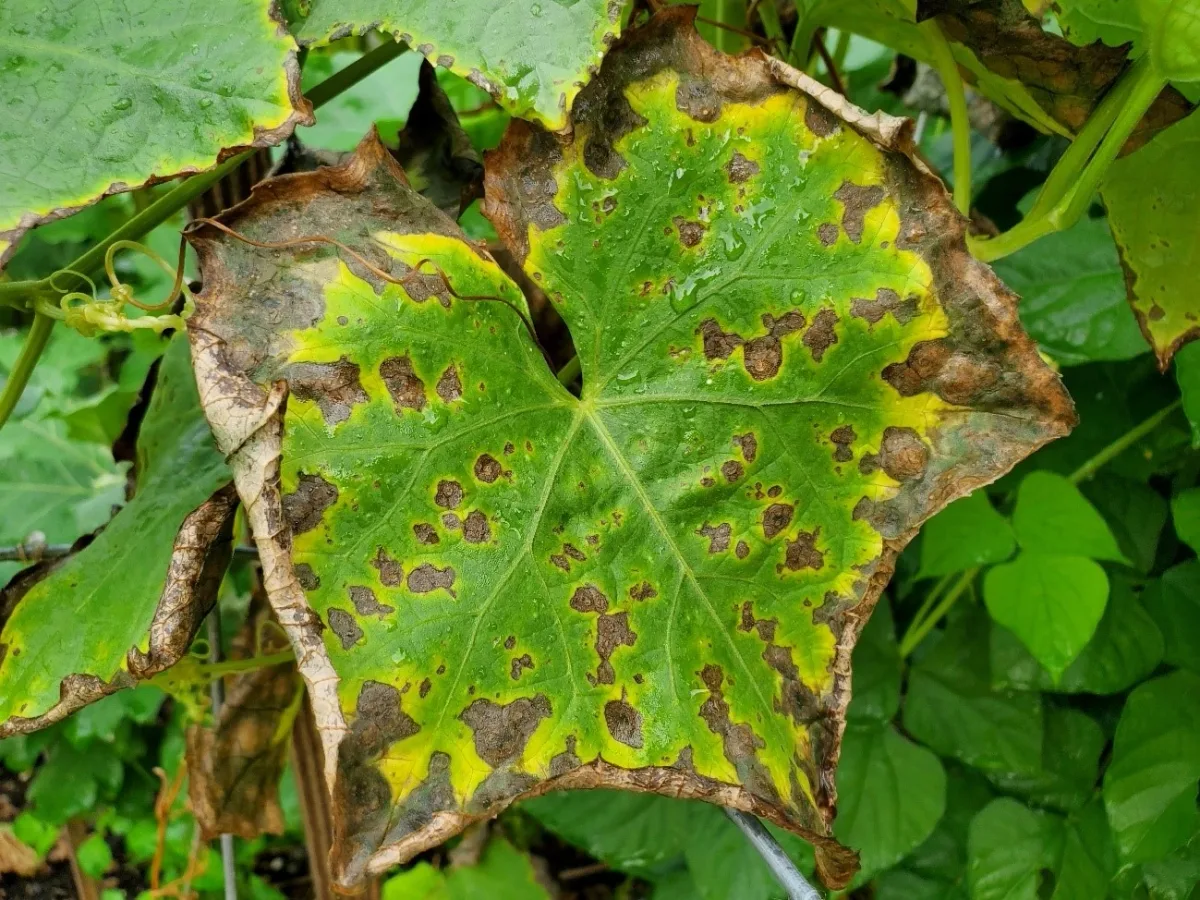
Image source: Web (Bing) / atami.com (Web image (fair-use with source credit))
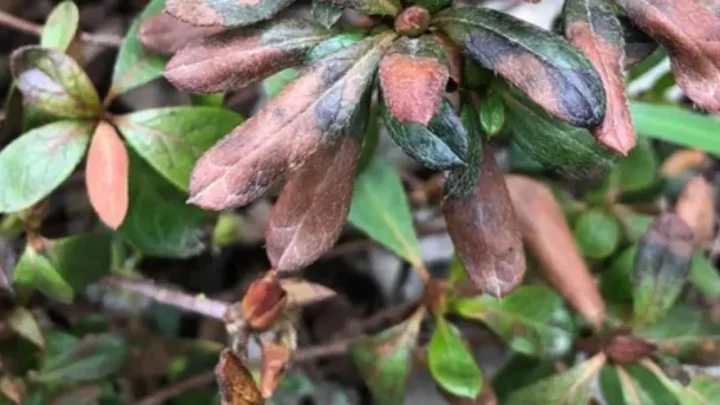
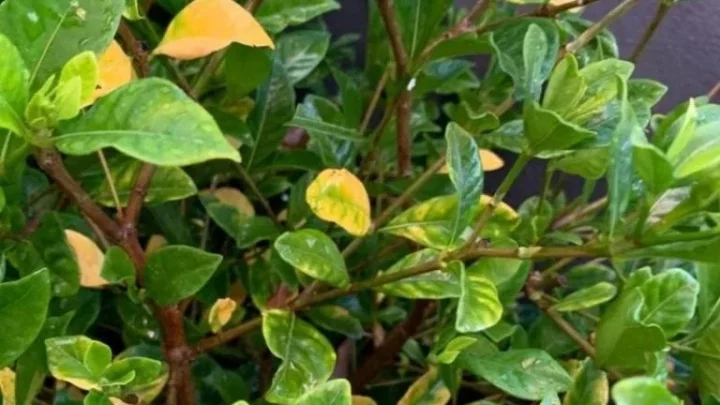
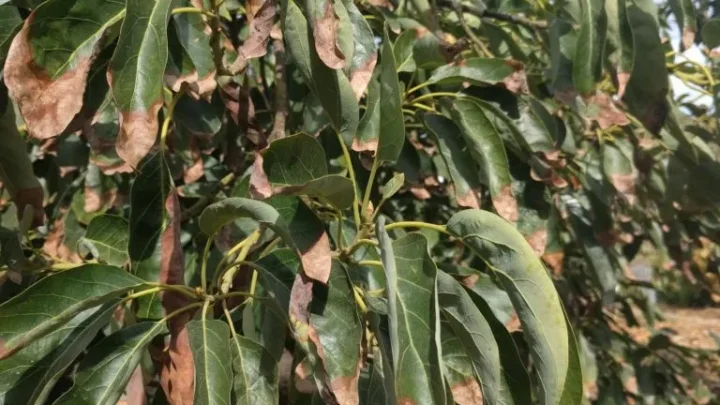
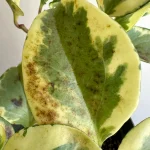
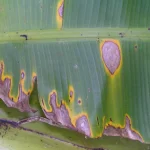
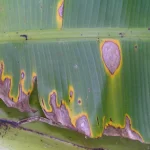
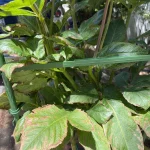
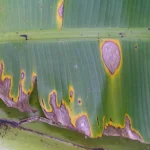
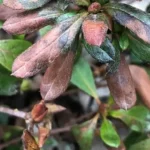
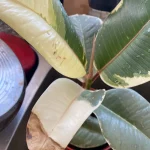
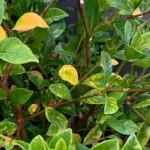
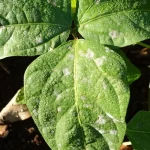
You should only apply Epsom salt after confirming visual symptoms match lab data. Magnesium is a mobile nutrient, so deficiency always appears on older leaves first. New growth stays green while lower foliage turns yellow between the veins.
This interveinal chlorosis is the primary visual indicator.
If your entire leaf turns yellow uniformly, you likely have a nitrogen problem instead. Nitrogen deficiency affects old leaves too but lacks the distinct green vein pattern. Brown crispy edges usually signal potassium shortage or drought stress rather than magnesium lack.
Misdiagnosis here is the most common reason treatments fail.
Check Your Soil Test Numbers First
Visual symptoms alone are not enough to justify application. High potassium soils often lock out magnesium even when tissue levels appear adequate. A standard soil test revealing base saturation below 10% confirms true deficiency.
Values above 15% mean you should avoid Epsom salt entirely.
Soil pH also dictates magnesium availability to cucurbits. Acidic soils below 5.5 reduce uptake efficiency significantly. Alkaline soils above 7.5 can cause similar lockout issues despite high total magnesium.
Adjusting pH often fixes the problem without adding more salts.
Rule Out Environmental Stress Factors
Cold wet soil in early summer mimics magnesium deficiency perfectly. Roots simply cannot absorb nutrients when soil temperatures stay below 60°F. Wait for warmer weather before assuming your plants need supplementation.
Transplant shock also causes temporary yellowing that resolves on its own.
Overwatering creates identical symptoms by suffocating root systems. Soggy soil prevents oxygen exchange needed for nutrient transport. Check moisture levels two inches down before reaching for the fertilizer.
Fix drainage issues before attempting any chemical correction.
How Magnesium Works in Squash (And When It Backfires)
Magnesium serves as the central atom in every chlorophyll molecule your squash produces. Without it, photosynthesis slows dramatically and fruit set drops. The plant cannibalizes older leaves to support new growth and developing seeds.
This natural mobility makes lower leaf yellowing a reliable warning sign.
Sulfur from Epsom salt supports enzyme activation and protein synthesis. It helps form amino acids essential for vine structure and disease resistance. Both nutrients work together to maintain metabolic balance during heavy fruiting.
Deficiency in either element limits yield potential regardless of other inputs.
The Calcium Antagonism Risk
Adding magnesium to balanced soil triggers competitive ion exchange at root surfaces. Calcium and magnesium share identical uptake pathways in cucurbits. Excess magnesium wins this competition and starves the plant of calcium.
Blossom end rot develops rapidly under these imbalanced conditions.
This risk is highest in container gardens with limited buffering capacity. Potting mixes lack the cation exchange capacity of field soils. Even small overapplications can shift ratios dangerously fast.
Always verify calcium levels before treating suspected magnesium issues.
When Sulfur Becomes the Real Problem
Most gardeners focus on magnesium but ignore the sulfur component. Epsom salt contains roughly 13% elemental sulfur by weight. Repeated applications accumulate sulfate ions in poorly drained soils.
High sulfur levels acidify the rhizosphere and mobilize toxic aluminum.
Sandy soils leach both nutrients quickly, requiring frequent reapplication. Clay soils hold sulfates tightly, creating long-term buildup risks. Understanding your soil texture determines safe application frequency.
Ignoring this variable turns a helpful remedy into a slow poison.
Step-by-Step Application Guide: Foliar Spray vs. Soil Drench
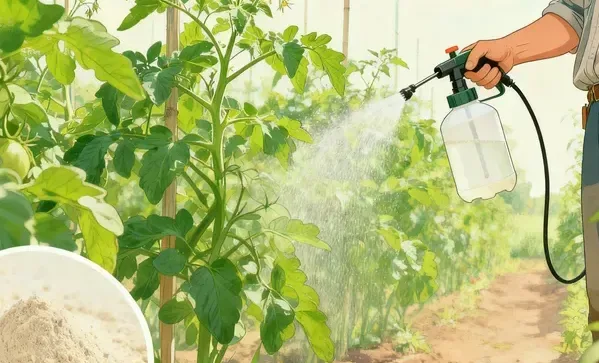
Image source: Bing (Web (fair-use with source credit))
Foliar feeding delivers magnesium directly to deficient leaves within days. Mix one tablespoon of Epsom salt per gallon of water. Spray early morning or late evening to prevent leaf burn.
Target undersides of affected leaves where stomata concentrate. Repeat every ten days until symptoms resolve.
Soil drenches work slower but provide longer-lasting correction. Dissolve one cup per hundred square feet in watering cans. Apply to moist soil to prevent root shock and ensure even distribution.
Water deeply afterward to move nutrients into the active root zone. Limit soil applications to once per growing season unless tests indicate severe depletion.
Mixing and Safety Protocols
Always dissolve crystals completely before spraying to avoid nozzle clogs. Warm water speeds dissolution without degrading nutrient availability. Strain solutions through cheesecloth when using agricultural grade products.
Food grade USP material dissolves cleaner and reduces burn risk.
Wear gloves and eye protection during mixing and application. Magnesium sulfate is a mild irritant to skin and mucous membranes. Rinse sprayers thoroughly after use to prevent corrosion.
Store remaining powder in sealed containers away from moisture. Hygroscopic salts clump rapidly when exposed to humid air.
Timing Applications for Maximum Uptake
Cool cloudy weather favors foliar absorption over sunny hot days. Stomata close during midday heat to conserve water. Spraying at noon wastes product and increases phytotoxicity risk.
Evening applications allow overnight uptake before evaporation resumes.
Avoid applying during bloom periods when bees are active. While Epsom salt is generally bee-safe, wet flowers deter pollinators. Schedule treatments for early morning before foraging begins.
Protect beneficial insects by keeping sprays targeted to foliage. Pollination success matters more than marginal nutrient gains.
| Method | Rate | Response Time | Best For |
|---|---|---|---|
| Foliar Spray | 1 tbsp/gal | 7 to 14 days | Acute deficiency rescue |
| Soil Drench | 1 cup/100 sq ft | 3 to 6 weeks | Seasonal maintenance |
| Side Dress | 1 tsp/plant | 4 to 8 weeks | Container gardens |
Common Mistakes That Hurt Squash More Than Help
Treating blossom end rot with Epsom salt is the single worst error. BER stems from calcium transport failure, not magnesium shortage. Adding more magnesium worsens the underlying imbalance immediately.
Gypsum or calcium nitrate addresses the actual cause safely. Stop all magnesium inputs if BER symptoms appear.
Using table salt or rock salt instead of Epsom salt kills plants. Sodium chloride has no nutritional value for cucurbits. It destroys soil structure and causes rapid dehydration.
Verify your product label says magnesium sulfate heptahydrate specifically. Generic "bath salts" often contain harmful additives or fragrances.
Overapplication and Frequency Errors
Gardeners frequently double recommended rates hoping for faster results. Concentrated solutions burn leaf margins and stunt growth. Stick to measured doses regardless of symptom severity.
Recovery takes time even with perfect treatment protocols. Patience prevents irreversible salt damage.
Weekly soil applications guarantee toxicity in most home gardens. Magnesium accumulates faster than plants can utilize it. Monthly intervals are maximum frequency for confirmed deficiencies.
Cease applications once new growth emerges healthy. Continuous monitoring beats calendar-based scheduling every time.
Ignoring Root Zone Conditions
Applying to bone-dry soil causes immediate osmotic shock. Roots desiccate when salt concentration spikes suddenly. Pre-moisten beds thoroughly before any soil drench treatment.
Maintain consistent moisture during recovery periods. Dry-wet cycles stress plants more than the deficiency itself.
Compacted soil prevents nutrient movement to feeder roots. Surface applications sit uselessly atop hardpan layers. Aerating before treatment improves penetration significantly.
Mulching maintains moisture and moderates soil temperature. Physical soil health determines chemical amendment effectiveness.
Better Alternatives When Epsom Salt Isn’t the Right Fix
Dolomitic limestone supplies magnesium while raising acidic soil pH. It releases nutrients slowly over months rather than days. Ideal for fall preparation of next year's squash beds.
Avoid on alkaline soils where pH already exceeds 7.0. This dual-action amendment corrects multiple problems simultaneously.
Langbeinite provides balanced potassium, magnesium, and sulfur without altering pH. Its natural mineral form resists leaching better than synthetic salts. Perfect for soils testing low in both K and Mg.
Does not compete with calcium like pure magnesium sources. Organic certifiers accept it as a naturally mined input.
Compost and Biological Solutions
Quality compost delivers trace magnesium alongside microbial inoculants. Biology improves nutrient cycling and root access efficiency. Regular topdressing builds long-term resilience against deficiencies.
Fresh manure adds magnesium but requires aging to avoid burns. Biological approaches fix systemic issues rather than masking symptoms.
Cover cropping with legumes enhances overall soil fertility profiles. Deep-rooted species mine subsoil magnesium and deposit it topically. Decomposing biomass releases nutrients in plant-available forms.
This regenerative strategy eliminates recurring deficiency cycles. Prevention through ecosystem management outperforms reactive chemical fixes.
Chelated Options for Stubborn Cases
Chelated magnesium remains available across wider pH ranges. EDTA complexes protect ions from soil fixation reactions. Foliar chelates penetrate leaf cuticles faster than raw salts.
Expensive but justified when standard treatments fail repeatedly. Reserve premium products for verified persistent deficiencies.
Liquid seaweed extracts contain trace magnesium plus growth hormones. They stimulate root development and stress tolerance simultaneously. Lower nutrient concentration reduces overdose risks significantly.
Excellent companion to targeted mineral amendments. Holistic nutrition supports recovery better than isolated elements alone.
Frequently Asked Questions About Epsom Salt and Squash
Can I put Epsom salt directly on squash soil?
You can apply it to soil only after a test confirms magnesium deficiency. Dissolve one cup per hundred square feet in water first. Dry crystals sitting on the surface risk root burn and uneven distribution.
Always water deeply immediately after application to move nutrients into the root zone safely.
Does Epsom salt prevent blossom end rot in squash?
No, Epsom salt actually worsens blossom end rot by blocking calcium uptake. This condition stems from calcium transport failure, not magnesium shortage. Use gypsum or consistent watering to address BER instead.
Adding magnesium to affected plants accelerates fruit damage rather than preventing it.
How often should I apply Epsom salt to squash?
Limit soil applications to once per season unless testing shows severe depletion. Foliar sprays can repeat every ten days until symptoms resolve. Overapplication causes nutrient lockout and salt accumulation in the root zone.
Monitor new growth closely and stop treatment once healthy leaves emerge.
Is Epsom salt safe for organic squash gardening?
Pure magnesium sulfate is generally accepted for organic production when OMRI listed. Verify your product lacks synthetic additives or anti-caking agents. Many certifiers require documentation proving natural sourcing.
Check with your specific certification body before large-scale application to ensure compliance with current standards.
What does magnesium deficiency look like on squash leaves?
Deficiency appears as yellowing between veins on older lower leaves first. Veins themselves remain distinctly green while surrounding tissue pales. New growth stays unaffected because magnesium moves to support developing fruit.
Uniform yellowing or browning edges usually indicate different nutrient problems entirely.

Similar Posts