What Is Eating My Clematis Blooms? Identify the Culprits
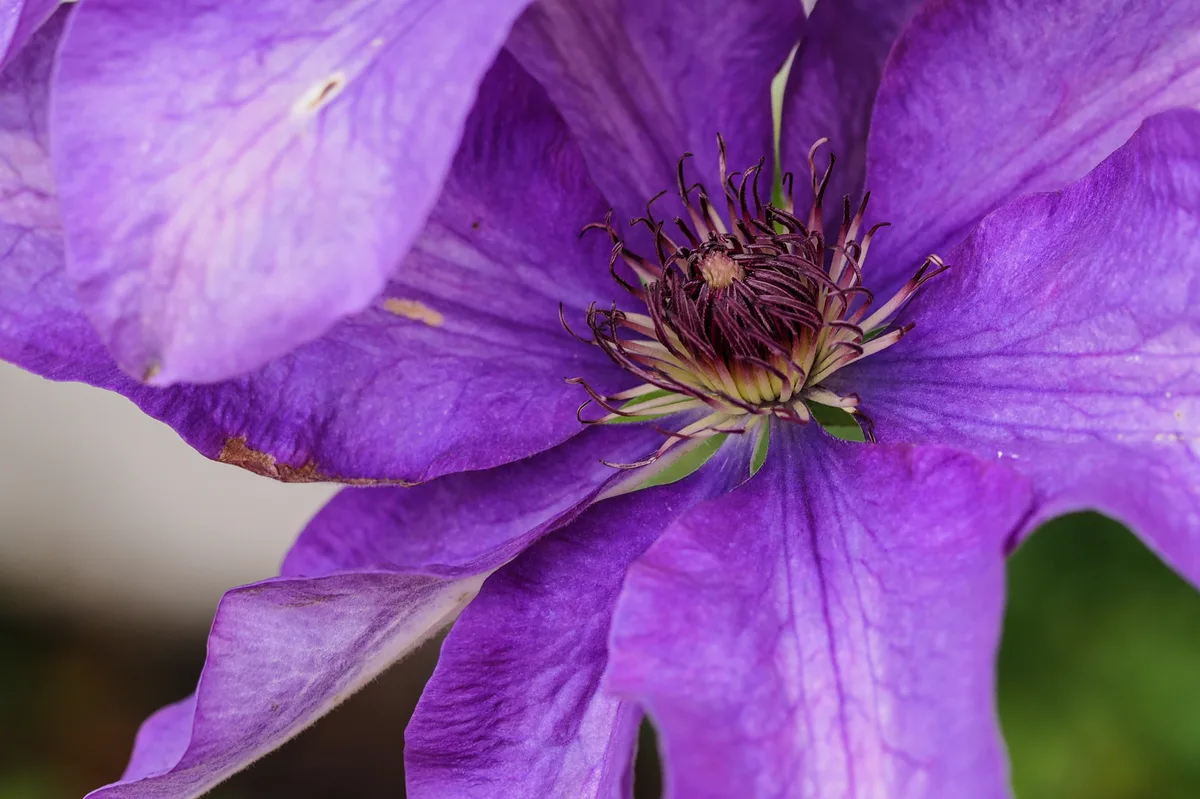
If you are asking what is eating my clematis blooms, you are not alone. Something chewed through your flowers overnight, and you need answers fast. The culprit usually leaves very specific clues behind.
You just have to know where to look.
Our research into garden pest behavior shows that accurate identification saves both time and money. Per university extension entomology programs, matching the bite pattern to the pest prevents unnecessary chemical use. As of 2026, targeted diagnosis remains the gold standard for protecting ornamental vines.
Let us figure out exactly what is ruining your flowers.
Image source: Bing (Web (fair-use with source credit))
Quick Answer
Slugs, earwigs, deer, and caterpillars eat clematis blooms. Slugs leave smooth holes and slime trails. Earwigs create ragged edges at night.
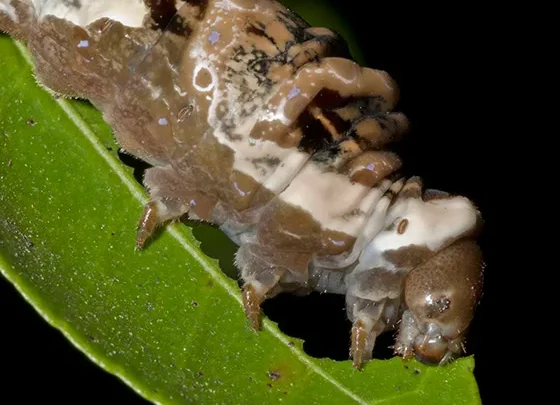
Deer tear off entire upper flowers. Caterpillars chew irregular holes during the day.
Your Clematis Blooms Are Gone: How to Read the Damage
You walk out in the morning ready to enjoy those massive clematis flowers. Instead, they look like something took a hole punch to them. It is maddening.
But before you grab a spray bottle, you need to inspect the plant closely.
Clematis blooms attract half the garden. You cannot fix the problem until you identify the exact pest. The way the bloom was eaten tells you almost everything.
We will break down the most common damage patterns right now.
Smooth Scoops Mean Slugs or Snails
If the petals have large, smooth scoops taken out of them, slugs or snails are your prime suspects. They use a rasping mouthpart that leaves very distinct craters. The edges will never look jagged.
You will often see silver slime trails on the stems or surrounding soil. Shine a flashlight on the vine after dark to spot them. These pests thrive in damp microclimates and do their worst work overnight.
Ragged Edges Point to Earwigs
Ragged holes chewed straight through the petals usually mean earwigs. Specifically, the European earwig loves hiding inside the folds of damaged flowers. They eat irregularly and do not care about neatness.
If you gently pull apart a ruined bloom during the day, you might find them hiding inside. They are nocturnal feeders. Daytime inspections often reveal nothing but the messy damage they left behind hours earlier.
Clean Cuts Signal Rabbits or Cutworms
Entire buds snipped off cleanly point to two very different culprits. If the cut is at a sharp 45 degree angle near the ground, rabbits did it. Their incisors leave a very precise slice.
If the stem is severed right at the soil line, look for cutworms. These fat gray larvae curl up in the top inch of dirt during the day. Digging gently around the base usually reveals them.
Rough Tears Mean Deer Browsing
Deer do not nibble politely. They grab a mouthful and pull, leaving rough, torn stems behind. If the lower three feet of your clematis is fine but the top is stripped bare, deer stood on their hind legs to reach it.
You will also notice large, bean shaped droppings scattered around the base of the trellis. Deer browsing happens mostly at dawn, dusk, or overnight. They target tender new buds first.
Skeletonized Petals Belong to Japanese Beetles
If the petals look shredded or reduced to lace, Japanese beetles are feeding. They eat the tissue between the veins. This leaves a skeletonized appearance that is impossible to mistake for anything else.
Unlike the nocturnal pests we mentioned, these metallic green bugs work during the day. You will usually see them clustered on the flowers in the afternoon heat. Handpicking is the most effective immediate response.
The Diagnostic Workflow: Matching Bite Marks, Timing, and Clues to the Pest
Guessing which bug ate your flowers leads to wasted effort. You need a structured workflow to narrow down the suspect list. This diagnostic process relies on three variables: the bite mark, the time of damage, and physical evidence.
If you follow this sequence, you will stop treating the wrong pest. Start with the visual damage. Then check the clock.
Finally, hunt for the proof.
Step 1: Classify the Bite Mark
Look at the remaining petals and severed stems. Match what you see to the specific feeding mechanics of local pests.
- Smooth crater edges indicate mollusk rasping.
- Jagged, irregular holes indicate insect mandibles.
- Angled slices indicate mammalian incisors.
- Severed bases indicate larval chewing.
This single step eliminates half the suspects immediately. Do not skip it.
Step 2: Check the Clock
When did the damage happen? That splits our suspect list wide open. Time of feeding is a hard biological constraint for these pests.
- Damage appearing overnight points to slugs, snails, earwigs, cutworms, or deer.
- Damage happening during the day points to caterpillars, Japanese beetles, or aphids.
If you go to bed with perfect blooms and wake up to a disaster, ignore daytime feeders entirely. Focus your energy on the night shift.
Step 3: Hunt for Physical Evidence
Now that you know what kind of damage to look for, find the proof. Pests rarely vanish without leaving a trace.
- Slime trails confirm gastropods.
- Black frass pellets under leaves confirm caterpillars.
- Curled gray larvae in the soil confirm cutworms.
- Bugs hiding inside petal folds confirm earwigs.
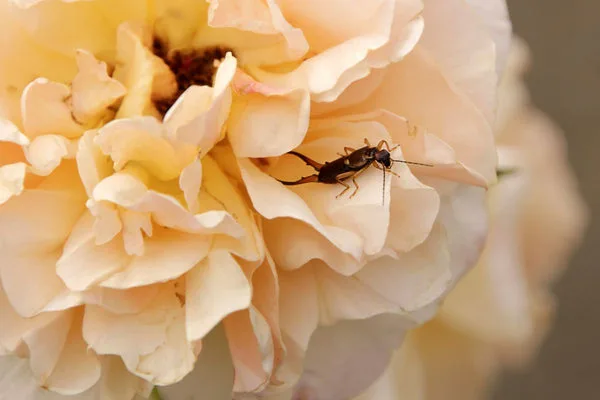
Image source: Bing (Web (fair-use with source credit))
Go out around 10 PM with a headlamp for the best results. Nocturnal scouting yields definitive identification rather than guesswork. You will catch them actively feeding.
Diagnostic Decision Table
Use this table to finalize your diagnosis based on the three variables we just covered.
| Visual Damage | Time of Attack | Physical Evidence Found | Confirmed Pest |
|---|---|---|---|
| Smooth scooped holes | Night | Silver slime trails | Slugs or Snails |
| Ragged petal edges | Night | Bugs inside flower folds | Earwigs |
| 45 degree angled cuts | Dusk or Dawn | Clean low cuts only | Rabbits |
| Stems cut at soil line | Night | Curled gray larvae in dirt | Cutworms |
| Upper blooms torn off | Night | Bean shaped droppings | Deer |
| Lacy skeletonized petals | Midday | Metallic green bugs visible | Japanese Beetles |
| Irregular chewed holes | Day | Black pellet droppings | Caterpillars |
The Treatment Decision Tree: Targeted Fixes for Slugs, Earwigs, Deer, and Caterpillars
Once you have identified the exact pest using the workflow above, apply the matching treatment. Do not use broad spectrum insecticides. They kill the parasitic wasps and ground beetles that naturally hunt your actual problem.
Targeted fixes protect your clematis without destroying the local ecosystem. Here is exactly how to handle each confirmed pest.
If the Pest is Slugs or Snails
Iron phosphate slug bait is the safest and most effective option. It stops gastropod feeding quickly without harming pets or wildlife. Scatter it around the base of the vine according to the package rates.
You can also wrap copper tape around the main stem or trellis base. Gastropods receive a mild electrical shock when their slime contacts copper. Pull any organic mulch back at least 2 to 3 inches from the woody stem.
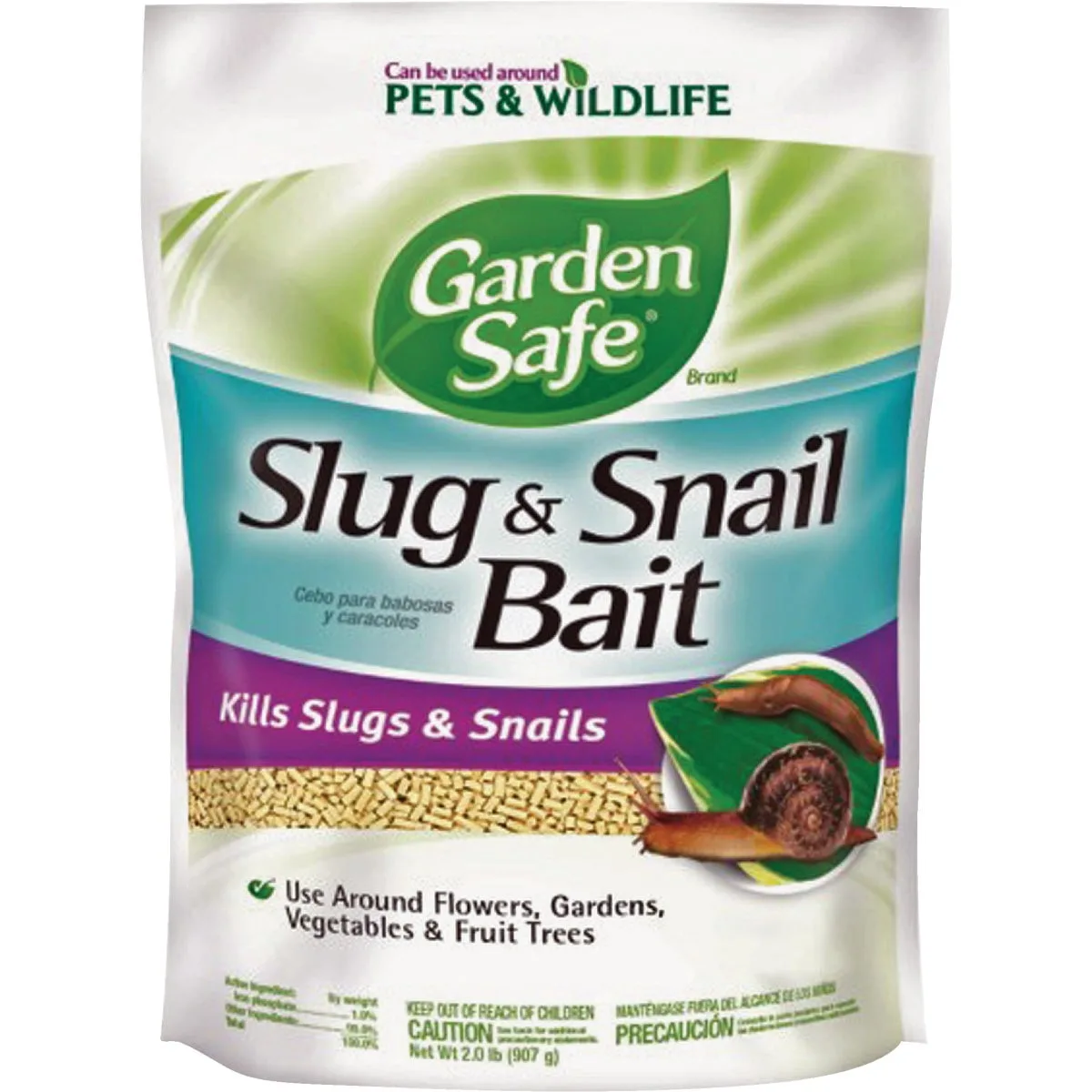
Image source: Bing (Web (fair-use with source credit))
Wet mulch piled against the stem creates a luxury hotel for slugs. Giving the base some airflow dries out their preferred habitat.
If the Pest is Earwigs
Earwigs hate being exposed during the day. Roll up damp newspaper or corrugated cardboard and leave it near the base of the plant at dusk. They will crawl inside to hide before morning.
In the morning, pick up the traps. Shake the captured earwigs directly into a bucket of soapy water. The soap breaks the surface tension and drowns them instantly.
Repeat this every night until the damage stops.
If the Pest is Deer or Rabbits
Physical barriers are the only reliable method for mammals. Liquid scent repellents wash off in the rain and require constant reapplication. For rabbits, install a chicken wire cloche around the base of the plant.
Bury the bottom edge of the wire one inch into the soil so they cannot dig under it. For deer, taller fencing is required. Local municipal ordinances sometimes restrict fence heights, so check your rules first.
If fencing is impossible, heavy duty netting draped over the trellis offers temporary protection during peak spring blooming.
If the Pest is Caterpillars or Cutworms
Bacillus thuringiensis, commonly called Bt, is a natural soil bacteria. It targets caterpillars specifically without harming bees or other beneficial insects. Spray it directly on the foliage where caterpillars are feeding.
For cutworms severing stems at the soil line, make cardboard collars. Push the collar one inch down into the dirt and wrap it snugly around the clematis stem. This physical barrier prevents the larvae from reaching the vine.
You can also handpick cutworms. Dig gently in the top inch of soil around the damaged stem during the day. You will find them curled up waiting for nightfall.
Drop them in soapy water.
If the Pest is Japanese Beetles
Avoid pheromone traps entirely. Aggregate user reviews and university data consistently show that traps draw more beetles into your yard than they catch. You end up inviting the whole neighborhood over.
Handpick them in the early morning when temperatures are cool. They are sluggish and drop easily. Hold a container of soapy water under the leaf and tap the beetle.
It falls right in.
Three Mistakes That Make Clematis Pest Problems Worse
Gardeners often panic when their clematis gets destroyed. That panic leads to actions that actually make the problem worse. Avoid these three common errors to keep your vines healthy.
Mistaking Herbivory for Clematis Wilt
Clematis wilt causes sudden collapse and blackening of the entire stem. It is a fungal issue. If just the petals are chewed or missing, something is physically eating them.
Do not cut the whole vine down to the ground thinking it has wilt. Look closely at the damage. Chew marks mean bugs or mammals.
Blackened, collapsed stems mean fungus. Treat accordingly.
Using Broad Spectrum Chemical Sprays
Spraying a heavy chemical insecticide feels like taking action. In reality, you are wiping out the predatory insects that keep pests in check. Ground beetles eat cutworms.
Parasitic wasps lay eggs inside caterpillars.
If you kill those helpers, your next pest outbreak will be much worse. Stick to targeted treatments like Bt or iron phosphate. Leave the beneficial predators alone to do their jobs.
Leaving Mulch Piled Against the Stem
We all love mulch for moisture retention. But piling it thick against the woody base of a clematis vine creates a damp, dark habitat. Slugs, snails, and cutworms breed rapidly in that environment.
Pull the mulch back two or three inches from the main stem. Expose the soil slightly. Let the air circulate.
This simple adjustment removes the shelter pests rely on during the daylight hours.
Frequently Asked Questions
Why are my clematis buds disappearing overnight?
Overnight bud disappearance usually points to slugs, earwigs, or cutworms. Slugs eat the tender bud tissue. Earwigs chew into the folds.
Cutworms sever the stem entirely at the soil line. Inspect the area with a flashlight after 10 PM to confirm.
Do birds eat clematis flowers?
Birds rarely cause systematic damage to clematis blooms. They might peck a flower once while hunting for hidden insects. However, if entire petals are vanishing or stems are being clipped, you are dealing with insects or mammals, not birds.
What is the safest slug bait for clematis?
Iron phosphate slug bait is the safest option as of 2026. It effectively stops slugs and snails from feeding without posing toxicity risks to dogs, cats, or local wildlife. Apply it lightly around the base of the vine per manufacturer instructions.
How do I stop rabbits from cutting my clematis?
Install a chicken wire cloche around the base of the plant. Bury the bottom edge of the wire at least one inch into the soil. This prevents rabbits from digging underneath to reach the tender lower stems and buds.
Will Japanese beetle traps protect my clematis?
No. Pheromone traps actually attract more Japanese beetles into your immediate garden space than they capture. University extension research strongly advises against using them near plants you want to protect.
Handpicking in the early morning works much better.

Similar Posts