Is My Rhododendron Dead? Signs of Life & Recovery Tips
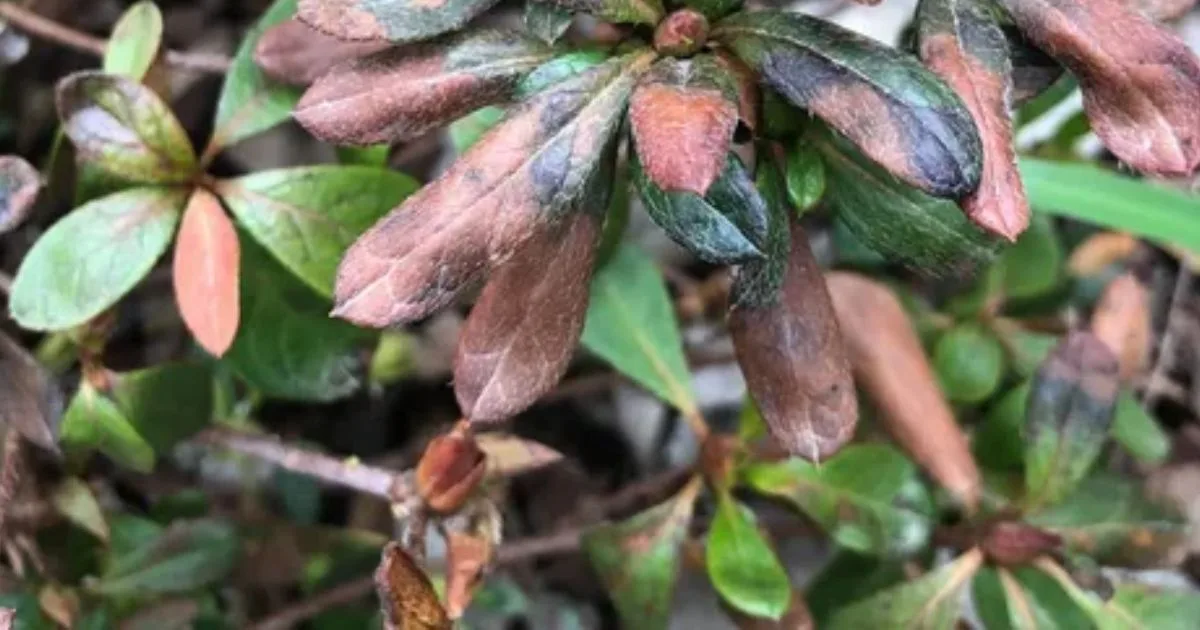
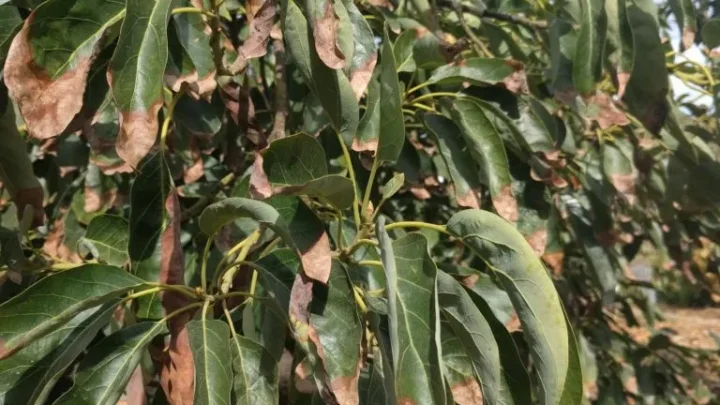
If you are staring at a brown, crispy shrub asking "is my rhododendron dead," put down the shovel. Most broadleaf evergreens look terrible in early spring but still have plenty of life left. Rushing to dig it up is the fastest way to kill a plant that just needed a few more weeks.
Rhododendrons need acidic soil with a pH between 4.5 and 6.0 to keep their shallow roots functioning. When conditions drop outside that range, or when winter hits hard, they shut down visually long before the tissue actually dies. Our research shows most gardeners misdiagnose this stress as total failure.
Let's walk through exactly how to check your plant.
Image source: Bing (Web (fair-use with source credit))
Quick Answer
Your rhododendron is probably not dead yet. Brown leaves often mean winter stress. You must test the stems to know for sure.
Green tissue under the bark means it lives. Wait until late spring before digging it up.
Why Your Rhododendron Probably Isn’t Dead (Yet)
Rhododendrons are dramatic plants. They react to cold, wind, and dry soil by shutting down their visible growth. That reaction looks exactly like death to anyone who hasn't grown them before.
But looking dead and being dead are two very different things.
The cambium layer holds the answer. This thin layer of living tissue sits right beneath the outer bark. It transports water and nutrients from the roots to the leaves.
If the cambium is green, your plant is alive.
Broadleaf evergreens don't drop their foliage in autumn like maples or oaks. They hold onto those leaves all winter. That makes them highly vulnerable to moisture loss when the ground freezes solid.
The roots can't drink, so the leaves dry out and turn brown.
University extension programs consistently report that winter desiccation causes more panic than actual plant death. The roots stay protected underground even when the top growth takes a beating. As of 2026, horticultural advice from sources like Penn State Extension still emphasizes patience over immediate removal.
Give the shrub time to wake up.
Transplant shock mimics death too. If you planted your rhododendron last fall, it might look rough right now. The root system needs months to establish in its new spot.
Until those fine fibrous roots spread out, the top growth will suffer. Don't pull it out just because it looks sad.
The 5-Step Scratch Test Workflow to Diagnose a Dying Rhododendron
You need a clear workflow to figure out what is actually happening. Guessing based on leaf color wastes time and money. Follow these five steps in order to get a real diagnosis.
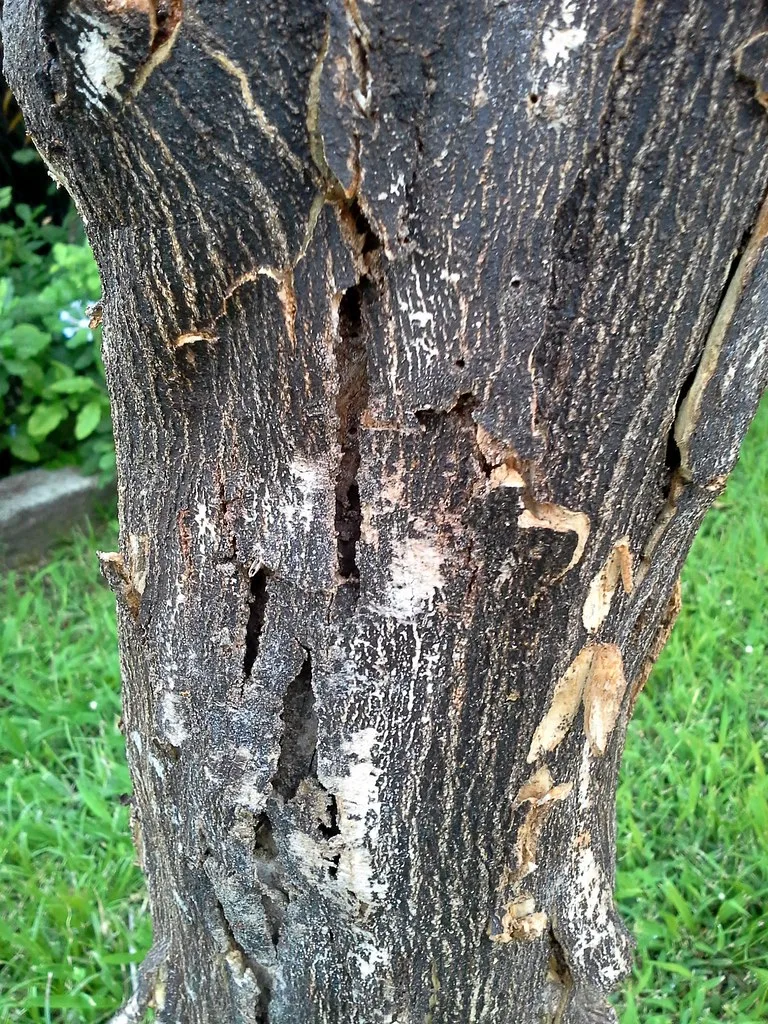
Image source: Bing (Web (fair-use with source credit))
Step 1: Inspect the leaves.
Look closely at the foliage. Leaves rolled up tight like cigars indicate a normal stress response called thermonasty. Flat, brittle, crispy leaves point toward actual tissue damage.
Rolled leaves usually bounce back once temperatures rise.
Step 2: Check the terminal buds.
Find the fat buds at the tips of the branches. Squeeze one gently between your fingers. A firm, plump bud means the plant plans to flower or leaf out.
A hollow, papery bud that crumbles easily is completely dead.
Step 3: Perform the scratch test.
This is the most reliable diagnostic method we have. Use your thumbnail to scrape away a tiny sliver of the outer bark. Go about 1/16th of an inch deep on a stem near the tip.
Look at the color underneath.
Step 4: Test stem flexibility.
Grab a small branch and bend it slightly. Living wood flexes and resists breaking. Dead wood snaps instantly with a sharp crack.
Work your way down the branch if the tip snaps off.
Step 5: Inspect the base and root flare.
Check where the main trunk meets the soil. Look for deep frost cracks, oozing sap, or chewed bark from voles. Damage here cuts off the entire plant above it.
Healthy roots sit in the top 6 to 12 inches of soil.
| Diagnostic Step | Sign of Life | Sign of Death |
|---|---|---|
| Leaf condition | Tightly rolled, leathery | Flat, crispy, falling off |
| Bud check | Firm, plump, intact | Hollow, dry, crumbles |
| Scratch test | Bright green cambium | Brown, dry, woody |
| Stem bend test | Pliable, bends without breaking | Brittle, snaps immediately |
| Root flare | Intact bark, firm base | Deep splits, soft rot, missing bark |
If you find green cambium anywhere on the plant, the roots are likely still working. If every single stem snaps and shows brown tissue all the way to the soil line, the shrub is gone.
Reading the Signs: Winter Leaf Curl vs. Actual Dieback
Telling the difference between winter curl and dieback saves perfectly good plants from the compost pile. People see curled leaves and assume the worst. That assumption costs them hundreds of dollars in replacement shrubs every year.
Winter leaf curl is a survival mechanism. Rhododendrons roll their leaf margins inward to reduce surface area. Less exposed surface means less moisture lost to freezing winds.
It looks alarming, but it is pure biology doing its job.
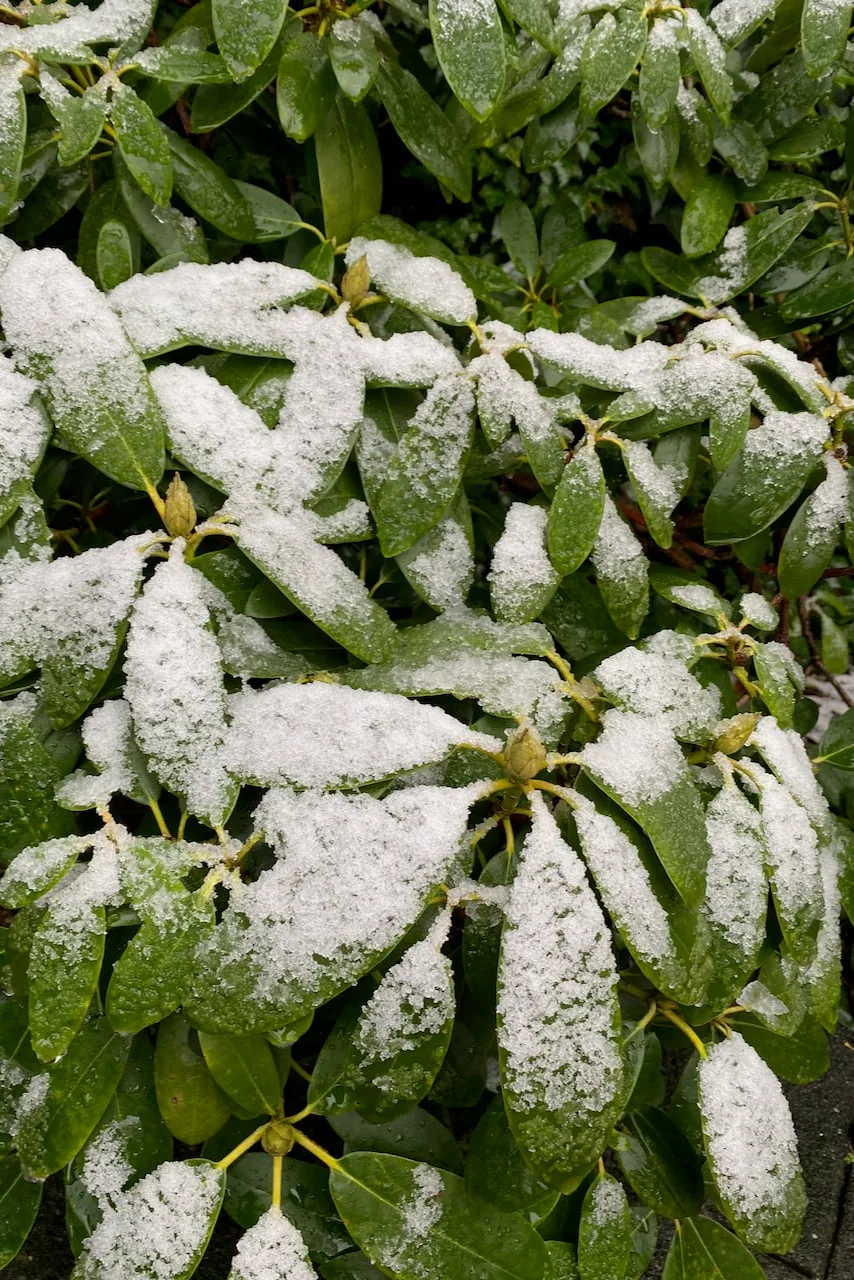
Image source: Bing (Web (fair-use with source credit))
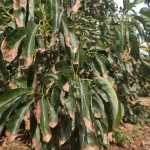
Dieback looks entirely different. True dieback starts at the tips and moves downward. The leaves turn pale brown or gray rather than dark green.
They stay flat instead of rolling up. Eventually they drop off or hang limply from brittle stems.
Partial dieback happens frequently after harsh winters. One side of the shrub might catch prevailing winds while the other stays sheltered. In that case, you'll find dead branches mixed with live ones.
The plant isn't totally lost. It just needs selective pruning later.
Sunscald creates another confusing symptom. Plants moved from a shady nursery to full afternoon sun often develop crispy leaf edges. The rest of the plant remains perfectly healthy.
That localized damage isn't a systemic disease or root failure.
Root rot caused by Phytophthora fungi is the exception. If your soil stays soggy for days after rain, the roots suffocate and decay. Above ground, the whole plant wilts rapidly despite wet soil.
The leaves droop and turn dull green before browning. That scenario requires immediate drainage fixes or the plant will genuinely die.
Frost heave pushes the entire root ball upward during freeze and thaw cycles. If you see the base of your rhododendron sitting higher than it was last fall, check the roots. Exposed roots dry out fast.
Gently press the soil back down around them if the ground isn't frozen solid.
Decision Guide: Prune It, Save It, or Dig It Up
Once you finish testing, you have three clear paths forward. Choosing the wrong one either wastes your weekend or kills a recovering plant. Base your decision entirely on what the scratch test revealed.
Path 1: Save it and wait.
If the cambium is green on the lower stems, leave the plant alone. Water it deeply once a week if spring rains fail to materialize. Do not apply high nitrogen fertilizer to a stressed plant.
It burns damaged roots faster than it promotes growth.
Wait until 2 to 4 weeks after your last average frost date. Stressed rhododendrons sometimes delay pushing new vegetative buds until early summer. Patience is your best tool here.
Mulch the root zone lightly to hold moisture.
Path 2: Prune out the dead wood.
If only specific branches failed the scratch test, mark them for removal. Wait until the live branches start leafing out so the boundary is obvious. Cut dead wood back to a healthy lateral bud or branch union.
Always sterilize your pruning shears with 70% isopropyl alcohol between cuts. This prevents spreading fungal spores from dead tissue into open wounds. American Rhododendron Society guidelines strongly recommend clean cuts over ragged tears for disease prevention.
Path 3: Dig it up and replace it.
If every stem snaps and the scratch test shows brown wood down to the soil line, the plant is dead. Digging it up promptly stops root diseases from lingering in that exact spot. Don't plant another rhododendron in the same hole without fixing the underlying issue first.
If root rot killed it, amend the heavy clay soil with pine bark fines. Raise the planting bed a few inches to improve drainage. Planting a new shrub into the same waterlogged pit guarantees a repeat failure.
| Diagnosis Result | Recommended Action | Timeline |
|---|---|---|
| Green cambium everywhere | Water normally, wait for spring flush | 2 to 6 weeks |
| Mixed live and dead stems | Prune dead wood after leaves emerge | Late spring |
| Brown cambium to the base | Remove plant, fix soil drainage | Immediately |
Mistakes That Kill Stressed Rhododendrons for Good
A stressed plant can recover. A stressed plant subjected to bad gardening habits usually can't. We see the same mistakes repeated constantly in home landscapes.
Avoiding them keeps borderline shrubs alive.
Overwatering tops the list. Gardeners see brown leaves and think the plant needs more water. They soak the root zone daily.
Soggy soil deprives roots of oxygen and invites fatal fungal infections. Check the soil moisture 4 inches down before grabbing the hose.
Planting too deep suffocates the root flare. Rhododendrons demand shallow planting. The top of the root ball should sit slightly above the surrounding grade.
Burying the trunk base traps moisture against the bark. That trapped moisture rots the cambium slowly over winter.
Applying synthetic fertilizers too early shocks dormant roots. The plant cannot process nutrients while it sleeps. Those unused salts build up in the soil and burn tender root hairs.
Wait until you see active new growth before feeding anything.
Pruning live wood out of panic removes the plant's remaining energy reserves. Every green leaf still attached helps the roots survive. Cutting back healthy branches forces the plant to expend stored energy replacing them.
Only remove tissue that has definitively failed the scratch test.
Ignoring vole damage destroys otherwise healthy shrubs. Voles chew the inner bark at the soil line under snow cover. That girdling cuts off all nutrient flow from the roots.
Pull mulch back a few inches from the trunk in late fall to discourage them from nesting there.
Frequently Asked Questions
How long does it take for a rhododendron to recover from winter damage?
Recovery usually takes two to six weeks after your last spring frost. Stressed shrubs push new vegetative buds slower than healthy ones. Keep the soil evenly moist while you wait.
If the cambium stayed green, new growth will eventually appear.
Can a rhododendron come back if all the leaves fell off?
Yes, it can return if the stems still have living tissue. Perform the scratch test on multiple branches down near the base. Green wood means the root system is intact and functioning.
The plant will generate fresh foliage once temperatures stabilize.
Should I fertilize a dying rhododendron to save it?
Do not apply fertilizer to a stressed or damaged shrub. Synthetic nutrients burn fragile roots that are already struggling to survive. Wait until you see active new leaf growth before feeding it.
Focus on proper watering and checking your soil drainage instead.
Why did my rhododendron turn brown overnight?
Sudden browning almost always points to a hard late frost or severe windburn. Frozen ground prevents roots from replacing moisture lost to harsh winds. The leaves desiccate rapidly because the plant cannot drink.
This looks terrible but rarely kills an established, healthy root system.
Is my azalea dead or just dormant?
Azaleas belong to the exact same genus as rhododendrons. They respond to cold stress using identical survival mechanisms. Use the same scratch test workflow on the stems to check for green cambium.
Firm terminal buds and pliable wood mean your azalea is simply dormant.

Similar Posts