Why Is My Bougainvillea Dying? Top Causes & Quick Fixes
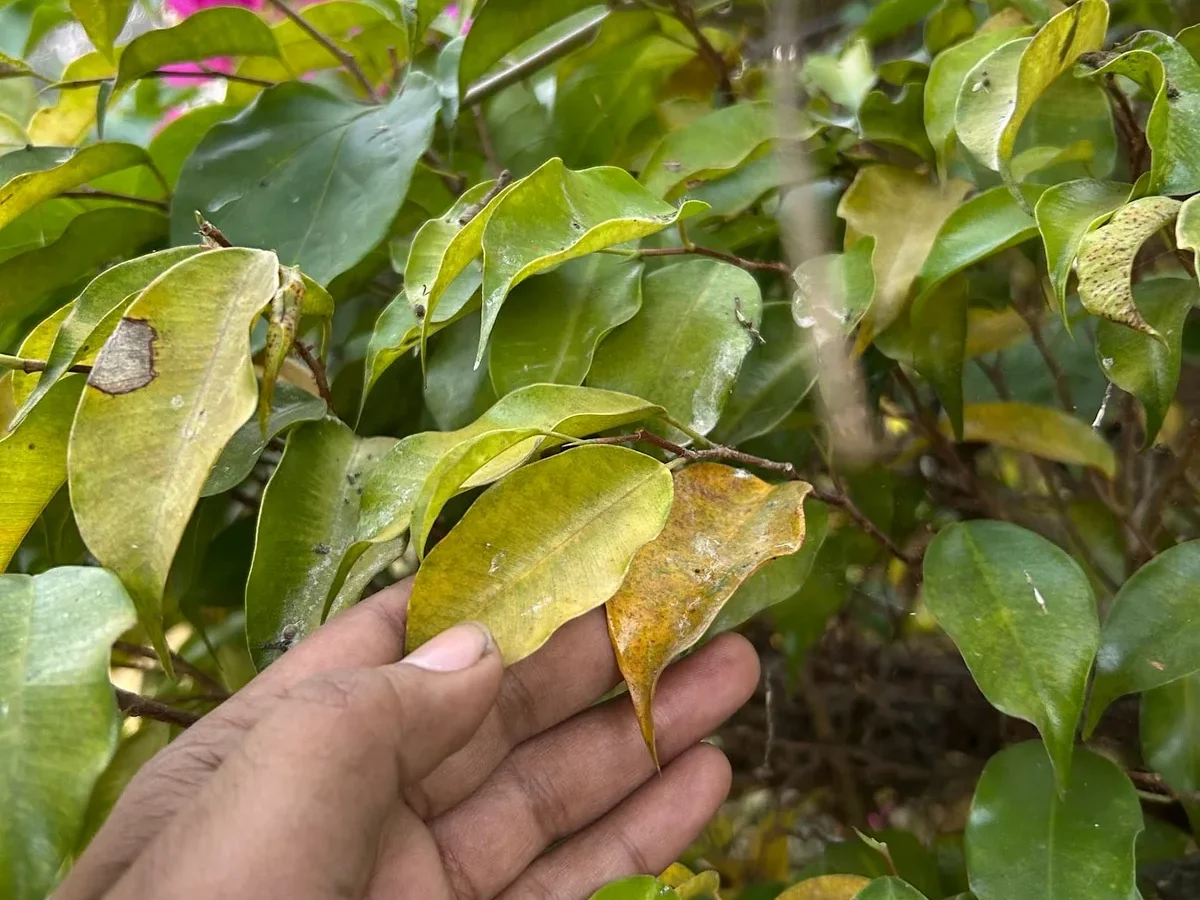
If you are asking why is my bougainvillea dying, the answer almost always comes down to water or temperature. These tropical vines look fragile when stressed, but they rarely die without warning. You just need to read the signs correctly.
Bougainvillea thrives in USDA Zones 9b through 11 and needs soil that drains fast. Per University of Florida IFAS Extension guidelines, prolonged exposure below 40°F triggers severe leaf drop. Let us figure out exactly what your plant is telling you.
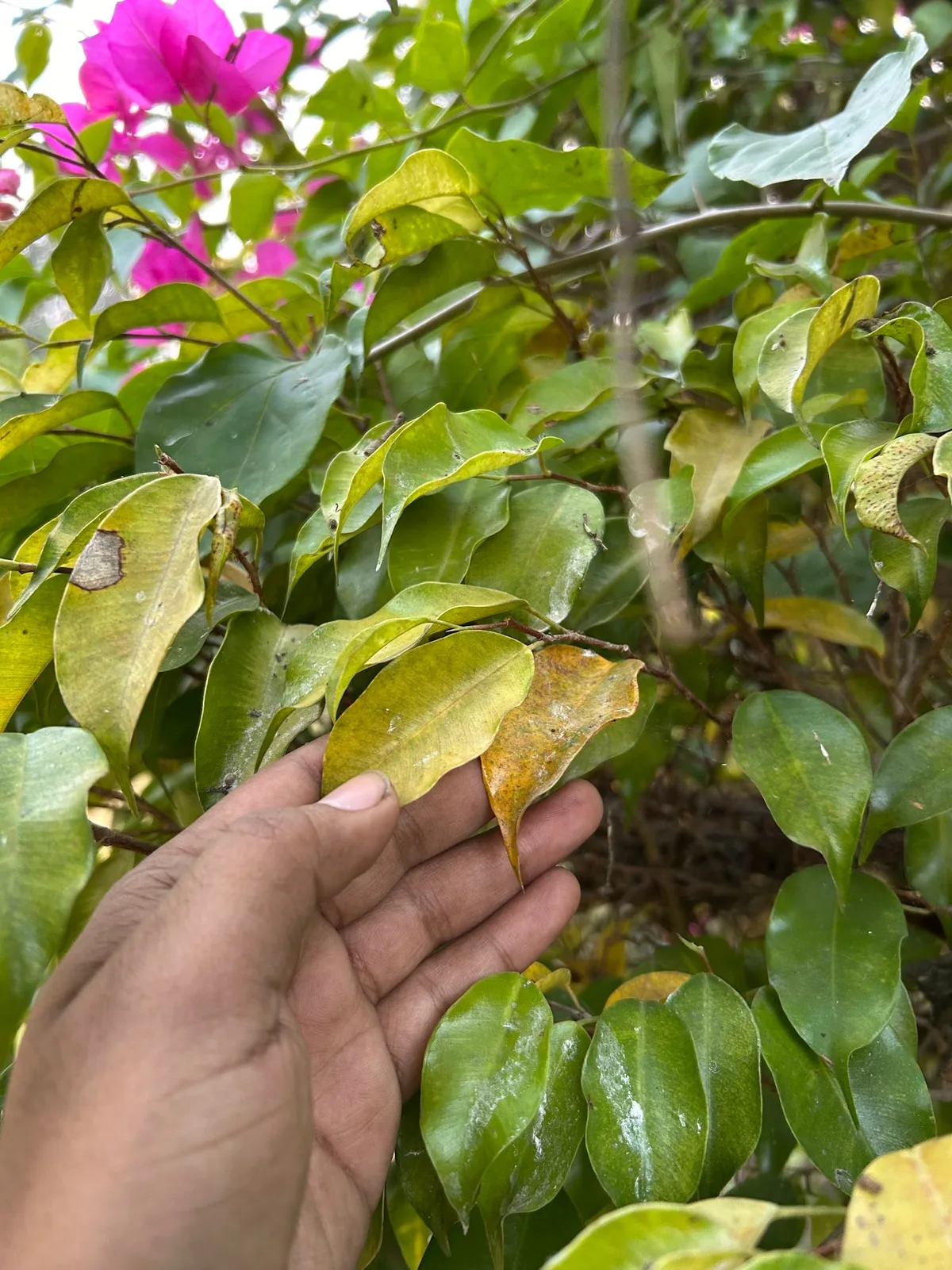
Image source: Web (Bing) / gardenvive.com (Web image (fair-use with source credit))
Quick Answer
Your bougainvillea is likely dying from overwatering or cold damage. Soggy soil causes fatal root rot very quickly. Frost exposure makes the leaves drop overnight.
Too much nitrogen also stops colorful bracts from forming. Fix the drainage first to save it.
The 60-Second Triage: How to Read Your Dying Bougainvillea
Figuring out why a bougainvillea is failing requires a quick diagnostic workflow. You do not guess. You check specific conditions in a set order.
If one branch does not match your symptoms, you move to the next.
Start by sticking your finger two inches into the soil. If it feels wet or muddy, stop watering immediately. Wet soil points directly to root issues.
Dry, dusty soil means you have underwatered a thirsty plant.
Next, look at the leaves. Yellow leaves dropping from the bottom up usually mean too much water. Brown, crispy edges mean salt burn or drought stress.
Chewed holes point straight to pests.
Finally, check the recent weather history. Did temperatures dip near freezing recently? Cold shock mimics disease perfectly.
Once you isolate the variable, the fix becomes obvious.
Here is the basic decision matrix we use for triage:
| Symptom | Primary Suspect | First Action |
|---|---|---|
| Yellow, dropping leaves | Overwatering / Root rot | Stop watering, check drainage |
| Brown, crispy edges | Underwatering / Salt burn | Flush soil, water deeply |
| Black, mushy stems | Advanced root rot | Unpot, trim dead roots |
| Chewed leaves | Bougainvillea looper | Apply Bt spray |
| Sudden total leaf drop | Cold damage | Move indoors, wait for spring |
Branch 1: Yellow Leaves, Dropping Bracts, and Mushy Stems (Water and Root Rot)
Yellow leaves and mushy stems mean your bougainvillea is drowning. Overwatering is the fastest way to kill this specific plant. They evolved in arid climates and absolutely hate sitting in soggy dirt.
If the soil stays wet for days after watering, fungal pathogens like Phytophthora take over. This causes root rot. The roots turn black and slimy instead of firm and white.
Without healthy roots, the plant starves.
You will notice the colorful bracts falling off prematurely. The small true flowers inside those bracts will fail to open entirely. That is because the plant shifts all its energy toward basic survival rather than blooming.
Potted bougainvillea suffers from this far more often than in-ground plants. Plastic or glazed ceramic pots trap moisture. Terracotta pots breathe better and prevent this exact problem.
Always ensure your container has large drainage holes.
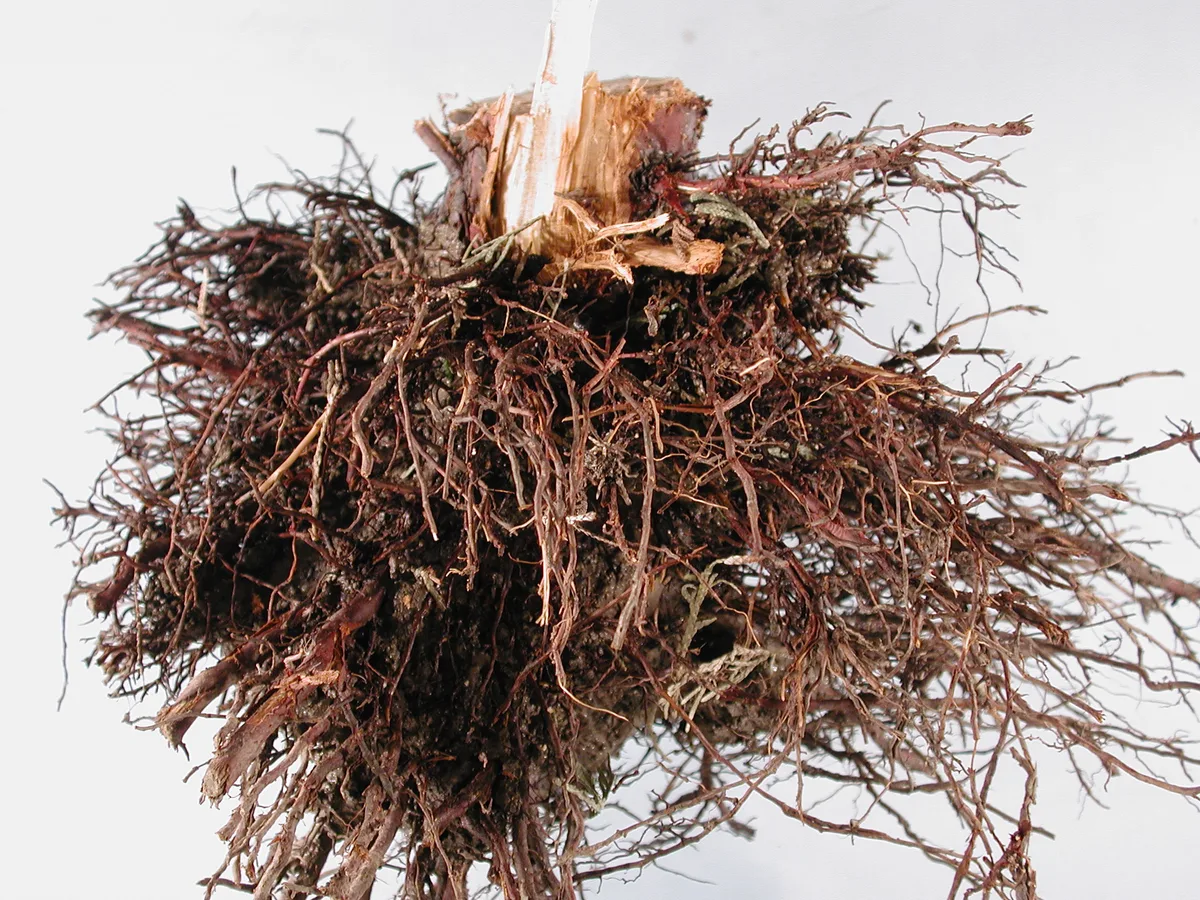
Image source: Web (Bing) / leafypixels.com (Web image (fair-use with source credit))
If you suspect root rot, pull the plant from its pot gently. Smell the root ball. Healthy roots smell earthy, while rotting roots smell sour and foul.
Trim away any black, mushy sections with clean shears.
Repot the surviving plant into fresh, fast-draining soil. Mix standard potting soil with coarse perlite or pumice. Do not water it again until the top three inches dry out completely.
Branch 2: Brown Crispy Edges, Leggy Growth, or Zero Color (Sun, Soil, and Starvation)
Brown leaf edges combined with weak growth point to environmental stress. Your plant might lack sunlight, proper nutrients, or correct soil pH. Bougainvillea demands at least six hours of direct sun daily.
If you keep it in the shade, it grows leggy and sparse. It will produce green leaves but refuse to bloom. Move it to your sunniest spot immediately.
Full, unfiltered light triggers those vibrant bracts.
Nutrient issues cause different visual clues. Pale green or yellow leaves with dark veins indicate iron chlorosis. This happens when soil pH climbs above 6.0, locking out essential nutrients.
Test your soil if you see this pattern.
Fertilizer choice matters just as much as sunlight. Feeding a bougainvillea high-nitrogen lawn fertilizer forces leafy growth at the expense of flowers. Use a specialized hibiscus or bougainvillea fertilizer instead.
These formulas boost potassium and limit nitrogen.
Hard tap water also causes trouble over time. It leaves mineral salts in the soil. Those salts literally burn the leaf tips brown.
Flushing the pot thoroughly with distilled water every few months leaches out that toxic buildup.
As of 2026, university extension programs still recommend slightly acidic soil between 5.5 and 6.0 for optimal nutrient uptake. Keeping the pH in this narrow window prevents most starvation issues before they start.
Branch 3: Chewed Leaves, Sticky Residue, and Sudden Winter Dieback (Pests and Cold Shock)
Holes in the leaves mean something is eating your plant. The bougainvillea looper caterpillar is the usual suspect. These tiny green worms blend in perfectly with the foliage.
They chew through leaves rapidly.
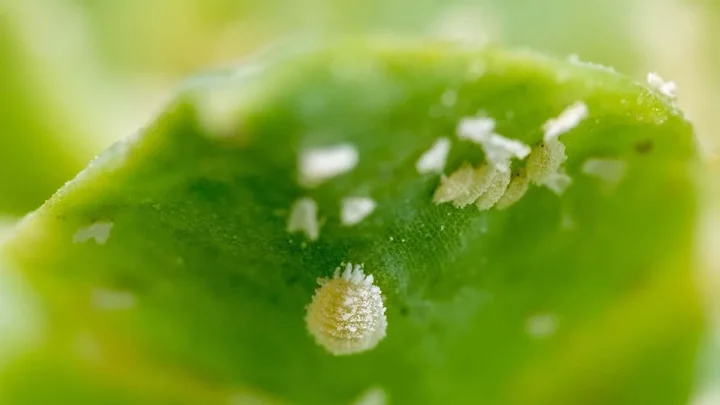
If you see sticky residue or black sooty mold, look closer. Aphids and mealybugs excrete honeydew as they feed. That sticky mess invites fungal growth.
Wipe the leaves down and treat the plant with neem oil.
For the looper caterpillars specifically, skip broad-spectrum insecticides. They kill beneficial pollinators unnecessarily. Instead, use Bacillus thuringiensis, commonly called Bt.
It targets caterpillars safely without harming other garden insects.
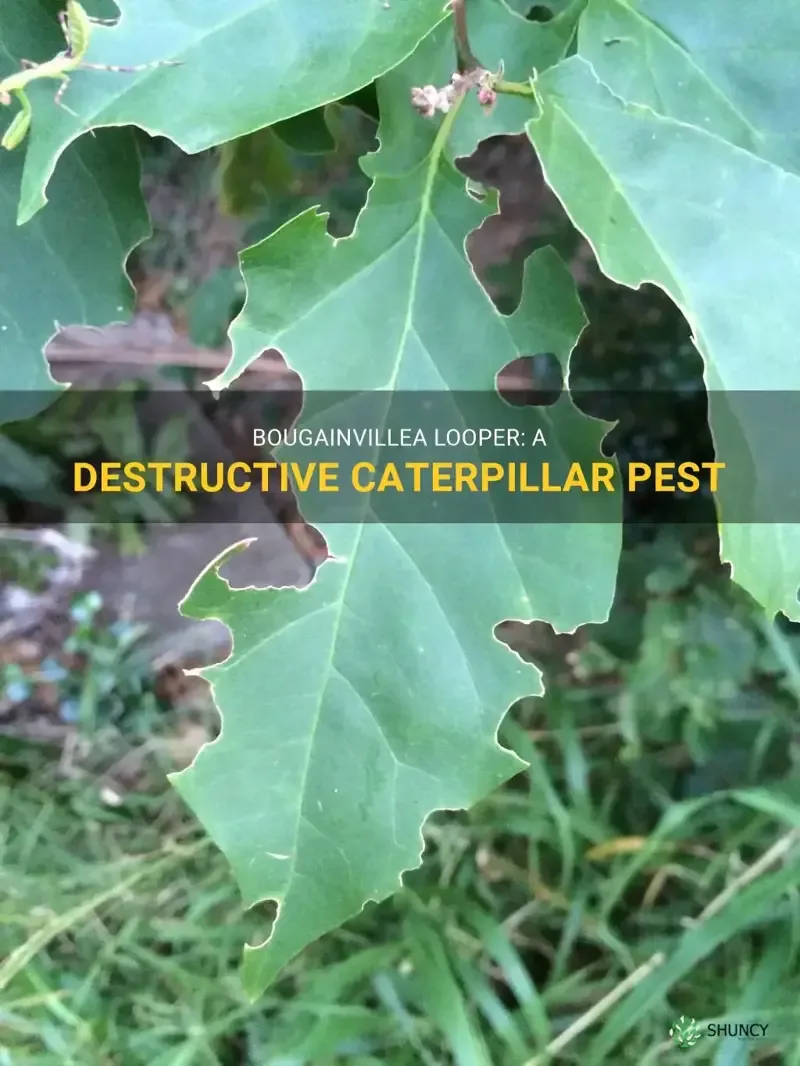
Image source: Web (Bing) / shuncy.com (Web image (fair-use with source credit))
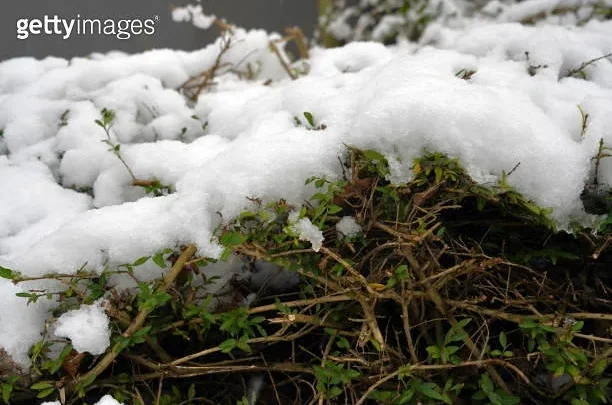
Cold shock presents a completely different crisis. Bougainvillea is strictly tropical. Temperatures dropping to 32°F cause immediate cellular damage.
Prolonged exposure below 40°F forces the entire plant to drop its leaves overnight.
Do not panic if this happens in late fall. The plant looks completely dead, but the woody stems often survive. Stop watering it heavily during winter dormancy.
Wait until spring warmth returns before pruning anything back.
If you live in Zone 8 or colder, keeping them in the ground year-round fails. You must grow them in containers. Bring those pots indoors before the first frost hits.
Place them near your brightest south-facing window.
Reduce watering drastically once the plant moves inside. It enters a resting phase and uses very little moisture. Fertilizing during this dormant period burns the roots.
Resume feeding only when new growth appears in spring.
The Revival Workflow: Step-by-Step Fixes Based on Your Diagnosis
Saving a dying bougainvillea requires following a strict sequence. Do not try fixing everything at once. Address the primary issue first, then monitor the plant's response over several weeks.
Here is the exact recovery workflow based on our diagnostic branches:
- Stop watering. If the soil feels damp even slightly, withhold water. Check the moisture level every two days using the finger test. Only water when the top three inches feel bone dry.
- Fix the light. Move the plant where it receives six to eight hours of direct sun. Indoor plants need a bright southern window or a dedicated grow light. Shade guarantees failure.
- Flush the soil. If you suspect salt burn or fertilizer buildup, run plain water through the pot until it pours freely from the bottom. This washes away toxic minerals.
- Prune dead wood carefully. Do not cut back branches immediately after a freeze. Wait until spring to see which stems push new green buds. Cut only the truly dead, brittle wood.
- Treat pests early. Inspect the undersides of leaves weekly. Apply Bt for caterpillars or neem oil for aphids. Catching an infestation early prevents massive defoliation.
- Adjust your fertilizer. Switch to a low-nitrogen, high-potassium formula. Feed lightly only during active summer growth. Never fertilize a stressed or dormant plant.
Recovery takes patience. Expect three to six weeks before you see fresh green shoots after correcting a watering mistake. Severe root rot takes months to overcome.
Keep the conditions stable while the roots rebuild themselves.
Common Mistakes That Finish Off a Struggling Bougainvillea
Good intentions often kill struggling plants faster than neglect. When people see a dying bougainvillea, their first instinct is usually wrong. Avoid these specific errors to give your plant a real chance at survival.
- Overwatering to "rehydrate" it. Wilting from root rot looks exactly like wilting from thirst. Adding more water to a rotting root system drowns it completely. Always check the soil moisture before grabbing the hose.
- Repotting into a massive container. Bougainvilleas actually prefer being slightly root-bound. A huge pot holds excess wet soil for weeks. That stagnant moisture breeds fungal diseases rapidly. Size up only one inch at a time.
- Disturbing the roots. Their root systems are shallow and surprisingly fragile. Tearing the root ball apart during repotting causes severe transplant shock. Slide the plant into its new home gently without breaking the soil block.
- Feeding a sick plant. Fertilizer acts like medicine only for healthy plants. For a stressed plant, it acts like poison. The roots cannot process nutrients while fighting rot or cold damage. Hold off on feeding until new leaves appear.
- Pruning too early after frost. Cutting back brown branches in December removes living tissue hiding under the bark. The plant needs those stems to store energy. Wait until the danger of frost passes entirely.
- Moving indoor plants outside too fast. Taking a sheltered houseplant and putting it in blazing July sun scorches the leaves. Harden it off gradually. Give it an extra hour of outdoor sun each day for two weeks.
Frequently Asked Questions
Can a bougainvillea come back from root rot?
Yes, if you catch it early enough. Pull the plant out and cut away all black, mushy roots with sterilized shears. Repot it immediately into fresh soil mixed heavily with perlite.
Hold off on watering until the top three inches dry completely.
Why did my bougainvillea drop all its leaves overnight?
Sudden leaf drop almost always means cold shock or severe transplant shock. Bougainvilleas panic when temperatures dip below 40°F for extended periods. They also shed leaves rapidly if their shallow roots get torn during repotting.
Keep the plant stable and wait for spring warmth.
How do I know if my bougainvillea is dead or dormant?
Scratch the bark gently near the base of a stem with your fingernail. Green tissue underneath means the plant is alive and simply resting. Brown, brittle wood that snaps easily indicates that specific branch is dead.
Wait until mid-spring before making any final decisions.
Should I water my bougainvillea every day in summer?
No, daily watering will drown it even in peak heat. These plants actually bloom better when slightly stressed by dry conditions. Check the soil moisture two inches down before grabbing the hose.
Water deeply only when that top layer feels completely dry.
Why are the colorful bracts falling off before opening?
Premature bract drop usually points to low light, overwatering, or too much nitrogen fertilizer. The plant needs intense direct sun to hold onto those modified leaves. Switch to a high-potassium bloom booster instead of standard garden feed.
Let the soil dry out between waterings.
What is the best pot material for preventing root rot?
Unglazed terracotta is the clear winner for container-grown bougainvilleas. The porous clay breathes naturally and wicks excess moisture away from the root zone. Plastic and glazed ceramic pots trap water inside the soil for far too long.
Always ensure whatever pot you choose has large drainage holes.

Similar Posts