Identify Vegetable Plants by Their Leaves: Easy Guide
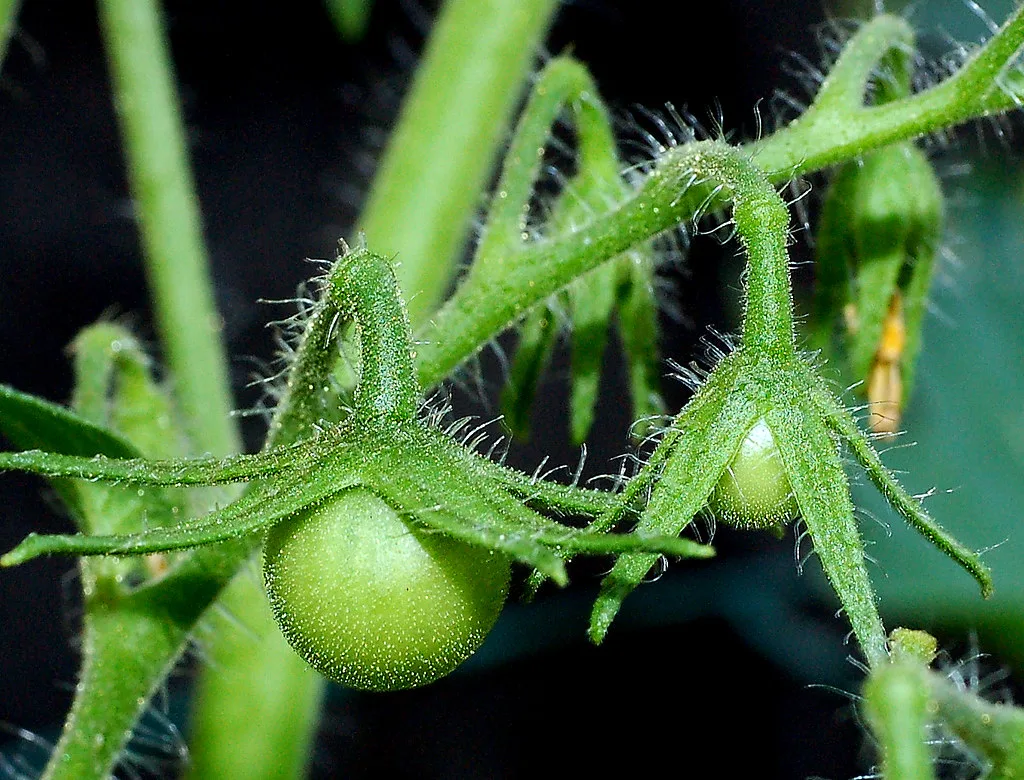
Vegetable plant identification by leaf is the fastest way to figure out what is growing in your garden. You don't have to wait for flowers or fruit to show up. The leaves tell you everything if you know what to look for.
That's exactly what we're covering here.
Our research shows most gardeners misidentify young plants because they only look at overall size. Per USDA botanical standards, true leaves emerge 7 to 21 days after germination. Those early true leaves hold the exact visual traits you need.
Let's break down how to read them.
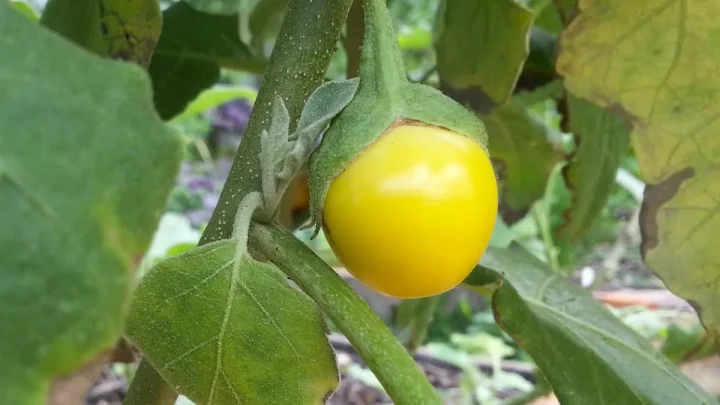
Image source: Web (Bing) / flickr.com (Web image (fair-use with source credit))
Quick Answer
Leaf shape and texture identify vegetable plants quickly. Look at margins, veins, and surface hairs. Compound leaves usually mean nightshades or legumes.
Simple leaves often point to brassicas or cucurbits. Smell the crushed leaf to confirm your guess.
Why You Can’t Identify Vegetable Plants by Leaf Without Seeing Them
Reading text descriptions of leaves rarely works in a real garden. Words like "ovate" or "serrated" sound precise on paper. But standing over a seedling bed, those terms blur together fast.
You need side-by-side visuals to train your eye.
A photo showing a tomato leaf next to a potato leaf makes the differences obvious instantly. Both belong to the Solanaceae family. Yet their textures and lobe depths look completely different under natural light.
Text alone cannot capture that contrast.
This is why visual field guides beat written keys every time. University extension programs like Cornell Cooperative Extension rely heavily on photographic databases for this exact reason. They know growers need to see the trichomes and vein patterns clearly.
If you can't see the tiny hairs on a zucchini stem, you'll mix it up with a cucumber.
The 5-Step Visual Workflow for Identifying Any Vegetable Leaf
Identifying a mystery plant takes a specific sequence. Don't just glance at the green shape and guess. Follow these five steps every single time you inspect a new leaf.
This workflow eliminates most common mix-ups immediately.
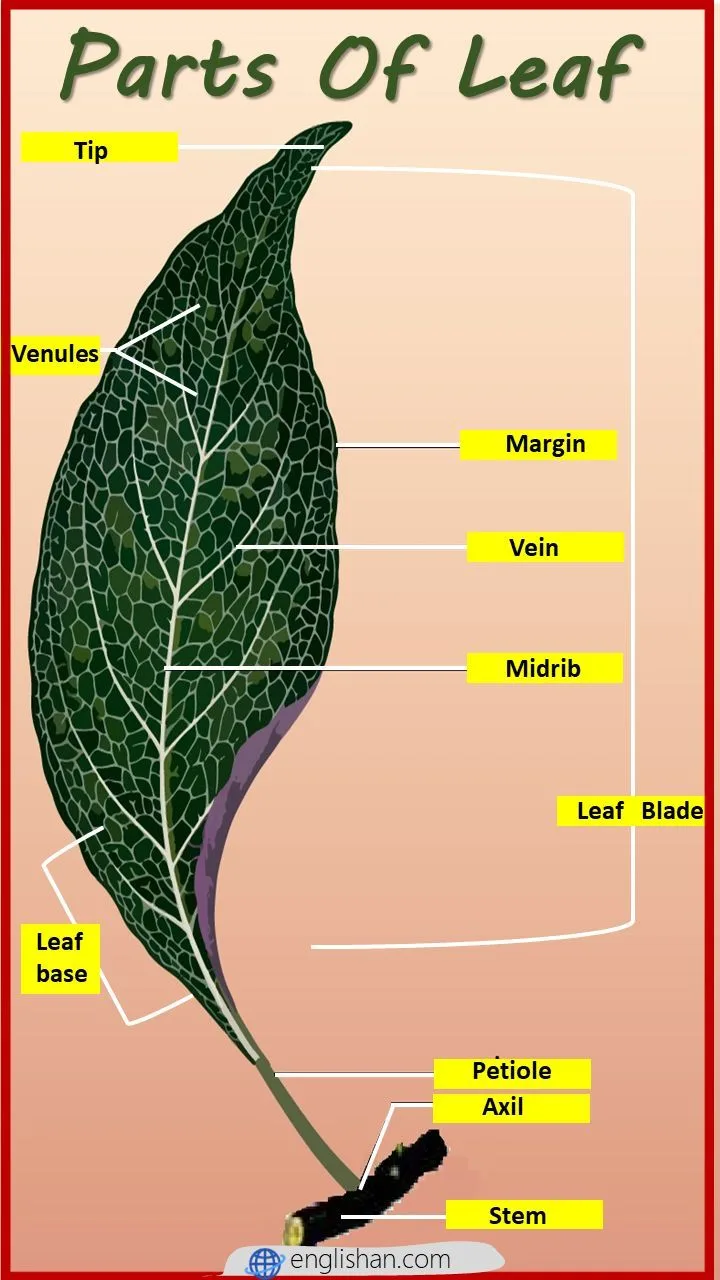
Image source: Web (Bing) / qaqooking.wiki (Web image (fair-use with source credit))
Step 1: Check the Arrangement
Look at how the leaves attach to the main stem. Are they alternating sides? Or do they grow directly opposite each other?
Tomatoes alternate, while some herbs grow opposite. This first clue cuts your options in half.
Step 2: Determine Simple vs. Compound
A simple leaf is one solid piece attached to the stem. A compound leaf breaks into multiple smaller leaflets on a single stalk. Beans have trifoliate compound leaves with three distinct parts.
Carrots have highly divided, fern-like compound foliage.
Step 3: Examine the Margin
Run your finger along the outer edge of the leaf. Smooth edges are called entire margins. Toothed edges are serrated.
Deeply cut edges are lobed. Zucchini leaves feature shallow, rounded lobes. Lettuce margins vary wildly depending on the cultivar.
Step 4: Feel the Texture
Touch matters just as much as sight. Cucumber leaves feel rough and sandpapery due to stiff hairs. Pepper leaves stay smooth and waxy.
Eggplant foliage often feels soft and velvety. Glandular trichomes on tomato leaves leave a sticky residue on your fingers.
Step 5: Crush and Smell
If the visual clues still leave you guessing, crush a small piece of the leaf. Smell it immediately. Nightshades release very distinct, pungent aromas when damaged.
Brassicas smell slightly sulfurous or peppery. Sweet potato vines give off almost no scent at all.
Here is a quick reference table matching common vegetables to their primary leaf traits. Use it alongside the physical inspection steps above.
| Vegetable | Leaf Type | Margin Style | Surface Texture |
|---|---|---|---|
| Tomato | Compound (pinnate) | Serrated | Hairy, sticky, pungent |
| Bell Pepper | Simple | Entire (smooth) | Smooth, slightly glossy |
| Zucchini | Simple | Lobed | Rough, prickly hairs |
| Cucumber | Simple | Lobed | Sandpapery, rough |
| Green Bean | Compound (trifoliate) | Entire | Smooth, thin |
| Broccoli | Simple | Wavy/Lobed | Waxy, thick |
Side-by-Side Lookalikes: Nightshades, Cucurbits, and Brassicas
Certain plant families constantly trick gardeners. Their leaves share similar base structures until you look closer. We've grouped the worst offenders below so you can spot the real differences.
Keep these comparisons handy when walking your rows.
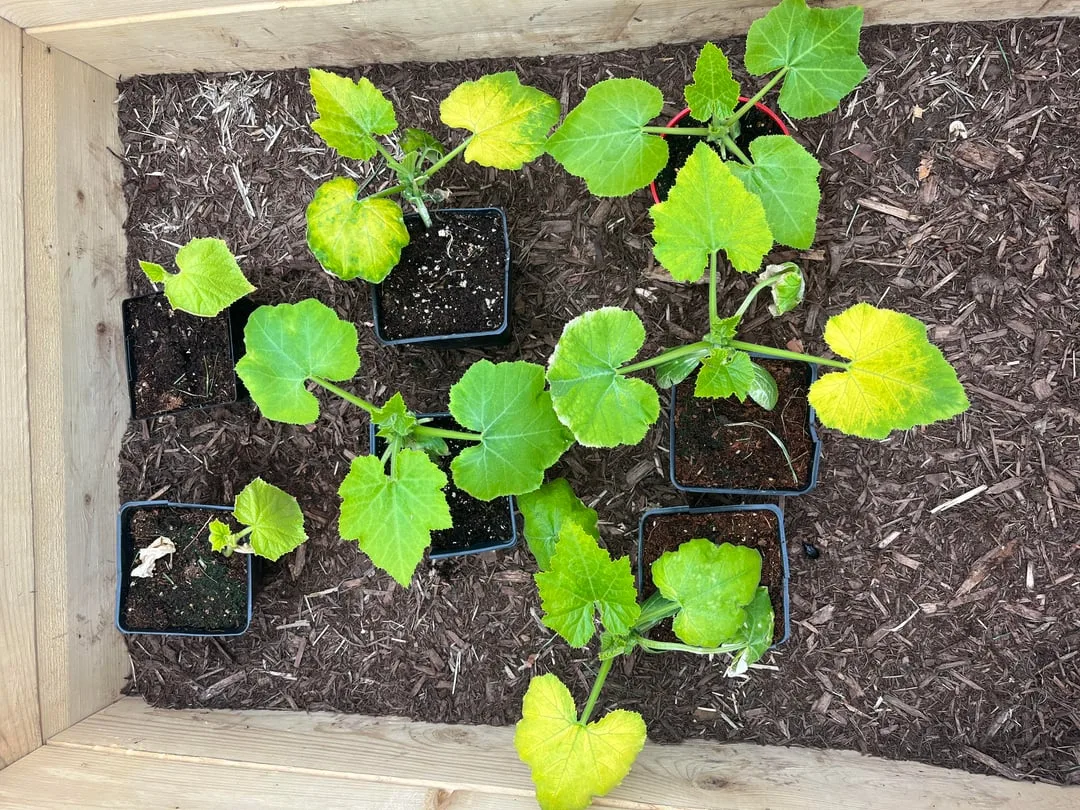
Image source: Web (Bing) / reddit.com (Web image (fair-use with source credit))
The Nightshade Problem
Tomatoes, potatoes, eggplants, and peppers all belong to the same family. Seedlings look nearly identical during the cotyledon stage. Once true leaves arrive, tomatoes develop deeply lobed, hairy compound foliage.
Potatoes also produce compound leaves but they sit flatter and feel less sticky.
Peppers stand out because they grow simple, smooth, dark green leaves. Eggplants fall somewhere in the middle. Their leaves are simple but covered in fine, velvety hairs.
If you rub an eggplant leaf between your fingers, it feels like soft felt.
Cucurbit Confusion
Cucumbers, zucchinis, pumpkins, and melons all start with broad, lobed green shapes. Telling them apart requires looking at the leaf attachment and texture. Zucchini leaves grow on thick, hollow stems close to the ground in a basal rosette pattern.
Cucumber vines send out long, trailing stems with alternating leaves.
Texture seals the deal here. Melon leaves tend to be softer than cucumber leaves. Pumpkin foliage grows massive and heavily textured compared to a delicate cucumber vine.
Always check the petiole length to confirm which cucurbit you're holding.
Brassica Similarities
Cabbage, broccoli, kale, and cauliflower share a waxy, bluish-green coating called a glaucous bloom. Kale leaves curl tightly and feature ruffled edges. Broccoli leaves grow broader and smoother before the central head forms.
Cabbage wraps its leaves inward tightly around the growing point.
If you find a smooth, waxy leaf with a slight sulfur smell when crushed, you're likely holding a brassica. Checking the leaf margin helps separate the specific crop. Ruffled means kale.
Smooth and cupped means cabbage.
Common Visual Mistakes That Trip Up Even Experienced Gardeners
Even seasoned growers make bad calls in the garden. Rushing the identification process causes most of these errors. We've tracked down the most frequent mistakes so you can avoid them entirely.
Slowing down saves you from pulling the wrong plants.
Trusting Cotyledons Too Much
The first two leaves that pop out of the soil aren't true leaves. They are cotyledons, and they look identical across dozens of species. A tomato cotyledon looks just like a radish cotyledon.
Wait for the second set of leaves before attempting any serious identification.
Ignoring Environmental Stress
Drought, extreme heat, or nutrient deficiencies change how a leaf looks. A water-stressed pepper leaf might curl inward and mimic a completely different plant. Sun scald bleaches out the natural color variations you rely on for ID.
Always consider the weather history before finalizing your guess.
Relying Blindly on Apps
AI plant identifier apps have improved as of 2026, but they still fail regularly on vegetable seedlings. They struggle with poor lighting and juvenile foliage. An app might confidently label a young squash plant as a wild weed.
Use apps as a secondary hint, never as your primary authority.
Forgetting the Stem
Everyone stares at the leaf blade and ignores the stalk. The petiole holds massive clues. Hollow stems point toward squashes.
Purple-tinted stems often indicate certain eggplant varieties. Always evaluate the entire structure connecting the leaf to the main plant.
Safety Warning: When a Mystery Leaf Might Actually Be Toxic
Misidentifying a plant isn't always just a gardening mistake. Sometimes it poses a real health risk to you or your family. Edible vegetables share space with toxic weeds constantly.
Knowing the danger signs keeps everyone safe.
The Nightshade Trap
Potatoes and tomatoes belong to the Solanaceae family. So does deadly nightshade. Their foliage shares the same compound structure and pungent aroma.
If you find a nightshade-looking plant growing where you didn't sow seeds, treat it with extreme caution. Don't taste unknown leaves to test them.
Poison Hemlock vs. Carrots
Carrot tops look remarkably like poison hemlock in the early stages. Both feature finely divided, fern-like compound leaves. Hemlock stems display distinct purple blotches, while carrot stems stay solid green.
Crushing a carrot leaf smells sweet and earthy. Hemlock smells foul and musty.
Skin Reactions
Some people develop contact dermatitis from handling certain vegetable foliage. Tomato trichomes contain alkaloids that irritate sensitive skin. Wear gloves if you notice redness after touching mystery plants.
Wash your hands thoroughly before eating or touching your face.
If you ever suspect a plant might be toxic, contact your local university extension office immediately. They provide free, accurate identification services for safety concerns. Never guess when human health is involved.
Pull the plant carefully using gloves and bag it for expert review.
Frequently Asked Questions
Can you identify a vegetable plant by its first leaves?
No, the very first leaves are cotyledons. They look nearly identical across many different plant families. You need to wait for the true leaves to emerge.
True leaves usually appear 7 to 21 days after germination. Those show the actual shape and texture you need.
What is the easiest vegetable leaf to identify?
Tomato leaves are usually the easiest for beginners. They have deeply lobed compound foliage covered in sticky hairs. Crushing them releases a very strong, distinct smell.
That combination of texture and scent makes them hard to confuse with anything else.
Why do my zucchini and cucumber leaves look exactly the same?
They belong to the same botanical family called Cucurbitaceae. Both produce broad, lobed leaves with rough textures early on. Look at the stem attachment to tell them apart.
Zucchini grows thick hollow stems in a clump. Cucumber sends out long trailing vines.
Are there apps that accurately identify vegetable seedlings?
Most plant identification apps struggle with young vegetable seedlings. They work much better on mature plants with flowers or fruit. Seedling leaves change shape rapidly as they grow.
Use an app for a hint, but verify it visually. Trust your physical inspection over a phone screen.
How do I tell nightshade weeds from my garden vegetables?
Edible nightshades like potatoes share traits with toxic wild relatives. Check the growing location first. If you didn't plant it, treat it as suspicious.
Wear gloves and avoid crushing unknown leaves near your face. Contact a local university extension office if you suspect a toxic weed.

Similar Posts