What Is the pH Level of a Potato?
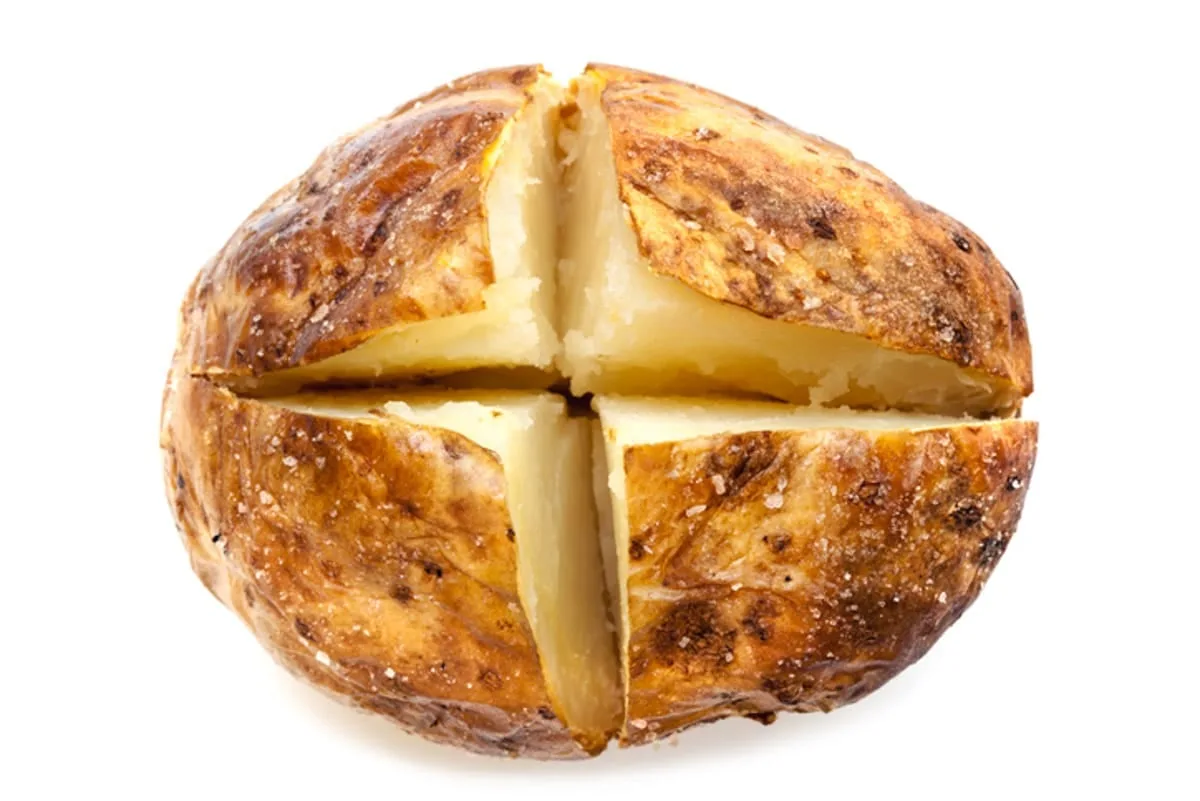
If you need the exact ph level of a potato, you won't find one universal number. Potatoes are living plant tissue, so their acidity shifts based on variety, soil, and storage time. Our research shows that treating them like a static ingredient leads to bad canning batches and discolored prep work.
A raw potato typically measures between 5.3 and 6.2 on the pH scale. That firmly places it in the low acid category according to USDA food safety guidelines. Let's break down what changes those numbers and how to test them accurately as of 2026.
Image source: Web (Bing) / momsdinner.net (Web image (fair-use with source credit))
Quick Answer
The ph level of a potato usually falls between 5.3 and 6.2. This makes raw potatoes slightly acidic overall. Different varieties and storage conditions change the exact reading.
You must pressure can them because they sit above 4.6.
The Actual pH Range of a Raw Potato (And Why It Shifts)
A raw potato generally measures between 5.3 and 6.2 on the pH scale. That range comes from the natural organic acids inside the tuber. We see citric acid, malic acid, and chlorogenic acid doing most of the heavy lifting here.
Those acids keep the flesh slightly acidic. But "slightly acidic" doesn't mean stable. A potato pulled from cold storage will read differently than one freshly dug from the ground.
Why does this happen? Potatoes constantly undergo chemical changes after harvest. Their moisture levels drop.
Their starches break down. Every single shift alters the final pH reading you get on your meter.
Commercial kitchens track these changes closely. If you are prepping hundreds of pounds of fries daily, you need consistent chemistry. Unpredictable acidity means unpredictable browning and texture issues on the line.
Home cooks rarely think about this. But if you are canning or fermenting, ignoring these shifts causes real problems. You cannot safely preserve food without knowing its true starting acidity.
The baseline range of 5.3 to 6.2 is just your starting point. Everything else depends on how you handle the potato before testing or cooking it. Treat that number as a guide rather than an absolute rule.
How Variety, Soil, and Cold Storage Change Potato Acidity
Not all potatoes share the same pH. Waxy varieties like Red Bliss often run slightly more acidic. Starchy types like Russet Burbank tend to sit closer to the higher end of the scale.
Soil chemistry plays a massive role too. Tubers grown in highly alkaline dirt absorb those minerals directly. That pushes their internal pH upward.
You are basically tasting the soil profile when you test the flesh.
Storage temperature might be the biggest variable we see in practice. Putting potatoes in the fridge triggers a specific metabolic response. The cold forces starches to convert into reducing sugars rapidly.
That conversion changes the organic acid profile inside the cells. The pH usually drops slightly as sugars accumulate. This is why cold stored potatoes taste sweeter and brown faster in hot oil.
Age matters just as much. Older potatoes lose water weight over weeks in the pantry. As moisture evaporates, the remaining compounds concentrate.
The acidity shifts accordingly.
Here is how different variables typically affect the final reading:
| Variable | Effect on Potato pH |
|---|---|
| Waxy variety | Slightly lower (more acidic) |
| Starchy variety | Slightly higher (closer to neutral) |
| Alkaline soil | Pushes pH higher |
| Cold storage | Drops pH due to sugar conversion |
| Extended aging | Concentrates acids, alters reading |
You cannot control the soil your grocery store potatoes grew in. But you can control how you store them at home. Keep them cool, dark, and dry to minimize wild pH swings.
Measuring Potato pH: The Distilled Water Slurry Method
You cannot just stab a digital pH meter into a raw potato. Dry flesh gives erratic readings. The probe needs liquid to complete the circuit and stabilize properly.
Food scientists use a slurry method for accurate results. This involves blending the potato with distilled water. Tap water has its own mineral content and pH, which ruins your data instantly.
Here is the exact process we rely on for consistent measurements.
- Peel and dice a representative sample of the potato. Don't just use the skin or the dead center. Grab a mix of the actual flesh you plan to use.
- Weigh the diced potato. Add an equal weight of distilled water to your blender. A 1:1 ratio by weight is the standard protocol.
- Blend the mixture until it forms a completely smooth liquid. Any chunks left behind will cause your meter probe to jump around.
- Calibrate your digital pH meter using fresh buffer solutions. You need both the 4.0 and 7.0 calibration points verified before testing.
- Submerge the probe into the slurry. Wait for the numbers to stop moving entirely. Record that final stabilized value.
Image source: Web (Bing) / gauthmath.com (Web image (fair-use with source credit))
Skipping the distilled water step is the most common mistake. Municipal water systems adjust tap water to sit near 7.0 or higher. Mixing that with your potato artificially inflates the final reading.
Calibration drift is another silent killer of good data. Meters lose accuracy fast if you leave them sitting in a drawer. Always calibrate right before you blend your sample.
This slurry technique works for any root vegetable. It gives you the true internal acidity rather than a surface guess. Commercial quality control labs use this exact workflow every day.
Stopping Enzymatic Browning by Dropping Surface pH Below 4.0
Chopped potatoes turn pinkish brown incredibly fast. That discoloration comes from an enzyme called polyphenol oxidase, commonly shortened to PPO. It reacts with oxygen the second your knife breaks the cell walls.
PPO is highly sensitive to acidity. Its browning activity slows down significantly as the environment gets more acidic. Once the surface pH drops below 4.0, the enzyme effectively shuts off.
This is why soaking cut potatoes in plain water only buys you a little time. The water blocks oxygen temporarily, but it doesn't change the acidity. The moment you drain them, browning starts again.
Adding an acid solves the problem permanently during prep. White vinegar or lemon juice works perfectly here. Both easily drag the surface pH well below that 4.0 threshold.
We see commercial prep kitchens use ascorbic acid dips for this exact reason. Ascorbic acid is just vitamin C. It lowers the pH without adding a strong sour flavor to the final dish.
You don't need to soak them for hours. A quick toss in acidulated water does the job. Just make sure every cut surface gets coated evenly.
If you are making fries ahead of service, this step is mandatory. Brown fries look unappetizing and signal poor prep work to customers. Controlling the surface pH keeps them looking fresh and white until they hit the fryer.
Keep your acid bath simple. One tablespoon of lemon juice per quart of cold water is plenty. That ratio provides enough citric acid to halt PPO activity immediately.
Canning Safety: Why the 4.6 pH Threshold Demands Pressure Processing
Canning plain potatoes in a boiling water bath is dangerous. The dividing line for safe water bath canning is a pH of 4.6. Anything above that number is classified as a low acid food.
Since potatoes naturally sit between 5.3 and 6.2, they fail this safety test completely. Low acid environments allow Clostridium botulinum spores to survive and germinate. Those spores produce a deadly neurotoxin as they multiply in sealed jars.
Boiling water only reaches 212°F. That temperature kills normal spoilage bacteria. It absolutely does not destroy botulism spores hiding in low acid foods.
To kill those spores, you need sustained heat at 240°F. You can only reach that temperature under pressure. That is why a dedicated pressure canner is non negotiable for potatoes.
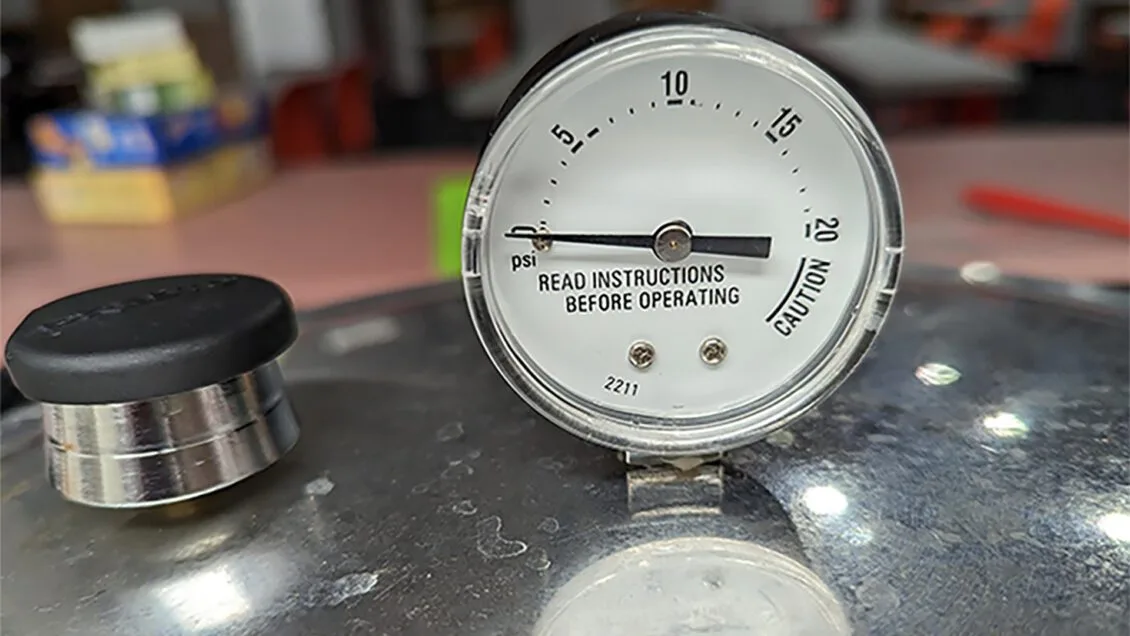
Image source: Web (Bing) / news.clemson.edu (Web image (fair-use with source credit))
The National Center for Home Food Preservation sets strict processing times for this. Cubed potatoes and whole potatoes require different timelines. You must follow tested protocols exactly as written.
Some older recipes suggest adding vinegar to lower the pH for water bath canning. Don't do this. You cannot reliably acidify dense potato chunks all the way through to the center at home.
Pressure canning removes the guesswork. It guarantees the internal temperature hits 240°F long enough to render the spores harmless. Always check your canner dial gauge for accuracy before starting a batch.
Frequently Asked Questions
What is the average pH of a raw potato?
A raw potato typically measures between 5.3 and 6.2 on the pH scale. This makes it slightly acidic. The exact number shifts based on the variety, soil conditions, and how long the tuber sat in storage before testing.
Are potatoes considered high acid or low acid foods?
Potatoes are strictly classified as low acid foods. The safety threshold for high acid foods is a pH of 4.6 or lower. Since potatoes sit well above that line, they require pressure canning to prevent botulism spores from surviving.
Does cooking change the pH of a potato?
Yes, cooking alters the final acidity. Boiling leaches organic acids and minerals into the water, which usually raises the pH of the flesh. Baking concentrates those compounds by driving off moisture, often dropping the pH slightly.
How do you stop cut potatoes from turning brown?
You need to drop the surface pH below 4.0 to shut down the browning enzyme. Soak your cut potatoes in cold water mixed with lemon juice or white vinegar. One tablespoon of acid per quart of water works perfectly for prep lines.
Can you test potato pH without a digital meter?
Standard pH test strips work for rough estimates, but they lack precision. A calibrated digital pH meter gives you the reliable data needed for food safety protocols. Always blend the potato into a distilled water slurry first to get an accurate reading.

Similar Posts