How to Get Rid of Spider Mites on Fiddle Leaf Fig
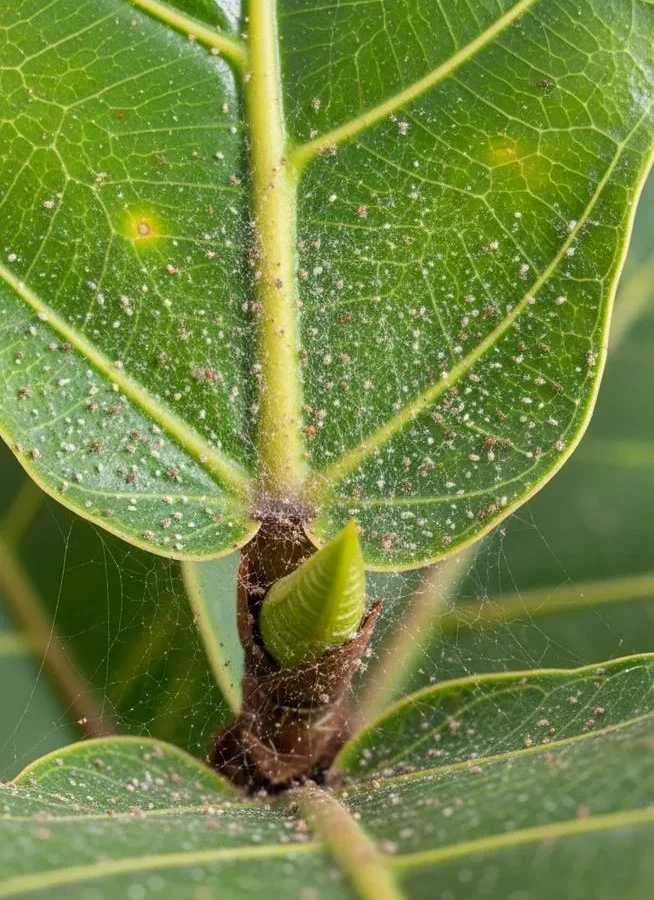
Dealing with spider mites fiddle leaf fig infestations requires immediate action to save your plant. These tiny arachnids reproduce rapidly and cause irreversible stippling damage if left unchecked. You need a targeted approach that balances effective eradication with the specific sensitivity of Ficus lyrata foliage.
Our research indicates two-spotted spider mites (Tetranychus urticae) can complete a full life cycle in just five days at 75°F. This rapid turnover means you must treat every seven to ten days to break the reproductive cycle effectively. Let’s walk through exactly how to diagnose severity and choose the right treatment path.
Quick Answer
Spider mites fiddle leaf fig damage appears as tiny yellow stippling. Check undersides of leaves for fine webbing or moving specks. Treat confirmed infestations with miticides or horticultural oils every seven days.
Increase humidity above sixty percent to suppress future outbreaks. Isolate affected plants immediately to prevent spread.
Is It Actually Spider Mites? Confirming Damage on Fiddle Leaf Figs
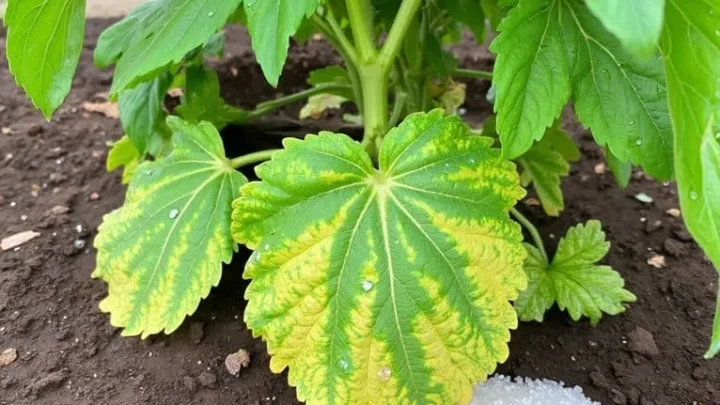
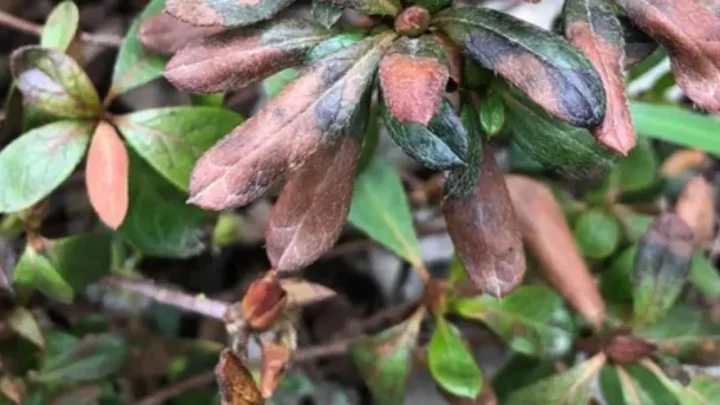
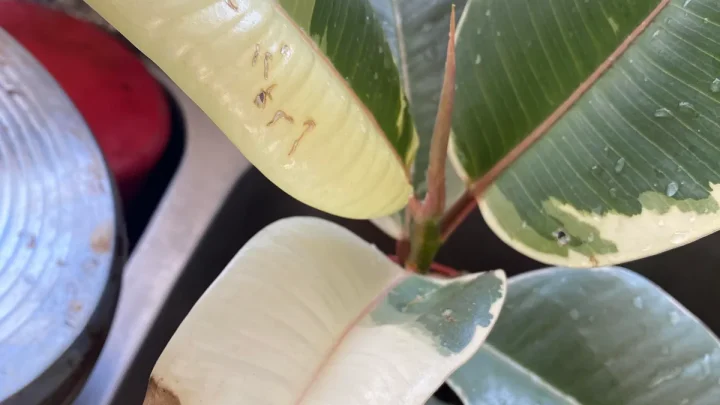
Misdiagnosis is the most common reason treatments fail on Ficus lyrata. Many growers mistake edema, fungal issues, or nutrient deficiencies for pest damage. True spider mite injury presents as distinct chlorophyll loss called stippling.
These pinprick-sized yellow or white dots cluster along veins first.
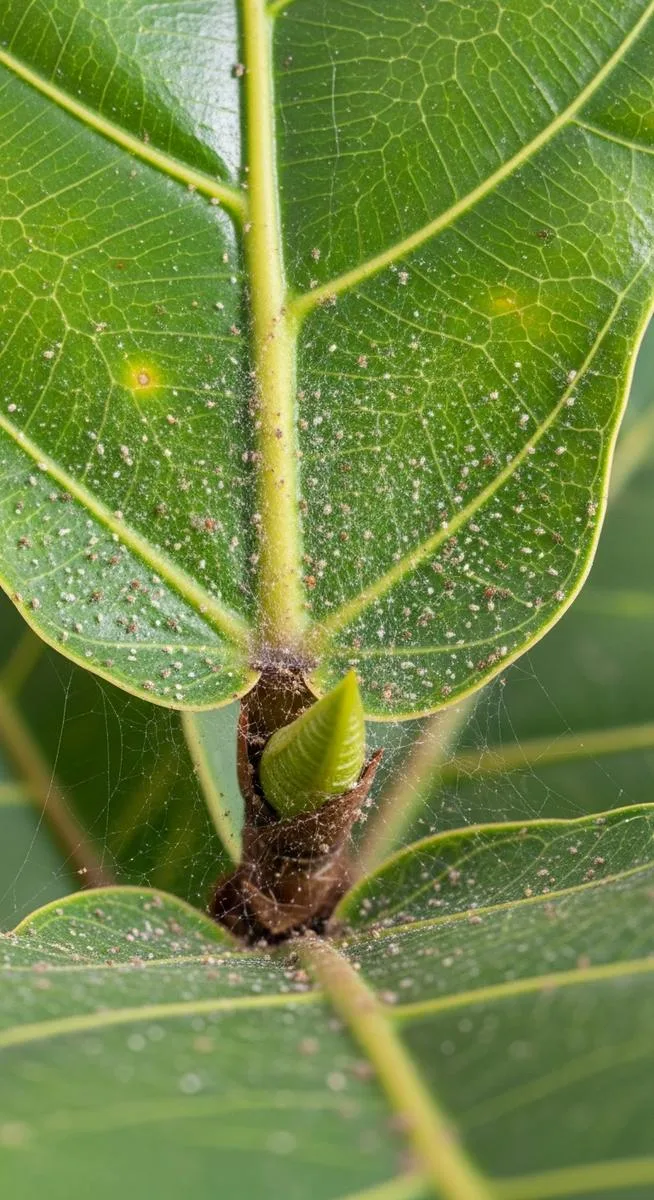
Image source: Bing (Web (fair-use with source credit))
You might also notice fine silk webbing at petiole junctions. This webbing protects eggs from contact sprays and desiccation. Heavy infestations cause bronzing, leaf drop, and stunted new growth.
Always confirm pests before applying any chemical treatment.
How to Perform the White Paper Test
Place a clean white sheet of paper beneath a suspect leaf. Tap the leaf firmly three to four times. Look closely for tiny moving specks that resemble pepper grains.
Wipe your finger across the paper to check for green or red streaks.
Those streaks confirm crushed mites rather than dust or debris. Use a 10x to 30x magnifying lens for positive identification. Adult two-spotted spider mites show two dark spots on their backs.
Larvae are smaller and lack these markings entirely.
Distinguishing Mite Damage from Other Issues
Edema causes brown corky bumps on leaf undersides without movement. Fungal leaf spot creates defined lesions with halos rather than scattered stippling. Nutrient deficiency produces uniform yellowing instead of pinpoint damage patterns.
Thrips leave silvery trails and larger visible insects.
Always verify live pests before starting any miticide rotation. Treating abiotic stress with pesticides only adds chemical burn risk. Your fiddle leaf fig is already sensitive to foliar applications.
Accurate diagnosis prevents unnecessary stress and wasted product.
The Treatment Decision Tree: Choosing Your Approach by Infestation Level
Your treatment strategy depends entirely on current colony density. Light infestations respond well to mechanical removal and cultural controls. Moderate outbreaks require contact miticides applied on strict schedules.
Severe cases demand rotational chemistry and possible biological controls.
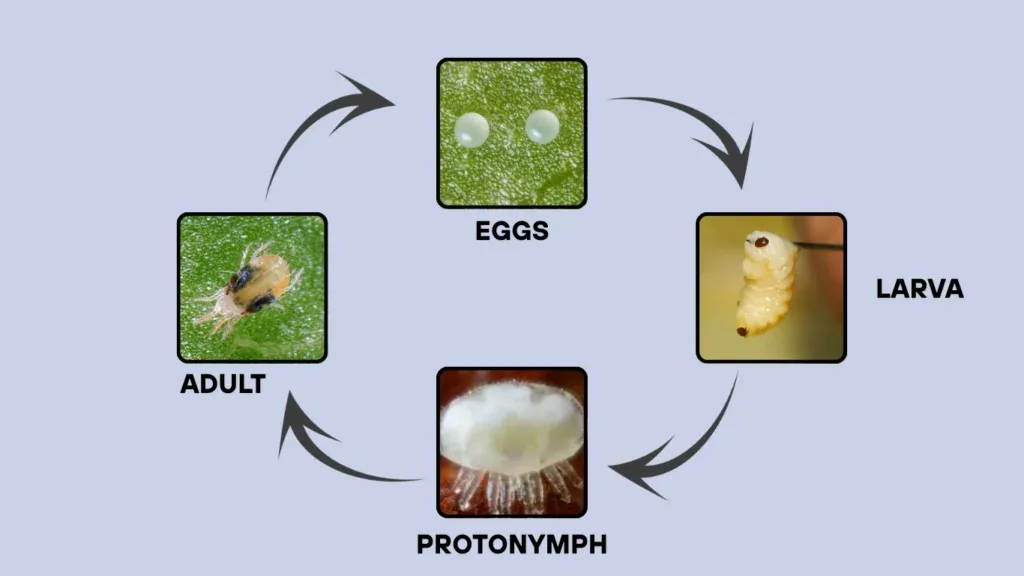
Image source: Bing (Web (fair-use with source credit))
Jumping straight to harsh chemicals for minor issues risks phytotoxicity. Under-treating heavy colonies allows resistance buildup and plant decline. Match your intervention intensity to what you actually observe.
Here is how we categorize severity levels based on UC IPM guidelines.
| Severity Level | Visual Signs | Recommended First Action |
|---|---|---|
| Light | Fewer than 10 mites per leaf, no webbing | Mechanical wipe, humidity increase, monitor weekly |
| Moderate | Visible stippling, some webbing, 10-50 mites/leaf | Insecticidal soap or neem oil every 7 days |
| Heavy | Extensive webbing, bronzing, leaf drop, 50+ mites/leaf | Synthetic miticide rotation, consider predatory mites |
| Critical | Plant defoliating, colony spreading to neighbors | Aggressive chemical rotation, isolate, evaluate salvageability |
When Mechanical Control Is Enough
Light infestations often resolve without chemicals if caught early. Wipe each leaf thoroughly with a damp microfiber cloth. Focus on undersides where colonies establish first.
Follow up with daily misting or humidifier use to maintain 60% RH.
Monitor treated plants every three days for two weeks. Any resurgence means escalating to contact sprays immediately. Mechanical removal works best on small collections with few affected leaves.
Large specimen trees rarely allow thorough enough wiping alone.
Escalating to Contact Miticides
Moderate infestations need products that kill on contact but spare tissue. Insecticidal soap disrupts cell membranes without residual toxicity. Neem oil acts as both contact killer and growth regulator.
Both require complete coverage including hidden leaf axils.
Apply these products during evening hours to reduce burn risk. Never spray under direct sunlight or above 85°F ambient temperature. Reapply every seven days minimum regardless of visible improvement.
Three consecutive applications are standard for breaking egg cycles.
Managing Heavy and Critical Outbreaks
Severe infestations overwhelm organic options quickly. Synthetic miticides like abamectin or bifenazate offer stronger knockdown power. Rotate modes of action every application to prevent resistance.
Growth regulators like etoxazole stop reproduction even if adults survive initially.
Consider releasing predatory mites (Phytoseiulus persimilis) alongside chemical treatment. Biological controls provide ongoing suppression between spray intervals. Critical cases may require pruning heavily damaged foliage first.
Reducing leaf surface area improves spray penetration and reduces colony habitat.
Step-by-Step Protocol: Mechanical Removal, Spraying, and Rotation
Successful eradication follows a predictable sequence every time. Preparation matters as much as product selection. Skipping steps like isolation or test patches leads to failure.
This protocol assumes moderate infestation requiring contact treatment.
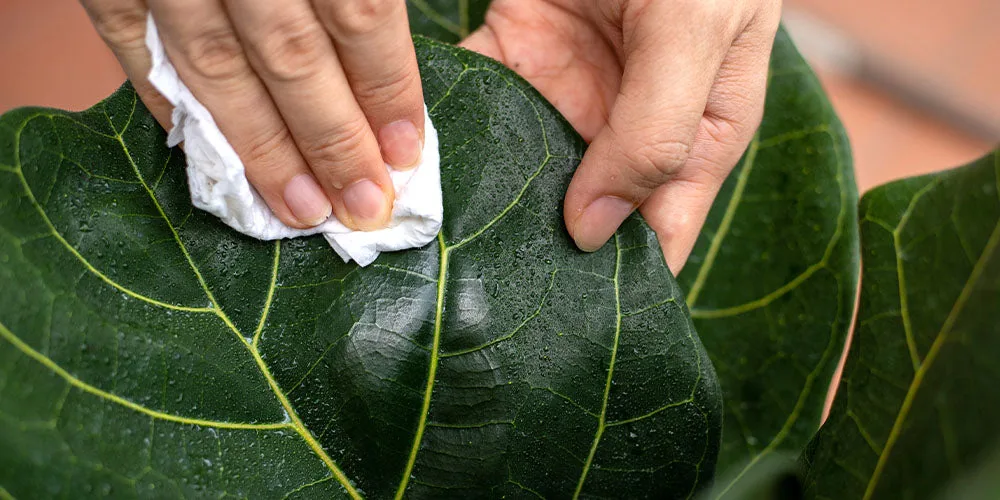
Image source: Bing (Web (fair-use with source credit))
Gather supplies before starting to avoid interruptions mid-process. You need pressurized sprayer, chosen miticide, microfiber cloths, and PPE. Read the entire product label before mixing anything.
Label directions are federal law and contain critical safety information.
Phase One: Isolation and Mechanical Prep
Move the affected plant away from all other houseplants immediately. Quarantine distance should be at least ten feet minimum. Remove severely damaged or dead leaves with sterilized shears.
Bag discarded material and dispose outdoors to prevent recontamination.
Shower rinse the plant if size allows and drainage permits. Use lukewarm water at moderate pressure to dislodge surface colonies. Support large leaves manually to prevent stem damage during rinsing.
Let foliage dry completely before applying any oil-based products.
Phase Two: Test Patch and Initial Application
Mix product according to label rates exactly. Never exceed recommended concentration hoping for faster results. Spray one inconspicuous leaf section and wait 24 to 48 hours.
Check for discoloration, curling, or necrosis before proceeding.
If no phytotoxicity appears, treat the entire plant thoroughly. Spray undersides first since that is where mites congregate. Work upward to prevent dripping onto already-treated surfaces.
Ensure coverage reaches petiole junctions and stem crevices where eggs hide.
Phase Three: Rotation Schedule and Monitoring
Mark your calendar for follow-up applications at seven-day intervals. Alternate product classes if treating beyond two cycles. Soap rotates safely with neem but not with other oils.
Synthetic miticides require specific MoA group alternation per IRAC guidelines.
Continue monitoring with white paper tests between treatments. Expect gradual improvement rather than instant eradication. New growth emerging clean confirms treatment success.
Maintain elevated humidity throughout the entire treatment period.
Why Fiddle Leaf Figs Are Different: Avoiding Phytotoxicity and Stress
Ficus lyrata reacts poorly to many standard mite treatments. Their large waxy leaves trap heat and concentrate residues. Oil-based products can suffocate stomata and cause permanent scarring.
Understanding this sensitivity prevents turning a pest problem into chemical damage.
Manufacturer specifications consistently warn against oil use on stressed ficus. Drought-stressed or recently repotted plants absorb products differently. Always hydrate thoroughly two days before any foliar application.
Turgid cells dilute absorbed compounds and reduce burn potential.
Products Known to Cause Burn
Neem oil causes issues more frequently than growers expect. Even diluted formulations can spot-burn in warm conditions. Horticultural oils vary widely in refinement and safety margins.
Dormant oils are never safe on herbaceous tropical foliage.
Insecticidal soaps are generally safer but still carry risk. Hard water reduces soap efficacy and increases residue buildup. Use distilled water for mixing whenever possible.
Avoid adding adjuvants or surfactants unless the label specifically permits them.
Environmental Factors That Amplify Damage
High light intensity accelerates phototoxic reactions dramatically. Never treat plants receiving direct afternoon sun exposure. Low humidity increases evaporation rate and residue concentration.
Maintain 50% to 60% RH during and after application.
Temperature extremes compound chemical stress significantly. Ideal treatment range is 65°F to 80°F ambient. Cold drafts slow drying and prolong leaf wetness.
Stagnant air promotes fungal secondary infections on compromised tissue.
Recovery Care During Treatment Period
Pause all fertilization until active infestation resolves. Salts in fertilizer interact negatively with miticide residues. Flush soil monthly with plain water to prevent accumulation.
Resume feeding at half strength only after two clean inspections.
Support recovery with consistent bright indirect light. Avoid relocating treated plants which adds transplant shock. New leaves may emerge smaller initially as energy redirects to defense.
Normal sizing returns once colony pressure stays eliminated long-term.
Preventing Reinfestation: Humidity, Sanitation, and Monitoring
Eradication fails without addressing the environmental conditions that allowed mites to thrive initially. Spider mites reproduce explosively in dry air below 40% relative humidity. Maintaining consistent moisture levels is your strongest long-term defense strategy.
Cultural controls matter as much as chemical treatments for lasting success.
Managing Indoor Humidity Effectively
Target 50% to 60% RH year-round for optimal suppression. Use a digital hygrometer placed near plant height for accurate readings. Cool-mist humidifiers work better than warm-mist models for tropical foliage.
Group plants together to create beneficial microclimate pockets naturally.
Avoid placing fiddle leaf figs near heating vents or radiators. Forced air dries foliage faster than ambient room conditions. Pebble trays provide minimal humidity benefit despite popular belief.
Direct misting offers only temporary relief and can promote fungal issues if overdone.
Sanitation Protocols Between Treatments
Wipe down surrounding surfaces with diluted bleach solution weekly. Mites crawl across floors and shelves to reach new hosts. Launder fabric curtains and cushion covers near infested plants.
Vacuum carpets and upholstery thoroughly to remove fallen debris.
Sterilize pruning tools between every cut during treatment periods. Isopropyl alcohol at 70% concentration kills eggs on contact. Change potting soil only if heavily contaminated with webbing.
Repotting adds stress that compounds existing pest damage significantly.
Long-Term Monitoring Schedule
Inspect undersides of leaves weekly even after apparent clearance. Focus monitoring efforts on new growth where colonies reestablish first. Keep white paper test supplies accessible for quick checks.
Document findings in a simple log to track seasonal patterns.
Quarantine all new acquisitions for minimum three weeks before introduction. Inspect nursery stock twice during isolation period carefully. Treat preventatively with insecticidal soap if source reliability is uncertain.
Prevention costs far less than repeated eradication attempts later.
Common Mistakes That Make Spider Mite Outbreaks Worse
Well-intentioned growers often accelerate plant decline through incorrect interventions. Misunderstanding mite biology leads to ineffective product choices and timing errors. Fiddle leaf figs punish mistakes harder than most houseplants due to sensitivity.
Avoiding these pitfalls saves specimens that might otherwise be lost.
Using Ineffective Products Repeatedly
Systemic granules like imidacloprid do not control spider mites. These products target sucking insects but lack acaricidal activity. Continuing ineffective treatments wastes critical intervention windows.
Colonies expand exponentially while you wait for results that never come.
Pyrethroid sprays often worsen outbreaks by killing natural predators. Two-spotted spider mites show widespread resistance to this chemical class. Resistance develops within single generations under selection pressure.
Always verify product labels specifically list mite control claims.
Incorrect Application Timing and Coverage
Treating only visible damage misses hidden satellite colonies. Eggs hatch continuously regardless of adult mortality rates. Missing undersides leaves breeding populations completely untouched.
Incomplete coverage guarantees rapid reinfestation within days.
Spraying during midday heat causes severe phytotoxicity burns. Oil residues magnify sunlight intensity on leaf surfaces. Evening applications allow slower drying and better absorption.
Temperature matters as much as product choice for safety outcomes.
Over-Treating and Ignoring Plant Stress
Applying chemicals more frequently than label directions permits damages tissue. Residue buildup interferes with photosynthesis and gas exchange. Stressed plants absorb toxins differently than healthy specimens.
Recovery requires rest periods between treatment cycles.
Neglecting root health undermines foliar treatment success. Overwatered roots cannot support immune responses to pests. Underwatered plants concentrate absorbed chemicals dangerously.
Balance soil moisture carefully throughout entire treatment protocol duration.

Similar Posts