Leaves Pointing Up? How Too Much Light Affects Your Plants

If you're searching for leaves pointing up too much light, you've probably noticed your plant doing something weird. The leaves are standing straight up like they're reaching for the ceiling. That's a stress signal, but it doesn't always mean your light is too intense.
Sometimes it means the exact opposite.
In our research across controlled environment agriculture studies, we found that leaf angle changes happen fast when Photosynthetic Photon Flux Density (PPFD) crosses species thresholds. Low light tropicals start stressing around 200 µmol/m²/s, while high light crops easily handle 800 µmol/m²/s. Let's figure out exactly what your plant is telling you.
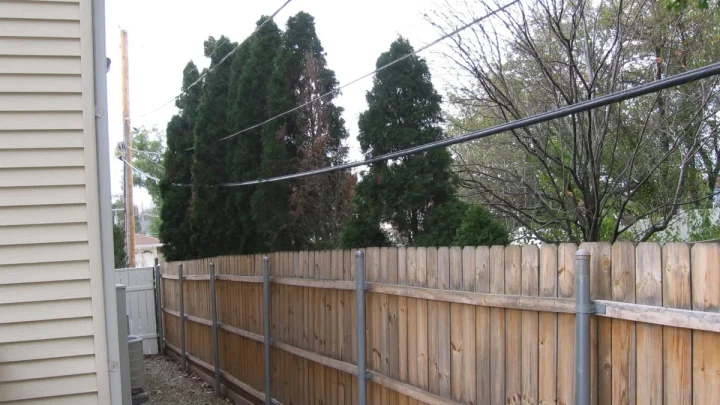
Image source: Bing (Web (fair-use with source credit))
Quick Answer
Leaves pointing up can mean too much light. They also point up to find more light. Check the time of day first.
Prayer plants fold up naturally at night. Measure your light intensity to know for sure.
Are Your Leaves Pointing Up Because of Too Much Light? (The Quick Test)
Yes, too much light causes leaves to point up, but it is not the only reason. Plants use leaf movement to manage energy intake. When light levels exceed what the plant can process, the leaves angle upward to reduce their exposed surface area.
This protects the tissue from photoinhibition and heat damage.
You need to look at the texture of the leaf itself. If the leaves pointing up feel firm, thick, or curled inward like a taco, that is classic light stress. The plant is physically trying to hide from your grow light or window.
Aggregate user reviews from indoor growers consistently report this "tacoing" effect under uncooled LED boards hung too close to the canopy.
If the leaves feel soft, thin, and stretched out, your plant is actually starving for photons. It points up because it is desperately reaching for a light source that is too far away. Etiolation looks completely different from light burn once you know what to touch.
Here is a quick way to separate the two conditions based on physical traits.
| Symptom | Too Much Light | Too Little Light |
|---|---|---|
| Leaf Texture | Firm, crispy, thick | Soft, thin, papery |
| Leaf Shape | Curled edges, taco shape | Flat, wide open |
| Stem Spacing | Tight, compact internodes | Long, stretched gaps |
| Color | Pale, bleached, or yellow | Dark green, faded |
| Time of Day | Constant during the day | Constant all day |
The time of day matters just as much as the texture. A plant that stands up at noon but relaxes by evening is reacting to peak intensity. A plant that stays locked in a vertical position all day long is dealing with chronic environmental stress.
The 3 Reasons Leaves Stand Straight Up
Plants don't move randomly. Every upward shift comes down to specific biological triggers. Understanding these three mechanisms stops you from making the wrong adjustment to your setup.
Nyctinasty (The Sleep Cycle)
Nyctinasty is a circadian rhythm response where leaves fold or point upward in the dark. You see this constantly in Maranta, Calathea, Stromanthe, and Ctenanthe species. These are commonly called prayer plants for exactly this reason.
The movement happens at the pulvinus, which is a swollen motor joint at the base of the leaf stem.
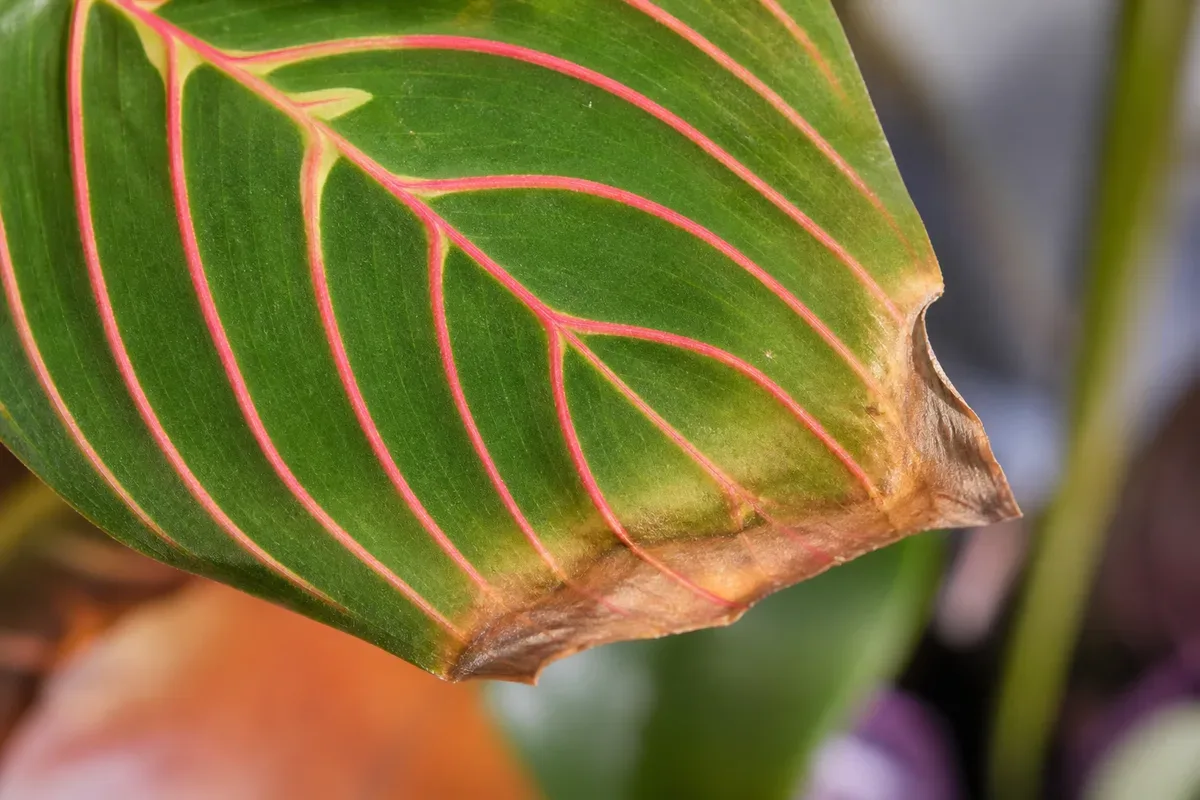
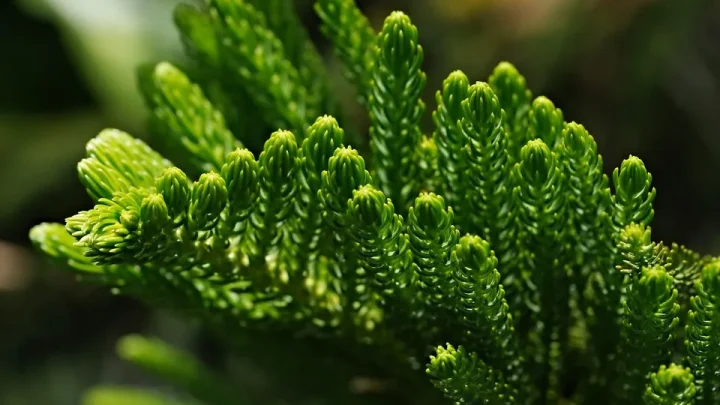
Image source: Bing (Web (fair-use with source credit))
Motor cells inside the pulvinus change their turgor pressure based on light exposure. When the lights go off, water shifts between flexor and extensor cells. The leaf stands straight up.
If your plant does this every night and drops flat every morning, your lighting is perfectly fine. Don't touch anything.
Phototropism (Reaching for Light)
Phototropism happens when a plant bends toward a light source. If your fixture is weak or mounted too high, the plant stretches vertically to capture more Photosynthetically Active Radiation (PAR). This isn't stress.
It is survival. Seedlings do this aggressively under low output fluorescent T5s.
University extension programs like Purdue University Extension confirm that blue light spectrums drive this directional growth heavily. If you run a blurple panel lacking balanced spectrum output, expect erratic stretching. The leaves point up because the plant thinks it is buried under a forest canopy fighting for scraps of sun.
Paraheliotropism (Avoiding Excess Light)
Paraheliotropism is the actual mechanism behind "too much light" stress. The plant angles its leaves parallel to the incoming rays to minimize absorption. Think of it like turning sideways to avoid a strong wind.
High Daily Light Integral (DLI) accumulation forces this response.
If you push a shade loving houseplant past 8 mol/m²/day of DLI, paraheliotropism kicks in fast. The leaves point straight up at the fixture. This prevents cellular damage from excess energy that the chloroplasts simply cannot process.
Manufacturer specs for horticultural lighting always map PPFD footprints so you can avoid pushing sensitive species into this avoidance posture.
Decision Workflow: Diagnosing Your Plant's Leaf Angle
Fixing this requires a proper diagnostic sequence. Don't just move the light and hope for the best. Follow this workflow to isolate the exact variable causing the upward movement.
Step 1: Check the clock. Look at the plant at midday and again two hours after lights out. If the leaves drop flat in the dark, you are watching normal nyctinasty. Stop here.
No adjustments are needed.
Step 2: Feel the foliage. Run your fingers over the leaves pointing up. Crispy margins or rigid taco shapes mean light stress. Limp, paper thin leaves mean etiolation.
This tactile check separates the two most common issues instantly.
Step 3: Measure the PPFD at the canopy. You need a PAR meter for this step. Guessing based on fixture wattage fails because reflectors, lenses, and hanging height change everything. Hold the sensor exactly where the top leaves sit.
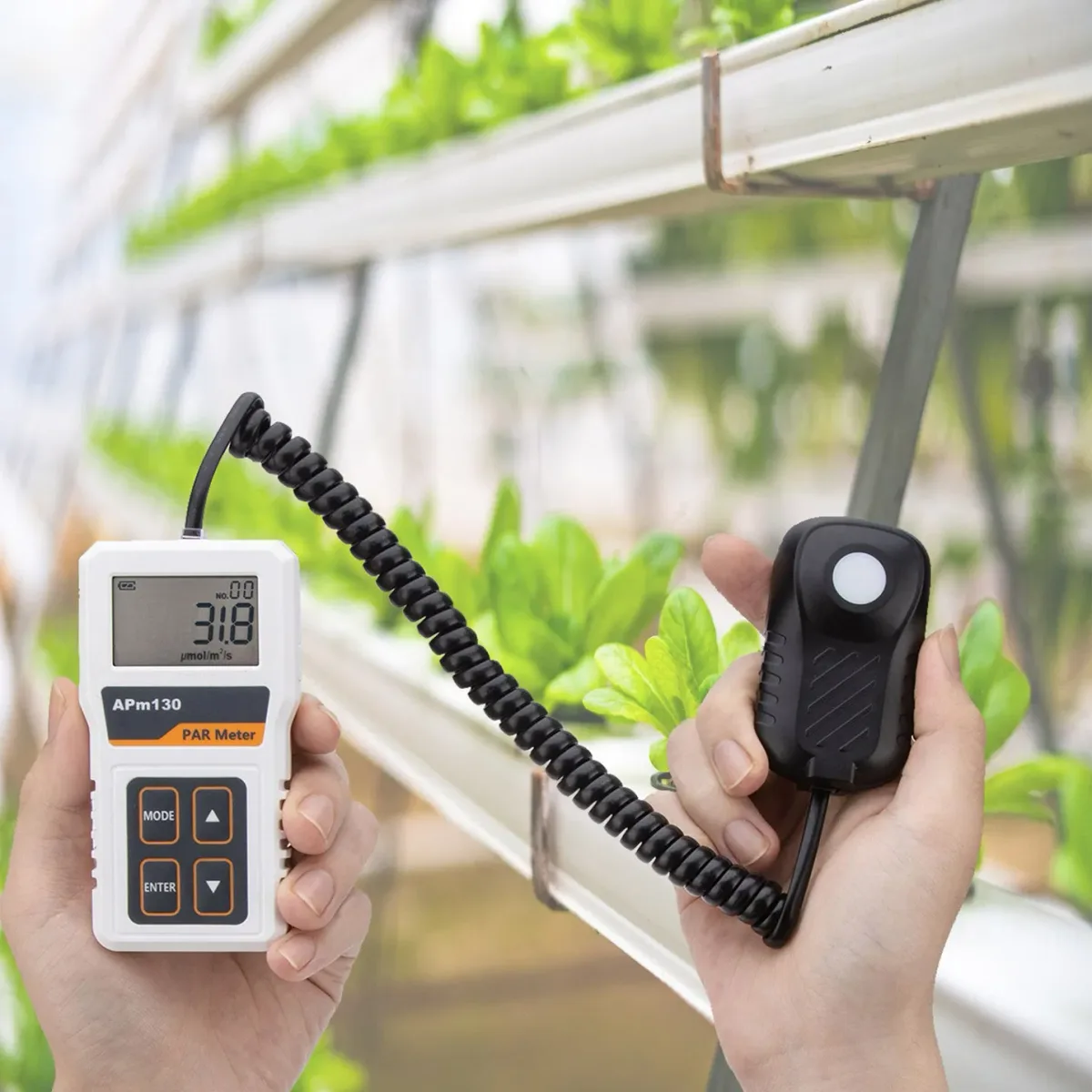
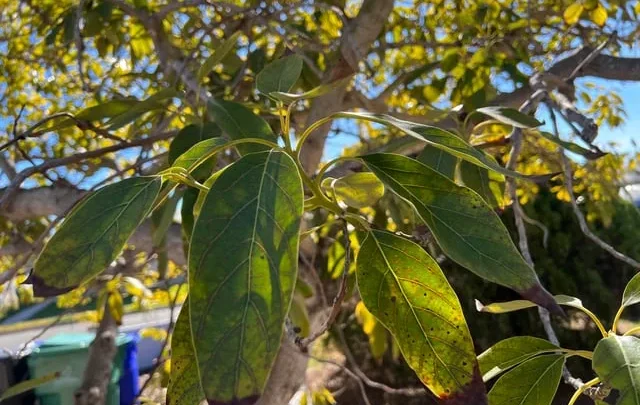
Image source: Bing (Web (fair-use with source credit))
Step 4: Compare your reading against species targets. Use the reference table below to see if your numbers match what the plant actually needs.
| Plant Category | Target PPFD (µmol/m²/s) | Target DLI (mol/m²/day) |
|---|---|---|
| Low Light Tropicals | 50 to 150 | 4 to 8 |
| Medium Light Foliage | 150 to 300 | 8 to 12 |
| High Light Crops | 600 to 1000+ | 25 to 40 |
Step 5: Check leaf surface temperature. Grab an infrared thermometer. Aim it at the highest leaf directly under the fixture. As of 2026, most modern LED boards run cooler than older HID setups, but thermal radiation still builds up.
If the leaf surface exceeds 85°F (29°C), the plant will point its leaves up to escape the radiant heat, even if the PPFD is technically correct.
Step 6: Make one adjustment and wait. If your PPFD is too high, raise the fixture or dim the driver. If your temperature is too high, add airflow. Never change both variables on the same day.
Wait 48 to 72 hours. Motor cells in the pulvinus take time to reset their turgor pressure. Watch the new growth, not the old leaves.
Old damaged tissue won't uncurl.
How to Fix Light Stress Without Killing Your Grow
Once your workflow confirms excess light, you have three main options to fix it. The right choice depends entirely on your hardware and space constraints.
Raising the fixture is the simplest solution. Light intensity follows the inverse square law. Doubling the distance cuts the PPFD hitting the canopy by roughly 75 percent.
Moving a light from 12 inches to 24 inches above a Calathea drops the intensity drastically without changing your electrical setup. Keep heavy fixtures secured properly to avoid accidents over wet soil.
Dimming the driver works better if you cannot raise the light. Most quality LED boards feature a 0 to 10V dimming knob or dial. Dialing back to 60 percent output reduces photon delivery immediately.
Just verify your specific driver supports smooth dimming. Cheap ballasts sometimes flicker or lose spectrum balance when pushed below 40 percent output.
Adding diffusion material is your third option. Shade cloth or frosted acrylic panels scatter the beam angle. This lowers peak PPFD hot spots while maintaining a wider spread across the canopy.
Commercial greenhouse operators rely on this method heavily during summer months when ambient sunlight pushes DLI past safe limits for understory crops.
Whatever method you pick, monitor the recovery closely. New leaves emerging flat and relaxed tells you the problem is solved. If the next set of leaves still points up, your ambient room temperature might be compounding the issue.
Low humidity combined with bright light accelerates transpiration. The plant curls up to conserve moisture. Misting rarely fixes this long term.
You need to stabilize the vapor pressure deficit in the room.
Common Mistakes That Make Upward Leaves Worse
People panic when they see their favorite plant folding up. That panic leads to bad decisions. Here are the errors we see constantly in aggregate grower feedback.
Chasing the symptom instead of the cause. You see leaves pointing up and immediately assume light burn. You move the fixture three feet away. Now the plant is starving for photons and starts etiolating.
Always measure PPFD before moving hardware. Guesswork ruins canopies.
Ignoring the difference between curling and lifting. A leaf lifting vertically from the petiole is a motor cell response. A leaf curling inward at the margins is often a hydration or root issue. Overwatering combined with high light creates massive confusion.
The roots drown, the leaves crisp up, and the plant folds in on itself. Check your soil moisture before blaming the fixture.
Adjusting multiple variables at once. You dim the light, add a fan, and change your watering schedule on the same afternoon. Three days later the plant looks worse. You have no idea which action caused the decline.
Change one thing. Document it. Wait three full days.
Forgetting about reflected light. White walls, mirrors, and reflective mylar bounce PAR back onto the plant. You measured the direct output from the fixture and got a safe number. But the total accumulated light hitting the leaf includes those reflections.
South facing windows in northern latitudes during summer solstice deliver brutal amounts of bounced ambient light. Factor in the whole room, not just the bulb.
Frequently Asked Questions
Why do prayer plant leaves point up at night?
Prayer plants fold their leaves upward in the dark due to nyctinasty. Water pressure shifts inside the pulvinus motor cells when light disappears. This is a normal circadian rhythm.
If the leaves drop flat again by morning, your lighting setup is perfectly fine.
Can too much light permanently damage curled leaves?
Yes, prolonged photoinhibition causes permanent cellular damage. Leaves that stay locked in a vertical taco shape for weeks often bleach out completely. That tissue will never uncurl or regain its green color.
You must lower the PPFD immediately so new growth emerges healthy and flat.
How far should LED grow lights hang above houseplants?
Hanging distance depends entirely on the fixture output and the plant species. Low light tropicals usually need 24 to 36 inches of clearance from standard LED boards. High light crops tolerate 12 to 18 inches safely.
Always verify the actual PPFD at canopy level with a PAR meter.
Does heat stress make leaves point up too?
Heat stress absolutely triggers upward leaf movement. Radiant heat from uncooled fixtures raises leaf surface temperatures rapidly. The plant folds its leaves vertically to reduce the surface area exposed to that thermal radiation.
Check the foliage with an infrared thermometer if you suspect heat buildup.
Will underwatering cause leaves to stand straight up?
Underwatering typically causes leaves to droop or curl inward rather than stand straight up. However, severe drought combined with intense light creates compounding stress responses. The plant might lift its leaves while simultaneously crisping the margins.
Check your soil moisture before adjusting your lighting hardware.

Similar Posts