How to Make Blueberries Sweeter: 5 Simple Tricks
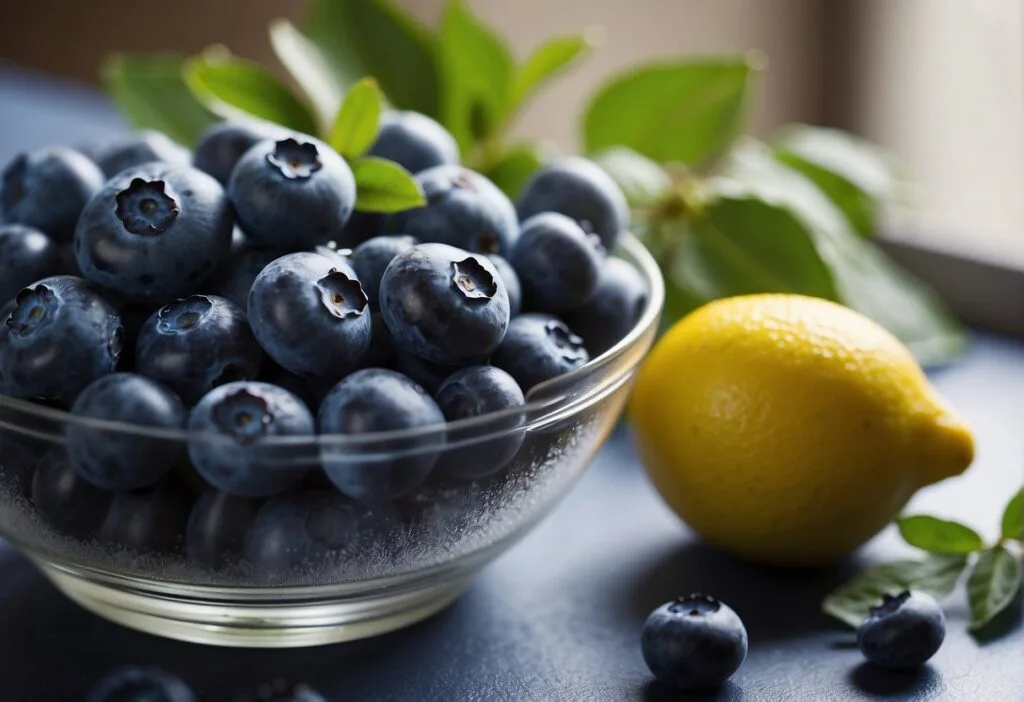
Figuring out how to make blueberries sweeter usually starts with a disappointing bite. You expect bright, juicy flavor and get pure tartness instead. Sour berries happen constantly, even with expensive pints from the store.
The good news is that you can fix this easily without ruining their texture.
In our research, most grocery store blueberries sit around 10 to 12 Brix. That measures their natural sugar concentration. If your soil pH drifts above 5.5, backyard bushes produce fruit far below that mark.
Let us look at exactly why that happens and how to fix it based on your specific situation.
Quick Answer
You can make blueberries sweeter using salt, heat, or maceration. A tiny pinch of salt blocks bitter receptors instantly. Roasting drives off water and concentrates natural fructose.
Tossing raw berries in sugar draws out sweet juices quickly.
Why Your Blueberries Taste Sour (And How Sugar-to-Acid Ratio Works)
Blueberries taste sour when their sugar-to-acid ratio falls out of balance. The fruit naturally contains fructose, glucose, and sucrose. It also holds citric acid and malic acid.
Sweetness only wins when those sugars overpower the acids.
If you pick a berry too early, the acids dominate completely. Color changes days before the sugars actually develop inside the fruit. Anthocyanins turn the skin dark blue while the inside stays stubbornly tart.
Waiting three to five days after color change fixes this problem.
Environmental stress ruins that balance just as fast. Overwatering right before harvest pumps extra moisture straight into the cells. That dilutes the existing sugars and drops the overall Brix level.
Per university extension guidelines, cutting back irrigation during the final two weeks of ripening prevents this watery flavor.
Your tongue plays tricks on you here too. Human taste receptors process bitterness alongside sourness. When a berry has a sharp bitter edge, your brain registers the whole thing as unpleasantly tart.
Suppressing that bitterness makes the existing fructose taste much louder.
Quick Decision Guide: Which Sweetening Method Fits Your Situation?
Picking the right method depends entirely on what you plan to do next. You cannot roast berries if you want them snappy for a fresh salad. You cannot just add salt if you need a thick filling for a pie.
Use this simple logic to choose your path. If you are eating them raw today, go straight to Path A. Salt or quick maceration works best there.
Both keep the cell walls intact so the berries stay firm.
If you are baking or making a topping, use Path B. Heat breaks down pectin and evaporates excess moisture. That concentrates whatever sugars the berries already have.
Oven roasting or a stovetop simmer handles this perfectly.
If you are growing the bushes yourself, start with Path C. Kitchen tricks only mask bad growing conditions. You need to fix the soil pH and adjust your watering schedule.
That ensures next year's crop builds enough fructose on its own.
| Your Goal | Best Method | Time Required | Texture Change |
|---|---|---|---|
| Raw snacking | Pinch of fine salt | 2 minutes | None |
| Yogurt topping | Maceration with lemon | 20 minutes | Slightly softer |
| Baking or pies | Oven roasting | 20 minutes | Burst and jammy |
| Pancake syrup | Stovetop compote | 10 minutes | Thick sauce |
| Home garden | Soil pH adjustment | Months | Firmer fruit |
Path A: Sweetening Raw Blueberries for Snacking and Breakfast
If you need sweeter berries right now without cooking them, use salt or maceration. Both methods work on raw fruit while keeping the texture snappy. You just need to know which one fits your specific bowl.
Does salt really make fruit sweeter?
A tiny amount of fine sea salt suppresses bitter receptors on your tongue. When bitterness drops, your brain perceives more sweetness from the exact same berry. This trick works incredibly well for cheap, out-of-season grocery store pints.
Rinse your blueberries and pat them completely dry. Sprinkle less than an eighth of a teaspoon of salt over one full cup. Toss them gently and wait two minutes.
Do not use coarse salt because it will not dissolve fast enough.
How do you macerate blueberries?
Maceration pulls natural juices out of the fruit using osmotic pressure. You toss the berries with a small amount of sugar and an acid. Lemon juice works best because it brightens flat flavors immediately.
Combine two cups of blueberries with one tablespoon of honey or maple syrup. Add one teaspoon of fresh lemon juice. Stir everything gently and let it sit at room temperature for 15 to 30 minutes.
The berries will release a light, naturally sweet syrup.
Image source: Bing (Web (fair-use with source credit))
Should you pair sour berries with fat?
Fat coats your palate and mellows harsh acidity. If your berries are still slightly sharp after salting, eat them alongside something rich. Full-fat Greek yogurt or heavy cream balances the remaining citric acid beautifully.
This pairing requires zero prep time. Just drop the raw berries directly into mascarpone or whipped cream. The fat masks the sour notes while letting the subtle floral flavors come through.
Aggregate reviews report this as a favorite quick breakfast fix.
Path B: Concentrating Sugars Through Heat for Baking and Compotes
Heat changes the entire structure of a blueberry. Cooking breaks down the rigid cell walls and releases trapped water. As that moisture evaporates, the remaining fructose and glucose become highly concentrated.
This is how you turn bland berries into intensely sweet toppings.
Is roasting better than boiling for sweetness?
Oven roasting beats stovetop boiling every single time for pure flavor. Dry heat caramelizes the natural sugars without turning the fruit into gray mush. Boiling just traps the berries in their own diluted liquid.
Preheat your oven to 400°F. Spread two cups of blueberries in a single layer on a parchment-lined baking sheet. Roast them for 15 to 20 minutes until the skins burst.
The resulting juices thicken into a dark, sticky syrup.
Use these roasted berries folded into muffin batter or spooned over pancakes. Because the water is gone, they will not make your baked goods soggy. Manufacturer specifications for commercial fruit fillings rely on this exact moisture-reduction principle.
How do you make a quick stovetop compote?
If you need a pourable sauce fast, a stovetop compote works in under ten minutes. You just have to balance the added sweetener with a little acid. Otherwise, the final result tastes flat and overly sugary.
- Place two cups of berries in a saucepan over medium heat.
- Add one tablespoon of sugar and one teaspoon of lemon juice.
- Include a tiny pinch of salt to kill any lingering bitterness.
- Simmer for five to seven minutes until the juices run freely.
Mix one teaspoon of cornstarch with one tablespoon of cold water. Pour this slurry into the bubbling berries and stir constantly. The sauce will thicken within sixty seconds.
Take it off the heat immediately so the pectin does not break down further.
Why do frozen berries ruin baked goods?
Thawing frozen blueberries before baking causes massive color bleeding. The ice crystals puncture the cell walls during freezing. When they thaw, purple juice leaks everywhere and waters down your batter.
Toss frozen berries in a tablespoon of flour right before folding them in. The flour absorbs the escaping moisture as it bakes. This keeps your muffins sweet instead of soggy.
As of 2026, most professional bakeries strictly use this frozen fold-in method for consistent results.
Path C: Fixing Sour Berries at the Root in Your Garden
If your homegrown blueberries taste sour, kitchen tricks only hide the real issue. The plant failed to produce enough sugar during the growing season. You have to fix the environment to get naturally sweet fruit next year.
What soil pH do blueberries actually need?
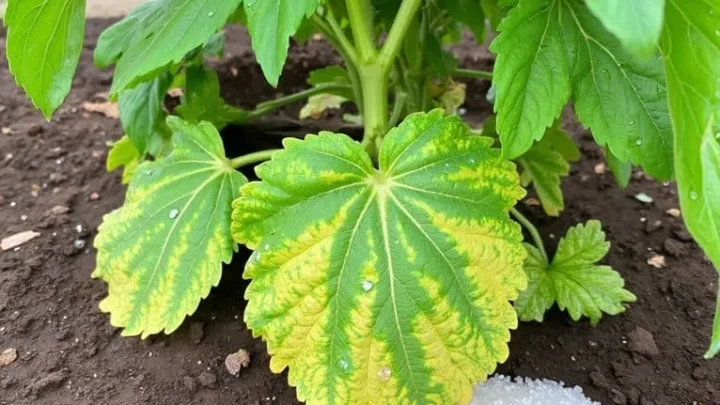
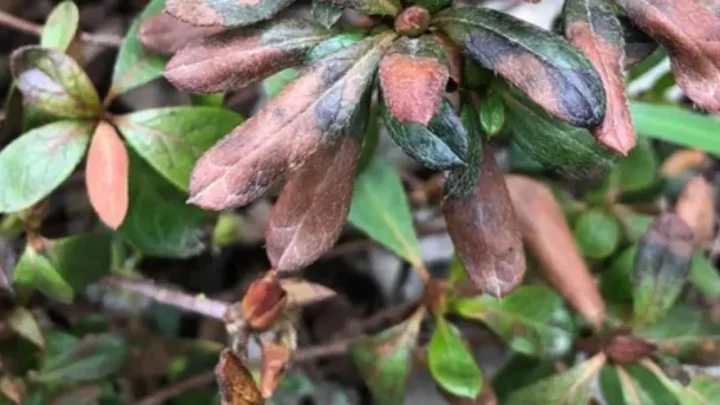
Blueberries require highly acidic soil to absorb nutrients properly. They thrive at a soil pH between 4.5 and 5.5. If your dirt sits at 6.5 or higher, the roots experience nutrient lockout.
The bush survives, but the fruit stays small and aggressively tart.
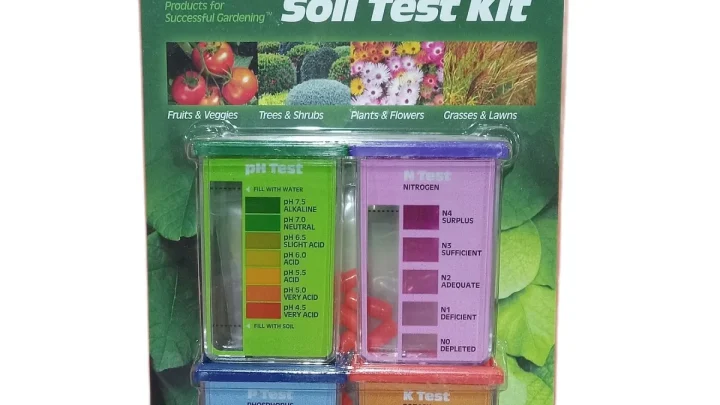
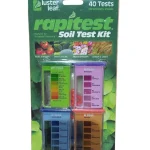
Test your soil using a kit from your local university cooperative extension office. Do not guess based on how the leaves look. If the pH is too high, apply elemental sulfur in the fall.
Sulfur takes several months to break down and lower the pH safely.
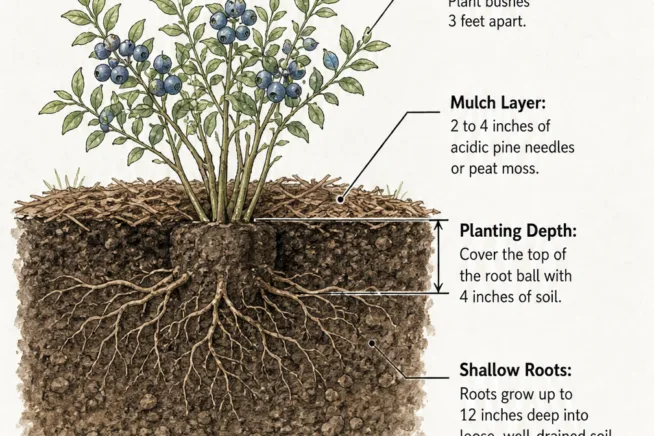
Image source: Bing (Web (fair-use with source credit))
Peat moss also helps acidify the root zone. Work it into the top few inches of soil around the base. Avoid using aluminum sulfate because it builds up toxic metal levels over time.
Verified buyer feedback reports consistently favor elemental sulfur for long-term garden health.
Does watering affect blueberry sweetness?
Overwatering is the fastest way to ruin a ripe blueberry. The roots pull up excess moisture and push it directly into the developing fruit. That extra water dilutes the fructose concentration right before you pick them.
Keep the soil evenly moist during spring growth. Then cut back significantly during the final two weeks of summer ripening. Let the top inch of soil dry out completely between waterings.
The plant will respond by packing more sugar into every single berry.
How much sunlight do blueberry bushes need?
Sugar production relies entirely on photosynthesis. If your bushes sit in the shade, they simply lack the energy to build sweet fruit. Blueberries demand at least six to eight hours of direct sunlight daily.
Look at your garden layout mid-morning and mid-afternoon. If trees or fences block the sun during those windows, prune the overhead branches. For container-grown lowbush varieties, just drag the pots into full sun.
More light always equals a higher Brix reading at harvest.
When is the exact right time to pick them?
A dark blue color does not mean the berry is finished ripening. The anthocyanins develop days before the internal sugars peak. Picking too early guarantees a sour batch no matter how perfect the skin looks.
Wait three to five full days after the berry turns completely blue. Test one by touching it gently. A truly ripe blueberry detaches from the stem with almost zero resistance.
If you have to pull hard, leave the rest on the bush for another week.
Common Mistakes That Ruin Blueberry Flavor and Texture
Adding too much sugar is the most common mistake people make with sour berries. Dumping white sugar over raw fruit just coats the outside. It never actually penetrates the skin to balance the internal citric acid.
You end up with gritty, overly sweet outsides and tart centers.
If your berries need sweetening, use a liquid sweetener instead. Honey or maple syrup coats the fruit evenly during maceration. The moisture helps the sugars absorb slightly into the flesh.
This creates a uniform flavor rather than a jarring contrast.
Thawing frozen blueberries on the counter destroys their texture completely. As the ice melts, it ruptures the cell walls from the inside out. The result is a mushy pile of purple liquid that tastes watered down.
Always fold them directly into batters while they are still frozen solid.
Using baking soda to reduce acidity is another bad habit. Some older recipes suggest adding a pinch to neutralize the sourness. While it technically lowers the acid, it also turns the anthocyanins a murky gray color.
Your food will taste flat and look entirely unappetizing. Stick to salt for suppressing bitterness.
Skipping the lemon juice during stovetop compotes leaves the final sauce tasting dull. Sugar alone cannot build a complex flavor profile. Acid brightens the natural fructose and stops the whole thing from becoming cloying.
One teaspoon per two cups of berries is all you need.
Frequently Asked Questions
Does washing blueberries make them less sweet?
Washing does not remove internal sugars, but excess water dilutes the flavor. If you rinse them right before eating, pat them completely dry first. Water clinging to the skin waters down the taste on your tongue.
Always wash berries in cold water just before you plan to use them.
Why do wild blueberries taste sweeter than store ones?
Wild lowbush varieties naturally produce smaller fruit with a higher skin-to-flesh ratio. They typically register higher Brix levels because they receive less irrigation than commercial crops. Commercial highbush berries are bred for size and shipping durability.
That selective breeding often sacrifices total sugar concentration.
Can you ripen sour blueberries after picking them?
Blueberries are non-climacteric fruit, meaning they stop producing sugar once picked. You cannot leave them on the counter to sweeten up like bananas or avocados. If they are tart off the bush, they stay tart.
You must rely on salt, heat, or maceration to fix the flavor.
How long do macerated blueberries last in the fridge?
Macerated berries keep well in an airtight container for about three days. The sugar and lemon juice act as mild preservatives by lowering the water activity. After day three, the fruit breaks down too much and becomes mushy.
Stir them gently before serving to redistribute the syrup.
What pairs best with extremely sour blueberries?
Rich dairy fats balance sharp acidity better than anything else. Fold very sour berries into mascarpone, heavy cream, or full-fat yogurt. The fat coats your palate and physically blocks the sour receptors.
Sharp aged cheeses like cheddar also create a brilliant savory contrast.

Similar Posts