Tomato Flower to Fruit: How Long Does It Really Take?
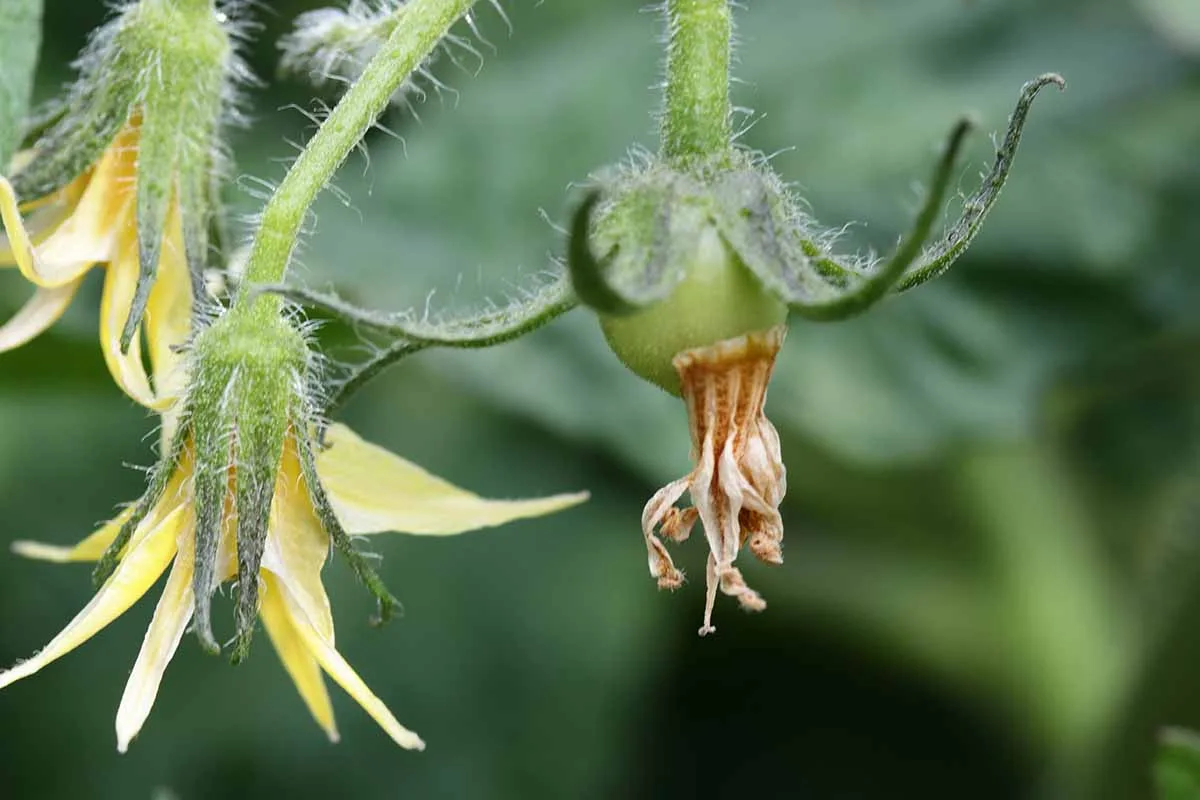
Knowing how long from tomato flower to fruit helps you plan harvests accurately. The answer depends heavily on the specific variety you are growing. Most gardeners see ripe fruit between 20 and 80 days after flowers open.
Temperature and pollination success also shift this timeline significantly.
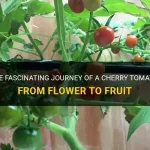
Image source: Web (Bing) / gardenerspath.com (Web image (fair-use with source credit))
University extension research confirms cherry types ripen in under 30 days. Large beefsteak cultivars often require 55 to 80 days for full color development. Understanding these variables prevents frustration when your plants seem slow.
Let us break down exactly what to expect from your crop.
Quick Answer
How long from tomato flower to fruit varies by type. Cherry tomatoes take 20 to 30 days. Slicing tomatoes need 40 to 50 days typically.
Beefsteak varieties require 55 to 80 days. Temperature affects all these timelines significantly.
The Real Timeline: Why Flower-to-Fruit Varies by Weeks
Genetics dictate the baseline speed of tomato fruit development. You cannot force a beefsteak to ripen like a cherry tomato. Seed packets list days to maturity from transplanting, not flowering.
This common confusion leads many growers to miscalculate their harvest window. Always subtract roughly 30 days from that packet number to estimate flower-to-fruit time.
Environmental conditions act as the throttle on genetic potential. Optimal fruit set occurs between 65°F and 85°F. Night temperatures below 55°F cause pollen sterility and blossom drop.
Days above 90°F make pollen nonviable even if flowers remain open. Your local microclimate determines whether you hit the fast or slow end of the range.
Pollination efficiency directly impacts how quickly fruit begins developing. Tomatoes are self-fertile but need vibration to release pollen. Windy sites or active bumblebee populations speed up this process.
Still air in greenhouses often requires manual shaking or electric pollinators. Unpollinated flowers either drop or produce misshapen fruit that stalls indefinitely.
Plant health and resource allocation create further variation. Heavy nitrogen fertilization promotes foliage at the expense of fruit set. Water stress during anthesis causes flowers to abort before fertilization.
Indeterminate varieties spread energy across continuous growth and fruiting. Determinate types concentrate energy into one massive fruit set wave. Matching your expectations to growth habit prevents unnecessary worry.
Quick Reference: Days to Ripe Fruit by Tomato Type
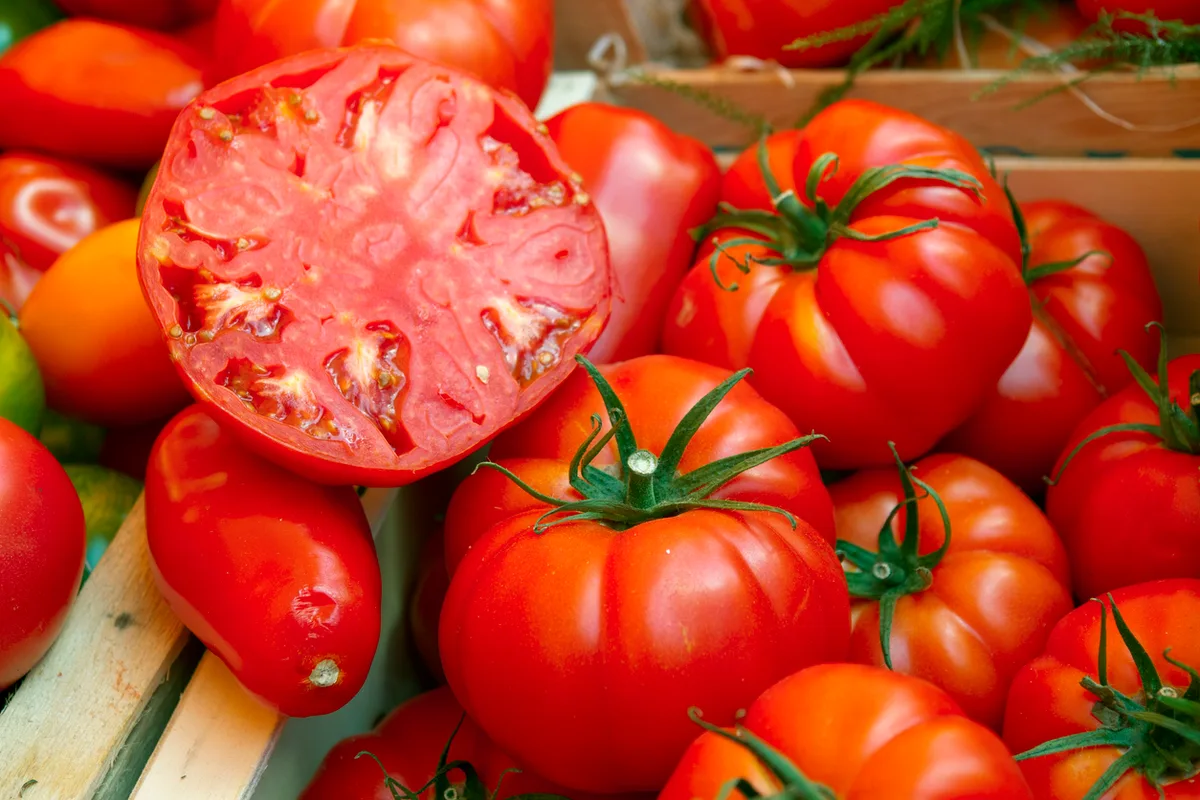
Image source: Web (Bing) / animalia-life.club (Web image (fair-use with source credit))
Use this table to set realistic expectations for your specific variety. These ranges assume optimal temperatures and successful pollination. Cool weather or poor light can add 10 to 20 days.
Hot spells above 90°F pause ripening entirely until temps drop.
| Tomato Type | Days From Flower to Red Ripe | Best For |
|---|---|---|
| Cherry and Grape | 20 to 30 days | Snacking, quick harvests, kids |
| Plum and Paste | 35 to 45 days | Sauces, canning, drying |
| Medium Slicer | 40 to 50 days | Sandwiches, fresh market sales |
| Large Beefsteak | 55 to 80 days | Show fruits, thick slices |
| Heirloom Varieties | 50 to 75 days | Flavor, seed saving, diversity |
Cherry and grape tomatoes develop fastest because they have fewer cells to fill. Their small size allows rapid sugar accumulation and color change. You will often see ripe fruit while larger varieties are still green.
This makes them ideal for impatient gardeners or short seasons. They also tolerate marginal pollination better than large-fruited types.
Paste tomatoes occupy a useful middle ground for preservation. They reach mature green stage relatively quickly but take time to develop deep red color. Harvesting at breaker stage speeds up kitchen processing.
Off-vine ripening works well for sauce types without major flavor loss. Plan for concentrated harvests rather than steady daily picking.
Large beefsteaks and heirlooms demand patience and stable conditions. Their extended development window increases exposure to pests and disease. Sunscald becomes a real risk during long hot summers.
These types benefit from partial shade cloth in intense climates. Accept that some fruit may never reach perfection in difficult years.
The Three Conditions That Speed Up or Stall Development
Temperature is the single most powerful variable in fruit development speed. Metabolic rates double with every 18°F increase within the optimal range. Fruit expansion slows dramatically below 60°F at night.
Sustained heat above 85°F shuts down lycopene production. Tomatoes stay yellow-orange even when fully soft in extreme heat.
If your nights are consistently cool, use row covers or low tunnels. Trapping residual ground warmth keeps fruit metabolism active. If daytime highs exceed 90°F regularly, provide afternoon shade.
Mulching roots keeps soil temperatures more stable. Evaporative cooling through consistent watering also moderates canopy heat.
Light intensity drives sugar production needed for ripening. Dense foliage shades developing fruit and delays color change. Strategic pruning opens the canopy without exposing fruit to sunscald.
Remove only suckers below the first fruit cluster initially. Later pruning should maintain dappled light rather than full exposure.
If your site gets less than six hours of direct sun, choose smaller fruited varieties. Cherry types ripen adequately in partial shade conditions. Large slicers simply lack the energy budget to complete development.
Reflective mulches can boost available light by 10 to 15 percent. Position taller crops to avoid casting shadows on tomato rows.
Water consistency affects cell expansion during the critical growth phase. Fluctuating moisture causes cracking as fruit absorbs water too rapidly. Chronic drought stalls development and produces tough skins.
Overwatering dilutes flavor and promotes root disease. Aim for steady soil moisture like a wrung-out sponge.
If rainfall is erratic, install drip irrigation with timers. Mulch heavily to buffer against dry spells. Container plants need daily checking in hot weather.
Group pots together to create humidity and reduce evaporation. Never let fruit-bearing plants wilt completely during expansion phase.
Reading Your Plant: Visual Stages from Bloom to Harvest
Recognizing developmental stages helps you predict harvest timing accurately. Anthesis marks day zero when the flower fully opens. Successful pollination shows as petal drop within three to five days.
The tiny green ovary swells visibly once fertilization occurs. Failed pollination means the flower drops cleanly without swelling.
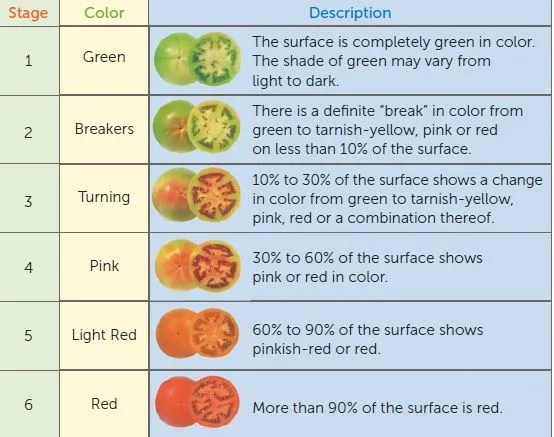
Image source: Web (Bing) / pinterest.com (Web image (fair-use with source credit))
Immature green fruit grows rapidly through cell division and expansion. Size stabilizes at the mature green stage before color appears. This transition takes 60 percent of total development time.
Fruit feels firm and seeds are fully formed inside. Harvesting before this point yields flavorless fruit that never ripens properly.
The breaker stage signals the beginning of ethylene-driven ripening. A pink or yellow blush appears on the blossom end first. Color spreads upward toward the stem over several days.
Fruit softens slightly and sugar content rises sharply. Picking at breaker prevents bird damage and splitting risks.
Full red ripe indicates maximum flavor and nutritional value. Lycopene synthesis completes throughout the entire fruit flesh. Seeds darken to tan or brown indicating maturity.
Fruit detaches easily with gentle twisting. Vine-ripened fruit at this stage offers peak eating quality.
According to UC ANR Vegetable Research, harvesting at first blush preserves shelf life without sacrificing taste. Commercial growers use this standard to balance quality and logistics. Home gardeners can afford to wait longer for superior flavor.
Just monitor closely for cracks or pest damage daily. Trust visual cues over calendar dates for best results.
Troubleshooting When Fruit Takes Too Long or Flowers Drop
Blossom drop without fruit set usually indicates temperature stress. Check your nighttime lows and daytime highs against optimal ranges. High humidity also clumps pollen and prevents transfer.
Tap flower clusters gently each morning during bloom periods. Electric toothbrushes work well for greenhouse pollination assistance.
Fruit stalling at mature green suggests insufficient heat units. Track accumulated growing degree days for your variety. Compare current season totals against historical averages.
If GDD is low, accept delayed harvest or pick at breaker. Ripen indoors near apples to boost ethylene exposure naturally.
Yellow shoulders indicate uneven ripening from potassium deficiency or genetics. Some heirloom varieties are genetically prone to this trait. Soil testing confirms whether nutrient adjustment helps next year.
Harvest affected fruit at first sign of body color. Cut away green shoulder portions before eating or processing.
Cracking happens when water uptake exceeds skin elasticity after dry periods. Maintain consistent soil moisture through mulch and irrigation. Harvest immediately before forecasted heavy rain events.
Choose crack-resistant varieties if your climate has erratic precipitation. Split fruit spoils quickly so process or eat promptly.
Catfacing and zippering result from cold temperatures during early fruit set. Protect transplants with covers until nights stay above 55°F. Avoid planting too early despite warm spring days.
Damaged fruit remains edible but stores poorly. Cull severely deformed fruit to redirect plant energy.
Poor fruit size despite good set often means inadequate leaf area. Over-pruning removes the photosynthetic factory feeding fruit. Leave sufficient foliage to support developing clusters.
Thin fruit load on indeterminate types during heavy sets. Sacrificing quantity improves remaining fruit size and quality.
Expert Tips to Keep Ripening on Track
Topping indeterminate plants accelerates ripening of existing fruit significantly. Cut the main stem above the last flower cluster four weeks before frost. This stops new growth and redirects all energy downward.
Existing green fruit matures faster without competing sinks. You sacrifice late potential for guaranteed harvest completion.
Cluster thinning improves size and speed for remaining fruit. Remove misshapen or smallest tomatoes when clusters exceed five fruit. Beefsteak types benefit most from limiting to three per truss.
The plant supports fewer fruits with greater resources each. Quality over quantity matters more as season ends.
Potassium feeds color development and sugar transport directly. Apply sulfate of potash at first sign of breaker stage. Avoid high nitrogen fertilizers once fruit begins coloring.
Excess nitrogen delays ripening and promotes soft growth. Soil tests confirm whether supplemental potassium is actually needed.
Ethylene exposure speeds up off-vine ripening safely. Place breaker-stage fruit in paper bags with ripe bananas. Check daily to prevent over-softening or mold.
Never use plastic bags which trap moisture and cause rot. This method works best for paste and slicer types.
Record keeping builds local knowledge for future seasons. Tag first open flowers with date and variety name. Track days to breaker and full ripe for each type.
Compare against seed packet claims and extension data. Your specific microclimate data beats generic averages every time.
Frequently Asked Questions About Tomato Flower to Fruit Timing
Why are my tomato flowers falling off without setting fruit?
Temperature stress causes most blossom drop in home gardens. Night temps below 55°F or above 75°F sterilize pollen. High humidity also clumps pollen preventing transfer.
Tap flower clusters gently each morning during bloom. Wait for conditions to improve rather than forcing set.
Can I speed up tomato ripening once fruit is green?
You cannot force immature green fruit to ripen faster. Only mature green fruit responds to ethylene or warmth. Harvest at breaker stage and ripen indoors instead.
Keep fruit at room temperature away from direct sun. Refrigeration halts ripening permanently so avoid cold storage.
Does pruning make tomatoes ripen faster?
Strategic pruning redirects energy toward existing fruit development. Topping indeterminate plants four weeks before frost helps most. Removing excess suckers opens canopy light penetration.
Over-pruning exposes fruit to sunscald and reduces photosynthesis. Balance air flow with adequate leaf cover always.
How do I know when a green tomato is mature enough to pick?
Mature green fruit reaches full size for its variety. Skin develops slight waxy sheen and firmness increases. Seeds inside are fully formed and tan colored.
Cutting one open confirms internal maturity visually. Immature fruit stays hard and never develops flavor.
Do heirloom tomatoes take longer to ripen than hybrids?
Many heirlooms require 50 to 75 days from flowering. Modern hybrids often breed for faster uniform ripening. Genetics determine baseline speed regardless of growing conditions.
Choose early-maturing heirlooms like Stupice for short seasons. Accept slower timelines for superior flavor and diversity.

Similar Posts