Ellwoodii Cypress Indoor Care: Essential Growing Guide
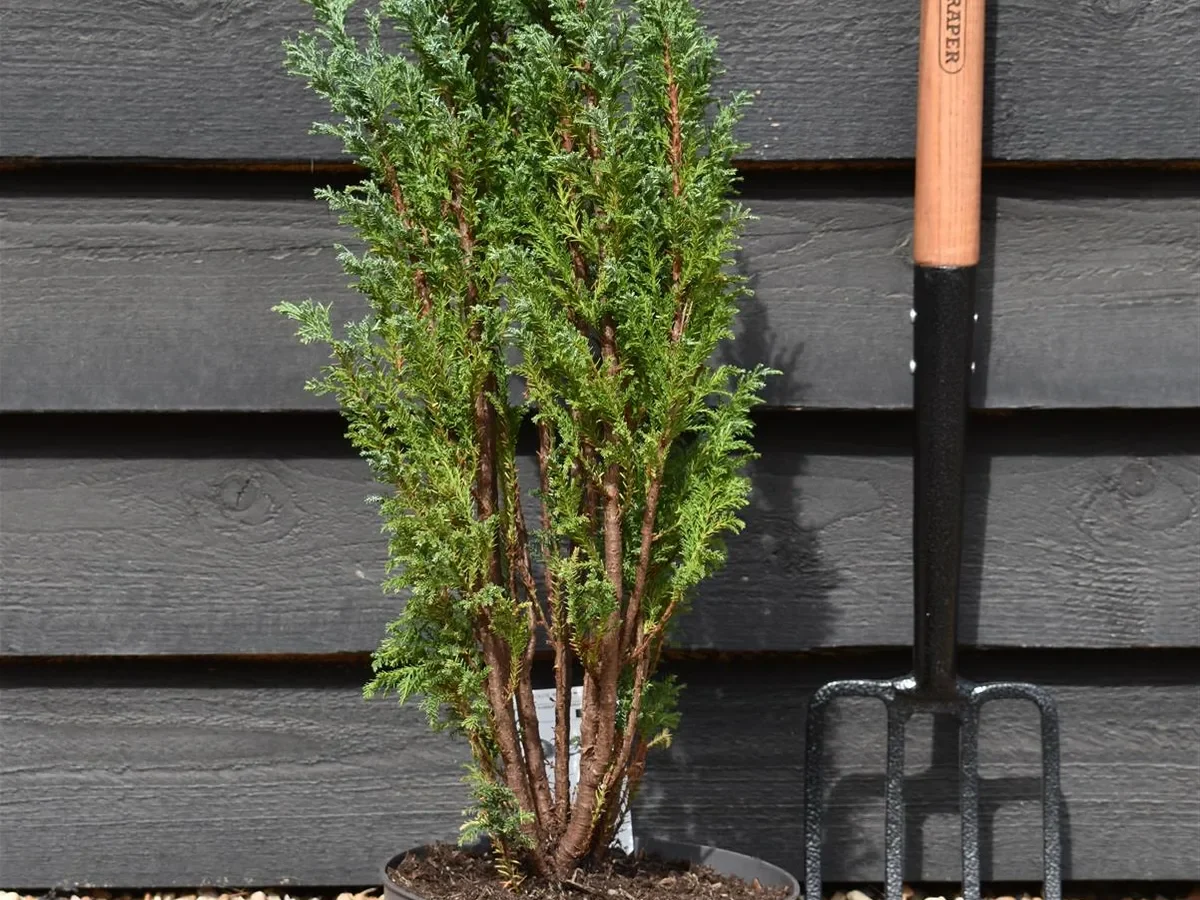
Getting ellwoodii cypress indoor care right means fighting your home's climate. This dwarf conifer (Chamaecyparis lawsoniana 'Ellwoodii') naturally grows in cool, damp outdoor environments. Central heating and dry air will kill it fast if you treat it like a standard houseplant.
Our research shows these trees need ambient humidity above 50% to survive indoors. Average winter homes sit at roughly 20% humidity. You have to build a specific workflow around light, water, and cold dormancy to keep the blue-green foliage alive.
Let's break down exactly how that works.
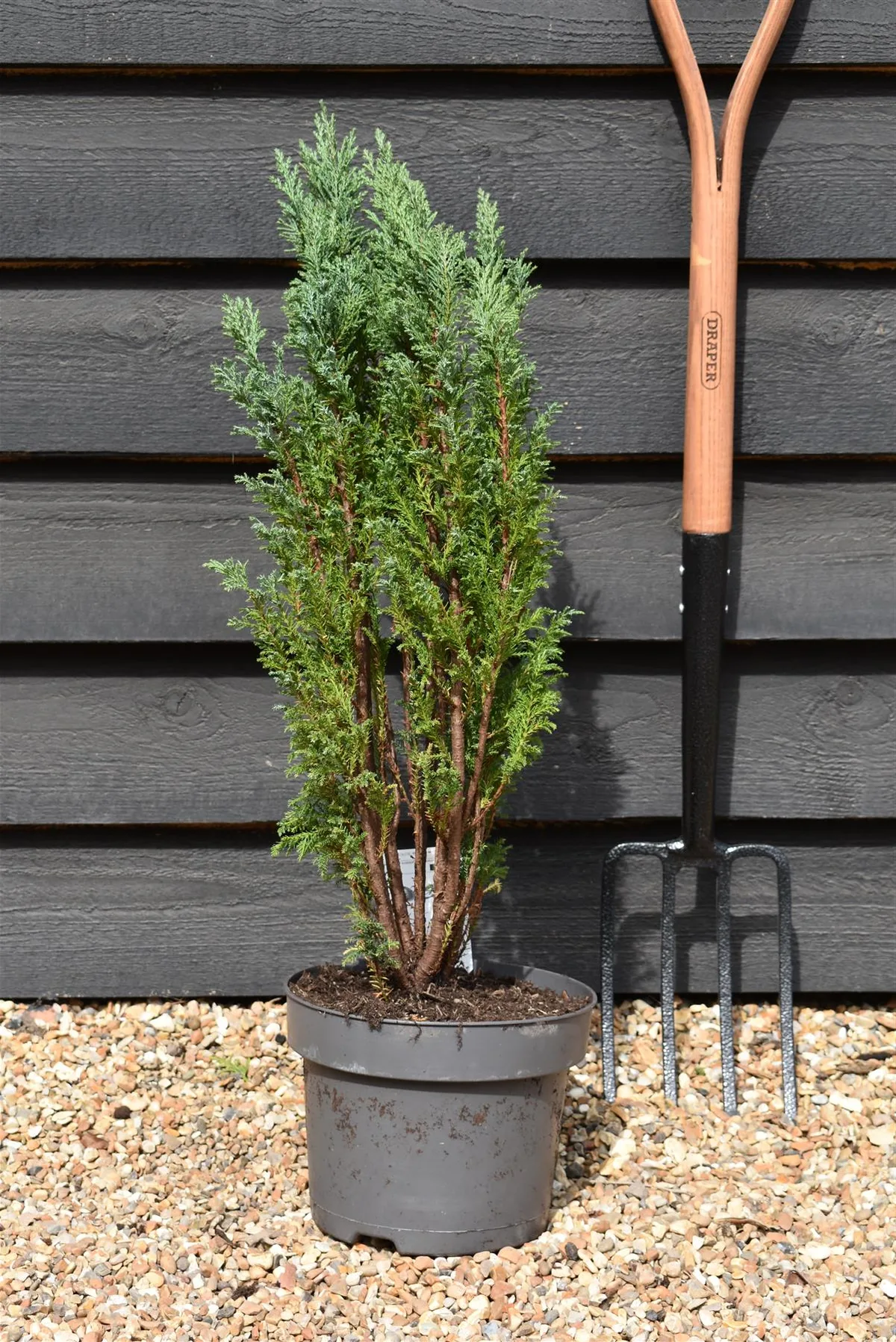
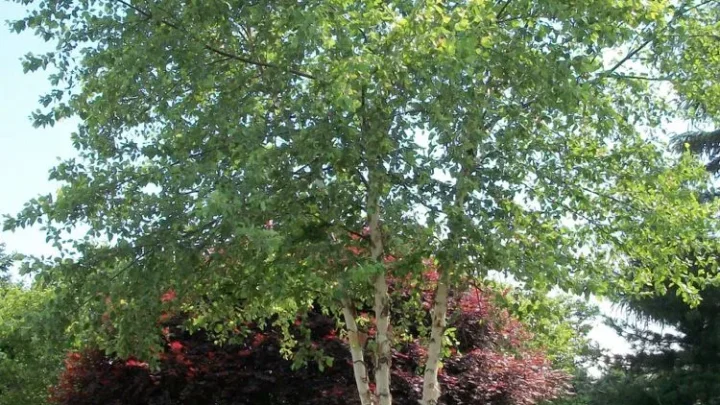
Image source: Web (Bing) / arundelarboretum.co.uk (Web image (fair-use with source credit))
Quick Answer
Ellwoodii cypress indoor care requires mimicking cool outdoor conditions. Keep humidity above 50 percent constantly. Water only when the top soil feels dry.
Provide bright indirect light near a window. Force a cold dormancy period every winter.
Why Your Ellwoodii Cypress Is Failing Indoors (And the Quick Fix)
Your living room is basically a desert to this tree. The Ellwoodii cypress evolved in the maritime climates of the Pacific Northwest. It expects constant moisture, cool breezes, and mild temperatures year-round.
Indoors, forced-air heating strips moisture from the needles. Aggregate reviews from container gardeners report rapid interior browning within weeks of bringing these trees inside. That crispy brown foliage won't turn green again.
Conifers cannot regenerate growth from old, bare wood.
The quick fix involves changing your entire approach to the plant. Stop treating it like a tropical houseplant. Start treating it like a temporary outdoor guest that happens to be sitting in your house.
You need three things working together immediately. High ambient humidity, perfectly timed watering, and cooler room temperatures. If any one of those variables fails, the tree starts declining.
Think of this as a decision tree for survival. Every time you check on the plant, you run through a short list of environmental conditions. If the air is dry, you run the humidifier.
If the soil is wet, you hold off on watering.
This workflow prevents the two biggest killers we see. Those are desiccation from low humidity and root rot from panic-watering dry-looking needles. We'll map out the exact branches of this decision process next.
As of 2026, university extension programs continue to stress proper acclimatization for temperate conifers. Moving a nursery-grown tree straight into a heated room causes thermal shock. Always stage the tree in a cool transitional space first.
A cool garage or enclosed porch works perfectly for this staging phase. Leave it there for seven to ten days before moving it to its final indoor spot. This slow transition keeps the roots from panicking.
The Indoor Care Decision Tree: Light, Water, and Humidity Workflows
Daily care relies on checking specific conditions and reacting accordingly. You don't follow a calendar schedule. You follow what the tree and the room tell you.
Here is the core workflow you should run every single day. Check the light, test the soil, and measure the humidity. Adjust your actions based on those three readings.
| Condition Variable | If You Observe This | Then Take This Action |
|---|---|---|
| Soil Moisture | Top two inches feel bone dry | Water deeply until drainage flows freely |
| Soil Moisture | Top two inches feel damp | Do nothing, check again tomorrow |
| Ambient Humidity | Room reads below 50% | Turn on an ultrasonic humidifier immediately |
| Light Exposure | Needles look pale or stretched | Move the pot closer to the window glass |
| Temperature | Room exceeds 65°F consistently | Relocate the tree to a cooler entryway |
Branch 1: Reading the Soil Moisture at 2 Inches Deep
Watering mistakes kill more indoor conifers than anything else. People see brown needles and assume the tree needs water. Often, the soil is already completely saturated.
Stick your finger two inches into the potting mix. If it feels barely moist, it is time to water. If it feels wet or muddy, walk away.
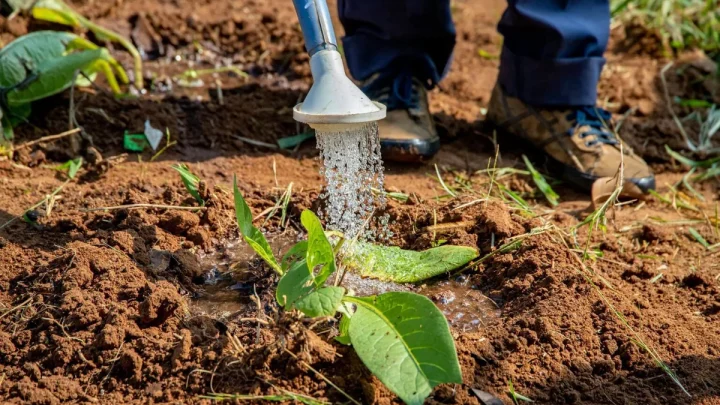
When you do water, soak the entire root ball. Pour slowly until water runs out the bottom drainage holes. Then dump the saucer completely.
Never let the nursery pot sit in standing water.
Standard potting soil holds too much moisture for this species. Per American Conifer Society guidelines, container conifers require excellent drainage. Mix in about 30% perlite or pumice by volume to create macroporosity.
This gritty blend allows oxygen to reach the shallow, fibrous roots. Without that oxygen, Phytophthora pathogens take over quickly. Root asphyxiation happens silently beneath the soil line.
Branch 2: Choosing Your Humidity Method (50%+ Target)
Humidity is non-negotiable for this tree. You must maintain levels above 50% relative humidity. Anything less triggers rapid evapotranspiration that the roots cannot replace.
An ultrasonic humidifier placed within three feet of the canopy is the most reliable method. Run it daily during the heating season. Refill it often.
Pebble trays offer a secondary layer of defense. Fill a wide tray with stones and add water just below the stone line. Set the pot directly on top of the stones.
Misting provides only temporary relief. The water evaporates within minutes in a heated room. Don't rely on a spray bottle as your primary humidity strategy.
Grouping plants together creates a shared microclimate. Just ensure enough airflow exists between the pots. Stagnant, humid air invites fungal issues on the awl-shaped needles.
Branch 3: Positioning for Bright, Cool Light
Light drives the tree's ability to manage water. Place the pot within two feet of an east-facing or north-facing window. Direct midday sun through south glass will bake the foliage.
If you only have a west or south window, use a sheer curtain. Filter the harsh rays while letting the brightness through. Distance matters here.
Keep the tree no further than six feet from the glass. Beyond that distance, light intensity drops drastically. The tree will shed interior needles to conserve energy.
Watch for signs of light starvation. Dropping inner needles while tips stay green means the center isn't getting enough photons. Move the pot closer to the glass immediately.
Temperature ties directly into light placement. Avoid putting the tree near radiators or heating vents. The ideal range sits between 50°F and 65°F.
Keep it cool.
Holiday Display vs. Year-Round Container: Which Path Are You On?
Your care routine splits into two distinct paths here. Decide right now if this tree is a temporary holiday decoration or a permanent indoor resident. The workflows differ entirely.
If you bought this as a living Christmas tree, your timeline is strictly limited. Keep the tree indoors for a maximum of three to four weeks. Any longer forces it to break winter dormancy prematurely.
Don't repot a temporary holiday tree. Leave it in the plastic nursery pot it came in. Slip that nursery pot into a decorative cache pot for display purposes.
Skip fertilizer entirely during this short holiday stint. The tree doesn't need extra nutrients for a month-long indoor vacation. Focus solely on keeping the soil slightly moist and the air humid.
Once the holidays end, you must reverse the acclimation process. Don't shove a warm tree straight into freezing outdoor weather. Move it back to that cool garage or porch for another week.
After that transition week, plant it in the ground outdoors. Choose a spot with good drainage and partial shade. It belongs outside permanently if you used it just for December.
Long-term indoor cultivation demands much more effort. You are fighting the plant's biological programming year-round. This path requires strict substrate management, seasonal feeding, and artificial chilling periods.
Repot long-term specimens in early spring before new growth flushes. Use that gritty conifer mix we discussed earlier. Add a diluted balanced liquid fertilizer monthly during spring and summer only.
Stop all feeding by early autumn. The tree needs to slow down metabolically before winter hits. Pushing growth late in the year weakens the plant against indoor stress.
Pruning also changes based on your path. For long-term containers, tip-pinch new spring growth to maintain a compact shape. Never cut back into brown wood.
Temporary holiday trees shouldn't be pruned at all. Just enjoy the natural columnar form for a few weeks. Get it planted outside where it can grow properly.
Choosing the wrong path causes most failures. Treating a temporary tree like a permanent houseplant ruins it. Pick your lane and stick to the corresponding workflow.
Forcing Winter Dormancy: The Step-by-Step Chill Protocol
Temperate conifers require a cold rest period to reset their biological clocks. If you keep an Ellwoodii in a warm house 365 days a year, it exhausts itself. Growth stalls and foliage thins out.
You must provide vernalization manually if the tree lives indoors full-time. This means simulating winter chilling hours artificially. Skip this step and the tree declines steadily over two to three years.
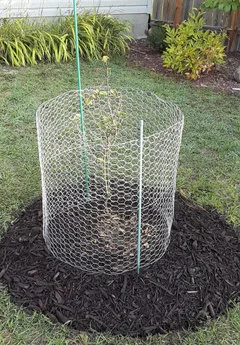
Image source: Web (Bing) / houzz.com (Web image (fair-use with source credit))
Start planning the chill protocol in late autumn. Watch your local weather forecasts closely. You need a space that stays reliably between 35°F and 45°F.
An unheated attached garage with a small window works best. A screened porch or cold frame also handles this job well. The space needs some natural light but not intense sun.
Move the tree to this cold zone for six to eight weeks. This usually aligns with the deepest part of your local winter. Timing varies by region, so watch the thermometer.
Watering changes drastically during dormancy. The tree isn't actively growing or transpiring much. Overwatering now guarantees root rot in the cold.
Check the soil once a week during the chill period. Only water if the top few inches feel completely dust-dry. Give it just enough moisture to keep the roots from desiccating.
Avoid fertilizing entirely during these six to eight weeks. The roots are essentially asleep. Nutrients sitting in cold, wet soil burn the root hairs.
Monitor the temperature daily. If the space drops below freezing, the container roots risk severe damage. Potted roots lack the earth's insulation and harden off slower than ground roots.
Wrap the nursery pot in bubble wrap or burlap if temperatures dip. Protecting the root ball is your main priority here. The foliage handles cold fine, but the roots do not.
After the six to eight weeks pass, begin the warming transition. Move the tree to a slightly warmer spot for a few days. Then return it to its normal indoor location.
You'll notice fresh, bright green growth emerging shortly after this chill period ends. That proves the dormancy worked. The tree successfully reset its internal cycle.
Skipping this protocol leads to spider mite vulnerability. Stressed conifers lacking chill hours produce weaker sap. Pests exploit that weakness rapidly in dry indoor air.
Treat this chill period as mandatory maintenance. It separates successful long-term indoor growers from people who accidentally kill their trees. Build it into your annual calendar.
Troubleshooting Dieback, Root Rot, and Spider Mites
Brown needles mean your tree is actively stressed. You need to identify the exact pattern before taking action. Random browning differs entirely from base-up dieback.
If the interior needles turn brown while tips stay green, check your light levels first. The canopy center isn't getting enough photons to survive. Move the pot closer to the window immediately.
Crispy brown foliage across the entire tree points to low humidity. Your room air is likely below 40%. Turn on that humidifier and keep it running constantly until the air stabilizes.
Yellowing needles combined with soft stems signal root rot. This happens when soil stays soggy too long. Pull the tree out of its pot and inspect the root ball.

Image source: Web (Bing) / gardeningknowhow.com (Web image (fair-use with source credit))
Healthy roots look firm and pale. Rotten roots turn dark, mushy, and smell foul. Trim away the dead sections with clean shears right away.
Repot the surviving roots in fresh, gritty soil. Use the perlite mix we covered earlier. Hold off on watering for a few days to let cuts callous over.
Spider mites target stressed conifers living in dry indoor air. Look for fine webbing between the awl-shaped needles. Tap a branch over white paper to spot tiny moving specks.
Increase humidity to discourage them. Wipe visible webbing away gently with a damp cloth. Severe infestations require an indoor-safe miticide applied exactly per label directions.
Needle drop when you brush past the tree indicates thermal shock. Moving the plant from a cold car into a warm house triggers this panic response. Always acclimate slowly.
Fire safety matters here too. Dried cypress foliage burns incredibly fast. Keep your tree far away from candles, space heaters, and faulty holiday lights.
Check your local agricultural extension office if you plan to move the tree outdoors later. State phytosanitary rules often restrict transporting live soil across borders to prevent spreading Phytophthora lateralis. Following those guidelines protects native forests.
Frequently Asked Questions
How long can an Ellwoodii cypress stay indoors?
Keep it inside for three to four weeks maximum during the holidays. Long-term indoor survival requires strict humidity control and artificial winter dormancy. Without those steps, the tree declines rapidly.
Why is my indoor cypress turning brown?
Low humidity causes widespread browning. Indoor heating drops moisture levels below what this conifer needs. Run a humidifier nearby to keep ambient moisture above 50% consistently.
Do I need to repot my holiday cypress tree?
Leave temporary holiday trees in their original nursery pots. Slip them into decorative cache pots instead. Only repot trees you plan to keep indoors year-round, using a gritty soil blend.
Can I keep an Ellwoodii cypress inside year-round?
Yes, but you must provide a six-week cold dormancy period every winter. Move the tree to a space between 35°F and 45°F. Skip this step and the tree eventually dies.
How often should I water my indoor cypress?
Never water on a fixed schedule. Check the top two inches of soil daily. Water deeply only when that top layer feels completely dry to the touch.

Similar Posts