How to Grow Drift Roses in Containers Successfully
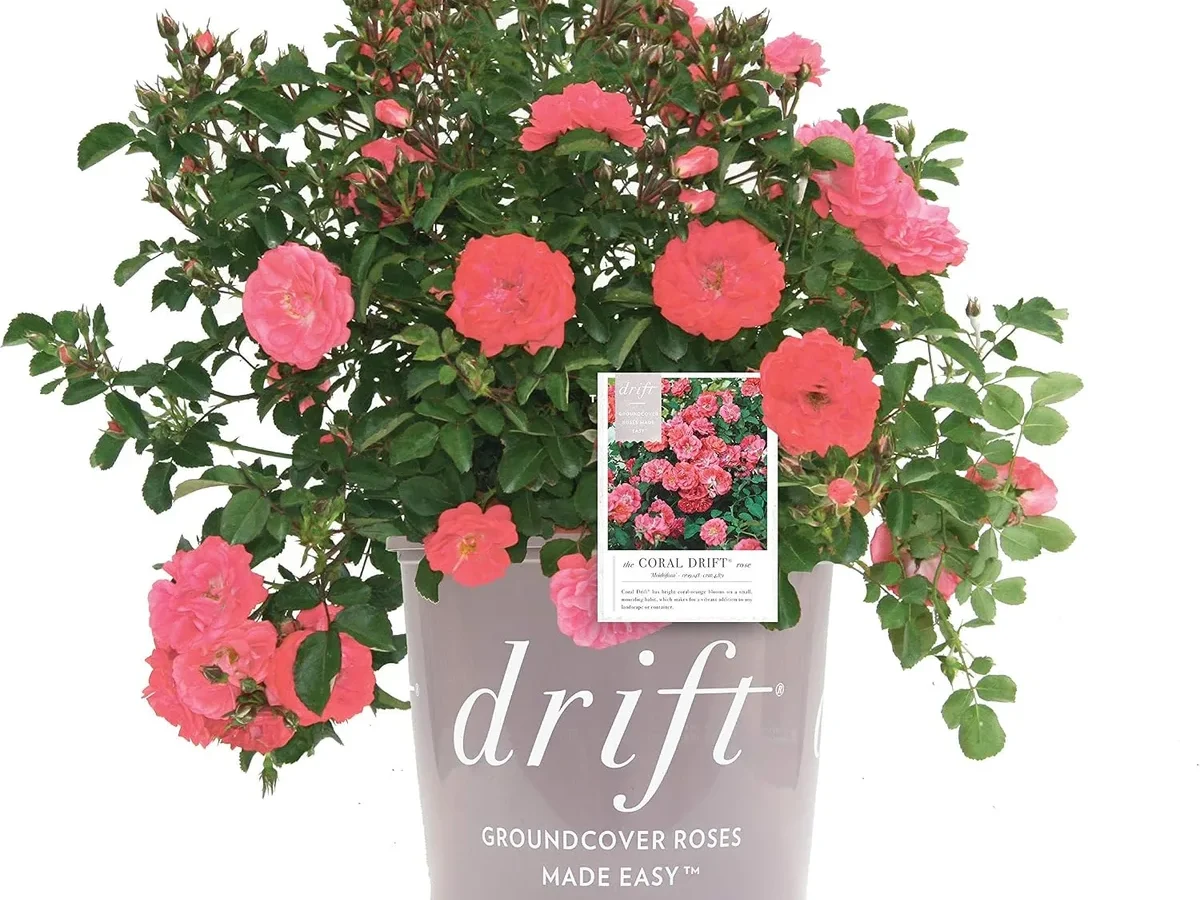
Growing drift roses in containers solves a specific problem for gardeners with limited space. These low-growing groundcover roses bloom continuously, but they need different care than in-ground plants. If you just drop one into a standard pot with bagged soil, it will likely stall out by midsummer.
That's because their root systems behave differently when confined.
Drift roses are a groundcover rose series developed by Star Roses and Plants. They naturally spread 2 to 3 feet wide while staying under 2 feet tall. Manufacturer specifications confirm that potted roots face ambient air temperatures instead of insulated ground warmth.
This changes your entire watering and winter strategy. Let's look at how to set them up properly.
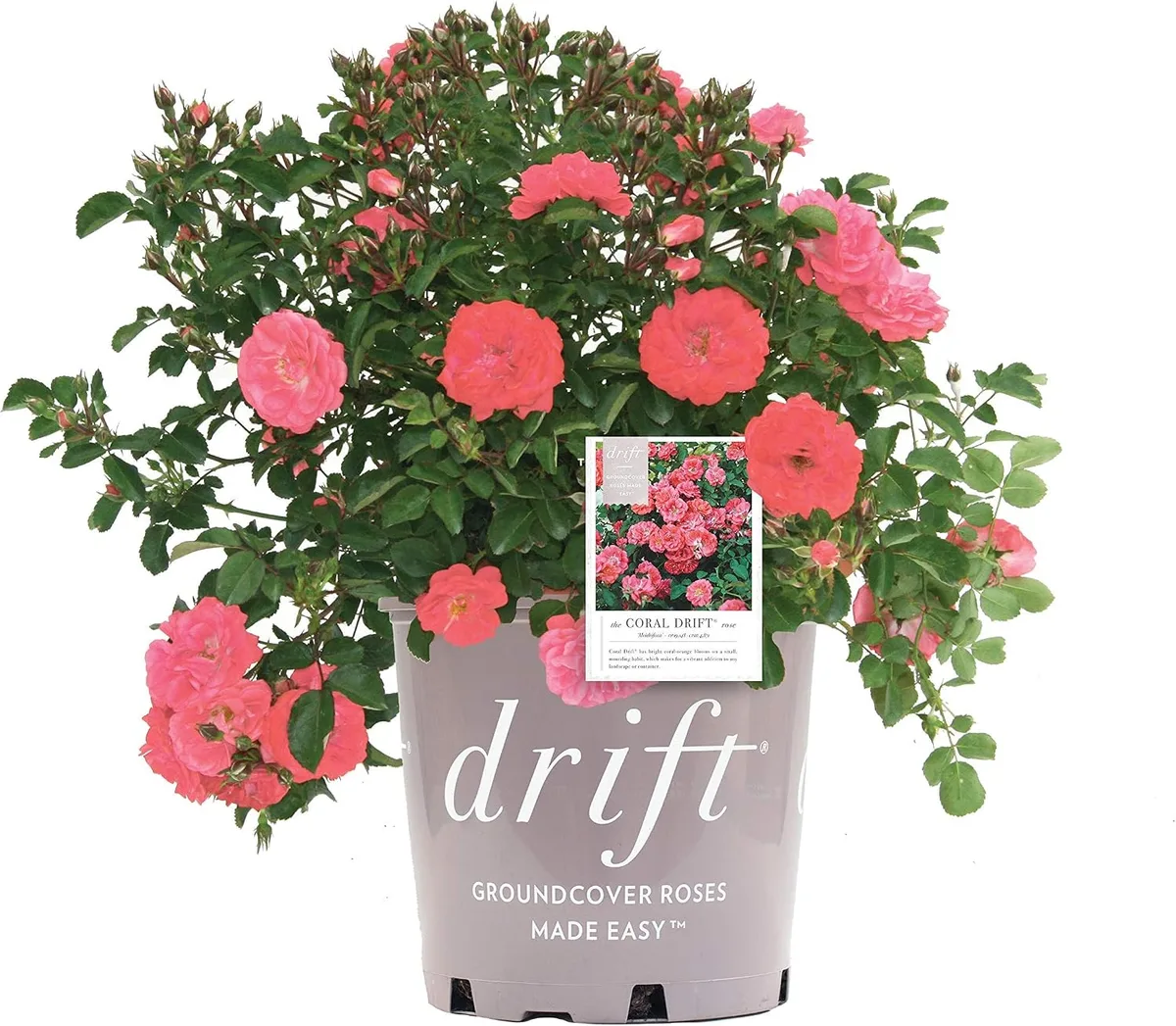
Image source: Bing (Web (fair-use with source credit))
Quick Answer
Drift roses in containers need wide pots. Use a container at least 18 inches across. Mix pine bark fines into your soil.
Water daily during hot summer months. Move pots indoors before winter freezes arrive.
Why Drift Roses Need a Different Container Strategy Than In-Ground Beds
Drift roses behave completely differently in a pot compared to a garden bed. In the ground, their fibrous roots spread horizontally to find moisture and nutrients. A container blocks that natural expansion immediately.
If you treat a potted drift rose like an in-ground shrub, you'll run into problems fast. The soil dries out unevenly. Nutrients wash away with every watering.
The roots eventually circle the inside of the pot and choke themselves.
This is why your workflow needs to branch based on your specific conditions. University extension programs consistently report that containerized woody perennials experience root zone temperatures matching the surrounding air. In-ground roots stay buffered by the earth.
That temperature shift drives our first major decision point. If you live in USDA Zones 4 through 6, your container strategy must focus heavily on winter survival. If you're in Zones 8 through 11, your primary concern shifts to preventing root bake and managing rapid water loss.
Here is how the basic decision tree starts:
- Cold climate (Zones 4 to 6): You must plan for dormant winter storage or heavy pot insulation.
- Hot climate (Zones 8 to 11): You need light-colored pots, afternoon shade, and frequent irrigation.
- Moderate climate (Zone 7): You can leave pots outdoors year-round with minimal extra protection.
Understanding these branches prevents wasted effort. A coral drift rose thriving on a Texas patio needs a totally different setup than the exact same plant sitting on a Chicago balcony.
Choosing Your Pot: Size, Material, and the Weight Factor
The right pot keeps drift roses alive. Pick the wrong one, and you fight drought stress all summer. Width matters far more than depth for these specific roses.
Drift roses have shallow-spreading root systems. They don't send taproots deep into the earth. Our research shows that a minimum pot diameter of 18 inches gives the roots enough room to function.
A 24-inch diameter is ideal for long-term health.
Volume is your next metric. Start with a container holding at least 5 to 7 gallons of soil. Anything smaller dries out too fast during peak summer heat.
You'll end up watering twice a day just to keep the leaves from crisping.
Material choice triggers another branch in your decision workflow. Each material handles heat, moisture, and weight differently.
| Pot Material | Insulation Value | Weight When Wet | Best Climate Match |
|---|---|---|---|
| Glazed Ceramic | High | Very Heavy | Moderate zones, stable patios |
| Fiberglass | Low | Light | Balconies, rooftop decks |
| Thick Plastic | Low | Light | Budget setups, movable gardens |
| Cedar Half Barrel | High | Heavy | Cold climates, large spaces |
| Concrete | Very High | Extremely Heavy | Permanent placements, windy areas |

Image source: Web (Bing) / fity.club (Web image (fair-use with source credit))
If your pot sits on a wooden deck or apartment balcony, check the structural load limits first. Wet soil combined with a thick glazed ceramic pot gets incredibly heavy fast. Fiberglass offers a lighter alternative without sacrificing much durability.
Terracotta wicks moisture away from the soil rapidly. In southern climates, that evaporation cools the roots. In northern or windy areas, it causes severe drought stress.
Make your choice based on your local weather patterns.
Always verify the drainage holes before planting. Drill more if the manufacturer only included one small hole. Standing water at the bottom of a pot kills drift roses faster than almost anything else.
The Soil Mix Decision Tree: Standard Bagged vs. Custom Bark Blends
Standard potting mix fails container roses after about six months. It breaks down, compacts, and suffocates the fine feeder roots. You need a custom blend designed specifically for woody perennials.
Here is the core decision point for your soil. If you want a low-maintenance setup and accept replacing the plant every two years, use a high-quality bagged mix. If you want long-term vigor, build a custom bark-heavy blend.
Aggregate reviews from experienced rose growers heavily favor the custom route. Drift roses demand excellent drainage while still holding consistent moisture. Those two goals sound contradictory.
Pine bark fines solve the puzzle.
Pine bark fines are small pieces of composted pine bark. They create permanent air pockets in the soil structure. Unlike peat moss, they don't collapse into a dense mud over time.
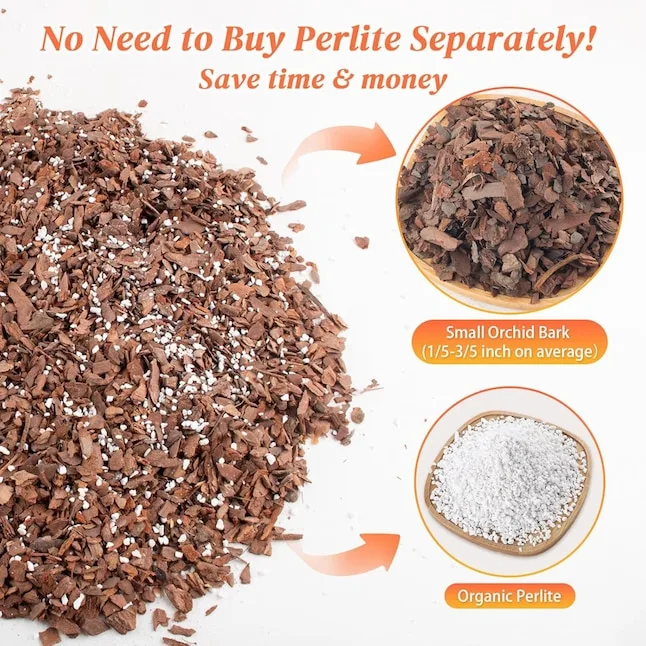
Image source: Bing (Web (fair-use with source credit))
Mix your soil using this ratio:
- 50% pine bark fines
- 30% high-quality peat or coconut coir
- 20% coarse perlite
This blend targets a soil pH between 6.0 and 6.5. That slightly acidic range matches what Star Roses and Plants recommends for optimal nutrient uptake in their drift series.
Avoid adding native garden soil to your container mix. Ground dirt introduces pathogens and compacts instantly inside a pot. Stick entirely to soilless components.
If you notice water pooling on the surface during irrigation, your mix has broken down. That usually happens around month fourteen with standard mixes. The bark blend stays structurally sound for two to three full seasons before needing a refresh.
Fertilizer behaves differently in this chunky mix. Nutrients leach out faster because water flows through freely. Plan your feeding schedule accordingly, which brings us to the planting and maintenance workflow.
Planting, Watering, and Feeding the Root Zone
Planting depth dictates how well your drift rose survives its first winter. Locate the graft union on the lower stem. That swollen bump is where the flowering variety meets the hardy rootstock.
In warm climates, plant the graft union level with the soil surface. In cold climates, bury the graft union about one inch below the soil line. This protects the vulnerable tissue from freezing temperatures.
Watering requires constant adjustment based on seasonal evapotranspiration. There is no fixed weekly schedule that works year-round. You have to read the plant and the pot.
Follow this seasonal watering workflow:
- Spring: Water when the top two inches of soil feel dry. Usually twice a week.
- Summer: Check daily. Water every morning when temperatures exceed 85°F.
- Fall: Reduce frequency as growth slows. Let the soil dry slightly deeper between drinks.
- Winter: Water sparingly. Once every two weeks for dormant pots stored in unheated garages.
Feeding container drift roses means replacing what the water washes away. Salt buildup from synthetic fertilizers burns fine roots quickly in confined spaces. Use a slow-release granular fertilizer in early spring.
Look for a balanced NPK ratio like 10-10-10. Avoid high-nitrogen lawn fertilizers. Too much nitrogen pushes weak, leafy growth that attracts aphids and flops over the pot edges.
Supplement with a liquid bloom-booster every four weeks during peak summer. Stop fertilizing entirely by late August. Pushing new growth in early fall leaves tender stems vulnerable to the first hard frost.
Sunlight is your final variable here. Drift roses need a minimum of six hours of direct sun to flower continuously. Eight hours is better.
If your patio only gets morning light, expect fewer blooms and longer stems reaching for the sun.
The Winter Survival Workflow: When to Leave Them Out and When to Move Them
Winter kills potted drift roses faster than any summer disease. If your overnight temperatures regularly drop below 20°F, you must act. Roots inside a pot lack the earth's natural insulation.
They experience every degree of ambient air temperature directly.
Your winter decision tree depends entirely on your USDA Hardiness Zone. Here is how to branch your approach based on regional data from the USDA Plant Hardiness Zone Map.
- Zones 8 through 11: Leave pots outdoors year-round. Group them against a south-facing wall for slight wind protection. Water only when the soil feels completely dry.
- Zone 7: Use the pot-in-pot method. Sink your container into an empty garden bed and mulch heavily over the rim. This mimics ground insulation without permanent planting.
- Zones 4 through 6: Move containers to an unheated garage or shed before the first hard freeze. The goal is keeping roots dormant but above 15°F.
If you choose garage storage, don't forget about hydration. Dormant roots still lose moisture slowly. Check the soil once a month and add just enough water to keep it barely damp.
Overwatering frozen roots causes immediate rot.
For those leaving pots outside in borderline zones, wrap the container itself. Bubble wrap or burlap stuffed with dry leaves works well. Never wrap the actual rose canes tightly in plastic, as trapped moisture invites fungal cane dieback during late spring thaws.
Timing matters just as much as temperature. Don't move pots indoors too early in autumn. Drift roses need several nights near freezing to trigger natural dormancy.
Wait until the plant drops most of its leaves before relocating it. As of 2026, erratic weather patterns make watching local forecasts more reliable than following strict calendar dates.
Spring wake-up requires patience. When moving pots back outside, introduce them to direct sunlight gradually over ten days. Sudden exposure after months in a dark garage scorches tender new growth instantly.
Mistakes That Kill Potted Drift Roses (And How to Fix Them)
Most container failures trace back to three specific errors. Catching them early saves the plant. Ignoring them guarantees a dead shrub by midsummer.
The first mistake is using a pot that is too narrow. Drift roses spread horizontally up to three feet. A deep but narrow planter forces roots to circle endlessly.
This creates a root-bound mass that repels water instead of absorbing it. If water runs straight down the sides and out the drainage holes, your soil has pulled away from the pot walls. Fix this by repotting into a wider container immediately.
The second error involves fertilizer salt buildup. Because we water containers frequently, synthetic nutrients accumulate rapidly in the bark mix. You will notice leaf edges turning brown and crispy even when the soil stays moist.
Flush the pot thoroughly every six weeks. Run plain water through the soil until it pours freely from the bottom for a full minute. This washes excess salts past the root zone.
Tipping is the third major issue. A mature coral drift rose or sweet drift rose grows wide and top-heavy. Pair that canopy with a lightweight plastic pot and a sudden gust knocks the whole thing over.
Broken canes invite disease. Always match the pot weight to the expected spread. Heavy glazed ceramic or concrete anchors wide plants securely.
Alternatively, place lighter pots inside larger decorative sleeves filled with gravel at the base.
Finally, skipping the repotting cycle stunts long-term growth. Even with our custom pine bark blend, roots fill the available space within two to three years. If your plant stops blooming despite adequate sun and water, the roots have run out of room.
Pull the plant out in early spring, prune away the outer third of the root ball, and replant it with fresh soil mix.

Similar Posts