Best Wood for Mulch: Top Types for a Healthier Garden
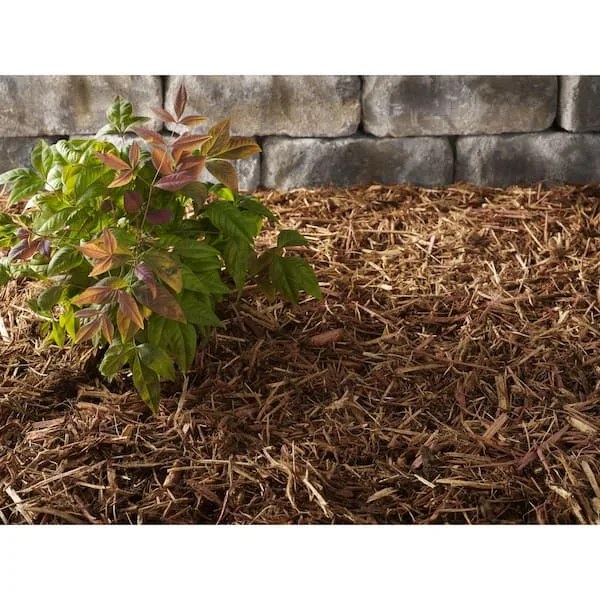
Finding the best wood for mulch depends entirely on your specific garden goals and budget. There is no single perfect option since every wood type offers distinct trade-offs between longevity, cost, and soil health.
Image source: Bing (Web (fair-use with source credit))
University extension research consistently shows that proper application depth matters more than species selection alone. Most horticultural experts recommend maintaining a 2 to 4 inch layer for optimal moisture retention and weed suppression. Let’s break down exactly which wood fits your landscape needs right now.
Quick Answer: Which Wood Mulch Actually Fits Your Garden?
Cedar and cypress offer the longest lifespan for ornamental beds. Pine bark provides excellent acidity for acid-loving plants. Hardwood mulch improves soil structure fastest but decomposes quickly.
Straw remains the safest choice for annual vegetable gardens. Select based on plant needs first.
Comparing the Top Wood Mulches: Cedar, Pine, Cypress, and Hardwood
Choosing between common mulch types requires understanding their unique decomposition rates and chemical properties. Each species interacts differently with soil biology and local climate conditions over time.
How does cedar mulch perform long term?
Western red cedar and eastern red cedar contain natural thujaplicins that resist rot and repel insects. This chemical defense allows cedar mulch to last three to five years before needing replacement. The trade-off is slower nutrient release into the underlying soil.
Cedar works best in perennial beds where you want stability over soil enrichment. Its light color also reflects heat effectively in hot southern climates. Expect to pay a premium price for this extended durability compared to other options.
Why choose pine bark for specific plants?
Pine bark nuggets or shredded pine maintain an acidic pH as they slowly break down. This makes them ideal for azaleas, rhododendrons, blueberries, and camellias. The larger nugget size allows better water penetration than fine shreds.
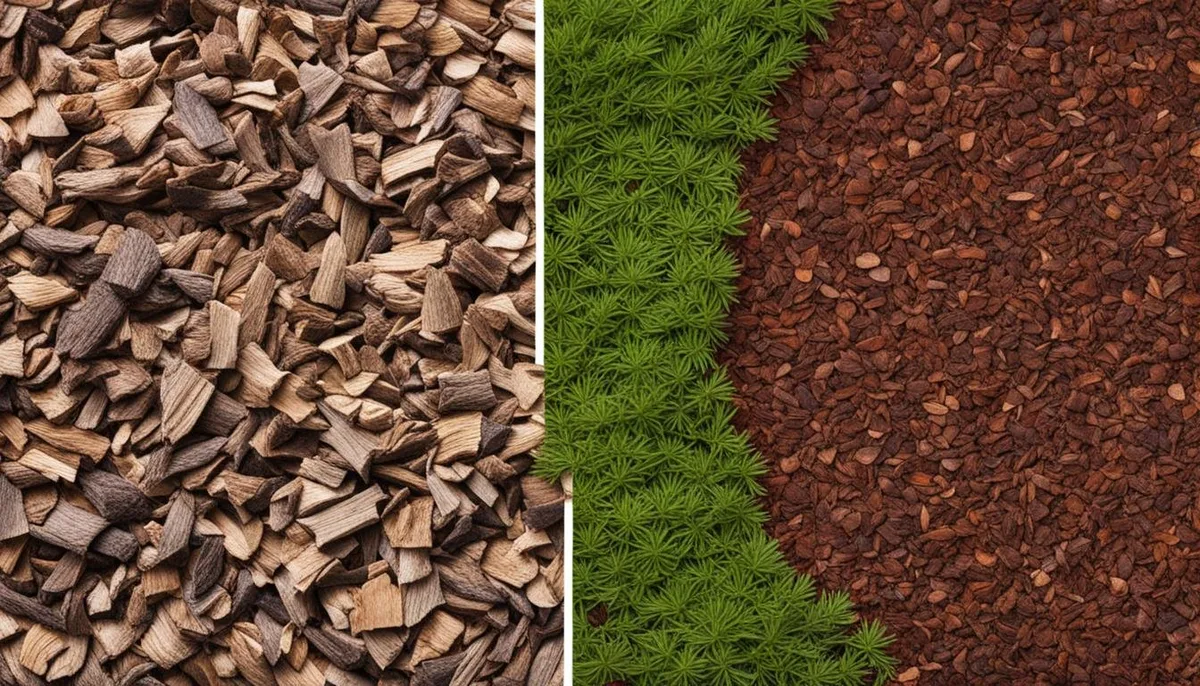
Image source: Web (Bing) / storage.googleapis.com (Web image (fair-use with source credit))
Shredded pine breaks down faster than nuggets and enriches soil more quickly. Nuggets can last two to three years while shreds typically need annual replenishment. Both forms are widely available and reasonably priced across most regions.
Is cypress mulch still a sustainable option?
Bald cypress was historically prized for exceptional rot resistance and rich color. However, harvesting old-growth cypress swamps raises serious ecological concerns as of 2026. Many suppliers now offer plantation-grown alternatives or blended products.
Verify the source before purchasing cypress mulch to ensure sustainability. Certified plantation cypress performs similarly to wild-harvested material without wetland damage. It lasts two to four years and resists floating away during heavy rains better than lighter woods.
When does hardwood mulch make sense?
Mixed hardwood mulch from oak, maple, or other deciduous trees decomposes relatively fast. This rapid breakdown feeds soil microbes and improves structure within a single growing season. You will need to top-dress annually or even twice yearly.
Hardwood is often the most affordable bulk option available locally. It works well in vegetable gardens and annual flower beds where soil building is the priority. Avoid using fresh hardwood chips directly around shallow-rooted plants due to temporary nitrogen tie-up.
| Mulch Type | Expected Lifespan | Best Use Case | Soil Impact |
|---|---|---|---|
| Cedar | 3 to 5 years | Perennial beds, pathways | Slow nutrient release |
| Pine Bark | 1 to 3 years | Acid-loving plants | Maintains low pH |
| Cypress | 2 to 4 years | Slopes, rain gardens | Moderate decomposition |
| Hardwood | 6 to 12 months | Vegetable gardens | Rapid soil improvement |
| Straw | Single season | Annual crops | Adds organic matter fast |
Matching Mulch to Your Specific Plants and Soil Conditions
Your plant selection should drive your mulch choice more than aesthetics or price alone. Different species have evolved with specific fungal communities and soil chemistry preferences that mulch can support or disrupt.
What mulch works for acid-loving plants?
Plants like blueberries, hollies, and mountain laurel thrive in acidic soil environments. Pine bark, pine needles, and oak leaf mold all help maintain lower pH levels naturally. Avoid alkaline hardwoods or lime-treated products near these sensitive roots.
Test your soil pH annually when growing acid lovers to monitor changes. Mulch alone cannot fix severely alkaline soil but helps maintain amendments over time. Combine appropriate mulch with elemental sulfur applications if baseline pH remains too high.
Which mulch is safe for vegetable gardens?
Straw and fully composted wood chips are the safest choices for edible crops. Fresh wood chips can temporarily immobilize nitrogen at the soil surface and stunt young transplants. Never use dyed mulch or treated lumber waste anywhere near food production.
Composted arborist chips work beautifully in established perennial vegetable beds like asparagus or rhubarb. Apply only well-aged material that has heated through a complete thermophilic cycle. This ensures pathogens and weed seeds are eliminated before contact with edibles.
How do you handle poor drainage sites?
Wet soils require mulch that resists matting and allows air exchange. Large pine bark nuggets or coarse cedar chips prevent waterlogging better than fine shreds. Avoid straw or finely shredded hardwood in chronically soggy areas since they compact easily.
Consider installing drainage improvements before mulching perpetually wet zones. Mulch cannot solve fundamental grading or compaction problems underground. In extreme cases, switch to gravel or raised beds instead of fighting nature with organic material.
What about allelopathic wood concerns?
Black walnut and tree-of-heaven produce juglone compounds that inhibit many garden plants. Never use mulch containing these species near tomatoes, peppers, or apples. Even aged chips can retain enough toxins to cause wilting or stunting in sensitive specimens.
Most commercial mulch suppliers screen out known toxic woods during processing. Ask specifically about wood source composition when buying bulk loads from local arborists. When uncertain, compost suspect material for twelve months minimum before using it anywhere sensitive.
The Hidden Trade-Offs: Nitrogen Robbing, Fungus, and Toxicity Risks
Every organic mulch carries potential downsides that smart gardeners plan for proactively. Understanding these biological processes prevents costly mistakes and plant losses down the road.
Why does nitrogen immobilization happen?
Fresh wood chips have very high carbon-to-nitrogen ratios exceeding 100:1. Soil microbes consume available nitrogen to fuel decomposition of this carbon-rich material. This temporary tie-up occurs only at the mulch-soil interface and rarely affects established deep-rooted plants.
Avoid applying fresh chips directly against shallow annual roots or new transplants. Pre-composting wood chips for six to twelve months eliminates this risk entirely. Alternatively, apply a thin layer of compost beneath fresh mulch to buffer nitrogen demand.
What causes artillery fungus problems?
Sphaerobolus stellatus thrives in moist hardwood mulch and shoots sticky spores onto nearby surfaces. These dark spots adhere tenaciously to siding, cars, and windows. Switching to cedar, pine bark, or non-wood alternatives prevents recurrence in problem areas.
Raking existing mulch regularly disrupts fungal fruiting bodies before they mature. Adding fresh cedar or pine bark on top of old hardwood reduces habitat suitability. Power washing removes fresh spores but aged stains may require specialized cleaners or repainting.
Are dyed mulches safe for gardens?
Modern colorants typically use iron oxide or carbon black pigments considered non-toxic. Older formulations sometimes contained chromium copper arsenate from recycled pallet wood. Always verify current safety certifications from reputable manufacturers before purchasing colored products.
The bigger concern with dyed mulch is often the unknown wood source underneath. Recycled construction waste may contain nails, chemicals, or treated lumber fragments. Choose naturally colored species-specific mulch when safety certainty matters more than uniform appearance.
How do you prevent sour mulch syndrome?
Improperly stored mulch piles can become anaerobic and produce acetic acid or ammonia. This sour smell indicates toxic conditions that burn plant foliage and roots immediately upon application. Affected mulch smells distinctly vinegary or ammoniacal rather than earthy.
Spread suspect mulch thinly and water thoroughly to leach acids before use. Allow it to aerate and dry completely for several days while monitoring odor. If the sour smell persists after thorough airing, discard the material rather than risking plant damage.
Practical Application Guide: Depth, Timing, and Maintenance
Proper installation technique matters just as much as selecting the right material. Even premium mulch fails when applied incorrectly or maintained poorly over successive seasons.
What is the correct application depth?
Maintain a consistent 2 to 4 inch layer across the entire bed area. Thinner coverage allows weeds to penetrate while thicker layers restrict oxygen to roots. Measure depth after settling since fluffy fresh mulch compresses significantly within weeks.
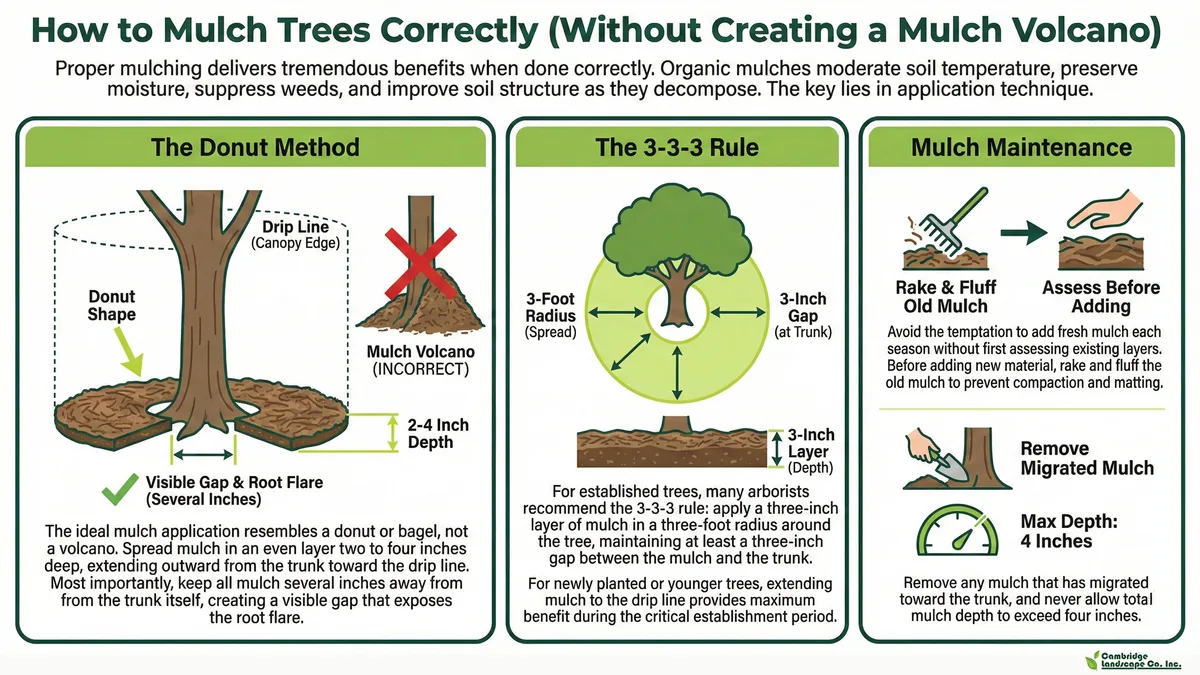
Image source: Web (Bing) / cambridgelandscape.com (Web image (fair-use with source credit))
Never pile mulch against tree trunks or shrub stems in volcano formations. Leave a 3 to 6 inch bare buffer zone around all woody bases. Buried bark invites crown rot, rodent girdling, and adventitious rooting that weakens structural integrity over time.
When should you apply or refresh mulch?
Late spring after soil warms provides optimal timing for most regions. Applying too early keeps soil cold and delays root activity in perennials. Fall application works well for erosion control and winter insulation in colder zones.
Refresh mulch only when the existing layer drops below 2 inches effective thickness. Rake and fluff matted surfaces before adding new material to maintain porosity. Complete replacement every few years prevents salt buildup and pathogen accumulation in permanent beds.
How do you prepare the site properly?
Remove existing weeds mechanically or with targeted herbicide before mulching. Mulch suppresses germination but cannot smother established perennial weeds reliably. Install cardboard or newspaper sheet mulching under wood chips for enhanced weed barrier performance.
Edge beds cleanly to create defined borders that contain loose material. Water deeply before application so mulch seals in existing moisture rather than absorbing initial irrigation. Pre-wetting extremely dry mulch prevents hydrophobic crusting that sheds subsequent rainfall.
What maintenance keeps mulch functional?
Rake mulch surfaces monthly during growing season to break up crusts and redistribute material. Fluffing restores air pockets and prevents water channeling along compacted paths. Remove accumulated debris and fallen leaves that harbor pests or disease organisms.
Monitor for fungal growth or unusual odors indicating decomposition problems. Spot-treat artillery fungus outbreaks promptly by removing affected patches. Top-dress thin areas seasonally rather than waiting for complete failure to maintain consistent coverage year-round.
Frequently Asked Questions About Choosing Wood Mulch
Can fresh arborist chips harm garden plants?
Fresh chips can temporarily tie up surface nitrogen but rarely harm established plants. Composting for six months eliminates this risk entirely for sensitive annuals or transplants. Use fresh material only around deep-rooted trees and shrubs where competition is minimal.
Does dyed mulch leach harmful chemicals into soil?
Modern iron oxide and carbon black colorants are generally considered safe for ornamental use. The real concern lies in unknown recycled wood sources beneath the dye. Always verify manufacturer safety data sheets before using colored products near edibles or waterways.
How often should you replace wood mulch completely?
Complete replacement every three to five years prevents salt buildup and pathogen accumulation. Annual top-dressing maintains depth without removing beneficial decomposed layers underneath. Monitor for persistent fungal issues or sour odors that signal deeper problems requiring full removal.
Is pine needle mulch better than pine bark?
Pine needles excel on slopes since they interlock and resist washing away during storms. Bark nuggets last longer in flat beds and allow better water penetration to roots. Both maintain acidity effectively so choose based on site conditions rather than pH alone.
What mulch resists termites best in southern climates?
Cedar and cypress contain natural repellents that discourage termite colonization better than hardwoods. No organic mulch is completely termite-proof in high-pressure regions. Maintain proper trunk clearance and consider non-organic barriers within five feet of foundations per University of Florida IFAS recommendations.
Can you mix different wood mulch types together?
Blending complementary species combines benefits like cedar longevity with hardwood soil enrichment. Avoid mixing fresh and aged materials since decomposition rates differ significantly. Test small areas first to ensure combined performance meets expectations before committing entire beds to mixed blends.

Similar Posts