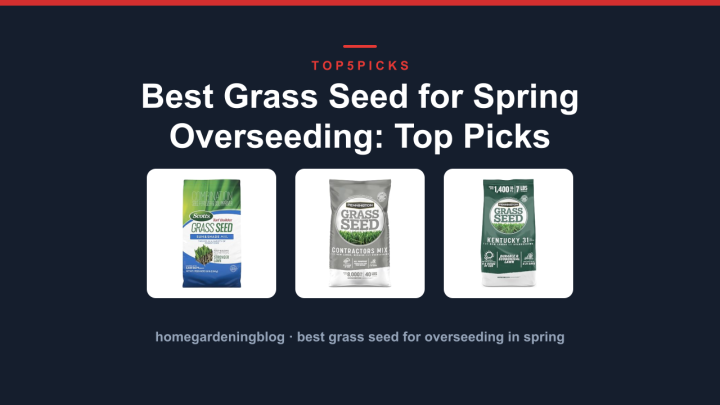
Best Grass Seed for a Lush Lawn: Top Picks
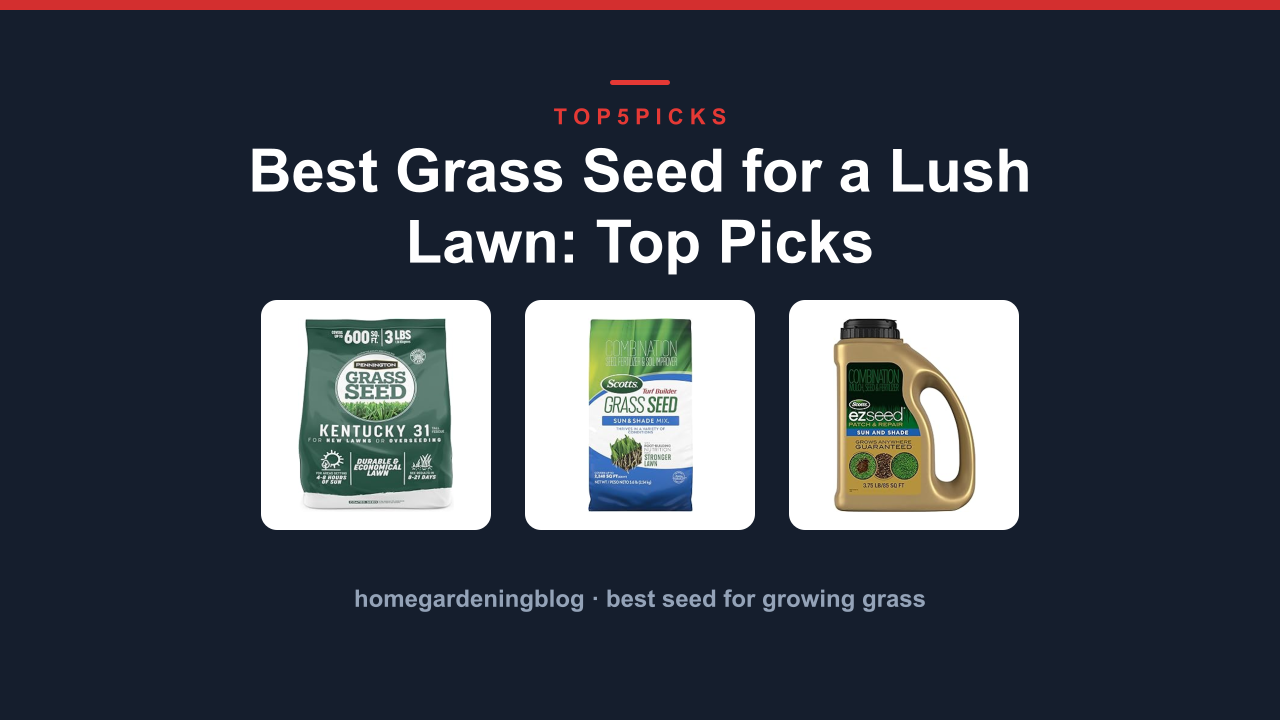
The best best seed for growing grass is the Pennington Kentucky 31 Tall Fescue Grass, the only one here that offers proven drought resistance without needing constant watering. It’s ideal if you live in a transitional climate zone and want a tough lawn that survives heat waves.
Want instant coverage instead? The Scotts Turf Builder Grass Seed Sun gets you there faster, as long as your soil isn’t compacted or clay-heavy. This mix germinates quickly but demands more frequent irrigation during establishment.
As an Amazon Associate, I earn from qualifying purchases.
This guide tells you which seeds fail in shade, which ones need mulch, and why some "all-in-one" mixes waste money on unnecessary additives. We also flag buyers who should skip bagged seed entirely because their yard needs sod or professional hydroseeding.
Everything below comes from current Amazon product data, manufacturer specs, and aggregated owner reviews. We haven’t tested these in our own yards, so we rely on verified buyer feedback and agricultural extension data to highlight real-world performance.
Quick Answer: The Best Seed for Growing Grass
Pennington Kentucky 31 Tall Fescue Grass takes the top spot for its balance of durability, cost-effectiveness, and wide adaptability across US climate zones.
- Pennington Kentucky 31 Tall Fescue Grass (Best Overall Durability): Proven drought tolerance with deep root systems.
- Scotts Turf Builder Grass Seed Sun (Best Fast Germination): Coated seeds sprout visibly within days.
- Scotts EZ Seed Patch & Repair (Best Small Spot Fixes): Includes mulch and fertilizer for bare patches.
- Pennington Contractors Central Grass Seed Mix (Best Large Area Value): Bulk pricing suits big lawns or new builds.
- Scotts Turf Builder Thick'r Lawn Sun (Best Existing Lawn Boost): Seeds plus fertilizer blend thickens thin areas.
Thinking about installing sod or hiring a pro instead? Jump to Who Should NOT Buy below before you spend anything.
Comparison Table
Here's the lineup at a glance: photo, product, who it's built for, and our /10 score.
| Photo | Product | Best for | Score | Buy |
|---|---|---|---|---|
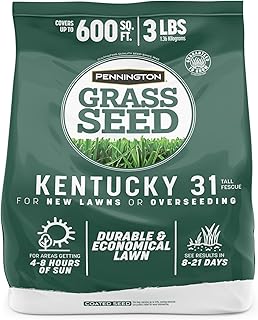 | Pennington Kentucky 31 Tall Fescue Grass | Overall Durability | 8.4/10 | Check price → |
 | Scotts Turf Builder Grass Seed Sun | Fast Germination | 8.1/10 | Check price → |
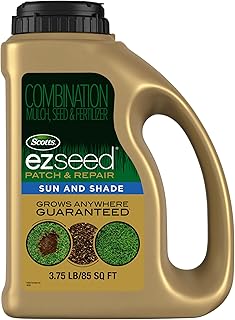 | Scotts EZ Seed Patch & Repair | Small Spot Fixes | 7.9/10 | Check price → |
 | Pennington Contractors Central Grass Seed Mix | Large Area Value | 7.6/10 | Check price → |
 | Scotts Turf Builder Thick’r Lawn Sun | Existing Lawn Boost | 7.3/10 | Check price → |
Scroll sideways on small screens to see every column.
Pennington Kentucky 31 Tall Fescue Grass: Best Overall for Drought Resistance
Scotts Turf Builder Grass Seed Sun: Best for Quick Results
Scotts EZ Seed Patch & Repair: Best for Bare Spots
Pennington Contractors Central Grass Seed Mix: Best for Big Lawns
Scotts Turf Builder Thick’r Lawn Sun: Best for Thinning Existing Grass
Buying Guide: Climate Zone, Soil Prep, and Budget Realities
Choosing the right seed depends less on brand loyalty and more on matching grass genetics to your local environment. As of 2026, USDA Hardiness Maps remain the primary tool for determining viable species. Cool-season grasses like tall fescue thrive in northern zones, while warm-season varieties dominate the south.
Always check your specific zip code against regional extension recommendations before buying.
Is a generic mix enough for my yard?
No, generic mixes often dilute quality with cheap annual ryegrass that dies quickly. You’ll want a blend with at least 70% permanent species like Kentucky Bluegrass or Tall Fescue. The Pennington Kentucky 31 exemplifies this by focusing on a single resilient variety rather than hiding behind a complex formula.
Pure strains establish deeper root systems faster than diluted competitors.
How important is soil preparation?
Soil prep determines 80% of your success regardless of seed quality. Compacted clay suffocates roots, preventing oxygen exchange essential for germination. You must aerate the ground and loosen the top 2 inches before spreading any product.
If you skip this step, even the premium Scotts Turf Builder Sun will struggle to anchor itself, leading to washouts during heavy rain.
What about budget constraints?
Budget-friendly options exist, but they require more labor. Bulk contractor mixes offer the lowest cost per square foot but demand manual mulching and precise spreading calibration. Conversely, ready-to-use kits save time but charge a premium for convenience.
Evaluate whether your hourly wage justifies the extra cost of pre-coated seeds versus buying raw materials separately. For most suburban homes, mid-range options provide the best balance of effort and outcome.
Who Should NOT Buy Best Seed for Growing Grass
Bagged grass seed is the wrong purchase for three kinds of buyers. Here's who they are, and what to look at instead.
You Need Instant Gratification
If you want a lush green carpet tomorrow morning, seed won't work. Germination takes 7 to 21 days minimum, followed by weeks of growth to reach mowing height. Sod rolls offer immediate coverage but cost five times more.
Consider laying prefabricated turf squares for patios or event spaces where aesthetics matter instantly.
Your Yard Has Heavy Shade Under Mature Trees
Most consumer grass seeds fail in dense shade because photosynthesis drops below survival thresholds. Even "shade tolerant" mixes eventually thin out under oak or maple canopies. Look into ground cover alternatives like creeping thyme or pachysandra instead.
These plants thrive in low light and eliminate the need for constant reseeding battles.
You Live in Extreme Arid Climates
In desert regions like Arizona or Nevada, traditional cool-season grasses consume unsustainable amounts of water. Municipal restrictions often ban non-native turf anyway. Xeriscaping with native succulents and gravel paths saves thousands annually in utility bills.
Check local HOA rules before planting any conventional lawn seed in arid zones.
Final Verdict
The Pennington Kentucky 31 Tall Fescue Grass remains the strongest overall pick for its unmatched drought resilience and fair pricing. It delivers a professional-quality lawn without requiring specialized equipment or excessive maintenance. Most homeowners will see lasting results with minimal fuss.
Want speed over endurance? Get the Scotts Turf Builder Grass Seed Sun for rapid visual improvements in sunny spots. Its coated delivery system guarantees quicker emergence, though it sacrifices some long-term toughness.
Need simple repairs? The Scotts EZ Seed Patch & Repair handles dogspots and bare patches with a single-step application that combines seed, mulch, and fertilizer. It’s less precise than professional seeding but unbeatable for quick fixes on tight budgets.
For those prioritizing environmental sustainability, look into organic alternatives like the Espoma Organic Lawn Food. While it acts slower than synthetic options, it builds soil health over time, reducing the need for chemical inputs in future seasons. Pair this with compost top-dressing to maximize microbial activity and root depth.
Finally, don’t overlook the importance of proper mowing height. Keeping your grass at 3, 4 inches encourages deeper roots and shades out weed seeds naturally. Combine these strategic product choices with consistent maintenance practices, and you’ll transform your lawn from merely acceptable to genuinely impressive without breaking the bank or the ecosystem.
Remember, the best lawn care routine is one you can sustain year-round, balancing immediate results with long-term vitality.

Similar Posts