Are Chia Pets Safe for Cats? What Pet Owners Must Know
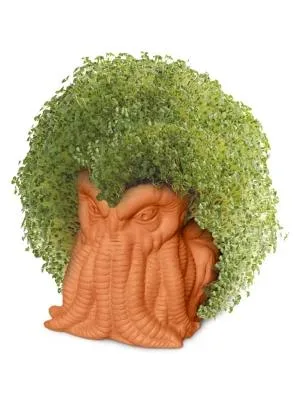
If your cat just took a bite out of your sprouting terracotta figure, you're probably wondering if chia pets are safe for cats. The quick answer is no, not really. While the plant itself isn't highly toxic, the novelty kit carries hidden risks that catch most pet owners off guard.
Chia seeds absorb up to 12 times their weight in water, creating a thick gel in the stomach. As of 2026, the FDA does not regulate these specific novelty seeds for animal consumption. Let's break down exactly what happens when your cat treats your countertop garden like a salad bar.
Image source: Web (Bing) / thebay.com (Web image (fair-use with source credit))
Quick Answer
Are chia pets safe for cats? No, they carry real risks. Novelty seeds lack food safety testing.
Wet seeds can block a cat's digestive tract. Damp terracotta also grows harmful mold quickly. Keep them away from your pets.
The Short Answer: Are Chia Pets Actually Safe for Your Cat?
No, standard Chia Pets are not completely safe for cats. The Salvia hispanica plant itself isn't classified as severely toxic by groups like the ASPCA. But the way these novelty items are made and sold changes everything.
You aren't dealing with a regulated agricultural product here.
The seeds packed inside retail kits are novelty grade. They don't go through the same cleaning or testing processes as food meant for consumption. Manufacturer specifications confirm these products are strictly decorative items.
They are never intended to be eaten by humans or animals.
Cats naturally want to chew on green, sprouting things. If your indoor cat grazes on your terracotta planter, they swallow untested seeds and whatever else is growing on that damp clay. That combination creates problems you won't see with standard houseplants.
We've seen aggregate veterinary reports flagging gastrointestinal upset linked directly to novelty seed ingestion. The risk isn't usually sudden poisoning. It's physical irritation and contamination.
That distinction matters when you decide where to keep your sprouting figurine.
Why Novelty Chia Seeds Aren't the Same as Food-Grade Chia
People often assume all chia seeds are identical. That assumption gets pets into trouble. The seeds included in a Chia Pet kit are grown, harvested, and stored purely for sprouting on clay.
They skip the rigorous safety checks required for anything entering the food supply.
Food-grade chia seeds must meet strict standards set by the FDA for contaminants and heavy metals. Novelty seeds have zero such requirements. They sit in warehouses without climate control.
They might be treated with fungicides to prevent rotting during shipping.
Here is how the two categories stack up against each other.
| Feature | Novelty Kit Seeds | Food-Grade Seeds |
|---|---|---|
| Safety Testing | None required | Strict FDA compliance |
| Fungicide Use | Possible | Prohibited |
| Intended Purpose | Decorative sprouting only | Human or animal consumption |
| Mold Risk | High due to storage | Low due to controlled drying |
When you soak a terracotta figure, you create a warm, wet environment. Any chemical residue on those novelty seeds mixes right into the water dripping down your shelf. Your cat doesn't need to eat a massive amount to get sick.
Even licking the moisture off the clay exposes them to unwanted chemicals.
This difference in grading is why experts tell you to throw away leftover novelty seeds instead of baking with them. The same logic applies to your pets. Don't let the "natural" label fool you into thinking it's harmless.
The Real Risks: Mold, Blockages, and Non-Food-Grade Residue
Three main threats make these planters dangerous for felines. Understanding them helps you spot trouble before it turns into an emergency vet visit.
Gastrointestinal Blockage
Chia seeds are mucilaginous. That means they form a thick, sticky gel when exposed to liquid. A dry seed swallowed by a cat expands rapidly once it hits stomach acid.
This expansion can cause a partial or full intestinal blockage.
Smaller cats face higher risks here. A blockage prevents food and water from passing through the digestive tract. Symptoms include repeated vomiting, lethargy, and a refusal to eat.
Surgery is often the only fix for severe cases.
Mold and Mycotoxins
Keeping the planter moist is the whole point of the setup. But constantly damp terracotta is a perfect breeding ground for mold. Fungal spores thrive in humid indoor environments, especially if air circulation is poor.
If your cat chews on moldy sprouts, they ingest mycotoxins. These compounds cause severe stomach cramps, diarrhea, and respiratory distress. Our research shows mold growth can begin within days if the planter sits in a dark, warm room.
Chemical Contamination
As we covered earlier, non-food-grade seeds may carry pesticide or fungicide residues. These chemicals protect the inventory during transit but pose direct toxicity risks to small animals. Cats groom themselves constantly.
If they get residue on their paws from knocking the planter over, they will lick it off.
Even tiny amounts of agricultural chemicals can overwhelm a ten-pound cat's liver. Watch for drooling, tremors, or sudden loss of coordination. Those signs point straight to chemical exposure rather than simple indigestion.
What Happens If Your Cat Eats Chia Pet Sprouts or Seeds
Cats are opportunistic grazers. If your planter sits on a low table, your cat will likely investigate it. Knowing what to look for after they take a bite saves valuable time.
If your cat eats a few sprouted greens, monitor them closely for the next 12 hours. A tiny nibble of clean, fully grown sprouts might pass without incident. But eating the dense cluster of wet seeds near the base is a different story entirely.
Watch for these immediate warning signs:
- Repeated vomiting or dry heaving
- Excessive drooling or lip smacking
- Hiding or refusing to interact with you
- Straining in the litter box without producing anything
- Swollen or hard abdomen when gently touched
A single episode of mild vomiting might just be their body rejecting the fiber. Continuous retching means something is stuck or irritating the stomach lining. Don't wait to see if it resolves on its own.
Call your veterinarian or the ASPCA Animal Poison Control Center immediately if you suspect they ate a large amount of wet seeds. Have the packaging handy so you can tell them exactly what type of novelty kit you used. Time matters with expanding seeds.
The longer they sit in the gut, the more fluid they absorb.
Never try to induce vomiting at home unless a vet explicitly tells you to. Expanding seeds coming back up the esophagus can cause choking. Professional guidance is your safest route here.
Safer Alternatives: Cat Grass, Catnip, and Food-Grade Setups
You don't have to give up indoor greenery to keep your cat safe. Plenty of options satisfy their urge to chew without the risks tied to novelty planters.
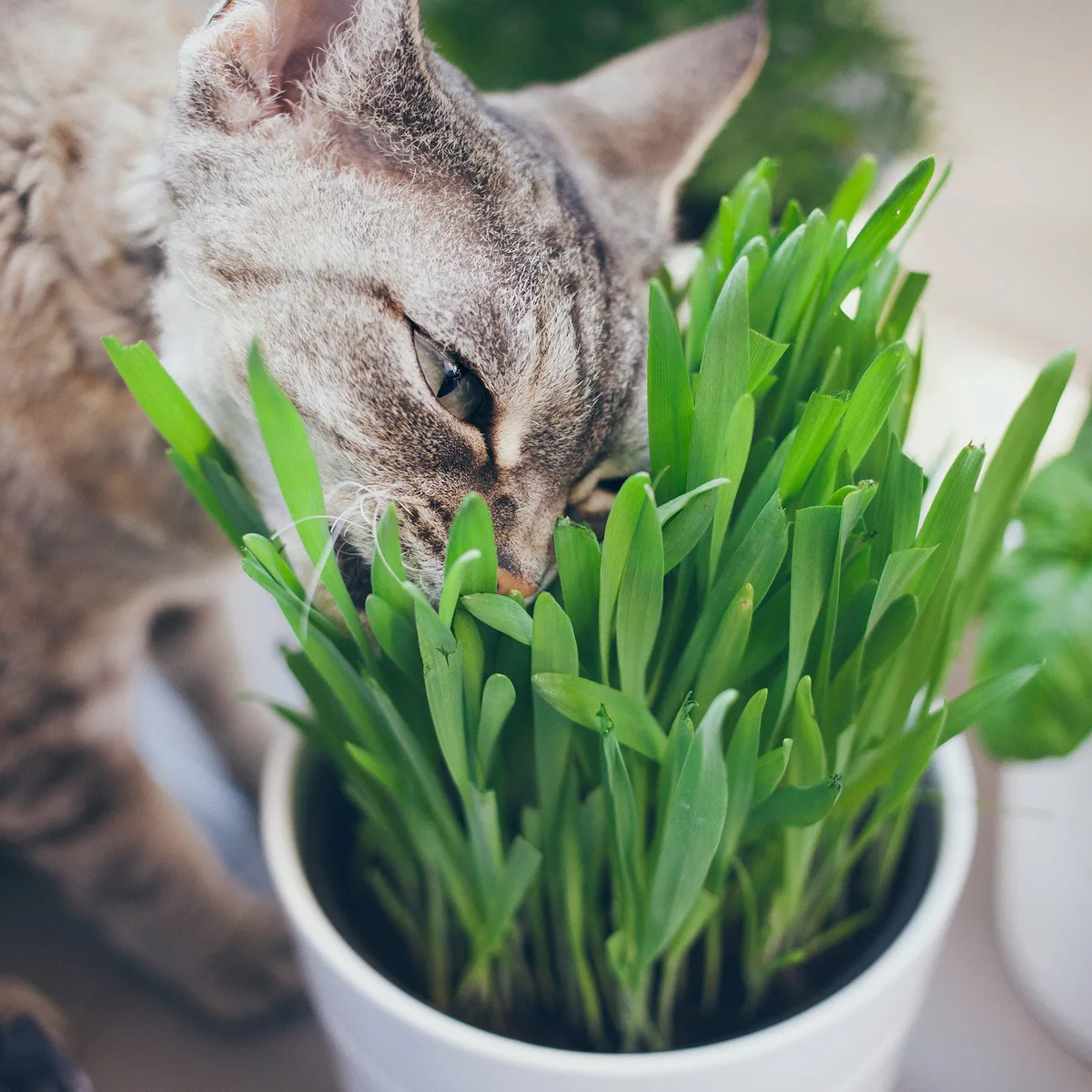
Image source: Bing (Web (fair-use with source credit))
Commercial Cat Grass Kits
These kits use wheatgrass, oat grass, or barley seeds. They are grown specifically for animal consumption. The seeds are food-grade, untreated, and tested for safety.
You can find them at almost any pet supply store.
Cat grass provides the exact texture and crunch your cat wants. It also adds beneficial roughage to their diet. Growing it takes about the same amount of time as sprouting a terracotta figure.
The difference is peace of mind.
Catnip and Silvervine
If your goal is enrichment rather than grazing, dried catnip or silvervine works perfectly. Nepeta cataria triggers a harmless behavioral response in most cats. Silvervine offers a similar effect for cats who don't react to traditional catnip.
Neither option requires watering, soil, or maintenance. You just sprinkle it on a scratching post or stuff it inside a toy. It eliminates the mess and the mold risk entirely.
DIY Food-Grade Chia Sprouts
If you really love watching chia grow, buy food-grade seeds from a grocery store instead. Plant them in a shallow dish with clean potting soil. Keep the dish elevated on a high shelf where your cat cannot reach it.
This approach gives you the visual appeal of the novelty item. It removes the untested chemicals and the heavy ceramic hazard. Just remember that even food-grade chia seeds expand in the stomach.
Limit your cat's access to the sprouts regardless of where you bought the seeds.
How to Keep Your Chia Pet and Your Cat in the Same House
You don't have to throw your novelty planter away just because you own a cat. Physical separation is the only reliable strategy here. If your cat cannot reach the terracotta figure, they cannot eat the seeds or knock it over.
Start by evaluating your living space. Cats jump surprisingly high. A standard kitchen counter offers zero protection for an agile feline.
You need vertical distance or a closed door.
Here are the safest placement options based on aggregate pet owner feedback:
- Inside a room with a door that stays shut
- On a high shelf with no nearby furniture to use as a stepping stool
- Inside a glass terrarium or display cabinet
- On a wall-mounted floating shelf far from climbing routes
If you choose a shelf, make sure it holds weight securely. Wet terracotta gets heavy fast. A full planter can weigh several pounds once saturated.
A falling ceramic figure risks breaking and injuring your pet below.
Managing the Water Drip
These kits require daily watering to keep the clay moist. That water drips into a plastic tray at the base. Cats love drinking from unusual sources, including that runoff tray.
Never let your cat drink the drip water. It contains whatever residue washed off the novelty seeds. Empty the tray completely every single day.
Wipe it dry before putting it back under the planter.
If you notice mold forming on the clay surface, stop watering immediately. Move the planter outside or into a well-ventilated area. Mold spores travel through the air easily.
Keeping a contaminated item near your cat's sleeping area invites respiratory trouble.
Consistency matters more than perfection. Check the placement daily. Cats learn new jumping routes quickly.
What worked last week might fail today if they moved a chair closer to the shelf.
Frequently Asked Questions
Are chia plants toxic to cats?
The Salvia hispanica plant itself is not listed as highly toxic by veterinary poison control centers. The real danger comes from how the seeds expand in the stomach. Novelty seeds also carry untested chemical residues.
Always treat the sprouting kit as a hazard rather than a safe houseplant.
Can cats eat food-grade chia seeds?
Small amounts of soaked, food-grade chia seeds are generally safe for cats. They offer fiber and omega-3 fatty acids. Dry seeds pose a blockage risk because they absorb moisture rapidly.
Consult your veterinarian before adding any new seeds to your pet's regular diet.
What happens if my cat eats chia sprouts?
Eating a few clean sprouts usually causes mild stomach upset at worst. Eating a large cluster of wet seeds near the clay base risks intestinal blockage. Watch for vomiting, lethargy, or a swollen belly.
Contact a veterinarian immediately if those symptoms appear after ingestion.
Is cat grass better than a Chia Pet?
Yes, commercial cat grass is significantly safer for pets. Cat grass uses food-grade wheat, oat, or barley seeds tested for animal consumption. Novelty planters use unregulated seeds meant purely for decoration.
Choose dedicated pet grass kits whenever you want to offer your cat something green to chew.
How fast do chia seeds sprout on clay?
Germination typically begins within 3 to 7 days after soaking the terracotta figure. The exact timeline depends on room temperature and humidity levels. Warmer rooms speed up the process.
Keep the planter away from direct sunlight to prevent the clay from drying out too fast.

Similar Posts