Why Are My Raspberry Leaves Turning Yellow? Causes & Fixes
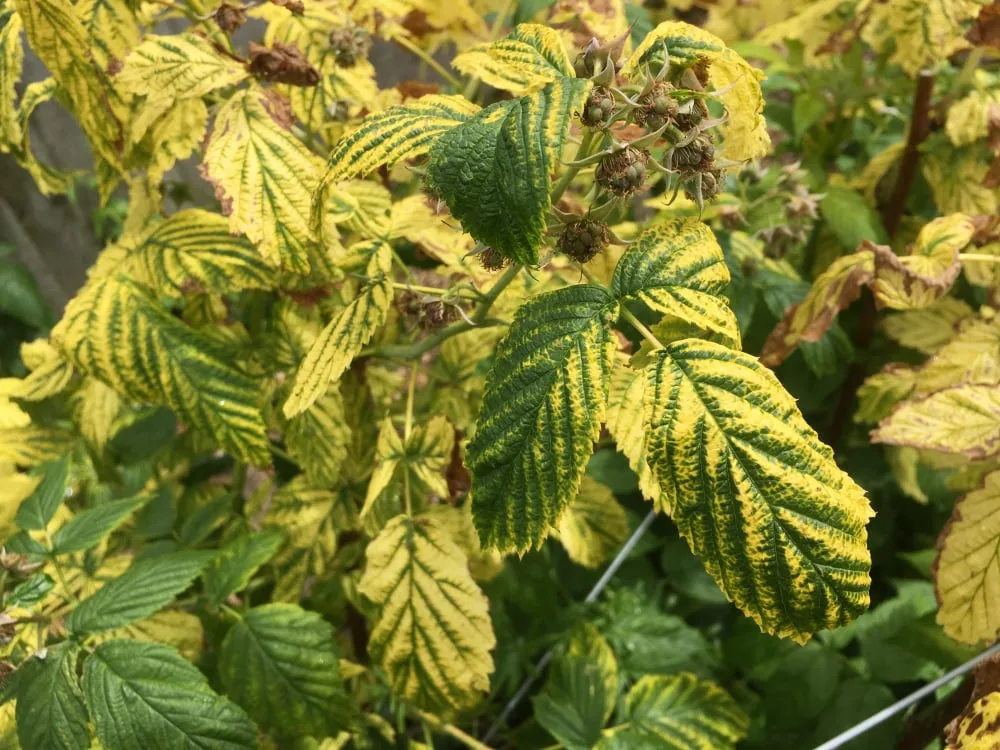
Seeing yellow leaves on raspberry plants usually means your soil is out of balance or roots are struggling. It's a stress signal, not a death sentence. Raspberries need specific conditions to keep their foliage green and productive.
When those conditions slip, chlorosis shows up fast.
Raspberries thrive in soil with a pH between 5.6 and 6.5, per university extension research. Outside that narrow window, roots simply stop absorbing nutrients. Our research shows most backyard cases trace back to waterlogged clay or high alkaline soils.
Let's figure out exactly what's happening in your patch.
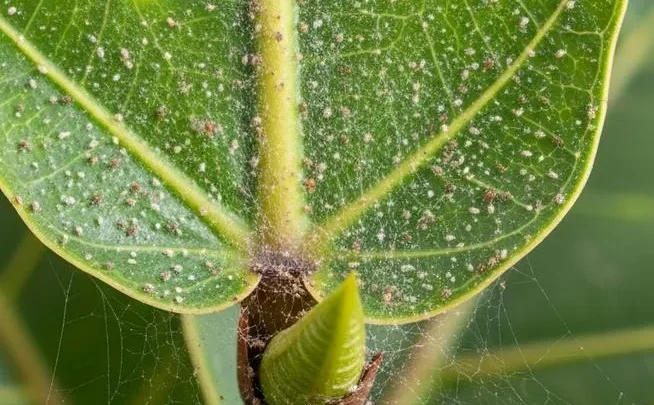
Image source: Bing (Web (fair-use with source credit))
Quick Answer
Yellow leaves on raspberry plants signal nutrient deficiency or root stress. Check if old or new growth turns yellow first. Test your soil pH to confirm nutrient lockout.
Adjust watering habits if the soil stays soggy. Treat the specific cause instead of guessing blindly.
Why Your Raspberry Leaves Are Turning Yellow (And How to Read the Symptoms)
Chlorosis is the technical term for yellowing plant tissue. It happens when leaves lack enough chlorophyll to stay green. For raspberries (Rubus idaeus), this usually points to a few specific problems.
You just need to know where to look.
The location of the yellowing tells you everything. Nutrients move differently inside the plant depending on their type. Mobile nutrients travel from old leaves to support new growth.
Immobile nutrients stay put once they reach a leaf.
If your oldest canes (floricanes) turn pale first, suspect nitrogen or magnesium deficiency. The plant pulls these mobile nutrients upward to protect new primocanes. If the newest shoots at the top turn yellow, look at iron or manganese.
Those elements can't relocate once deposited.
Pay attention to the pattern too. Interveinal yellowing means the tissue between the veins turns pale while veins stay dark green. That's a classic sign of micronutrient trouble.
Uniform paling across the whole leaf usually means a macronutrient shortage.
Marginal scorching adds another clue. When leaf edges turn yellow and then crispy brown, potassium is often missing. Spotty lesions suggest a fungal issue like raspberry leaf spot (Sphaerulina rubi).
Reading these signs correctly saves you from applying the wrong fix.
Here is a quick reference guide we use to match symptoms to causes:
| Symptom Pattern | Likely Cause | Affected Growth |
|---|---|---|
| Uniform pale green | Nitrogen deficiency | Older floricanes first |
| Yellow between green veins | Iron chlorosis / high pH | New primocanes first |
| Yellow edges turning brown | Potassium deficiency | Older leaves |
| Dark spots with yellow halos | Fungal leaf spot | Scattered randomly |
| Mottled rings or patches | Raspberry mosaic virus | Entire plant over time |
The Decision Tree: Pinpointing the Exact Cause of Chlorosis
Finding the exact problem requires a simple workflow. Don't guess. Follow these branches one by one until you hit a match.
This process eliminates false diagnoses quickly.
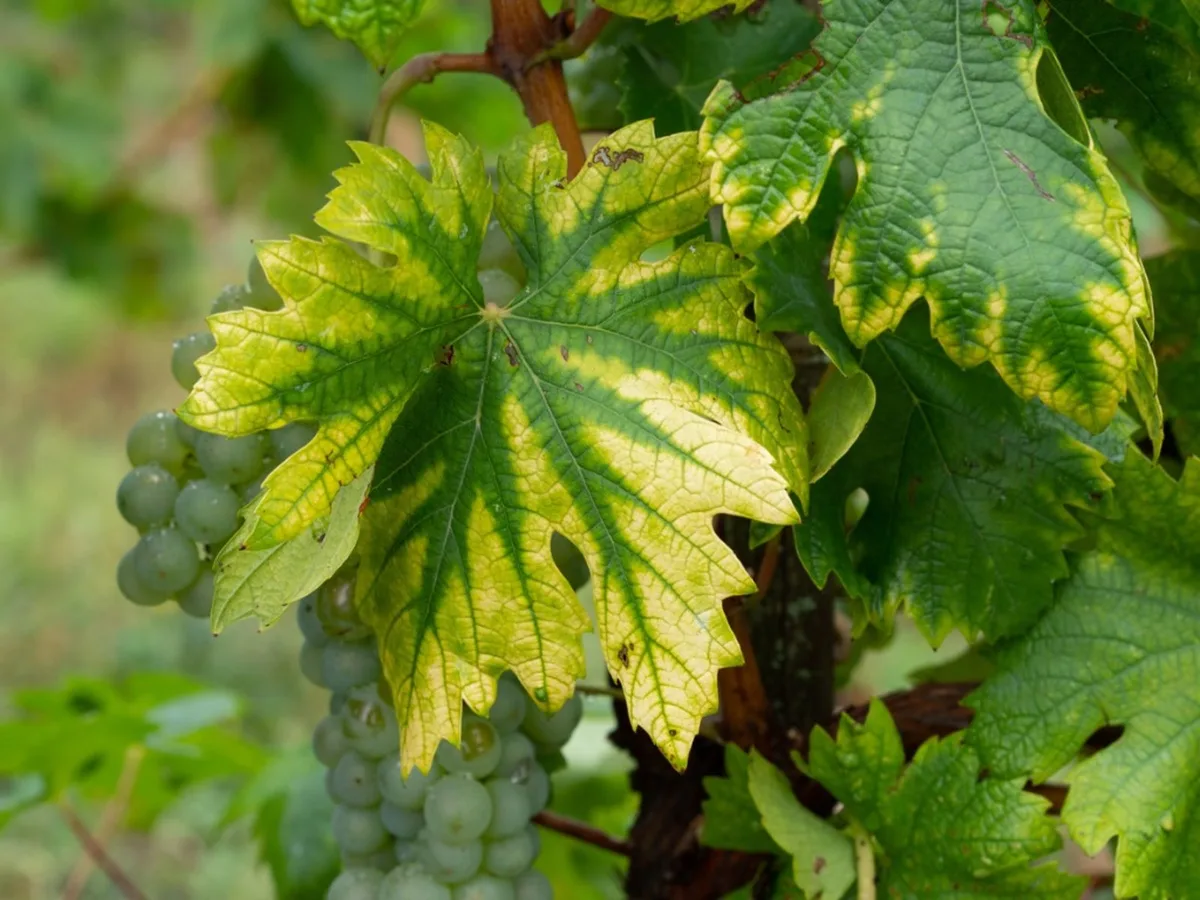
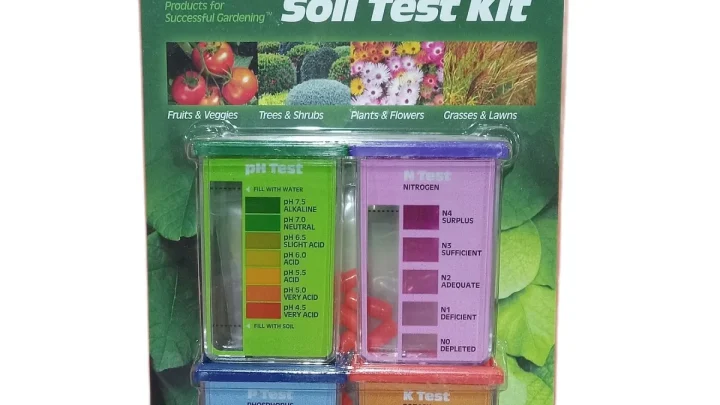
Image source: Bing (Web (fair-use with source credit))
Branch 1: Old Leaves vs. New Leaves
Look at the base of your raspberry canes first. Are the lowest, oldest leaves turning yellow while the tips stay green? If yes, you have a mobile nutrient deficiency.
Nitrogen is the most common culprit here. Magnesium is the second.
If the brand new leaves at the top are yellowing first, your problem is different. The older leaves will look perfectly healthy. This points directly to an immobile nutrient issue.
Iron deficiency is almost always the cause in home gardens.
Branch 2: Interveinal Yellowing vs. Uniform Paling
Examine a single yellow leaf closely. Hold it up to the light if you need to. Are the veins still distinctly green while the spaces between them turn yellow?
That interveinal chlorosis confirms iron or magnesium lockout.
Does the entire leaf fade to a uniform pale green or yellow? That means nitrogen is short. The plant lacks the building blocks for chlorophyll everywhere.
A basic soil test panel will confirm this instantly.
Branch 3: Wet Soil vs. Dry Soil
Dig down about four inches near the base of the plant. Squeeze a handful of soil. Does it form a tight, muddy ball that drips water?
Your raspberries are drowning. Waterlogged roots suffocate and develop Phytophthora root rot.
Roots need oxygen to absorb nutrients. Even if your soil has plenty of iron, flooded roots can't take it up. This creates a "nutrient lockout" that mimics a deficiency.
If the soil crumbles and feels powdery dry, increase your irrigation. Aim for one to two inches of water weekly.
If you follow these three branches and the leaves show mottled rings instead of solid yellowing, stop fertilizing. You likely have Raspberry mosaic virus. Viruses don't respond to soil amendments.
Remove and destroy infected plants immediately to protect the rest of your patch.
Step-by-Step Fixes for Nutrient Deficiencies and pH Lockout
Once you identify the missing nutrient, fixing it takes a targeted approach. Throwing generic fertilizer at the problem rarely works. You need to address both the nutrient level and the soil chemistry.
Start by testing your soil pH. University extension labs offer reliable mail-in tests as of 2026. If your pH sits above 7.0, iron becomes chemically locked in the soil.
The roots physically cannot absorb it, no matter how much iron is present.
To lower alkaline soil, apply elemental sulfur. Follow the package rates based on your soil type. Clay soils require more sulfur than sandy soils to shift the pH.
This process takes several months, so be patient.
For immediate relief from iron chlorosis, use a foliar spray. Liquid chelated iron applied directly to the leaves bypasses the root system entirely. You should see greening within seven to fourteen days.
This is a temporary bandage, not a permanent cure.
For long-term soil correction, choose the right iron product carefully. Not all iron supplements work in alkaline conditions. Here is how the main options compare:
| Treatment Type | Best Used For | Speed of Results |
|---|---|---|
| Iron sulfate | Acidic soils below pH 6.5 | Slow (weeks) |
| Fe-EDDHA chelate | Alkaline soils above pH 7.0 | Moderate (soil drench) |
| Foliar iron spray | Emergency rescue for any pH | Fast (7 to 14 days) |
| Elemental sulfur | Long-term pH lowering | Very slow (months) |
If your decision tree pointed to nitrogen deficiency, apply a balanced organic fertilizer. Composted manure works well for slow release. Apply roughly two to three ounces of actual nitrogen per 100 feet of row annually.
Split applications prevent burning the shallow roots.
Magnesium issues respond well to Epsom salts dissolved in water. Mix one tablespoon per gallon and use it as a soil drench. Only do this if your soil test actually shows low magnesium.
Adding unnecessary salts can harm soil structure over time.
Treating Root Rot, Fungal Leaf Spots, and Viral Infections
Not every yellow leaf comes from a hungry plant. Diseases cause severe chlorosis too. Fungal and viral issues require completely different management strategies than nutrient fixes.
Misdiagnosing a disease as a deficiency wastes time and ruins crops.
Phytophthora root rot thrives in heavy, wet soils. It destroys the root system from the inside out. Above ground, the canes wilt and leaves turn dull yellow before collapsing.
Digging up a suspect plant reveals dark, mushy, brown roots instead of firm white ones.
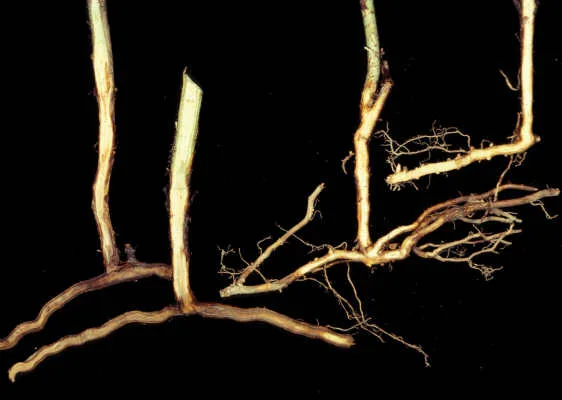
Image source: Bing (Web (fair-use with source credit))
You can't cure advanced root rot. Prevention is your only real tool. Plant raspberries in raised beds if you have heavy clay.
Space canes at least four to six inches apart on the trellis to maximize airflow. Avoid planting where tomatoes or potatoes grew recently, as they host Verticillium wilt.
Fungal leaf diseases like Sphaerulina rubi create distinct yellow halos around dark spots. These fungi overwinter on fallen debris. Rake up all dead leaves around your brambles every fall.
Prune out weak, crowded canes in late winter to let sunlight penetrate the canopy.
If cultural controls aren't enough, targeted fungicides help. Products containing phosphorous acid suppress water molds like Phytophthora. Always check the pre-harvest interval on the label.
This dictates how many days you must wait between spraying and picking fruit safely.
Viral infections are the toughest scenario. Aphids spread Raspberry mosaic virus from plant to plant. Once a cane contracts the virus, it stays infected forever.
No spray or fertilizer will reverse it.
Symptoms include irregular yellow blotches, ring patterns, and severely stunted growth. If you confirm a virus, pull the entire plant. Bag it and throw it in the trash.
Never compost diseased bramble material. Sanitize your pruning shears with a ten percent bleach solution between every cut to avoid spreading pathogens manually.
Controlling aphid populations reduces viral transmission rates. Encourage beneficial insects like ladybugs near your patch. Avoid broad-spectrum insecticides that kill off these natural predators.
Healthy, vigorous plants also resist severe damage better than stressed ones.
Five Mistakes That Make Yellow Raspberry Leaves Worse
Rushing to apply fertilizer without testing your soil is the biggest mistake growers make. If your pH sits at 7.5, dumping nitrogen won't fix iron chlorosis. The roots still can't absorb the locked nutrients.
You just waste money and risk burning the shallow root system.
Overwatering causes just as much damage as neglecting irrigation entirely. Soggy clay suffocates roots and invites Phytophthora. If the soil stays wet for days after rain, stop watering.
Build raised beds or amend heavy ground with coarse compost before planting next season.
Ignoring second-year floricanes in late summer tricks many gardeners into panic treating. These fruiting canes naturally yellow and die back after harvest. That's normal plant senescence, not a disease.
Only worry if your first-year primocanes look sickly.
Treating viral infections like nutrient deficiencies wastes an entire growing season. Mosaic virus has no chemical cure. Fertilizing a virused plant just keeps it alive long enough to spread the infection.
Aphids carry it straight to your healthy neighboring brambles.
Skipping tool sanitation spreads fungal spores across your whole patch. Wiping pruners on your jeans doesn't kill Verticillium wilt. Dip your blades in a ten percent bleach solution between every single cut.
It takes extra time but saves your crop.
Here are the most common errors we see in aggregate extension reports:
| Mistake | Consequence | Correct Action |
|---|---|---|
| Guessing the deficiency | Wrong treatment, wasted money | Run a university soil test |
| Watering soggy clay | Root rot, total cane collapse | Check moisture four inches deep |
| Panicking over old canes | Unnecessary chemical applications | Learn natural fall senescence signs |
| Keeping virused plants | Spreads mosaic virus locally | Pull and trash infected canes |
| Using dirty pruning shears | Spreads fungal leaf spot | Sanitize tools between cuts |
Frequently Asked Questions
Why are my raspberry leaves turning yellow in spring?
Cold, wet spring soils often slow down root activity temporarily. The roots struggle to pull up nutrients until the ground warms up. This usually resolves on its own by early summer.
Improve drainage if the yellowing persists past June.
Can too much water cause yellow leaves on raspberries?
Yes, waterlogged soil suffocates roots and prevents nutrient uptake entirely. This creates a nutrient lockout that looks exactly like a deficiency. Roots also become highly vulnerable to fatal fungal infections.
Always let the top few inches dry out between waterings.
Should I cut off yellow raspberry leaves?
Only remove leaves if you confirm a fungal disease or viral infection. Pruning away simple nutrient-deficient foliage reduces the plant's ability to photosynthesize. Fix the underlying soil issue instead.
The existing leaves will often green up once roots recover.
What fertilizer is best for yellowing raspberry plants?
It depends entirely on what your soil test reveals. A balanced organic fertilizer works well for general nitrogen shortages. Chelated iron products treat high-pH micronutrient lockouts effectively.
Never apply heavy synthetic blends without confirming the specific missing element first.
Is yellowing on old raspberry canes normal?
Yes, second-year floricanes naturally turn yellow and die after they finish fruiting. This process is called senescence. The plant redirects energy into new first-year primocanes.
Prune out these dead floricanes in late winter to improve airflow.

Similar Posts