Why Are My Tomato Leaves Turning Black? Causes & Fixes
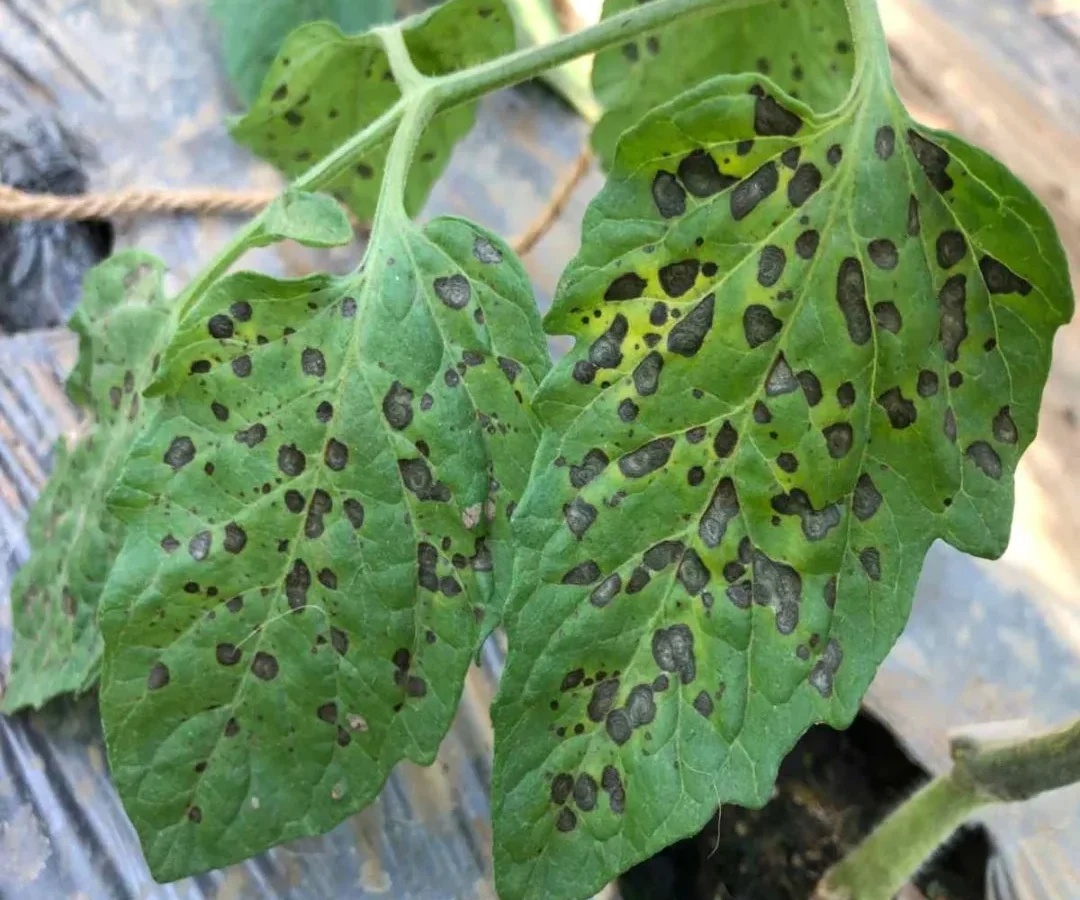
Finding black spots on your tomato plants is alarming, but the cause isn't always fatal. If you are asking why are my tomato plant leaves turning black, start by checking lesion texture and recent weather patterns. Most cases stem from fungal disease, cold injury, or chemical drift rather than mysterious soil problems.
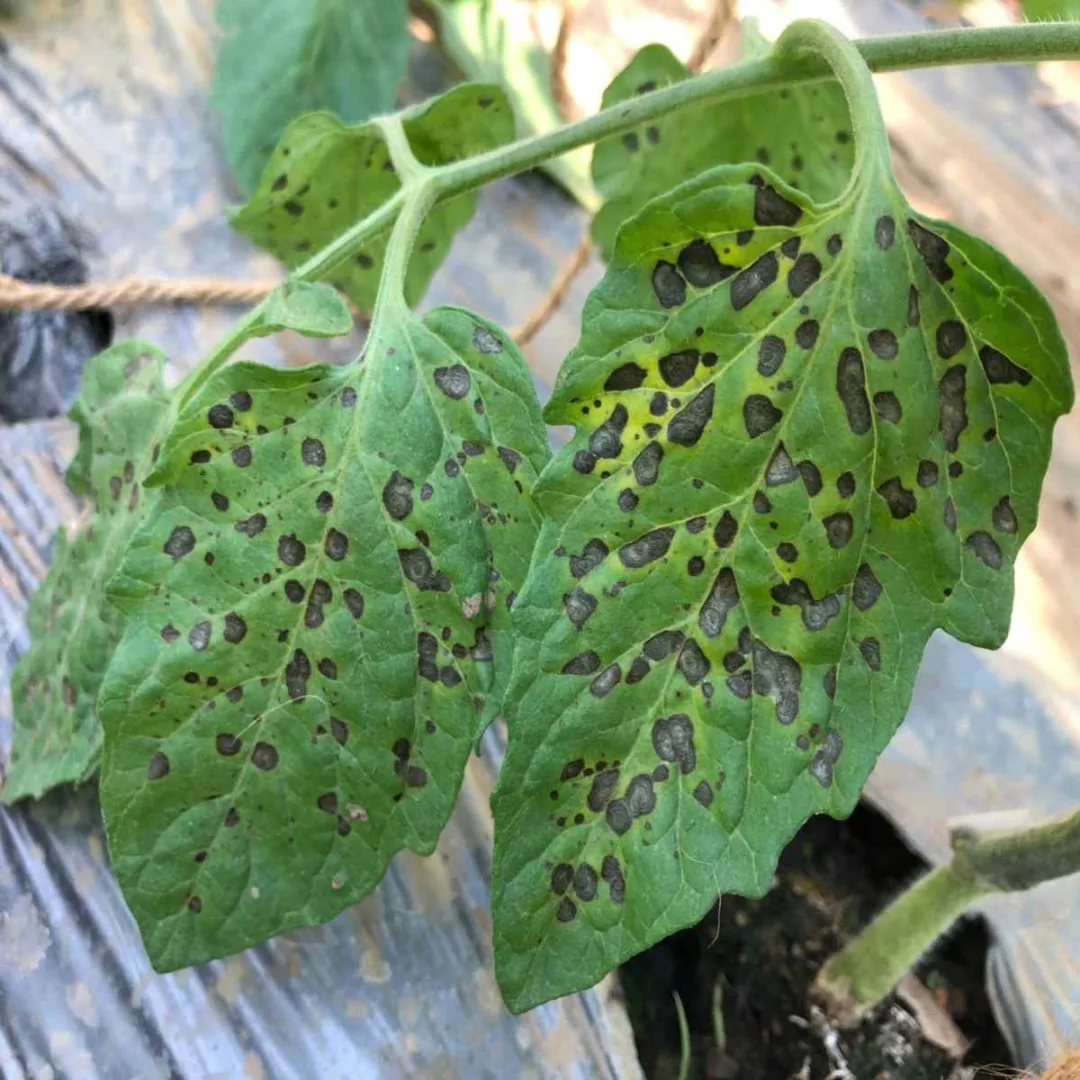
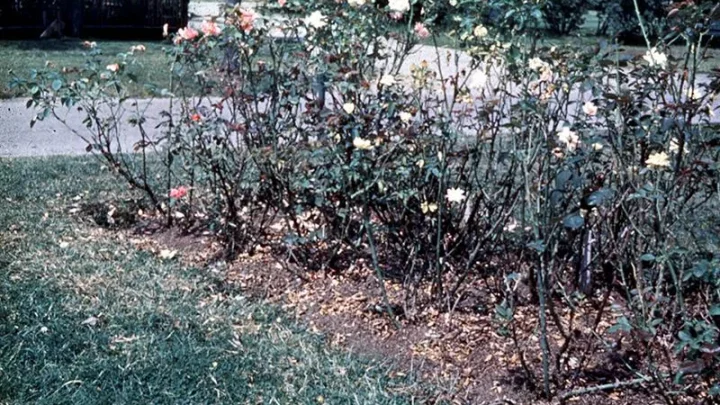
Image source: Bing (Web (fair-use with source credit))
Late blight (Phytophthora infestans) can destroy a plant in under 48 hours when humidity exceeds 90 percent. Accurate diagnosis requires matching specific symptom patterns to environmental triggers before applying any treatment. We will walk through the exact decision points you need to identify the culprit correctly.
Quick Answer
Tomato plant leaves turn black due to late blight, frost damage, or bacterial infections. Late blight causes greasy, water-soaked lesions that spread rapidly in cool wet weather. Frost injury creates dry blackened edges after temperatures drop below 50°F.
Bacterial spot produces small dark specks with yellow halos. Correct identification prevents wasted treatments and saves nearby plants.
The 3-Step Diagnostic: Is It Disease, Weather, or Chemical Damage?
You must separate biotic pathogens from abiotic stress before taking action. Treating frost damage with fungicide wastes money and delays recovery. This three-step workflow isolates the variable causing the necrosis.
Step 1: Check Texture and Moisture
Touch the blackened tissue gently with clean fingers. Fungal diseases like late blight feel greasy or slimy when fresh. Bacterial infections often appear water-soaked initially before drying out.
Abiotic damage like frost or herbicide drift feels papery, brittle, or completely desiccated.
Moisture levels within the lesion matter significantly for diagnosis. Active Phytophthora lesions remain wet even during dry daytime hours. Old frost damage dries out uniformly across the affected area.
This tactile test eliminates half the possibilities immediately.
Step 2: Review Environmental History
Look at your local weather data for the past seven days. Late blight requires sustained leaf wetness and temperatures between 60°F and 80°F. Frost damage correlates directly with overnight lows dipping below 50°F.
Herbicide drift typically follows neighbor spraying events or windy application days.
Humidity records provide critical context for fungal outbreaks. Ten consecutive hours above 90 percent relative humidity creates ideal infection windows. Dry heat waves point toward physiological stress or chemical burn instead.
Your local extension service likely publishes hourly microclimate data for precise correlation.
Step 3: Map Symptom Distribution
Observe where the blackening appears first on the plant. Soil-borne splashing pathogens usually attack lower leaves near the ground. Airborne spores strike upper canopy foliage randomly.
Systemic issues like vascular wilt show uniform discoloration across entire branches.
Pattern recognition separates random injury from progressive disease. Scattered spotting suggests bacterial speck or early environmental stress. Rapid upward movement signals aggressive fungal colonization.
Documenting this spread helps confirm your working diagnosis over the next 48 hours.
| Symptom Characteristic | Likely Biotic Cause | Likely Abiotic Cause |
|---|---|---|
| Greasy / Water-soaked | Late Blight / Bacterial Spot | None |
| Papery / Brittle | Old Lesion Only | Frost / Herbicide Drift |
| Concentric Rings | Early Blight | Sunscald |
| Yellow Halo Present | Bacterial Speck | Nutrient Deficiency |
| White Fuzzy Growth | Late Blight Sporulation | Sooty Mold (Secondary) |
Late Blight vs. Early Blight vs. Bacterial Spot: Reading the Lesions
Misidentifying these three common pathogens leads to ineffective spray schedules. Each organism has distinct microscopic and macroscopic signatures. Learning to read these visual cues replaces guesswork with targeted management.
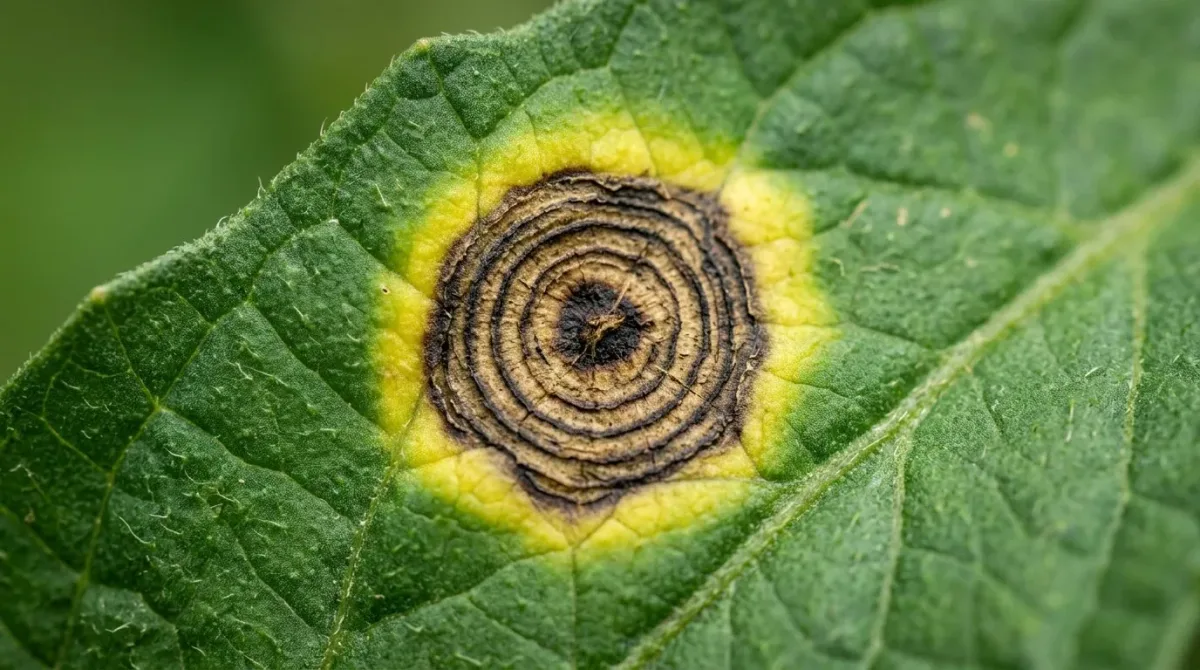
Image source: Bing (Web (fair-use with source credit))
Identifying Late Blight (Phytophthora infestans)
Late blight lesions start as pale green water-soaked patches. They expand rapidly into large irregular black or brown blotches. Under humid conditions, white sporangia develop on the underside margins.
This fuzzy growth distinguishes it from every other tomato foliar disease.
Stem involvement confirms severe late blight pressure. Dark brown cankers girdle main stalks and petioles. Fruit develops firm greasy rot that remains intact unlike soft bacterial decay.
According to Cornell University Extension, this pathogen can defoliate an entire field in days if untreated.
Distinguishing Early Blight (Alternaria solani)
Early blight presents as small circular spots with concentric rings. These target-like lesions rarely exceed one inch in diameter. They cluster heavily on older lower leaves first.
The tissue eventually dries out and may fall away leaving shot-holes.
This fungus thrives in warmer conditions than late blight. Progression is slower and more predictable week to week. Stem cankers occur but lack the aggressive girdling of Phytophthora.
Fungicide rotation works well here because resistance develops slower.
Recognizing Bacterial Spot and Speck
Bacterial speck creates tiny pinpoint black lesions under 1/8 inch. Each spot typically shows a distinct yellow chlorotic halo. Lesions remain discrete and do not merge into large blotches.
Fruit symptoms appear as superficial raised scabs rather than internal rot.
Bacterial spot causes larger lesions without prominent concentric zoning. Both bacteria enter through stomata during rain events. Copper-based sprays offer suppression but not cure.
Sanitation matters more than chemistry for long-term control of these organisms.
When Black Leaves Are Abiotic: Frost, Herbicide Drift, and Sooty Mold
Not all blackening comes from living pathogens. Environmental factors mimic disease symptoms closely enough to fool experienced growers. Ruling these out prevents unnecessary pesticide applications and protects beneficial insects.
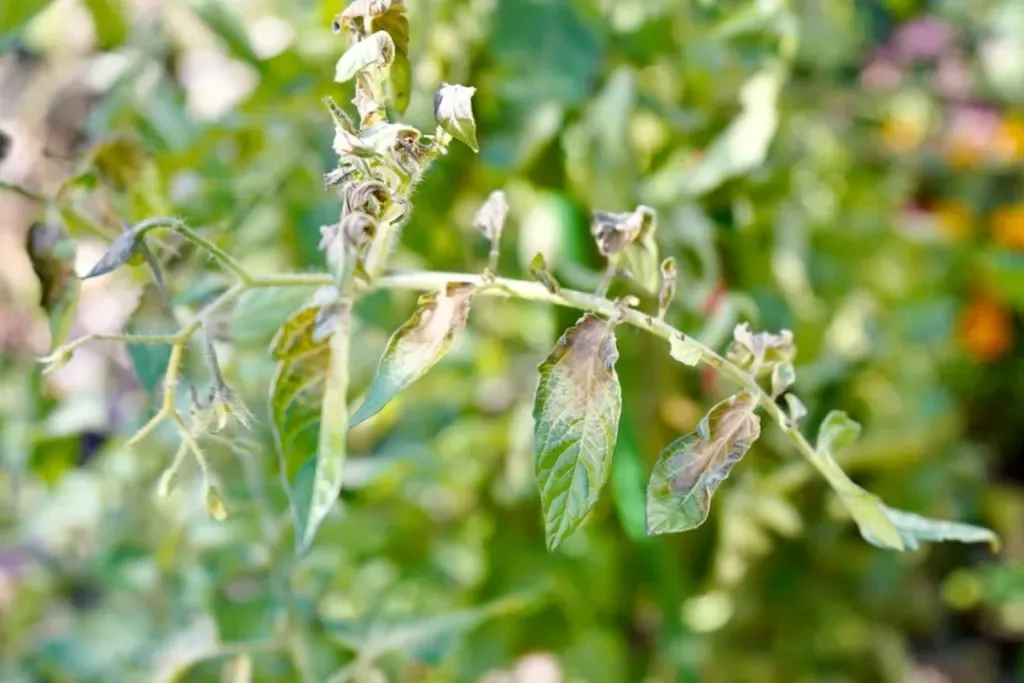
Image source: Bing (Web (fair-use with source credit))
Frost and Cold Injury Patterns
Tomatoes are tropical plants that suffer chilling injury below 50°F. Blackening appears on exposed outer leaves first. Protected inner foliage remains green despite identical air temperatures.
Damaged tissue feels dry and crumbles easily when touched.
Recovery depends on how long temperatures stayed low. Brief dips cause marginal scorching that stops progressing. Prolonged exposure kills vascular tissue permanently.
New growth emerging healthy confirms the problem was thermal not biological.
Herbicide Drift and Chemical Burn
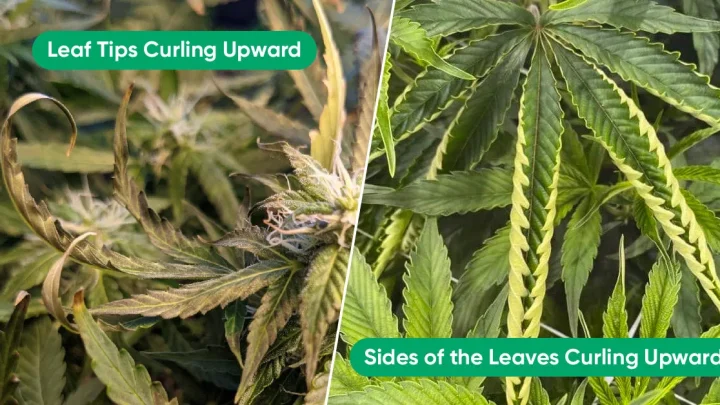
Glyphosate or 2,4-D drift causes distinctive distortion alongside necrosis. Leaves may cup, twist, or strap before turning black. Symptoms appear uniformly on the windward side of the plant.
Damage correlates spatially with neighboring spray applications.
Chemical burn from fertilizer or concentrated soap looks different. Marginal leaf scorch follows direct contact patterns. Residue may be visible on leaf surfaces.
Flushing soil with water helps mitigate root-zone toxicity if caught early.
Sooty Mold as a Secondary Indicator
Sooty mold grows on honeydew excreted by aphids or whiteflies. It coats leaves in powdery black film rather than penetrating tissue. Wiping the surface reveals healthy green underneath.
This confirms an insect problem rather than a foliar disease.
Treating the pest eliminates the mold food source. Neem oil or insecticidal soap controls sap-feeders effectively. The mold itself harms only by blocking photosynthesis.
Washing leaves with mild soapy water restores light penetration immediately.
Immediate Action Plan: Treat, Remove, or Destroy Based on Diagnosis
Your response must match the severity and type of damage identified. Delaying action on late blight risks losing neighboring crops. Overreacting to frost wastes salvageable plants.
Follow this protocol once diagnosis is confirmed.
Confirmed Late Blight Response
Remove and bag infected plants immediately if sporulation is visible. Do not compost this material under any circumstances. Spores survive standard decomposition and reinfect future seasons.
Apply chlorothalonil or copper fungicides to remaining healthy plants as protectants.
Notify local extension agents about confirmed outbreaks. Regional alerts help neighbors take preventive measures. Rotate fungicide modes of action per FRAC guidelines to prevent resistance.
Harvest any unblemished fruit promptly since latent infection is possible.
Managing Early Blight and Bacterial Diseases
Prune affected lower leaves to improve airflow and reduce inoculum. Stake plants vertically to keep foliage off wet soil. Apply preventive copper or biofungicides on a seven-day interval.
Mulch heavily to stop soil splash dispersal.
Sanitize pruning tools between plants with 70% alcohol. Bacterial pathogens spread easily via contaminated steel. Avoid working in the garden when foliage is wet.
Resistant varieties should replace susceptible ones next season.
Addressing Abiotic Stress Recovery
Stop all chemical applications until new growth emerges normally. Provide consistent moisture without overhead irrigation. Shade cloth reduces additional stress on compromised tissue.
Wait two weeks before reassessing plant viability.
For herbicide drift, flush soil thoroughly with water. Activated charcoal amendments can bind residual chemicals. Severely damaged plants may not recover fully.
Focus resources on less affected specimens with better regrowth potential.
Decision Matrix for Plant Disposal
| Diagnosis | Save or Destroy? | Immediate Action Required |
|---|---|---|
| Late Blight (Active) | Destroy Entire Plant | Bag and remove same day |
| Early Blight (Mild) | Save with Treatment | Prune and spray weekly |
| Bacterial Spot | Save with Sanitation | Tool sterilization mandatory |
| Frost Damage | Save if Growing Point Alive | Wait for new growth |
| Herbicide Drift | Assess After 2 Weeks | Flush soil and monitor |
Prevention Protocols That Actually Stop Recurrence Next Season
Cultural practices matter more than reactive spraying for long-term health. Pathogens overwinter in soil and debris waiting for favorable conditions. Breaking this cycle requires deliberate offseason management strategies.
Consistent prevention reduces disease pressure significantly year after year.
Sanitation and Crop Rotation Standards
Remove all solanaceous plant debris before winter sets in. Deep tillage buries remaining inoculum below splash range. Rotate tomatoes away from infected beds for three to four years minimum.
This starves host-specific pathogens like Alternaria and bacterial spot.
Cover crops like cereal rye suppress soil-borne diseases effectively. Mustard greens release natural biofumigants when incorporated. These biological tools reduce pathogen loads without chemicals.
Soil solarization during peak summer heat also kills surface organisms.
Variety Selection and Spacing Guidelines
Choose resistant hybrids bred for your specific regional pressures. Labels listing "LB" or "AB" indicate late blight tolerance. Heirloom varieties often lack modern resistance genes entirely.
Grafting susceptible favorites onto resistant rootstock offers another defense layer.
Space plants wider than seed packets typically recommend. Eighteen inches between stems improves airflow dramatically. Prune suckers aggressively to open the canopy interior.
Drip irrigation keeps foliage dry unlike overhead sprinklers that promote infection.
Preventive Spray Schedules
Apply protectant fungicides before symptoms appear in high-risk areas. Copper or chlorothalonil creates a barrier on leaf surfaces. Begin applications when nighttime humidity consistently exceeds 85 percent.
Reapply every seven to ten days or after heavy rain events.
Biofungicides containing Bacillus subtilis work well in organic systems. They compete with pathogens for space and nutrients. Tank-mixing different modes of action prevents resistance buildup.
Always follow label rates strictly since overuse causes phytotoxicity.
Record keeping tracks what worked versus what failed. Note weather patterns alongside spray dates and outcomes. This data refines your personal prevention calendar over time.
Future seasons benefit directly from documented observations rather than memory alone.

Similar Posts