Japanese Blueberry Tree in Houston: The Ultimate Care Guide
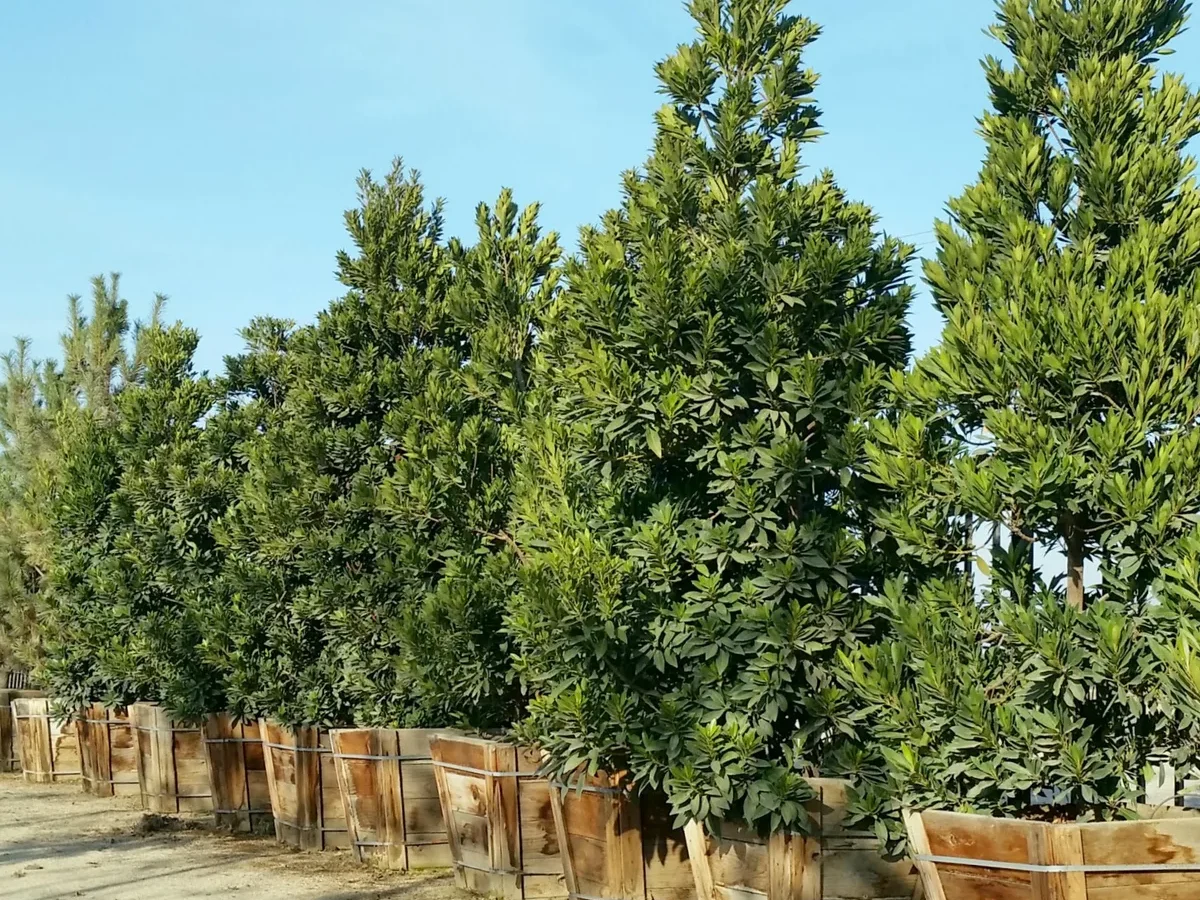
Planting a japanese blueberry tree houston homeowners love requires more than just digging a hole. Our heavy clay soil will kill this fast growing evergreen if you skip the right prep work. We've looked closely at how Elaeocarpus decipiens handles Gulf Coast weather.
The heat is fine, but the dirt needs serious attention.
Texas A&M AgriLife Extension guidelines confirm that amending dense soils is critical for deep root establishment. You need expanded shale and quality compost to make it work. Let's walk through exactly how to plant and maintain these trees so they actually survive past year two.
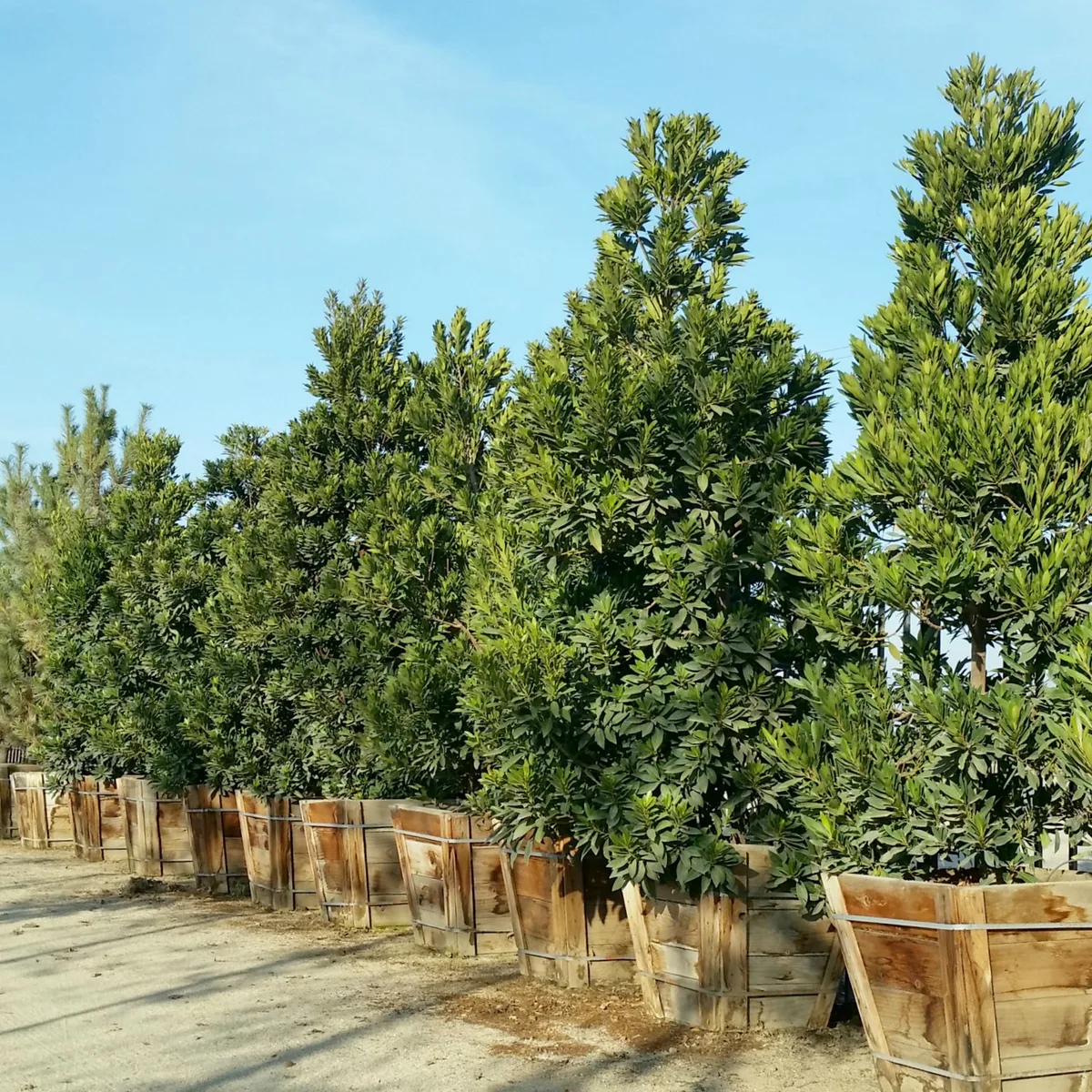
Image source: Bing (Web (fair-use with source credit))
Quick Answer
A japanese blueberry tree houston yards can reach 40 feet tall. It needs amended soil because local clay drains poorly. Plant the root ball slightly above ground level.
Water deeply twice a week during summer. Treat yellow leaves with liquid chelated iron immediately.
Why Japanese Blueberry Trees Struggle in Houston Clay
Houston soil is mostly dense gumbo clay. This type of dirt holds water like a bathtub. Japanese blueberry trees absolutely hate sitting in wet soil.
Their roots suffocate quickly when oxygen gets cut off by standing water.
If your yard pools water after a heavy Gulf storm, you have a drainage problem. Planting directly into unamended clay guarantees root rot. The tree might look fine for a few months.
Then the leaves start dropping and the branches die back.
You also need to watch out for our naturally alkaline soil pH. Alkaline dirt locks up essential nutrients like iron. The tree simply cannot absorb what it needs to stay green.
This leads to a very common issue we see all over town.
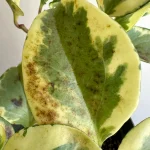
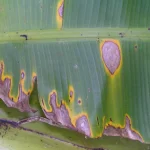
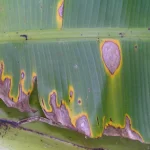
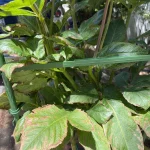
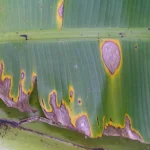
That issue is iron chlorosis. You'll spot it when the leaves turn pale yellow while the veins stay dark green. It looks terrible and weakens the whole canopy.
Aggregate reviews from local arborists show this is the top complaint.
Fixing it requires lowering the soil pH over time. You do this by applying elemental sulfur and using acidifying fertilizers. But prevention starts on day one with the right soil mix.
Don't skip the amendments just to save money upfront.
Space is another factor people ignore. These trees routinely hit 30 to 40 feet tall. They spread 20 to 30 feet wide at maturity.
Planting one five feet from your foundation or under power lines is a mistake.
Give them room to breathe. Crowding them together for a faster privacy screen invites fungal diseases. Our high humidity makes airflow essential.
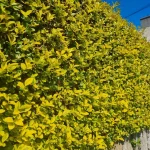
Space them 10 to 15 feet apart if you want a living fence.
The Decision Tree: Choosing Your Planting Method Based on Soil and Space
Your planting method depends entirely on what is underneath your grass. We use a simple workflow to figure out the best approach. Check your soil type first, then evaluate your available space.
If you dig a test hole and it fills with water, you have heavy clay. If the water drains away in minutes, you likely have sandy loam. This single test dictates your entire planting strategy.
| Soil Condition | Planting Depth | Primary Amendment | Spacing Requirement |
|---|---|---|---|
| Heavy Gumbo Clay | 2 to 3 inches above grade | Expanded shale and compost | 12 to 15 feet apart |
| Sandy Loam | Level with surrounding grade | Extra organic compost | 10 to 12 feet apart |
| Near Wooden Fence | Elevated berm required | Shale for drainage | Minimum 8 feet away |
For heavy clay scenarios, you must plant the tree high. Set the root ball so the top sits above the surrounding ground. Gravity pulls excess water away from the trunk flare.
This prevents the collar from rotting out.
If you have sandy loam in Northwest Houston, you get a pass on the elevated planting. Dig the hole twice as wide as the nursery pot. Keep the depth exactly the same as the container.
Focus your effort on mixing in extra compost instead.
Are you planting near a wooden fence? You need to adjust again. Keep the tree at least 6 to 8 feet off the wood.
Trapped moisture between the canopy and the fence will rot your panels.
What about overhead power lines? If you have them, pick a different spot. A mature Elaeocarpus decipiens will grow right into the wires.
Utility companies will eventually hack the top off, ruining the natural pyramidal shape.
Always call 811 before you dig. Texas law requires a utility locate to prevent hitting buried gas or water lines. It is free and keeps everyone safe.
Do this a few days before you plan to plant.
Step-by-Step Workflow for Planting in Gumbo Clay vs. Sandy Loam
Getting the tree in the ground correctly takes a few specific steps. Rushing this process causes long term problems. Follow this exact workflow based on the soil test you just did.
How do you prepare heavy clay soil?
Start by digging a wide hole. Make it twice the diameter of the nursery pot. Do not dig deeper than the pot itself.
You want firm, undisturbed soil at the bottom to support the root ball.
Mix your soil amendments thoroughly. Use roughly 50 percent native clay, 25 percent expanded shale, and 25 percent compost. Expanded shale permanently breaks up the dense clay structure.
It creates tiny air pockets that roots desperately need.
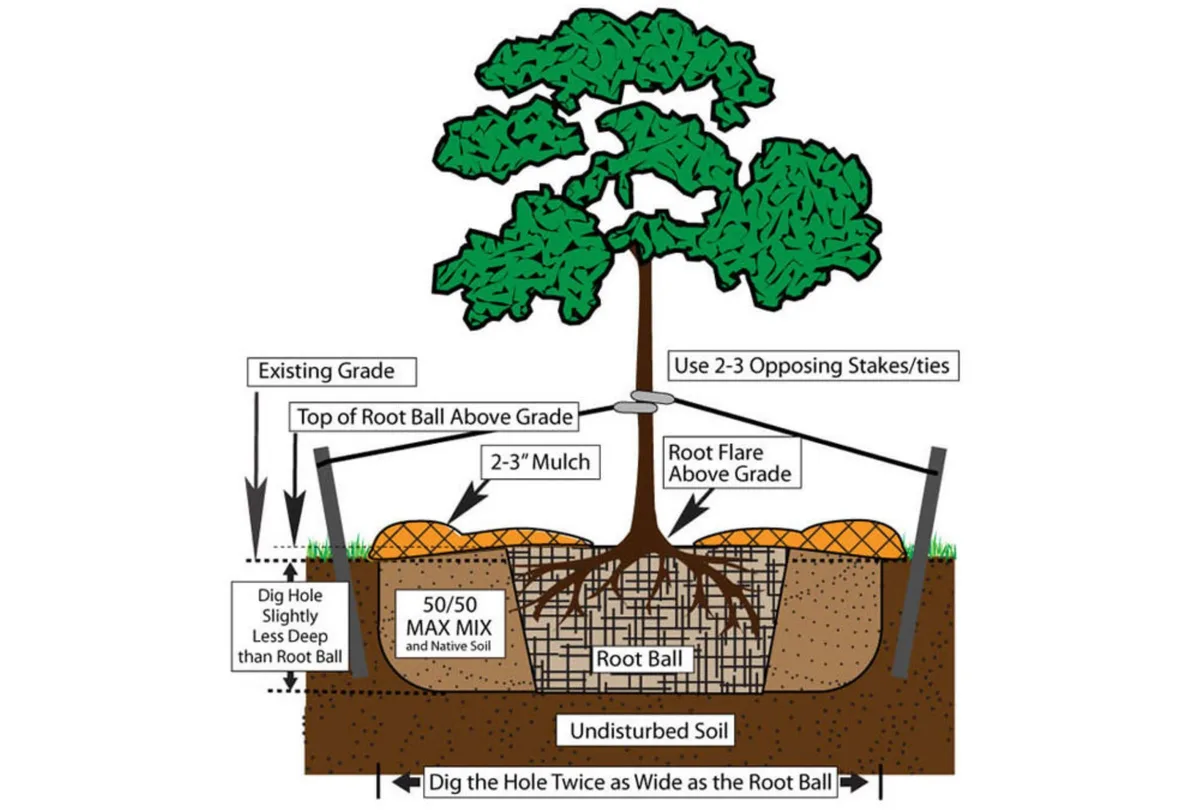
Image source: Web (Bing) / flaggsgardencenter.com (Web image (fair-use with source credit))
Set the tree in the hole. Verify the root flare sits two to three inches above the surrounding grade. Backfill gently with your amended mix.
Do not pack it down hard with your boots.
Build a slight berm around the drip line. Mound the remaining soil to create a gentle slope away from the trunk. This acts as a basin to direct rainwater outward.
It keeps the center dry during summer storms.
What changes for sandy loam?
Skip the expanded shale entirely. Your soil already drains well enough. Instead, blend generous amounts of compost into the native sand.
This helps the soil hold onto moisture during our brutal August heat.
Dig the hole twice as wide. Place the tree so the root flare is perfectly level with the ground. Backfill with your compost enriched sand mixture.
Water it in slowly to settle any large air pockets.
Apply a three inch layer of hardwood mulch over the root zone. Keep the mulch pulled back a few inches from the actual trunk. Mulch piled against the bark causes rot and invites pests.
When should you water a newly planted tree?
Water deeply every three to four days for the first three months. Stick your finger two inches into the soil before watering. If it feels damp, wait another day.
Overwatering kills faster than drought here.
Once July hits and temperatures push past 95 degrees, check the soil daily. You might need to water twice a week. Always do this early in the morning.
Evening watering leaves the foliage wet overnight, encouraging fungus.
Fixing Iron Chlorosis and Summer Stress Before They Kill the Tree
Yellow leaves are the biggest warning sign you will see. Iron chlorosis happens because our alkaline soil traps nutrients. The tree starves even when you are feeding it properly.
You have to intervene quickly to save the canopy.
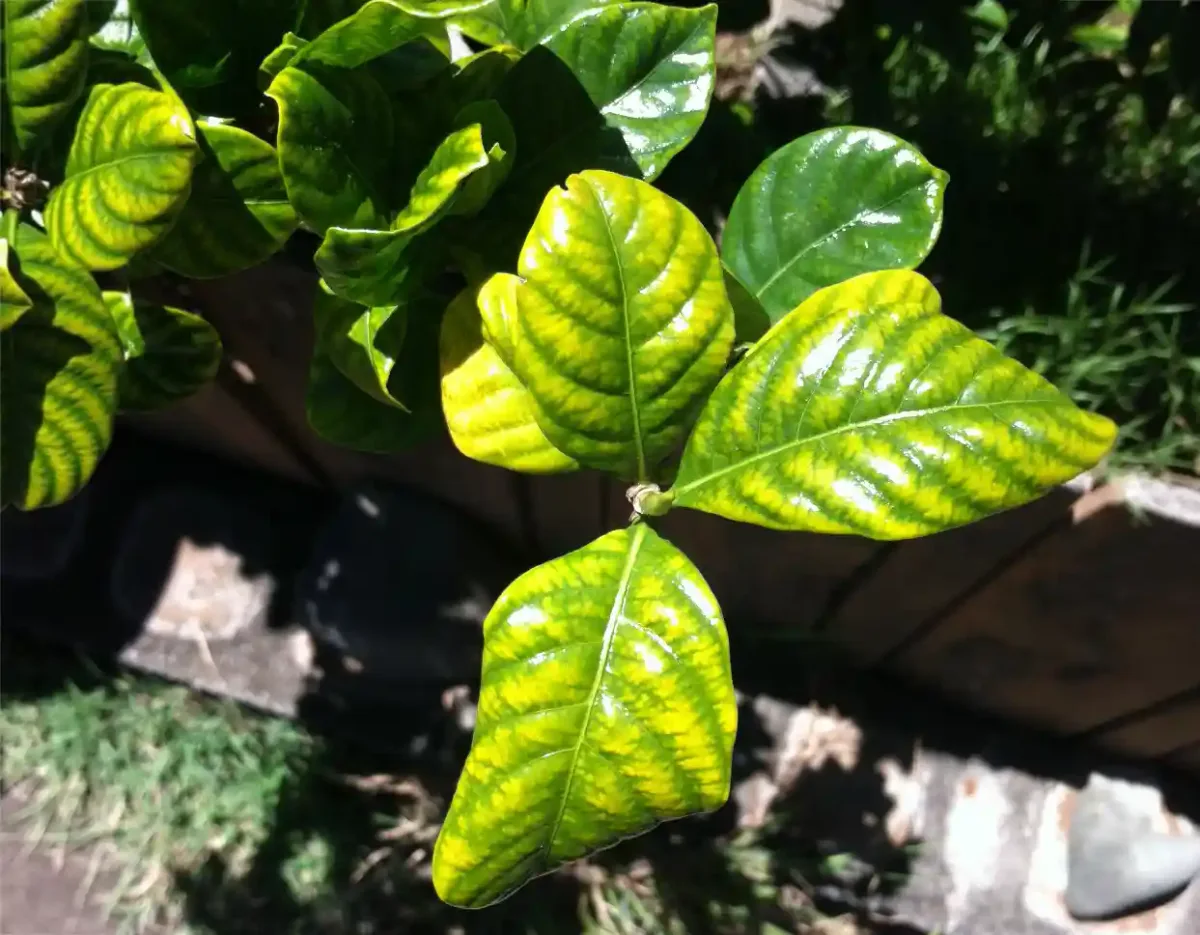
Image source: Bing (Web (fair-use with source credit))
The fastest fix is a foliar spray. Buy a liquid chelated iron product at any local garden center. Spray it directly onto the affected leaves according to the label directions.
You will usually see the leaves turn green again within two weeks.
Foliar sprays are just a bandage though. You need to fix the underlying soil chemistry for a permanent solution. Apply elemental sulfur around the drip line in early spring and late fall.
This slowly lowers the pH over several months.
Switch your fertilizer routine too. Stop using generic lawn food near these trees. Use an acidifying fertilizer specifically formulated for evergreens.
Products designed for azaleas or camellias work great for Japanese blueberries.
Summer heat stress looks different from nutrient deficiency. You will notice the leaf edges turning brown and crispy. This usually means the roots are too dry or getting scorched by afternoon sun.
Deep watering is your primary defense.
Make sure your mulch layer is still intact. Hardwood mulch insulates the shallow roots from extreme temperature swings. Replenish it annually if it breaks down or blows away.
Three inches is the sweet spot for maximum protection.
If the tree drops a lot of leaves suddenly in August, do not panic. Some leaf drop is normal during peak stress. Just verify the soil moisture and ensure you are not overwatering.
Wet roots combined with hot air cause rapid decline.
Pruning helps manage stress as well. Remove any dead or crossing branches in February. This opens up the canopy for better airflow.
Good circulation reduces humidity around the leaves, keeping fungal issues at bay.
Never top the tree to reduce its size. Topping destroys the structural integrity and invites rot into the main trunk. If it is getting too big for the space, it was planted in the wrong spot.
Plan your spacing carefully from day one.
Mistakes That Cause Root Rot, Fence Damage, and Stunted Growth
Most failures come down to a few predictable errors. Homeowners repeat them constantly because standard planting advice ignores local conditions. Let's break down exactly what goes wrong so you can avoid it.
Planting too deep is the number one killer. If you bury the root flare under inches of heavy clay, the tree suffocates. The bark rots, the cambium layer dies, and the whole thing collapses.
Always plant high in Houston.
Skipping the expanded shale is the second biggest mistake. Compost alone breaks down and compresses over time. It does not provide the permanent physical structure that clay soils demand.
Without shale, your amended hole just becomes a mud pit.
Crowding trees together ruins privacy screens. People plant them five feet apart hoping for instant coverage. All they get is poor airflow and constant fungal infections.
Ten to fifteen feet is mandatory for healthy growth in our humidity.
Ignoring the distance from wooden fences causes expensive damage. The canopy traps moisture against the boards. Within a few years, you will be replacing rotten fence panels.
Keep the trunk at least eight feet away from any wood structure.
Overwatering during winter dormancy drowns the roots. These trees slow down significantly when temperatures drop. They do not need the same volume of water they take in July.
Cut back your irrigation schedule drastically from November through February.
Using the wrong fertilizer burns the roots. High nitrogen turf fertilizers applied too close to the trunk cause chemical burns. Stick to gentle, acidifying formulas meant for woody ornamentals.
Feed lightly in spring and early fall only.
Failing to call 811 before digging puts you at risk of hitting utilities. Severing a gas line or fiber optic cable is a massive liability. It delays your project and costs thousands to repair.
Schedule your utility locates well in advance.
Leaving the nursery stake attached strangles the trunk. Those wire ties cut into the bark as the tree grows. Remove all nursery packaging, tags, and stakes immediately after planting.
Let the trunk develop its own strength in the wind.
How Japanese Blueberry Trees Compare to Live Oaks, Ficus, and Leyland Cypress
Picking the right tree means comparing how each species handles our specific climate. Elaeocarpus decipiens solves problems that other popular local trees create. We look at three common alternatives homeowners consider for screening and shade.
Live oaks (Quercus virginiana) are native and incredibly tough. But their root systems are notoriously aggressive. They buckle sidewalks and threaten slab foundations if planted too close.
A Japanese blueberry keeps its roots much better behaved in tight spaces.
Ficus trees grow fast and block views instantly. They also destroy plumbing lines and crack concrete driveways. Local arborists strongly advise against planting ficus near any structure.
The blueberry gives you evergreen coverage without the property damage risk.
Leyland cypress used to be the go-to privacy screen everywhere. In Houston, they struggle badly with our high humidity. Fungal canker wipes them out quickly during wet summers.
Our research shows they rarely survive past five years here.
Wax myrtle (Morella cerifera) is a solid native alternative. It grows faster than the blueberry and costs less upfront. However, it stays smaller and looks much less formal.
If you want a manicured, tall green wall, stick with the blueberry.
Savannah holly offers nice red berries in winter. It grows significantly slower and narrower though. You will wait much longer for a dense screen.
The blueberry pushes two to three feet of growth annually once established.
| Tree Species | Mature Height | Root Aggression | Humidity Tolerance | Best Use Case |
|---|---|---|---|---|
| Japanese Blueberry | 30 to 40 ft | Low | High | Formal privacy screens |
| Live Oak | 40 to 60 ft | Very High | High | Large open yards |
| Ficus | 30 to 50 ft | Extreme | Moderate | Avoid near structures |
| Leyland Cypress | 40 to 60 ft | Moderate | Very Low | Dry climates only |
| Wax Myrtle | 15 to 20 ft | Low | High | Informal native borders |
Pine trees drop messy sap on cars and patios constantly. They also shed needles year round. The blueberry stays remarkably clean by comparison.
You get the height without the sticky cleanup every weekend.
If your main goal is blocking a two story neighbor's window, the math is simple. Plant the blueberry 12 feet apart in amended soil. It fills the gap reliably without destroying your fence or foundation.
Frequently Asked Questions
How fast does a Japanese blueberry tree grow in Houston?
Expect two to three feet of new growth per year once established. The first season focuses mostly on root development. Growth accelerates significantly by year two.
Proper soil amendments and consistent summer watering maximize this rate.
Do Japanese blueberry trees lose their leaves in winter?
They are fully evergreen in Zone 9a. You might see older interior leaves turn reddish brown and drop in spring. This happens naturally as fresh green foliage pushes out.
It is not a sign of disease or cold damage.
Are the blue berries on this tree safe to eat?
The dark blue drupes are not toxic but taste terrible. Birds love them and usually eat them before they fall. They rarely cause a mess on patios or driveways.
You do not need to worry about kids eating them accidentally.
What is the best fertilizer for Elaeocarpus decipiens?
Use an acidifying fertilizer formulated for azaleas or camellias. Apply it lightly in early spring and again in fall. Avoid high nitrogen lawn fertilizers near the trunk.
These burn the shallow roots and worsen alkaline soil issues.
Can I plant this tree near my house foundation?
Keep the trunk at least 10 feet away from slab foundations. While the roots are less aggressive than live oaks, mature size matters. A 30 foot canopy needs room to spread safely.
Planting closer risks moisture issues against your brick or siding.

Similar Posts